















Hair Transplant Miami at Esthetic Hair Miami
Hair Transplant Miami at Esthetic Hair Miami can be considered by patients who want hair restoration in South Florida with access to modern transplant techniques, personalized planning, and a city that is easy to reach for both local and traveling patients. Miami is a strong destination for people seeking aesthetic treatments, but a hair transplant should always be approached as a medical procedure, not just a cosmetic appointment.
Hair loss affects appearance, confidence, styling options, and the way a person feels in photos or social settings. For many men and women, thinning hair is not only about age. It may involve genetics, hormones, stress, scalp health, traction, previous procedures, or medical conditions. A successful hair transplant begins by understanding why the hair is thinning and whether surgery is truly the right option.
Esthetic Hair Miami is positioned around hair transplant and hair restoration services in Miami, but patients should still ask detailed questions before booking. The best result depends on diagnosis, donor area strength, natural hairline design, graft quality, medical supervision, technique selection, recovery guidance, and long-term maintenance. The clinic name matters, but the treatment plan matters even more.
Why Consider Hair Transplant Miami?
Patients may consider Hair Transplant Miami at Esthetic Hair Miami because Miami offers convenient access, a strong aesthetic treatment environment, and appeal for both U.S. and international patients. For people living in Florida, local treatment can also make follow-up easier.
A Miami-based hair transplant can be practical for patients who want consultation, procedure, washing, and postoperative support without long-distance travel. Recovery also requires communication, especially during the first days when swelling, crusting, redness, and questions are common.
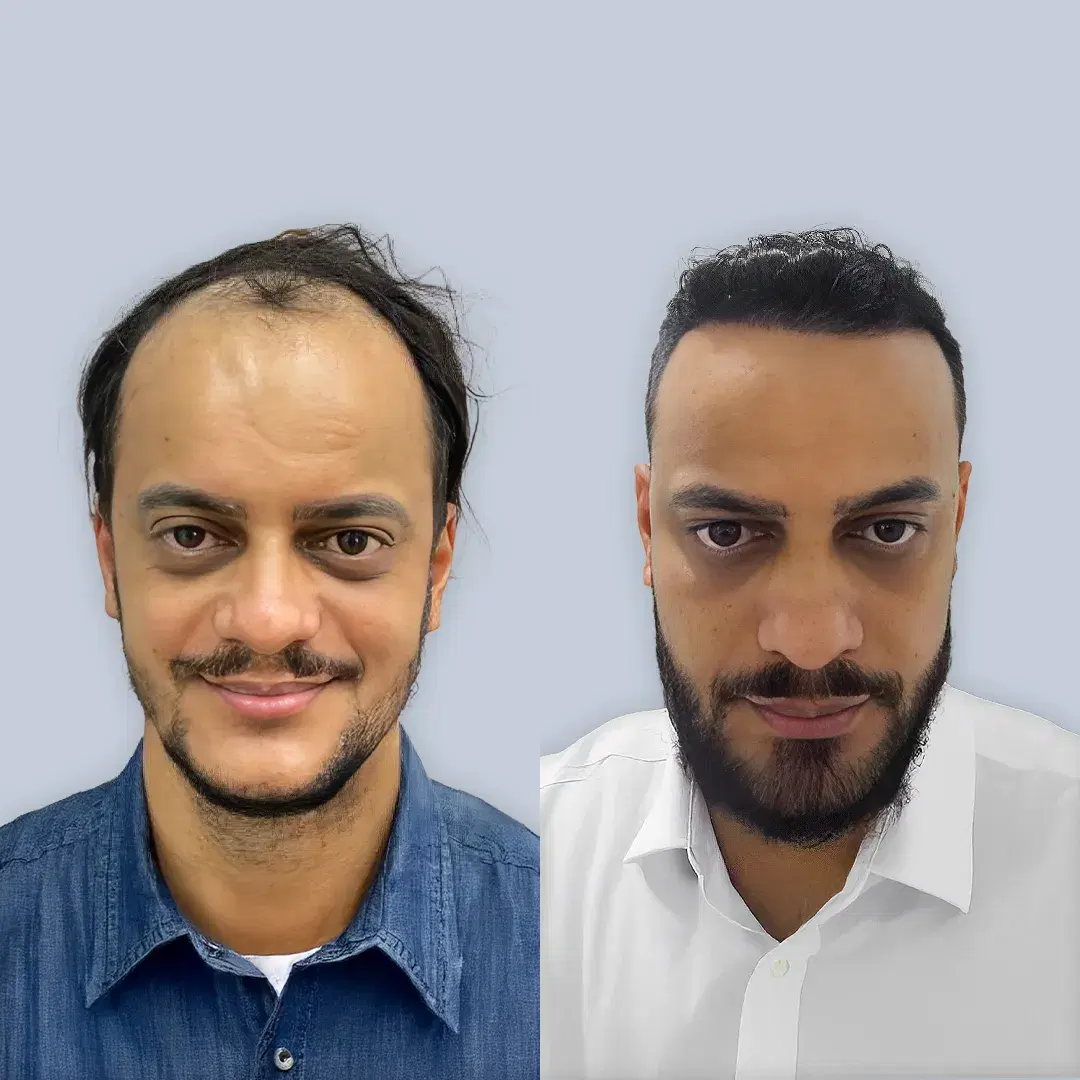
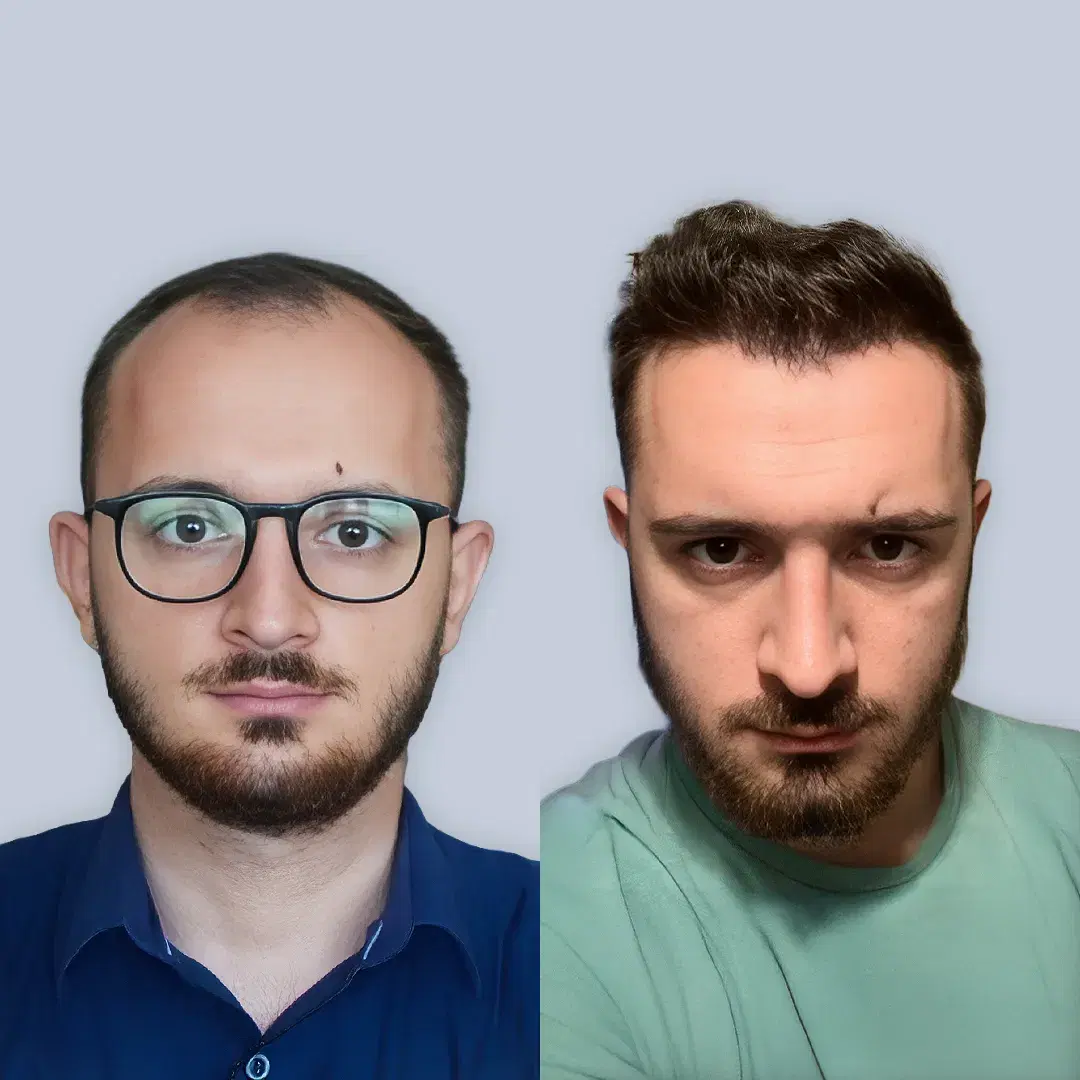
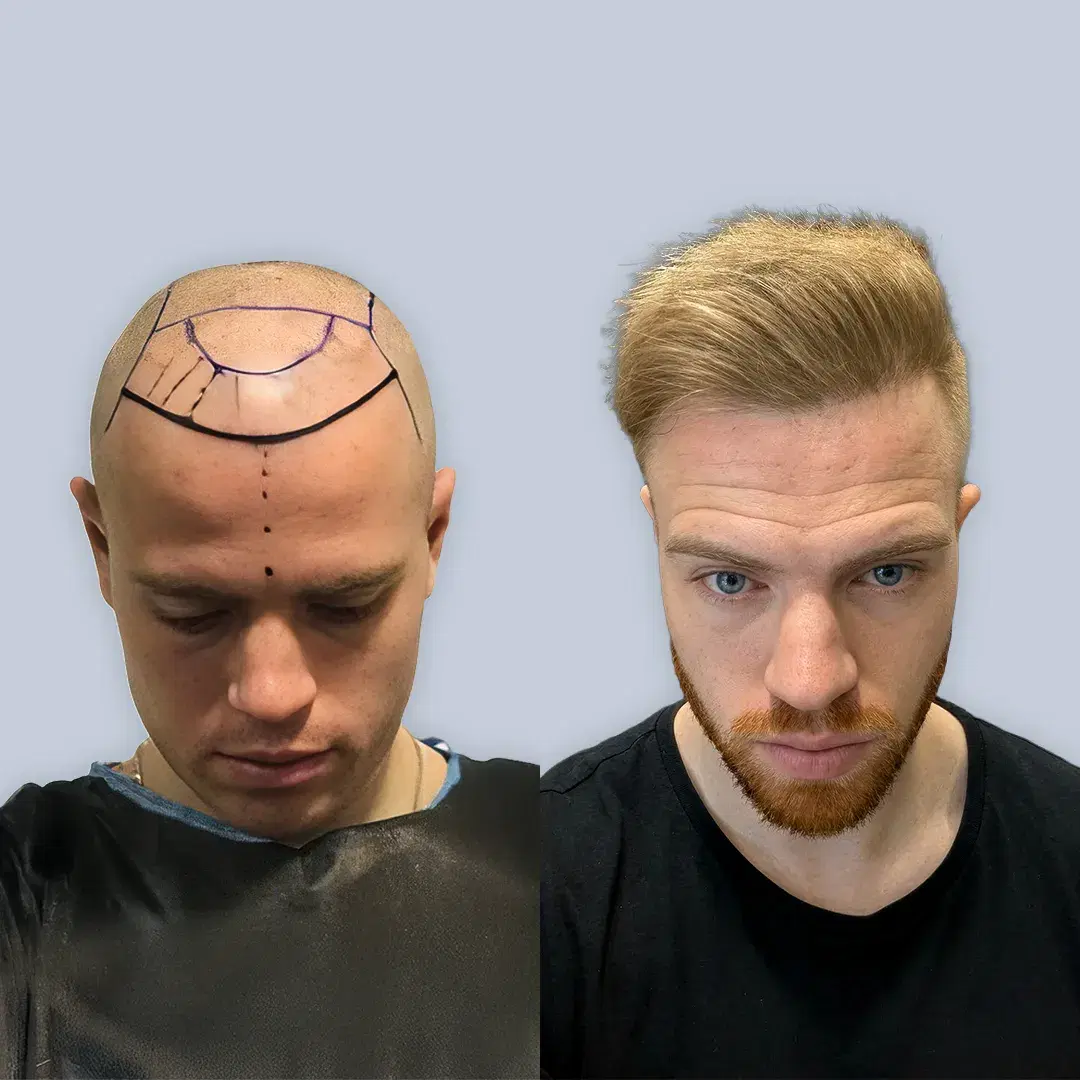
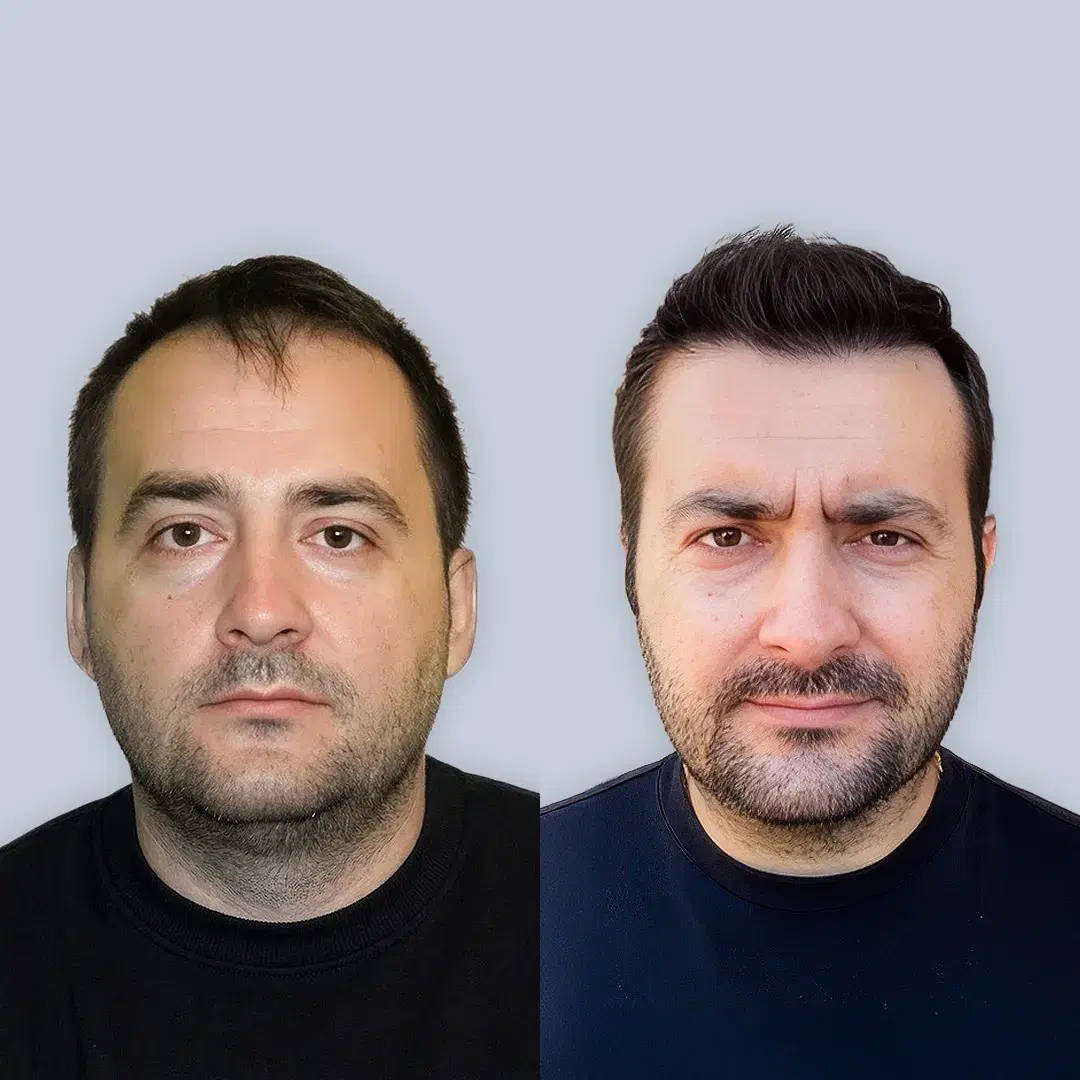
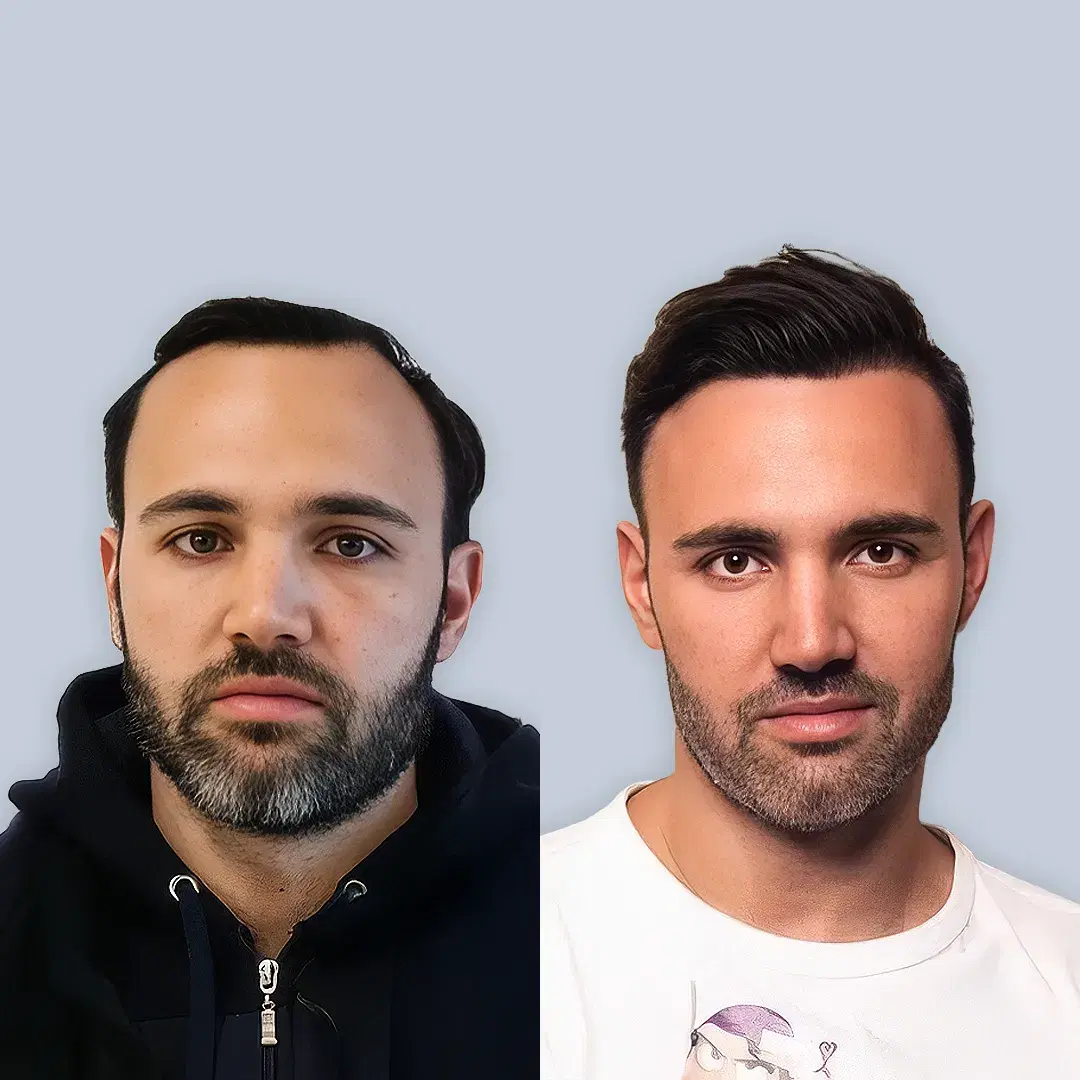
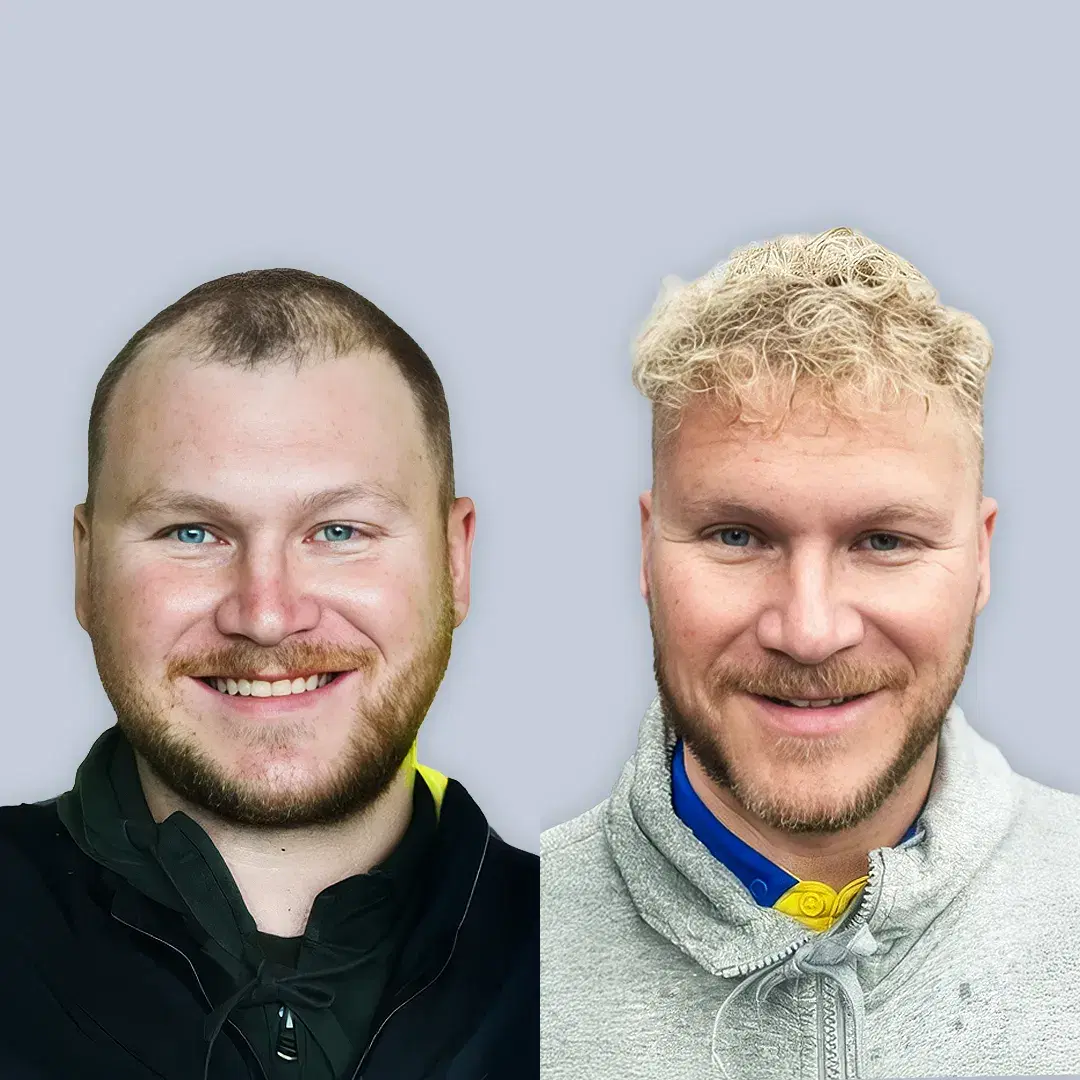
Still, location alone should never decide the choice. Patients should evaluate the clinic’s process, medical involvement, team experience, treatment options, before-and-after results, and clarity of communication. A confident decision comes from understanding what will happen at every stage.
How Should the Consultation Work?
A proper consultation for Hair Transplant Miami at Esthetic Hair Miami should include a scalp examination, donor area evaluation, medical history, discussion of family hair loss, review of medications, and assessment of previous treatments. The patient should also explain personal goals, preferred hairstyle, and concerns about density or hairline shape.
The consultation should not feel rushed. A good plan needs time. The clinic should explain the likely cause of hair loss, whether the patient is a candidate, how many grafts may be appropriate, and which areas should be prioritized.
The patient should leave with a clear idea of expected recovery, possible risks, timeline for results, maintenance needs, and cost structure. If important details remain vague, more questions should be asked before scheduling.
Is DHI Better for Everyone?
DHI is not automatically better for every patient. It can be useful in selected cases, especially when careful placement and control are priorities. However, the outcome still depends on the team’s experience, graft quality, and planning.
Some patients may benefit more from FUE or Sapphire FUE depending on their scalp, hair type, number of grafts, donor area, and target region. A clinic should explain why one method is recommended instead of another.
The patient should ask whether the suggested technique improves the result in their specific case or whether it is simply the clinic’s standard approach. Personalization matters more than the label of the method.
Why Is Donor Area Planning So Important?
The donor area is limited. Once follicles are removed, they do not grow back in that exact spot. This makes donor management one of the most important parts of hair transplant planning.
Overharvesting can leave the back of the head looking thin, patchy, or uneven. Underharvesting may fail to provide enough coverage. A skilled plan balances current goals with future hair loss risk.
Patients should ask how many grafts can be safely removed, where the grafts will be taken from, and whether the donor area will still look natural with short hair. A good transplant should improve the front without damaging the back.
How Is a Natural Hairline Designed?
A natural hairline is designed by considering the patient’s age, forehead shape, facial proportions, hair type, donor supply, and future hair loss. It should not be perfectly straight or too low. Natural hairlines have soft irregularities and gradual density.
The front edge usually needs single-hair grafts. Behind that, slightly thicker grafts can create density. If large multi-hair grafts are placed in the front row, the result may look artificial.
Hairline design is especially important in Miami, where many patients want a youthful and aesthetic appearance. A natural, slightly mature hairline usually ages better than an overly aggressive design.
How Many Grafts Are Needed?
The number of grafts depends on the size of the thinning area, hair caliber, curl, color contrast, density goals, donor area strength, and long-term plan. A small hairline correction may require fewer grafts than crown restoration or full frontal rebuilding.
Patients should be cautious with very high graft promises. Large numbers may sound attractive, but the donor area must be protected. A high graft count that damages the donor region can create problems that are difficult to correct.
The clinic should explain graft distribution clearly. The front, temples, mid-scalp, and crown each need a different strategy. Good planning focuses on visual impact and long-term stability.