
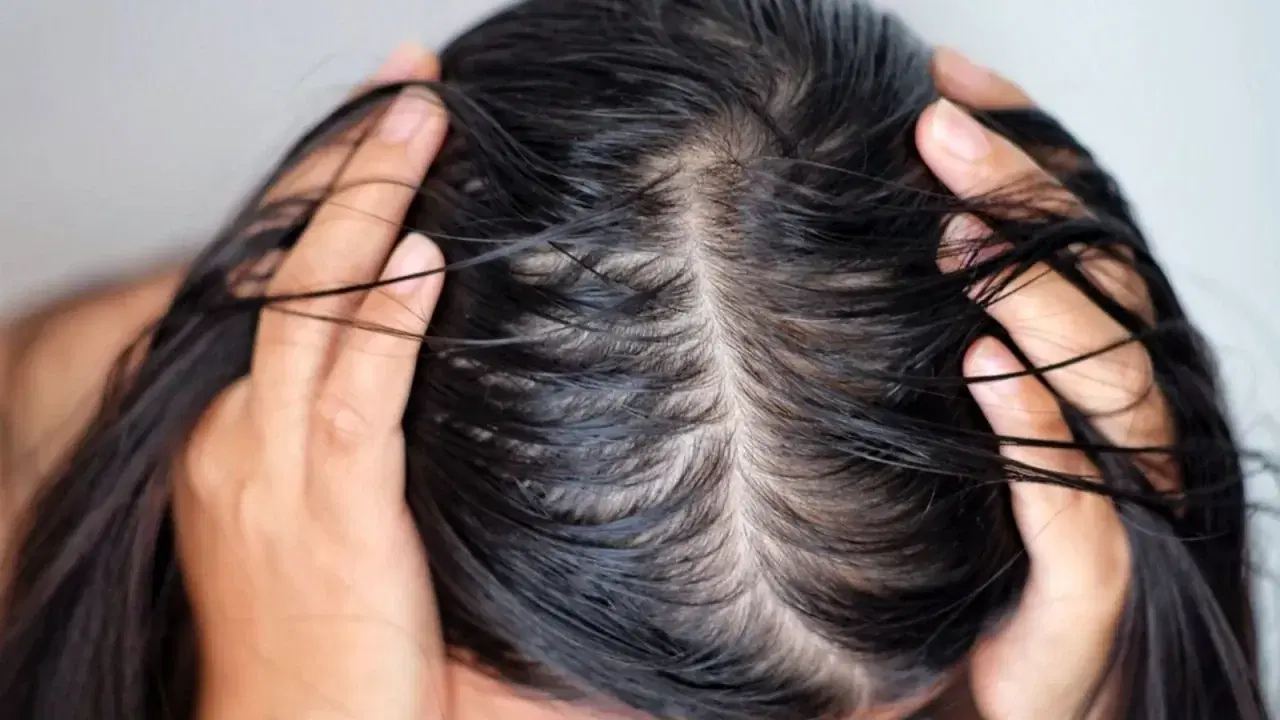
Florida’s warm, humid climate can make an oily scalp feel much worse even when the sebaceous glands are not suddenly producing dramatically more oil. High humidity slows sweat evaporation, encourages moisture to remain close to the scalp and makes sebum, sweat and styling products combine more easily around the roots. This can leave hair looking greasy only hours after washing, especially during long periods outdoors. So, why does Florida humidity make the scalp feel oilier, and what can actually help?
Does Florida Humidity Make Your Scalp Oilier?
Florida humidity can make the scalp feel noticeably oilier, although humidity itself does not necessarily force the sebaceous glands to produce much more sebum.
The larger effect comes from moisture, sweat and slower evaporation.
In humid air, perspiration remains on the skin longer instead of evaporating quickly. Sweat then mixes with natural scalp oil, dead skin cells and styling residue.
The result is a heavier film around the roots.
Someone who feels comfortable for a full day in a dry climate may notice greasy roots by afternoon in Miami, Tampa or Orlando simply because moisture and oil remain concentrated near the scalp.
Why Does Hair Get Greasy Faster in Florida?
Hair often looks greasy faster in Florida because heat, perspiration and high atmospheric moisture cause the roots to stay damp and coated for longer periods.
Sebum naturally travels from the scalp onto the hair shaft. Fine and straight hair shows this movement particularly quickly.
Humidity can also flatten the hair near the scalp.
When roots lose lift, oily strands sit closer together and reflect more light, which makes the hair appear even greasier.
Frequent sunscreen use, leave-in products and outdoor activity can add another layer of residue.
For many people, the problem is therefore not one source of oil but several substances accumulating together.
Humidity, Sweat and Sebum: What Is the Difference?
Humidity, sweat and sebum are different factors, although all three can contribute to the greasy feeling people notice in Florida.
The main differences are:
Humidity describes the amount of moisture present in the air
Sweat is water-based fluid produced by sweat glands
Sebum is an oily substance produced by sebaceous glands
Sweat helps cool the body during heat and exercise
Sebum helps lubricate the skin and hair
High humidity slows the evaporation of sweat
Sweat can spread existing sebum across the scalp
Styling products can mix with both sweat and sebum
Oiliness may therefore increase without a dramatic rise in sebum production
Understanding these differences prevents every greasy scalp problem from being blamed on excess oil alone.
Does Florida Heat Increase Scalp Oil Production?
Florida heat may make an oily scalp more noticeable, but the relationship between temperature and sebaceous activity is more complicated than simply saying that hot weather creates more oil.
Heat increases sweating, and active outdoor days usually increase scalp moisture.
Some people may also experience seasonal changes in sebum output, but individual skin biology, hormones and genetics remain major influences.
The practical effect is clear even when sebum production itself changes only modestly.
A scalp covered with sweat and normal oil can feel dramatically greasier than the same scalp in cooler, drier conditions.
Heat also encourages people to touch, wipe and restyle their hair more frequently.
Why Can Your Roots Look Oily Even After Washing?
Roots can look oily soon after washing when shampoo leaves residue behind, the scalp is not rinsed thoroughly or sweat quickly returns after a shower.
Application technique matters.
Shampoo placed mainly on the hair lengths may not remove enough scalp oil, while conditioner applied directly to the roots can leave a coating that mimics sebum.
Florida heat can then make the problem visible within hours.
Very heavy leave-in products, scalp oils, dry shampoo and styling creams may add more residue.
An oily appearance immediately after washing does not always mean the scalp is producing abnormal amounts of oil. Sometimes the problem is simply incomplete cleansing or excessive product layering.
Can Florida Humidity Cause Dandruff or Seborrheic Dermatitis?
Florida humidity does not directly create seborrheic dermatitis, but warm, oily and moist scalp conditions can make symptoms feel more noticeable in susceptible people.
Seborrheic dermatitis is an inflammatory skin condition associated with oily areas of the body.
It can produce greasy flakes, itching and redness rather than simple root oiliness.
Hot weather and sweating may aggravate discomfort in some people, while others experience flares during cooler periods.
This difference matters because oily roots and seborrheic dermatitis are not the same problem.
Persistent yellowish scale, redness or intense itching deserves a different approach than hair that merely becomes greasy faster during humid weather.
Can an Oily Scalp Cause Hair Loss?
An oily scalp by itself usually does not cause permanent hair loss.
Sebum normally exists on healthy skin and plays a protective role.
Problems become more relevant when significant inflammation, scratching, infection or another scalp disorder develops alongside the oiliness.
Severe seborrheic dermatitis, folliculitis or persistent irritation can temporarily increase shedding in some people.
That still differs from androgenetic hair loss, which gradually miniaturizes genetically susceptible follicles.
Someone noticing both oily roots and thinning should therefore avoid assuming that grease is killing the follicles.
The pattern of thinning, duration of shedding and appearance of the scalp provide far more useful clues.
Does Sweating More Make Hair Fall Out?
Sweating more in Florida does not normally make healthy hair follicles fall out simply because the scalp becomes wet.
Sweat itself does not loosen properly anchored growing hairs.
However, sweating can make already shed hairs easier to notice because people wash, towel-dry or handle their hair more often.
Salt from dried perspiration may also leave the scalp uncomfortable, encouraging scratching.
Heavy exercise combined with tight hats can add friction around the hairline.
The important distinction is between noticing more loose hairs during increased washing and developing a true rise in biological shedding.
Persistent diffuse shedding requires a broader explanation than perspiration alone.
Should You Wash Your Hair Every Day in Florida?
Daily shampooing can be reasonable for someone with a very oily or sweaty scalp, provided the shampoo is well tolerated and washing does not create significant irritation.
There is no universal rule that everyone should avoid daily washing.
The right frequency depends on scalp oiliness, hair texture, exercise habits and styling routine.
Fine straight hair may need more frequent cleansing because sebum spreads easily along the shaft.
Curly or tightly textured hair can become dry if aggressive shampooing removes too much lubrication from the lengths.
In Florida, the best schedule is usually the one that keeps the scalp comfortable without leaving the hair excessively dry or irritated.
What Type of Shampoo Works Best for an Oily Scalp?
An oily scalp generally responds best to a shampoo that removes excess sebum and residue without making the scalp persistently irritated.
Useful shampoo categories can include:
Regular cleansing shampoos for frequent washing
Clarifying shampoos for occasional heavy buildup
Anti-dandruff shampoos when flaking accompanies oiliness
Ketoconazole-containing products when appropriate for seborrheic dermatitis
Zinc-based or selenium-containing shampoos for selected dandruff cases
Fragrance-light options for sensitive scalps
Lightweight formulations rather than very conditioning shampoos
Products applied primarily to the scalp rather than the hair ends
Thorough rinsing after every shampoo
The strongest cleanser is not automatically the best choice. Chronic irritation can create another scalp problem while trying to solve oiliness.
Can Conditioner Make the Scalp Greasier?
Conditioner can make the roots appear greasier when rich formulations are applied directly to an already oily scalp.
Most people with oily roots need conditioner mainly through the mid-lengths and ends.
This allows dry or processed hair to receive lubrication without coating the root area unnecessarily.
Fine hair is especially easy to weigh down.
In Florida humidity, heavy conditioners can make flat roots appear oily sooner because the hair already has less lift.
That does not mean conditioner needs to be eliminated.
Using a smaller quantity, keeping it away from the roots and rinsing thoroughly often provides a better balance between a clean scalp and manageable hair lengths.
Which Hair Habits Make Oiliness Worse?
Several everyday habits can make Florida-related scalp oiliness look or feel more severe than it actually is.
Common contributors include:
Touching the roots repeatedly throughout the day
Applying conditioner directly to the scalp
Using excessive dry shampoo
Layering multiple leave-in products
Applying heavy oils to already oily roots
Wearing tight hats for long periods in hot weather
Going to bed with a sweaty scalp
Shampooing the lengths while barely cleansing the scalp
Failing to rinse shampoo completely
Reusing sweaty hats or headbands without washing them
Brushing oily roots repeatedly through the hair
Allowing styling residue to build for many days
Reducing buildup often improves the greasy appearance without requiring an aggressive scalp routine.
How Can You Keep Your Scalp Fresher in Florida?
Keeping the scalp fresher in Florida usually requires controlling sweat and buildup rather than trying to eliminate all natural oil.
Wash after heavy sweating when necessary, particularly after outdoor exercise.
Apply shampoo to the scalp and let the lather run through the lengths instead of aggressively scrubbing the entire hair shaft.
Choose lighter styling products during humid months.
Clean hats, pillowcases and exercise headbands regularly because they repeatedly contact the scalp.
Allow the scalp to dry after intense exercise rather than covering it immediately.
People with longer hair may also benefit from loose hairstyles that allow airflow without pulling tightly on the hairline.
Does Hard Water Make Greasy Hair Worse?
Hard water can make hair feel coated or difficult to cleanse in some households, but it does not directly cause the sebaceous glands to produce excess oil.
Calcium and magnesium in water can interact with cleansing products and leave mineral residue on hair.
That buildup may make strands feel rough, heavy or dull.
Some people then use more conditioner or styling products, which can make the roots seem even greasier.
Water composition varies considerably across Florida, so the effect depends on the local supply and household treatment system.
If hair feels coated despite thorough washing, occasional clarifying care may help more than simply increasing shampoo frequency.
When Is an Oily Scalp More Than a Climate Problem?
An oily scalp becomes more than a simple climate concern when persistent inflammation, scaling, sores or significant hair changes appear alongside the grease.
Warning signs include:
Intense or persistent itching
Thick greasy yellow scales
Significant redness
Pain or burning
Recurrent pustules
Crusting or drainage
Bad odor from inflamed areas
Sudden increase in hair shedding
Clearly widening hair part
New bald patches
Broken hairs associated with scalp inflammation
Symptoms that remain severe even in cooler weather
These findings can suggest seborrheic dermatitis, folliculitis, psoriasis, contact dermatitis or another scalp condition.
Climate may aggravate symptoms, but it may not be the underlying diagnosis.
Does Moving Away From Florida Fix an Oily Scalp?
Moving to a drier climate may make the scalp feel less sweaty and reduce how quickly hair appears greasy, but it does not necessarily change a person's basic tendency toward oily skin.
Sebum production remains influenced by genetics, hormones and individual skin biology.
Someone who naturally has an oily scalp may still experience greasy roots in Arizona, Colorado or another less humid region.
What may change is the way that oil behaves.
In dry air, sweat evaporates more quickly and the roots may retain more volume, so the same amount of sebum appears less obvious.
Florida humidity can therefore amplify oiliness without being its only cause.