
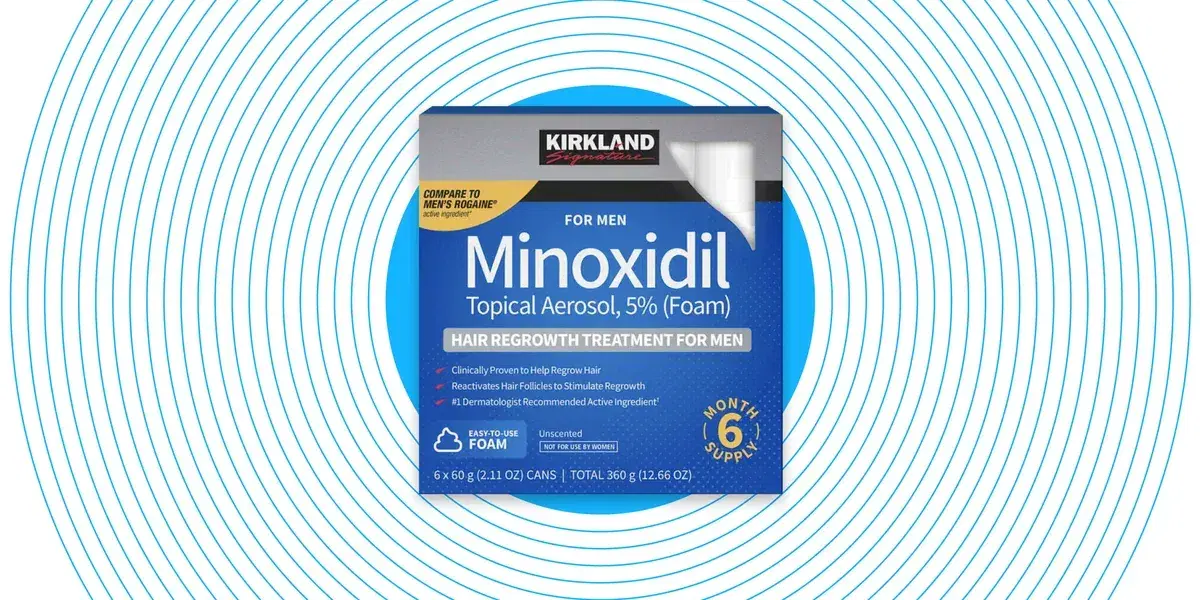
What Is the Difference Between Oral and Topical Minoxidil?
Oral minoxidil works throughout the body after swallowing a tablet, while topical minoxidil acts mainly where you apply it directly to the scalp. Both approaches aim to support active hair follicles and prolong the growth phase, but they expose the body to the medication differently.
Topical treatment concentrates minoxidil around the scalp, which limits systemic exposure but requires consistent application. Oral treatment removes the daily scalp application step, although it introduces greater potential for whole-body side effects.
The most suitable form therefore depends on hair-loss pattern, treatment tolerance, medical history, scalp sensitivity, and the ability to maintain regular use.
Is Oral Minoxidil More Effective Than Topical Minoxidil?
Oral minoxidil can produce strong hair-growth results in some people, but it should not be considered universally more effective than topical minoxidil. Response depends on the individual follicle, hair-loss type, dose, treatment consistency, and how well each form is tolerated.
Topical minoxidil works well for many people when they apply it regularly and maintain treatment for enough time. Oral treatment can become attractive when scalp irritation or daily application makes topical treatment difficult.
Effectiveness should therefore include practical adherence as well as biological response. A theoretically effective treatment provides limited benefit when someone cannot use it consistently.
How Does Oral Minoxidil Work for Hair Loss?
Oral minoxidil supports hair growth by circulating through the bloodstream and influencing follicles across the scalp rather than only a directly treated area. It can prolong the active growth phase and encourage miniaturized follicles to produce stronger visible hairs.
Because the medication acts systemically, exposure is not limited to the scalp. This helps explain both its convenience and its potential for effects elsewhere in the body.
Oral minoxidil does not create completely new follicles in areas where follicles no longer function. It works best when living follicles remain present and capable of responding to growth stimulation.
How Does Topical Minoxidil Work for Hair Loss?
Topical minoxidil works by delivering the medication directly to the scalp, where it can support follicle activity and prolong the active hair-growth phase. Regular application allows responsive follicles to remain in growth for longer and may increase visible hair diameter.
The medication must reach the scalp rather than simply coating the hair. Consistent placement therefore matters more than using a large amount.
Topical minoxidil can support thinning areas without exposing the entire body to the same medication level as oral treatment. However, scalp absorption still occurs, so users should apply the product according to appropriate instructions.
Who May Benefit More From Oral Minoxidil?
Oral minoxidil may suit people who struggle with topical application, develop persistent scalp irritation, or need treatment across a broad area of diffuse thinning. Taking a tablet can simplify the routine because users do not need to divide hair and apply medication directly every day.
This convenience can improve adherence for people who regularly forget topical applications. Oral treatment may also help when hair texture or styling makes scalp application inconvenient.
However, systemic treatment requires more attention to blood pressure, heart rate, swelling, medical conditions, and other medications. Convenience should therefore be balanced against the broader safety profile.
Who May Prefer Topical Minoxidil?
Topical minoxidil may suit people who want to target scalp hair loss while limiting systemic exposure compared with an oral medication. It can work particularly well for individuals who tolerate regular scalp application and do not develop significant irritation.
The treatment also allows users to focus on thinning regions rather than exposing the whole body. This feature can matter when someone wants to avoid systemic effects such as unwanted body hair or fluid retention.
Topical treatment requires discipline because missed applications can reduce consistency. Hair length, styling products, scalp sensitivity, and daily routine can therefore influence whether someone maintains treatment successfully.
How Long Does Oral Minoxidil Take to Work?
Oral minoxidil usually requires several months before visible improvement becomes noticeable because hair follicles must progress through their natural growth cycle. Some people first notice reduced shedding, while others initially see short new hairs appearing in thinning areas.
Visible changes often become easier to judge after several months of consistent use. Hair diameter and density can continue improving after early regrowth begins.
Taking the medication for only a few weeks does not provide a meaningful test of effectiveness. Hair grows slowly, so photographs taken under similar lighting and styling conditions can make gradual changes easier to evaluate objectively.
How Long Does Topical Minoxidil Take to Work?
Topical minoxidil also requires several months of consistent use before meaningful hair-growth changes become visible. Early improvement can appear as reduced shedding or fine new hairs, but these initial changes may remain subtle.
The scalp needs repeated exposure over time because minoxidil influences the hair cycle rather than producing immediate cosmetic thickening. Missing applications frequently can make progress harder to judge.
Visible density usually develops gradually as newly stimulated hairs lengthen and mature. Someone evaluating treatment after only a short period may stop before responsive follicles have had enough time to demonstrate measurable improvement.
Does Oral Minoxidil Cause More Initial Shedding?
Oral minoxidil can cause temporary increased shedding after treatment begins, but this does not happen to everyone and does not automatically indicate worsening hair loss. Minoxidil can accelerate the transition of older resting hairs as follicles begin entering a new growth phase.
Topical minoxidil can produce a similar early shedding pattern. The amount varies considerably between individuals and may appear more dramatic when baseline density is already low.
Temporary shedding usually matters less than the direction of hair density over the following months. Persistent heavy loss or rapidly developing bald areas deserve evaluation for other causes rather than being attributed automatically to minoxidil.
What Are the Side Effects of Oral Minoxidil?
Oral minoxidil can cause systemic side effects because the medication circulates throughout the body rather than remaining concentrated mainly on the scalp.
Potential effects include:
Increased facial or body hair
Ankle or leg swelling
Fluid retention
Lightheadedness
Lower blood pressure
Faster heartbeat
Headache
Palpitations
The likelihood and severity vary between individuals. People with cardiovascular conditions, low blood pressure, kidney problems, or interacting medications require particular caution. Chest pain, fainting, breathing difficulty, significant swelling, or persistent rapid heartbeat require prompt medical assessment rather than continued unsupervised use.
What Are the Side Effects of Topical Minoxidil?
Topical minoxidil most commonly causes local scalp side effects such as dryness, itching, flaking, redness, or irritation around the application area. Some formulations may irritate sensitive skin more than others because inactive ingredients can contribute to the reaction.
Medication that repeatedly spreads onto the forehead or face can also encourage unwanted facial hair in susceptible users. Washing hands after application and allowing the product to dry can reduce unintended transfer.
Systemic effects occur less commonly with normal topical use, but they remain possible because some medication enters the bloodstream. Persistent dizziness, swelling, or palpitations should therefore receive appropriate attention.
Does Oral Minoxidil Cause Unwanted Body Hair?
Oral minoxidil can increase facial and body hair because the medication reaches follicles throughout the body rather than acting only on scalp follicles. The effect may appear on the face, arms, legs, torso, or other areas with responsive hair follicles.
For some users, this remains mild and manageable, while others find the increased hair growth cosmetically inconvenient. The degree can depend on individual sensitivity and medication exposure.
Unwanted hair growth does not necessarily mean scalp treatment has failed. It reflects the systemic action of oral minoxidil. This side effect is one important difference to consider when comparing tablets with scalp-directed treatment.
Can Topical Minoxidil Irritate the Scalp?
Topical minoxidil can irritate the scalp, particularly when a person has sensitive skin or reacts to ingredients contained within certain liquid formulations. Irritation may cause itching, redness, dryness, flaking, or a burning sensation after application.
Applying more product than recommended does not improve growth proportionally and can increase scalp exposure unnecessarily. Product residue can also make the hair feel dry, sticky, or difficult to style.
When irritation develops, the formulation itself may be contributing rather than minoxidil alone. Persistent inflammation should not simply be ignored because chronic scalp irritation can make consistent treatment difficult and reduce long-term adherence.
Which Is Easier to Use Long Term?
Oral minoxidil is often easier to incorporate into a daily routine because taking a tablet requires less time than applying medication carefully across the scalp. This advantage can matter greatly for people with long hair, diffuse thinning, or complicated styling routines.
Topical minoxidil requires regular scalp access, drying time, and attention to residue. Some people maintain that routine easily, while others gradually reduce applications because it becomes inconvenient.
Ease of use should not automatically determine treatment choice, because oral minoxidil carries broader systemic considerations. The most practical treatment is one that combines acceptable safety with a routine the user can maintain consistently.
Can Oral and Topical Minoxidil Be Used Together?
Oral and topical minoxidil can sometimes be used within the same treatment strategy, but combining them does not automatically produce proportionally greater hair growth. Using both increases total minoxidil exposure and can also increase the chance of unwanted effects.
Someone already responding well to one form may gain limited additional value from adding another without a specific reason. Combination treatment therefore requires a clear goal rather than simply using more medication.
Systemic symptoms deserve particular attention when oral minoxidil forms part of the regimen. Treatment intensity should reflect the hair-loss pattern and safety profile instead of assuming that two forms are always better than one.
What Happens When You Stop Oral or Topical Minoxidil?
Hair gains supported by either oral or topical minoxidil can gradually diminish after treatment stops because responsive follicles lose the ongoing growth stimulus. This process usually occurs over months rather than immediately after the final dose or application.
Minoxidil does not permanently cure androgenetic hair loss. It helps maintain growth while treatment continues, so genetically vulnerable follicles can resume their previous progression after withdrawal.
Temporary shedding conditions may behave differently if the original trigger has already resolved. However, people using minoxidil for progressive pattern hair loss should generally view treatment as long term if they want to preserve the benefits it provides.
Is Oral Minoxidil Better for Diffuse Hair Thinning?
Oral minoxidil can be practical for diffuse hair thinning because systemic treatment reaches follicles across the scalp without requiring application to many separate areas. This can simplify treatment when thinning extends through the frontal, central, and crown regions.
Topical minoxidil can also treat broad thinning, but covering a large area consistently may become inconvenient for some users. Dense or long hair can make direct scalp application particularly time consuming.
The distribution of thinning therefore influences convenience more than it determines biological superiority. Diffuse shedding from nutritional deficiency, illness, or another temporary trigger should still be evaluated separately before assuming minoxidil alone addresses the cause.
Is Topical Minoxidil Better for a Receding Hairline?
Topical minoxidil can support miniaturized follicles around a receding hairline when living follicles remain, although hairline response may be less predictable than response in other thinning areas. Applying medication directly allows users to focus treatment on the affected frontal region.
A completely smooth area without functioning follicles is unlikely to develop dense new hair from minoxidil alone. The medication works by stimulating existing follicles rather than creating new follicular units.
Hairline recession can also progress because of androgenetic hair loss even when some improvement occurs. Treatment goals should therefore focus on supporting miniaturized hairs and slowing visible thinning rather than expecting reconstruction of every lost hairline area.
Which Option Is Better After a Hair Transplant?
Either oral or topical minoxidil may support surrounding native hair after a hair transplant, while the choice depends on tolerance, scalp healing, and the broader hair-loss plan. Minoxidil does not determine whether transplanted grafts permanently survive once they have successfully established.
Its greater role involves supporting susceptible native hairs and encouraging growth activity during the months after transplantation. Topical products usually require appropriate healing before direct application to recently treated scalp tissue.
Oral minoxidil avoids scalp application but introduces systemic considerations. Post-transplant treatment should therefore protect the healing scalp first and support long-term native hair preservation without creating unnecessary irritation or systemic risk.
How Should You Choose Between Oral and Topical Minoxidil?
Choosing between oral and topical minoxidil requires balancing expected hair-growth benefit, convenience, scalp tolerance, systemic safety, medical history, and willingness to continue treatment long term. Neither option is automatically the correct choice for every person.
Topical minoxidil offers localized treatment and generally lower systemic exposure, while oral minoxidil provides convenient whole-scalp treatment without daily scalp application. Oral therapy requires greater attention to cardiovascular effects, swelling, blood pressure, and interacting medications.
The decision should ultimately match the type of hair loss and individual risk profile. Consistent, well-tolerated treatment usually provides more practical value than choosing an option that cannot be maintained safely.