
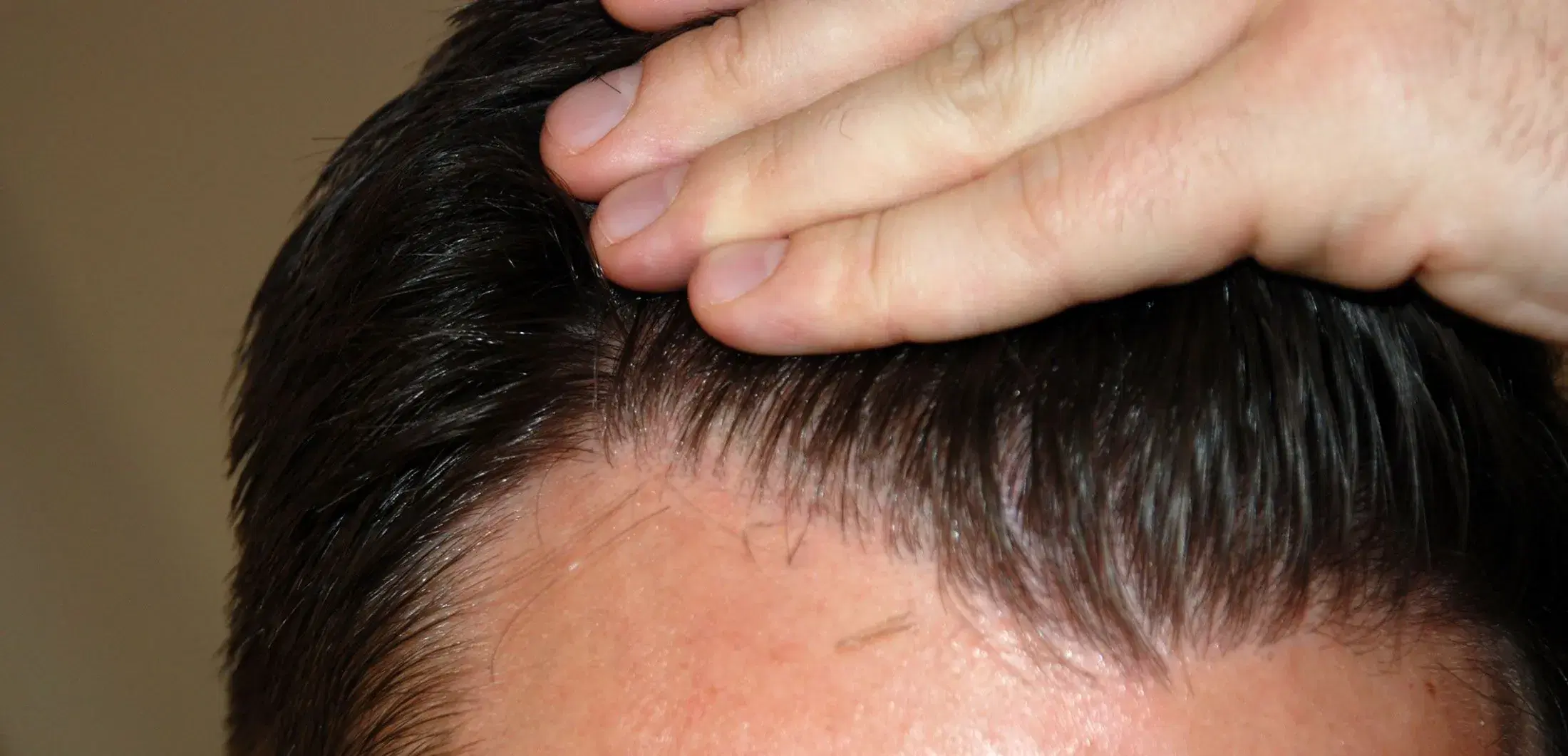
Do Hair Transplant Results Last 15 Years?
Transplanted hair usually continues to grow 15 years after surgery, because the follicles come from areas of the scalp that resist the type of hair loss most people experience. The bigger question is not whether the transplanted hair survives, but how the full head of hair looks as the years pass and the hair around the grafts changes.
A transplant moves follicles; it does not stop the condition that caused the hair loss. Pattern hair loss can keep progressing for decades, so the hair next to the transplanted area may continue to thin while the grafts themselves remain in place. Over 15 years, this difference can shape the overall appearance more than anything else.
People who look at long-term results often find that the transplanted hairline remains strong while the crown or mid-scalp behind it has thinned further. Others see a result that still looks balanced, because their surgeon planned for future loss and they used treatments to protect their native hair. The outcome reflects the original plan, the progression of hair loss and the care taken in the years that follow.
Why Does Transplanted Hair Keep Growing Long Term?
Transplanted hair keeps growing long term because follicles taken from the back and sides of the scalp keep their resistance to hair loss after the surgeon moves them to a new area. This principle, known as donor dominance, explains why a transplant can deliver lasting results.
In pattern hair loss, follicles on the top of the head react to dihydrotestosterone, a hormone derived from testosterone, which gradually shrinks them until they stop producing visible hair. Follicles in the lower back and sides of the scalp, often called the safe donor zone, are much less sensitive to this hormone. When a surgeon transplants them to the hairline or crown, they keep this resistance and continue to grow in their new location.
This resistance is strong but not absolute. The safe zone varies in size from one person to another, and in some people with advanced hair loss, parts of the donor area can thin later in life. Surgeons who harvest from the most stable part of the donor zone give the transplanted hair the best chance of lasting.
How Does a Hair Transplant Change Over 15 Years?
Several gradual changes can affect the appearance of a hair transplant over a period of 15 years, and most of them come from natural ageing rather than from the procedure itself:
Graying of transplanted hair: Transplanted hair turns gray at roughly the same pace as the donor hair it came from, so it ages alongside the hair at the back and sides of the head.
Slight changes in hair thickness: Individual strands may become finer with age, which can make the transplanted area look a little less dense than it did in the early years.
Progression of native hair loss: Hair around and behind the transplant can continue to recede or thin, changing the overall pattern if no further treatment follows.
Changes in the donor area: The back and sides of the scalp may thin slightly with age, and older scars or extraction marks can become more visible if the surrounding hair becomes sparser.
Shifts in facial proportions: As the face matures, a hairline that suited a younger face may look lower or more prominent than the person now prefers.
Changes in hair texture: Hair can become drier, coarser or wavier with age, which affects how it lies and how much scalp it covers.
Does Transplanted Hair Age Like Natural Hair?
Transplanted hair ages much like the hair in the donor area, because it carries the characteristics of the follicles it came from. It grays, changes texture and may become slightly finer over time, in the same way the hair at the back of the head does.
This means a transplant does not freeze the hair in its early condition. Someone who had a transplant in their thirties will usually see the transplanted hair gray in their fifties, roughly in step with the rest of their hair. Many people find this reassuring, since the transplanted area blends naturally with the surrounding hair as both change together.
Some people also experience a general thinning of hair across the whole scalp later in life, which affects both native and transplanted hair. This age-related change differs from pattern hair loss and can gradually reduce density everywhere, including in the donor zone. It usually progresses slowly, and many people keep a natural-looking result well into later life.
What Happens When Native Hair Loss Continues?
When native hair loss continues after a transplant, the transplanted area can start to look separated from the thinning hair around it, which may create gaps or an unnatural pattern over time. This is one of the most common reasons a transplant looks different 15 years later than it did a year or two after surgery.
The Risk of Isolated Hairlines and Gaps
A dense transplanted hairline in front of a thinning mid-scalp or crown can create a noticeable contrast. In some cases, an island of transplanted hair remains at the front while the area behind it becomes sparse, which looks unusual because natural hair loss rarely follows that pattern. The risk rises when a transplant is performed at a young age, before the final extent of hair loss becomes clear, or when the hairline is placed too low for the amount of donor hair available.
The Role of Medical Treatment
Medical treatment can help slow the loss of native hair and keep the overall result balanced. A doctor may recommend approved medications that target the hormonal process behind pattern hair loss or support hair growth, and some people add treatments such as platelet-rich plasma. These options do not suit everyone and may have side effects, so they require a discussion with a qualified doctor who can review your health and preferences. When native hair stays stable, the transplanted hair continues to blend with it, which often makes the biggest difference to how a result looks after many years.
How Does the Donor Area Look After Many Years?
The donor area usually remains well covered after many years when the surgeon has harvested it carefully, but the way it ages depends on the technique used and how much hair was removed. Since the donor hair is the same type of hair that the surgeon transplanted, it generally stays resistant to pattern hair loss.
People who had follicular unit transplantation, which removes a strip of scalp, carry a linear scar at the back of the head. Longer hair usually hides this scar well, but if the surrounding hair thins with age or the person prefers a very short haircut, it may become more visible over time.
Follicular unit extraction removes follicles one by one and leaves small dot-like scars spread across the donor area. When the surgeon spreads extractions evenly and avoids taking too many from one place, the donor area tends to look natural for many years. Overharvesting can leave a thin, patchy appearance that becomes more obvious as the hair ages and naturally loses some density.
Why Do Some Older Hair Transplants Look Unnatural Today?
Some older hair transplants look unnatural today because earlier techniques moved hair in large grafts, often called plugs, that created a clumped, doll-like appearance. These grafts contained many hairs at once and were placed in rows, which made the hairline look abrupt rather than soft and gradual.
Modern hair restoration uses follicular units, the small natural groupings of one to four hairs in which hair grows on the scalp. Placing these units individually and at natural angles allows surgeons to create hairlines with irregular, feathered edges that resemble natural hair growth. This shift has made long-term results look far more natural than those produced by older methods.
Planning also matters as much as technique. A transplant that ignored the likelihood of future hair loss, placed the hairline too low or used donor hair too freely can look out of place years later, even if the grafts themselves were small and well placed.
What Makes a Hair Transplant Age Well?
A hair transplant tends to age well when the original plan looks beyond the first few years and anticipates how the hair and face will change over time:
An age-appropriate hairline that suits the face not only today but also in later decades, usually set slightly higher and softer than the hairline of early adulthood.
Conservative use of donor hair, which preserves enough follicles for future procedures if hair loss progresses further.
A realistic assessment of future hair loss, taking into account age, family history and the current pattern of thinning before deciding where to place grafts.
Natural graft placement, with single hairs at the front and careful attention to angle, direction and spacing throughout the transplanted area.
A plan to protect native hair, which may include medical treatment and regular follow-up to monitor changes over the years.
Can an Older Hair Transplant Be Improved or Repaired?
Many older hair transplants can be improved or repaired with modern techniques, although the options depend on how much donor hair remains and what the original procedure involved. Surgeons can often soften an abrupt hairline by placing single follicular units in front of and between older grafts, which helps create a more natural transition.
When older grafts look clumped or sit in the wrong position, a surgeon may remove some of them and transplant the hair again in smaller units at better angles. For areas where native hair has continued to thin, a further transplant can restore balance between the hairline and the rest of the scalp, provided the donor area can support it.
Some people also choose scalp micropigmentation, a cosmetic technique that adds tiny pigment dots to the skin to reduce the contrast between hair and scalp. It can help camouflage donor scars or add the appearance of density, either on its own or alongside further surgery.
What Should You Ask About Long-Term Planning?
Asking about the long term at your consultation helps you understand how the surgeon plans for the years after your transplant, not only the first results:
How will this hairline look as I get older, and why have you chosen this position and shape for my face and age?
How much donor hair will remain after this procedure, and would it support further sessions if my hair loss progresses?
What do you expect to happen to my native hair, and which treatments could help keep it stable over time?
Which technique will you use, and how will the donor area look in ten or fifteen years if I wear my hair short?
Can you show long-term results, including patients photographed many years after surgery, not only at the one-year mark?
Choosing a Surgeon With a Long-Term Perspective
A hair transplant is a long-term decision, so the surgeon you choose should plan for how your hair will look in fifteen years, not only next year. Look for a qualified hair restoration surgeon who assesses your future hair loss carefully, explains the limits of your donor supply and recommends an approach that keeps the result natural as you age.