
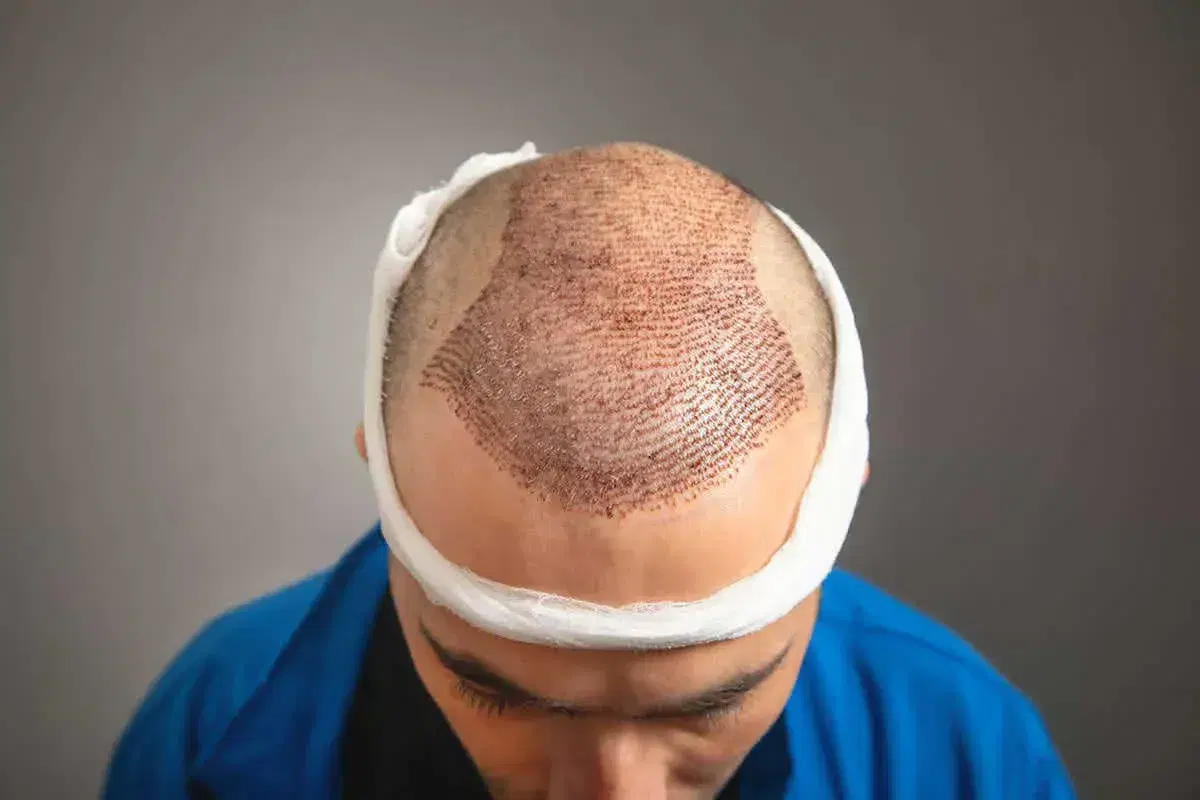
Using mosquito repellent after a hair transplant requires caution because freshly implanted grafts and healing scalp tissue can react to ingredients commonly found in insect sprays and lotions. While mosquito protection remains important during recovery, applying repellent directly to the recipient or donor area should be avoided until the skin has healed sufficiently.
Can You Use Mosquito Repellent After a Hair Transplant?
Mosquito repellents help prevent insect bites, particularly during warm weather or travel to areas where mosquitoes are common. However, the scalp requires special care after hair transplantation because the procedure creates numerous small wounds around the transplanted follicles and within the donor region.
Most insect repellents are developed for application to intact skin rather than recently operated tissue. Ingredients that are generally well tolerated on healthy skin may cause irritation, burning, or discomfort when they come into contact with fresh surgical sites.
During the early recovery period, patients should avoid applying mosquito sprays, creams, or roll-on products directly to transplanted areas. Protection should instead focus on reducing mosquito exposure through environmental measures and applying suitable repellents to unaffected areas of the body.
Why Is the Scalp More Sensitive After Hair Transplant Surgery?
Hair transplantation involves relocating healthy follicles from the donor region into areas affected by hair loss. Techniques such as FUE and DHI require small surgical openings, temporarily disrupting the protective barrier of the scalp.
Following surgery, the recipient area commonly develops mild redness, swelling, and small crusts around the implanted follicles. These changes form part of the normal healing process, but they also mean the skin cannot respond to external substances in the same way as undamaged tissue.
The donor area experiences similar temporary sensitivity because follicular extraction leaves numerous small healing points. Although these openings are generally small, exposure to unsuitable cosmetic or chemical products may aggravate inflammation and delay comfortable recovery.
The first several days are particularly important because newly implanted grafts must remain protected from unnecessary pressure, friction, and accidental contact.
Can Mosquito Repellent Damage Transplanted Hair Grafts?
There is insufficient clinical evidence demonstrating that commonly used mosquito repellents directly destroy transplanted follicles. Nevertheless, applying these products to fresh surgical sites introduces avoidable risks that can interfere with the healing environment.
Alcohol-containing sprays may produce stinging or dryness, while fragrances and other ingredients can trigger irritation in sensitive skin. Aerosol application also creates the possibility of droplets reaching unintended areas, including recently implanted grafts.
The concern is therefore not that every contact with insect repellent causes graft failure. Rather, recently transplanted areas should remain free from unnecessary substances while the scalp repairs its protective barrier.
Rubbing repellent into the skin presents an additional problem because mechanical pressure can disturb healing tissue, particularly during the earliest postoperative period.
Following appropriate hair transplant aftercare instructions helps protect newly implanted follicles while the scalp progresses through the initial healing stages.
Is DEET Safe After a Hair Transplant?
DEET is one of the most widely used active ingredients in insect repellents. When applied according to product instructions, it provides effective protection against mosquitoes and other biting insects.
However, DEET-containing products should not be applied to cuts, open wounds, or irritated skin. This restriction makes direct application to a recently transplanted scalp inappropriate, even when the product is considered safe for ordinary use.
DEET may also cause temporary skin irritation in sensitive individuals, particularly when excessive quantities are applied. Higher concentrations generally provide longer-lasting protection rather than necessarily stronger immediate repellency.
Patients can usually protect unaffected areas, such as their arms and legs, using an appropriately labeled repellent. Care should be taken to prevent overspray from reaching the scalp, and hands should be washed after application before handling the head or hair.
Can You Use Picaridin or Other Insect Repellents?
Picaridin is another established mosquito-repellent ingredient commonly available in sprays, lotions, and other topical formulations. It can provide effective protection and is often chosen by people who prefer an alternative to DEET.
However, picaridin should not be applied to open wounds or irritated skin. A product being less noticeable in smell or texture does not make it appropriate for freshly implanted hair follicles.
Other repellent ingredients include IR3535 and oil of lemon eucalyptus formulations containing PMD. These products have different characteristics, but none should be assumed suitable for direct application to healing surgical sites.
The condition of the scalp matters more than choosing between popular repellent ingredients. Until the recipient and donor areas have healed, avoiding direct contact remains the safer approach.
Are Natural Mosquito Repellents Safer for a Healing Scalp?
Natural mosquito repellents are frequently marketed as gentle alternatives to conventional insect sprays. Products containing citronella, peppermint, eucalyptus, lavender, or other botanical oils may appear particularly appealing during postoperative recovery.
However, natural origin does not guarantee skin compatibility. Essential oils contain concentrated aromatic compounds that can cause irritation, allergic contact dermatitis, or burning sensations, particularly when applied to damaged skin.
Some homemade mixtures also contain alcohol or other solvents that may aggravate a sensitive scalp. Applying undiluted essential oils directly to transplanted areas can create unnecessary exposure without proven benefits for graft protection.
Natural products should therefore not be treated as automatically safer than conventional repellents. During early healing, physical mosquito protection offers a more appropriate alternative to introducing additional topical substances.
When Can You Apply Mosquito Repellent to Your Scalp After Surgery?
There is no established postoperative day when every mosquito-repellent formulation becomes safe for direct scalp application. The important consideration is whether the recipient and donor areas have completely healed, without open wounds, crusting, or persistent irritation.
First 7 Days After Hair Transplantation
During the first week, the scalp remains particularly sensitive because small surgical wounds are still healing. Redness, swelling, and crust formation are common, and transplanted follicles need protection from friction and unnecessary contact.
Mosquito repellent should not be sprayed, rubbed, or applied directly to either surgical area. Keeping mosquitoes away through screens, suitable clothing, and mosquito nets provides protection without exposing the healing scalp to additional chemicals.
Days 7–14: Continued Scalp Healing
During the second week, crusts often begin separating and superficial skin healing progresses. Although the recipient area may appear more settled, some sections can remain tender or irritated.
The disappearance of visible crusts does not automatically establish that every topical product is suitable. Mosquito repellent should still be kept away from areas showing incomplete healing, and direct scalp application should not resume simply because a particular number of days has passed.
After the Initial Healing Period
Once the skin has fully healed, the risk of irritation from ordinary topical products generally decreases. However, persistent redness, sensitivity, or damaged skin remains a reason to avoid direct application.
Before using a repellent on the scalp, confirm that the specific product is labeled for that use and that normal topical care can safely resume. Repellent should never be applied over remaining wounds or irritated areas.
How to Protect Your Scalp From Mosquitoes Without Repellent
Avoiding direct chemical exposure does not mean leaving the scalp unprotected. Several practical measures can reduce mosquito bites without interfering with postoperative healing.
Use Mosquito Nets While Sleeping
A properly installed mosquito net creates a physical barrier that prevents insects from reaching the sleeping area. This can be particularly helpful when recovering in warm climates or accommodations without effective window screens.
The net should remain suspended above the head without touching the recipient area. Preventing fabric contact is important because newly implanted grafts should not experience unnecessary rubbing during sleep.
Keep Windows and Doors Screened
Window screens help reduce mosquito entry while allowing ventilation. Checking for gaps around doors and damaged screens can substantially improve protection, particularly during evenings when mosquito activity may increase.
Air conditioning can also make indoor environments more comfortable, although cooling alone does not guarantee that mosquitoes will remain outside.
Wear Appropriate Protective Clothing
Long sleeves and lightweight trousers reduce the amount of exposed skin that requires insect repellent. This approach allows patients to protect much of their body while minimizing chemical exposure during recovery.
A loose, breathable hat may provide additional protection after the scalp can tolerate headwear without pressure or friction. Tight caps should be avoided during early healing, and head coverings should never rub against newly implanted grafts.
Can You Use Mosquito Repellent on Your Body After a Hair Transplant?
Using mosquito repellent on unaffected body areas is generally compatible with hair transplant recovery when the product is appropriate for the person and used according to its label.
For example, repellent can be applied to exposed arms or legs while keeping the scalp and surrounding surgical regions free from contact. Sprays should be directed away from the face and head to prevent accidental exposure.
Applying repellent outdoors or in a well-ventilated setting also helps reduce unnecessary inhalation of spray droplets.
After application, washing the hands is particularly important because patients may accidentally touch their hairline, forehead, or donor area throughout the day.
What Happens if a Mosquito Bites the Transplanted Scalp?
A mosquito bite can cause localized itching, redness, and temporary swelling. These reactions generally result from the skin's inflammatory response to substances introduced during the bite.
A bite does not automatically destroy a transplanted follicle or cause permanent hair loss. However, scratching the affected area can damage healing skin, disturb crusts, and potentially increase the risk of secondary infection.
Mosquito bites may also be difficult to distinguish from ordinary postoperative irritation because itching and small red bumps can develop naturally during recovery.
Patients should avoid scratching or squeezing suspicious bumps. Increasing tenderness, spreading redness, discharge, or fever requires medical assessment, particularly when symptoms develop near recent surgical sites.
How to Relieve Mosquito Bite Itching After a Hair Transplant
Managing itching after transplantation requires avoiding actions that could disturb the grafts. Scratching with fingernails, aggressively rubbing the scalp, or applying unfamiliar creams can intensify irritation.
During the first weeks, use only products appropriate for the healing scalp. Hydrocortisone creams, antihistamine gels, essential oils, and other over-the-counter treatments should not be applied to fresh recipient sites without medical guidance.
Cooling the surrounding forehead with a suitable compress may improve comfort, but ice or cold packs should not be pressed directly against newly implanted follicles.
Understanding itching after a hair transplant can also help distinguish ordinary postoperative sensations from irritation that requires additional attention.
What Should You Do if Repellent Accidentally Reaches Your Scalp?
Accidental exposure does not necessarily mean that a hair transplant has been damaged. The appropriate response depends on the product, amount involved, and whether the scalp develops symptoms.
Avoid rubbing or scratching the affected area in an attempt to remove the substance. If cleansing is needed, use the gentle rinsing method permitted by the postoperative care instructions rather than directing high-pressure water onto fresh grafts.
Burning, blistering, increasing redness, or persistent discomfort should prompt medical advice. The product label and ingredient information can help identify substances that may have caused irritation.
Repeated exposure should be prevented by changing the application method or relying on physical mosquito barriers until scalp healing is complete.
Mosquito Protection When Traveling After a Hair Transplant
International hair transplant patients may spend several days recovering in warm destinations where mosquitoes remain active. Accommodation and travel planning can therefore play a useful role in reducing insect exposure.
Choosing rooms with effective window screens or air conditioning, avoiding unnecessary outdoor exposure during periods of heavy mosquito activity, and using properly positioned mosquito nets can reduce the need for topical protection near the head.
In regions where mosquitoes transmit infections, preventing bites becomes especially important. Appropriate repellent use on unaffected skin, protective clothing, and local travel-health precautions provide additional protection without requiring application to newly transplanted areas.
The aim is to maintain effective mosquito prevention while preserving the healing conditions needed for successful postoperative recovery.