
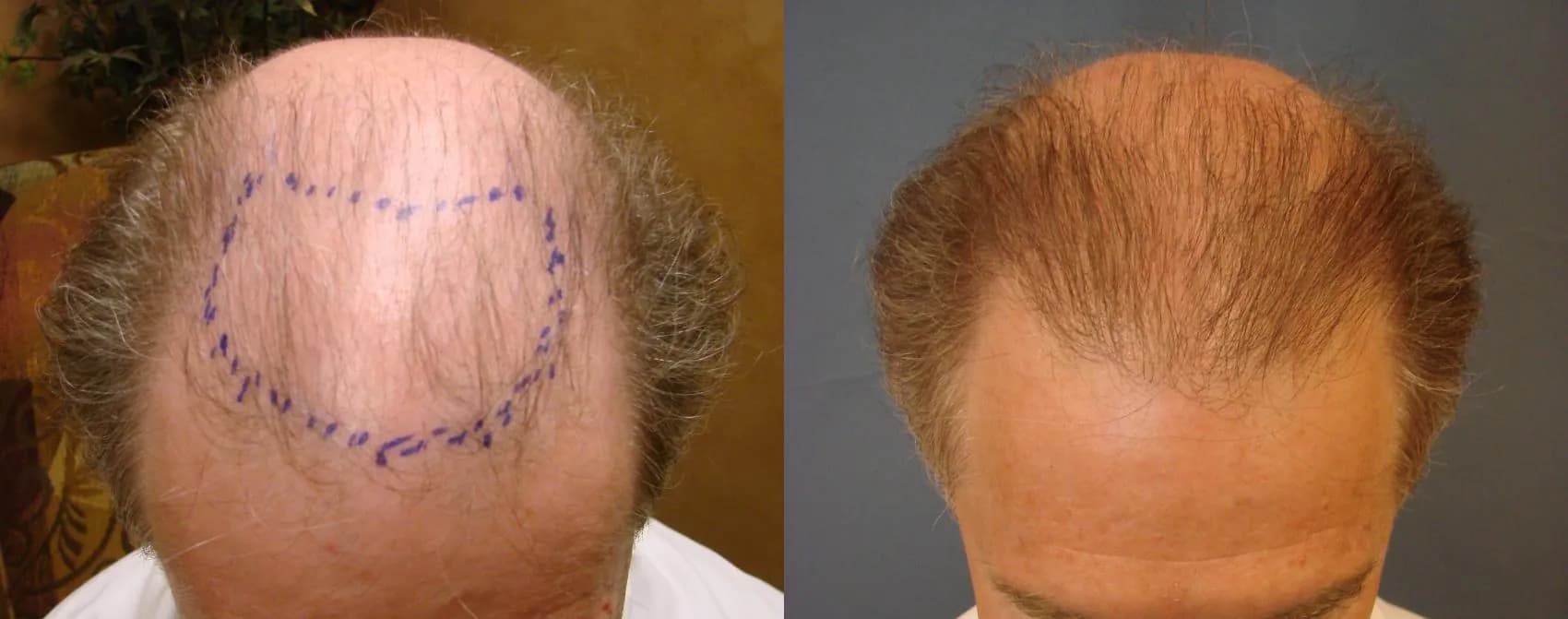
A NeoGraft hair transplant is an automated FUE method that extracts follicles with a motorized, suction-assisted device. It follows the same principles as manual FUE. The difference lies in the tool: a powered handpiece takes over much of the harvesting work.
What Is a NeoGraft Hair Transplant?
NeoGraft is the brand name of an automated follicular unit extraction system. It is not a separate surgical technique. The procedure remains an FUE hair transplant. The device performs the extraction and assists with graft handling.
In a standard FUE procedure, the team removes follicular units one by one from the donor area with a small circular punch. The punch may be manual or motorized. NeoGraft combines a motorized punch with gentle suction, so each graft lifts out of the scalp and travels into a collection chamber.
The term often appears in US clinic marketing, which creates the impression of a unique procedure. In practice, NeoGraft shares the same goal as other FUE approaches. It moves healthy follicles from the back and sides of the scalp to thinning areas.
How the NeoGraft Device Works
The system consists of a handheld unit connected to a console that controls punch rotation and suction pressure. The process has three main stages, and each one affects graft quality.
Motorized Extraction
The surgical team places the punch over a follicular unit in the donor area. The punch rotates and scores the skin around the unit, separating it from the surrounding tissue. The punch diameter usually falls below one millimeter, which keeps each opening small.
Suction-Assisted Graft Handling
Once the punch frees the follicle, controlled suction draws it from the scalp into a sterile chamber. This step reduces the amount of direct handling with forceps. Less handling can lower the risk of crushing or bending the follicle during removal.
Implantation
Some versions of the system include an implanter that places grafts into prepared recipient sites with pressure. Many teams still prefer forceps or implanter pens for placement. Either way, the angle, direction and spacing of each graft define how natural the final hairline looks.
NeoGraft vs Manual FUE
Manual FUE relies on a hand-held punch that the operator rotates or pushes without a motor. Motorized and automated systems like NeoGraft add speed and consistency to repetitive extraction work.
The main differences appear in three areas:
- Extraction speed: A motorized punch can shorten the harvesting phase, especially in sessions with a high graft count.
- Graft handling: Suction moves grafts into a chamber, which reduces manual contact during extraction.
- Operator control: Manual punches give tactile feedback, which some teams value for curly or fragile hair.
Neither approach creates more donor hair. The total number of available grafts depends on donor density, scalp laxity and hair characteristics, not on the device.
NeoGraft vs DHI and Sapphire FUE
Patients often compare NeoGraft with DHI and Sapphire FUE, although these names describe different stages of the procedure.
NeoGraft mainly refers to how follicles leave the donor area. Sapphire FUE refers to the blades that open recipient channels, which allow fine and precise incisions. DHI hair transplant uses an implanter pen that places each graft directly into the scalp without pre-made channels.
For this reason, the comparison is not always one-to-one. A clinic can combine motorized extraction with sapphire channels or implanter pen placement. The overall plan matters more than the brand name of a single device.
Who Is a Good Candidate for a NeoGraft Hair Transplant?
Suitable candidates for NeoGraft are generally the same people who qualify for any FUE procedure. The donor area must hold enough healthy follicles to cover the thinning zones without visible depletion.
Typical candidates include:
- Men with stable androgenetic alopecia and a clear pattern of recession or crown thinning
- Women with localized thinning and a strong donor area
- People who want to keep their hair short and avoid a linear donor scar
- Patients who need eyebrow or beard restoration with a limited number of grafts
Diffuse thinning across the whole scalp, active scalp inflammation or unstable hair loss require assessment before surgery. Ongoing medical treatment may also play a role in protecting native hair around the transplanted area.
What Happens on the Day of the Procedure?
The day begins with hairline planning and photographs. The team marks the recipient zones and confirms the graft target. The donor area is usually trimmed short so the punch can reach each follicular unit clearly.
Local anesthesia numbs the donor area before extraction starts. The motorized device then harvests the grafts, which go into a chilled holding solution. After extraction, the team opens recipient sites or prepares implanter pens and places the grafts according to the plan.
A session commonly lasts six to eight hours, depending on the graft count. Patients stay awake throughout and can take short breaks between stages.
NeoGraft Hair Transplant Recovery Timeline
Recovery after a NeoGraft procedure mirrors the healing process of other FUE methods. Small scabs form around each graft and in the donor openings.
- Days 1 to 3: Mild swelling and tenderness may appear, mainly around the forehead and donor area.
- Days 7 to 10: Scabs loosen and fall away with gentle washing.
- Weeks 2 to 8: Transplanted hair shafts often shed. This shedding is a normal part of the cycle.
- Months 3 to 4: New growth begins, usually fine at first.
- Months 6 to 9: Density and thickness improve noticeably.
- Month 12 and beyond: Most of the result becomes visible, while the crown may keep maturing for several more months.
Most people return to desk work within a few days. Strenuous exercise, swimming and direct sun exposure on the scalp wait until the grafts settle. In South Florida, sun protection deserves extra attention during the first weeks.
Does a NeoGraft Hair Transplant Leave Scars?
NeoGraft does not leave a linear scar, because it does not remove a strip of tissue. Each extraction still creates a tiny circular opening that heals into a small dot.
When the extraction pattern stays evenly spread, these dots blend into the surrounding hair. They may become visible only with very short buzz cuts or after over-harvesting a single zone. Careful donor management keeps the area natural even with short haircuts.
Potential Risks and Limitations
NeoGraft is a surgical procedure and carries the same general risks as other FUE methods. These include temporary swelling, numbness, folliculitis, infection and uneven growth.
Automation also brings specific limitations. A powered punch works quickly, which can lead to over-harvesting if extraction lacks a clear distribution plan. High suction or poor alignment may damage grafts, especially in curly or coarse hair. The device improves workflow, but graft survival still depends on correct punch size, angle and storage conditions.
How Much Does a NeoGraft Hair Transplant Cost?
In the United States, automated FUE procedures are usually priced per graft. The final cost reflects the number of grafts, session length and any supportive treatments such as PRP.
Patients who compare offers should check what the package includes, from follow-up visits to aftercare products. A detailed breakdown is available on the Miami hair transplant prices page.
The Esthetic Hair Miami Approach
At Esthetic Hair Miami, treatment planning starts with the donor area, the pattern of hair loss and the patient's long-term goals. The clinic performs FUE hair transplant, Sapphire FUE and DHI procedures, choosing the method that fits each scalp.
Every plan focuses on natural hairline design, even graft distribution and protection of the donor area for the future. The team also explains each recovery step, from the first wash to the final result.
Frequently Asked Questions
Is NeoGraft the same as FUE?
Yes, NeoGraft is a type of FUE. It uses an automated, suction-assisted device to extract follicles instead of a fully manual punch.
Is NeoGraft better than manual FUE?
NeoGraft can speed up extraction and reduce graft handling. Manual FUE offers more tactile control. The result depends mainly on planning, graft quality and implantation.
Is a NeoGraft hair transplant painful?
Local anesthesia keeps the procedure comfortable. Most patients feel only the initial injections and mild tenderness during the first days of recovery.
How long do NeoGraft results last?
Transplanted follicles come from areas resistant to hereditary hair loss, so they usually keep growing long term. Native hair around them may still thin over time.
Can NeoGraft be used for beard or eyebrow restoration?
Yes, automated FUE can harvest grafts for beard and eyebrow procedures. These areas need fine single-hair grafts and precise angle control during placement.
Final Thoughts on NeoGraft Hair Transplant
A NeoGraft hair transplant is an automated version of FUE, not a separate technique. The device brings speed and less manual handling to graft extraction, while the core principles of hair restoration stay the same.
Donor assessment, extraction pattern, recipient site design and graft placement shape the final outcome. Understanding these steps helps patients look beyond device names and focus on a plan that delivers natural, lasting density.