
Can Thailand's Hot Climate Cause Hair Loss?
Thailand's hot climate does not usually cause permanent follicle-level hair loss, but heat, humidity, sweat, and intense sunlight can affect the scalp and hair shaft. Thailand experiences warm, humid conditions through much of the year, with particularly high humidity in southern and coastal regions.
These conditions can increase scalp discomfort, oiliness, tangling, frizz, dryness, and hair breakage. The hair may consequently appear thinner even when follicles continue producing normally.
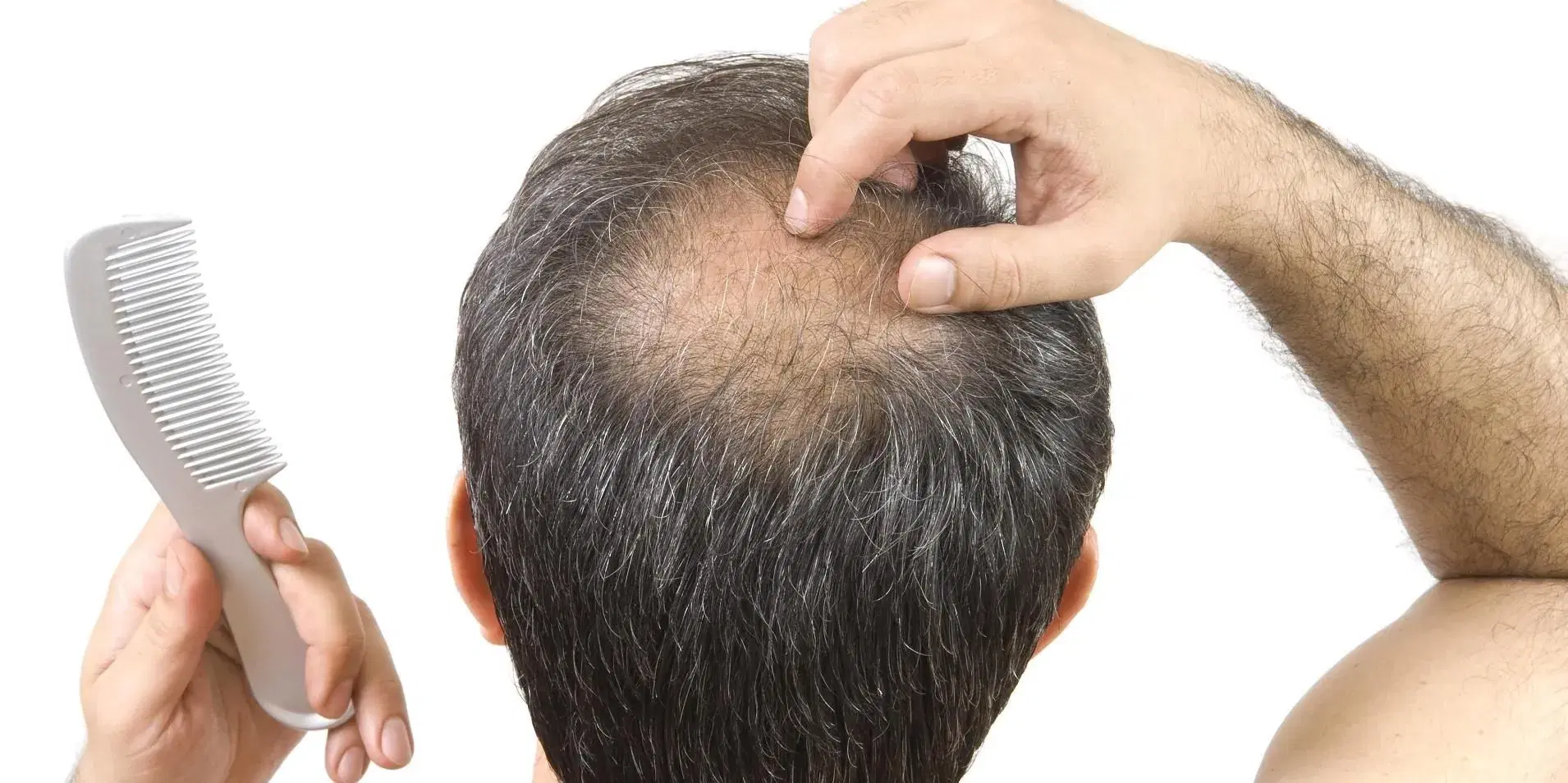
Progressive temple recession, crown thinning, or widening of the part usually suggests a follicular condition rather than climate damage alone.
Does Hot Weather Make Hair Fall Out More?
Hot weather does not directly make healthy follicles stop growing, although it can increase the amount of hair people notice during washing and grooming. Higher temperatures encourage sweating, more frequent shampooing, swimming, and repeated handling, which can expose fragile strands to additional mechanical stress.
Heat can also make existing scalp irritation feel more noticeable. Someone who scratches or washes aggressively may break more hairs near the scalp.
True shedding occurs when complete hairs leave their follicles, while climate-related damage often produces broken strands. Distinguishing these processes matters because visible hair in the shower does not always represent increased follicular loss.
Can Thailand's Humidity Affect Hair Shedding?
Thailand's humidity affects hair texture and scalp comfort more directly than it affects the biological shedding cycle. Moist air causes hair fibers to absorb water, swell, change shape, and develop greater frizz, particularly in porous or chemically treated hair.
Repeated swelling and drying can make damaged strands harder to manage. Additional brushing, straightening, or heat styling then increases mechanical stress and breakage.
Thailand's southern regions commonly maintain particularly high relative humidity, while inland areas can become somewhat less humid during hotter periods.
Humidity may therefore change hair behavior significantly without directly creating permanent follicular thinning.
Can Seasonal Changes in Thailand Increase Hair Shedding?
Seasonal changes may influence human hair shedding, but Thailand's hot weather cannot be considered the sole cause of seasonal hair fall. Human studies have identified annual variation in the hair cycle, including periods with a greater proportion of resting hairs.
Thailand's seasons differ from temperate climates because temperature remains relatively warm while rainfall, humidity, and sunlight patterns change. These environmental shifts may influence how noticeable shedding becomes.
Temporary seasonal shedding should eventually settle. Hair loss that continues for several months or produces visible recession deserves consideration of other causes regardless of the season.
Does Sweating Cause Hair Loss in Thailand?
Sweating does not normally cause permanent hair loss because perspiration does not destroy healthy hair follicles. Thailand's heat can nevertheless increase sweat accumulation around the scalp, particularly during outdoor activity or humid weather.
Sweat mixes with sebum, styling products, sunscreen, and environmental residue. The scalp may then feel greasy, itchy, or uncomfortable sooner than usual.
People often respond by scratching, brushing, or washing more aggressively, which can increase shaft breakage. Heavy sweating can therefore influence hair condition indirectly, but persistent root-level shedding requires a broader explanation than perspiration alone.
Can Heavy Sweating Irritate the Scalp?
Heavy sweating can irritate the scalp when moisture, salts, sebum, and product residue remain against the skin for extended periods. Thailand's humid environment can slow evaporation, so the scalp may remain damp longer after exercise or outdoor activity.
Sensitive skin can respond with itching, tenderness, or a sticky sensation. Scratching then increases mechanical irritation and may break fragile strands.
Regular gentle cleansing can remove sweat without repeatedly stripping the scalp. Persistent redness, thick scaling, painful bumps, crusting, or strong itching suggests an underlying scalp condition rather than ordinary sweating and deserves separate evaluation.
Does Thailand's Heat Make the Scalp Oilier?
Thailand's heat can make the scalp feel oilier because increased sweating spreads natural sebum across the roots more quickly. This does not necessarily mean the sebaceous glands dramatically increase oil production simply because the temperature rises.
Humidity slows evaporation and can make the mixture of sweat and sebum remain noticeable for longer. Fine, straight hair may appear greasy especially quickly because oil travels easily along the shaft.
Frequent cleansing can help when roots become uncomfortable, but harsh shampoos may create irritation without controlling the underlying sensation. Gentle washing works better than trying to remove every trace of natural oil.
Can Strong Sun Exposure Damage Hair in Thailand?
Strong sun exposure can damage existing hair fibers by affecting proteins, pigments, surface structure, and mechanical strength. Repeated solar radiation can make strands rougher, drier, less shiny, and more vulnerable to breakage over time.
Thailand's outdoor lifestyle and strong tropical sunlight can make this weathering particularly relevant for people who spend long periods outside. The effect concerns exposed hair shafts more directly than follicles beneath the skin.
Sun-damaged hair may fade, tangle, or snap more easily. Physical shade can reduce repeated exposure while protecting the scalp skin at the same time.
Can UV Exposure Cause Hair Breakage?
Ultraviolet exposure can contribute to hair breakage because radiation gradually weakens structural proteins and damages the protective surface of the hair shaft. Research on hair photodamage has documented protein degradation, pigment changes, surface roughness, and reduced structural integrity after repeated exposure.
Older hair ends show damage more clearly because they have experienced sunlight, brushing, washing, and styling for much longer than new growth.
Bleached, dyed, or chemically processed strands may become fragile sooner. UV-related breakage can therefore reduce apparent density without causing genetic baldness or permanent destruction of follicles.
Does Thailand's Monsoon Season Affect Hair Health?
Thailand's monsoon season can change hair behavior through increased humidity, frequent rain exposure, sweating, and longer periods of scalp dampness. The rainy season generally affects much of the country from around mid-May into October, although regional rainfall patterns differ.
Hair may become frizzier, more tangled, or harder to dry completely during humid periods. People may also wash more often after commuting through rain or spending time outdoors.
These changes mainly influence the hair shaft and scalp environment. The monsoon itself does not directly cause permanent follicular hair loss.
Can Bangkok's Heat Affect the Scalp?
Bangkok's heat can make scalp oiliness, sweating, itching, and product buildup more noticeable, especially during long periods outdoors. The combination of heat and humidity can leave the scalp damp while natural oil spreads more easily through the roots.
Frequent commuting, helmets, hats, and air-conditioned indoor environments can add repeated changes in temperature and moisture. Hair may therefore alternate between humid outdoor conditions and dry indoor air several times each day.
These environmental changes can affect comfort and texture, but they do not normally produce progressive baldness. Persistent thinning still requires attention to follicular causes.
Can Thailand's Coastal Climate Damage Hair?
Thailand's coastal climate can increase hair weathering through humidity, strong sunlight, salt water, sweating, and repeated washing. Southern coastal areas also maintain higher average humidity than many inland regions.
These factors can work together rather than causing damage independently. Sun weakens exposed strands, while salt water and frequent washing can make dry hair feel rougher and more difficult to detangle.
The result may include split ends, tangling, fading, and breakage. Follicles beneath the scalp generally remain unaffected by ordinary coastal exposure, so hair loss from the root usually needs another explanation.
Can Sea Water Increase Hair Breakage?
Sea water can increase breakage when repeated salt exposure leaves hair dry, stiff, tangled, and harder to comb. After seawater evaporates, salt residue can remain on strands and increase the rough feeling of the hair surface.
Beach conditions also combine salt with strong sun, wind, and repeated wetting. Together, these factors create more mechanical stress than sea water alone.
Long, bleached, curly, or chemically processed hair may become vulnerable sooner. Rinsing with fresh water after swimming and conditioning the hair helps reduce residue and improves flexibility before detangling.
Can Swimming Pool Chlorine Affect Hair in Thailand?
Frequent swimming in chlorinated pools can make hair feel drier, rougher, and more vulnerable to breakage, particularly when swimming accompanies strong sun exposure. Chlorinated water can remove some protective surface lipids and worsen dryness in already processed hair.
Bleached or colored strands often show texture and fading changes sooner because their cuticle structure already carries chemical damage. Repeated pool use can then make tangling more difficult to manage.
Practical protection focuses on reducing cumulative exposure:
Wet hair with fresh water before swimming
Rinse thoroughly after leaving the pool
Condition hair regularly
Detangle wet hair gently
Limit unnecessary heat styling afterward
Protect hair from prolonged direct sun
Can Frequent Washing in Thailand Cause Hair Loss?
Frequent washing does not normally cause follicular hair loss when shampooing remains gentle and appropriate for scalp needs. People living in Thailand may wash more often because sweat, humidity, pollution, and oil accumulation make the scalp feel uncomfortable sooner.
Hairs released during shampooing often entered the shedding phase before the shower. Washing simply makes them easier to notice.
Problems arise when frequent cleansing involves very hot water, aggressive scratching, strong shampoos, or rough towel drying. These habits can increase dryness and breakage, especially in long, curly, bleached, or already fragile hair.
Does Wearing a Hat in Thailand Cause Hair Loss?
Wearing a normal, comfortably fitted hat in Thailand does not usually cause hair loss because hair follicles receive oxygen and nutrients through their blood supply. A hat does not suffocate follicles simply by covering the scalp.
In fact, a brimmed hat can reduce direct sunlight reaching the hair and scalp. Problems become more likely when a hat fits tightly, repeatedly rubs the same hairline, or remains damp with sweat for long periods.
Regular washing of frequently worn hats also improves scalp comfort. Friction and pulling matter more for hair health than ordinary hat use itself.
Can Air Conditioning Affect Hair and Scalp Dryness?
Air conditioning can contribute to hair and scalp dryness when people spend long periods in low-humidity indoor environments after exposure to Thailand's humid outdoor air. These repeated moisture changes can alter how the hair shaft feels and behaves.
Dry indoor air may make already damaged ends rougher, while outdoor humidity can make the same strands swell and frizz. Repeated transitions can therefore increase styling demands.
Air conditioning does not directly cause follicular hair loss. When dryness becomes noticeable, gentler washing, regular conditioning, and reduced heat styling usually address the hair-shaft problem more logically than treating it as baldness.
How Can You Tell Climate-Related Breakage From Hair Loss?
Climate-related breakage usually creates short, uneven strands and rough ends, while true shedding releases complete hairs from follicles and gradually changes scalp density. The distinction becomes easier when the overall pattern is examined rather than counting individual hairs.
Broken hairs often appear at different lengths, especially around weathered ends or heavily styled areas. Follicular thinning can widen the part, expose the crown, or progressively change the frontal hairline.
Both processes can occur simultaneously. A person may have sun-related breakage while also developing genetic hair loss, so improvement in hair texture does not automatically resolve underlying thinning.
When Is Hair Loss Unlikely to Be Caused by Thailand's Climate?
Hair loss is unlikely to come mainly from Thailand's climate when it follows a progressive pattern, continues throughout different seasons, or visibly changes the hairline or crown. Temple recession and patterned crown thinning more strongly suggest androgenetic hair loss.
Diffuse shedding can also follow illness, major stress, rapid weight loss, thyroid dysfunction, nutritional deficiency, childbirth, or medication changes. These causes remain relevant regardless of temperature or humidity.
Thailand's climate may make fragile hair look worse at the same time, but persistent root-level shedding should not automatically be blamed on tropical weather.
How Can You Protect Your Hair in Thailand's Hot Climate?
Protecting hair in Thailand's hot climate requires managing sweat, humidity, sunlight, salt, chlorine, and mechanical stress without over-cleansing the scalp. The objective is to preserve the hair shaft while keeping the scalp comfortable.
Gentle shampooing can remove sweat and oil when needed, while regular conditioning reduces tangling and friction. Shade or a comfortable hat helps limit repeated ultraviolet exposure during prolonged outdoor activity.
Fresh-water rinsing after swimming also reduces salt and chlorine residue. Most importantly, progressive thinning should be separated from environmental damage because climate-focused hair care cannot treat a follicular hair-loss condition.