
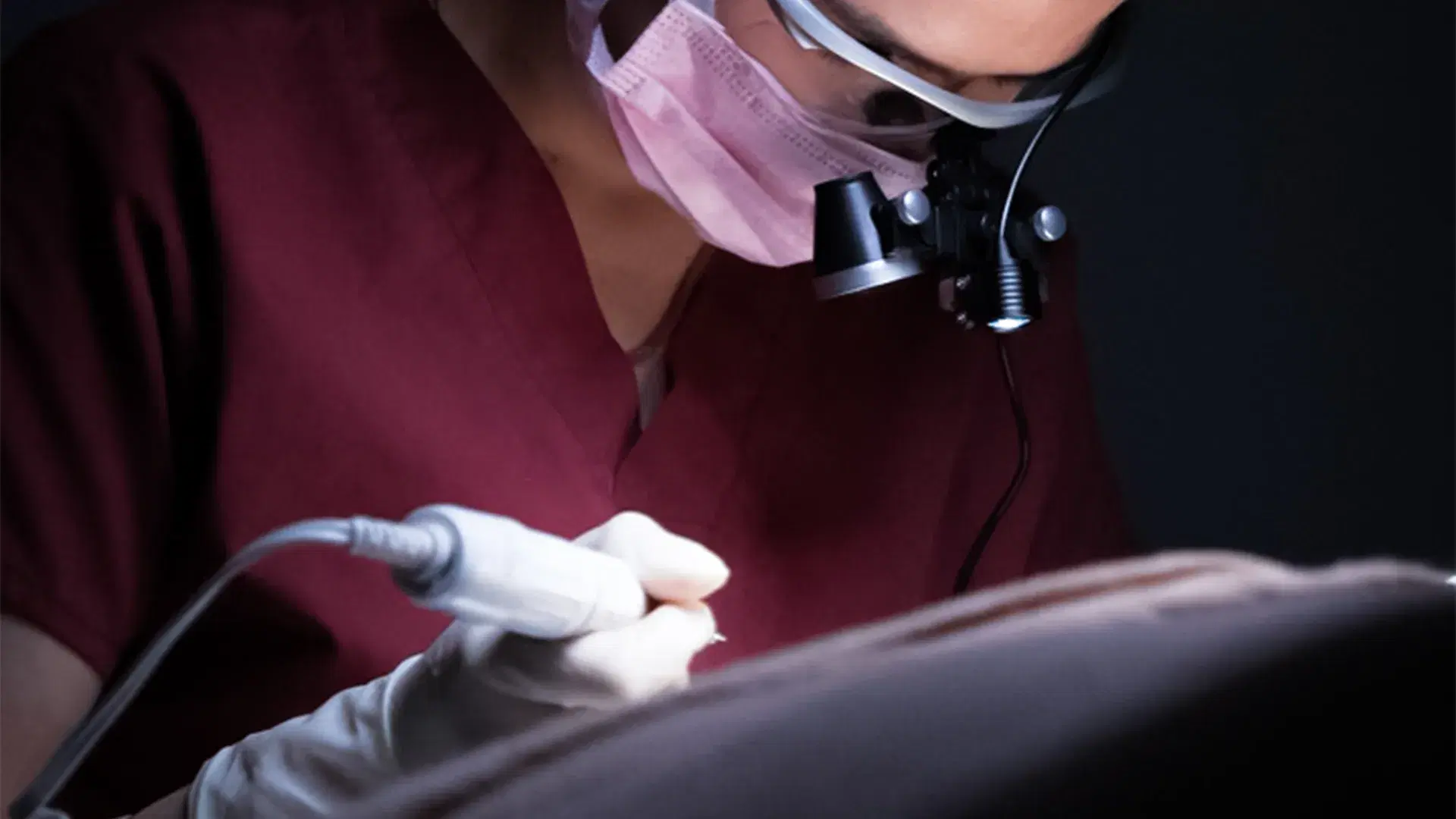

A hair transplant with high blood pressure is generally safe when the condition is well controlled. Stable readings, regular medication and a careful pre-operative assessment allow most people with hypertension to undergo FUE or DHI without added problems. Uncontrolled or very high blood pressure is the main reason to postpone the procedure.
Can People With High Blood Pressure Have a Hair Transplant?
Yes, hypertension on its own does not rule out hair restoration. It is one of the most common conditions among adult patients, and many of them already manage it with daily medication.
A hair transplant is a minimally invasive procedure performed under local anesthesia. It does not involve general anesthesia, large incisions or a hospital stay. For this reason, the strain on the cardiovascular system stays far lower than in major surgery.
The key question is not whether a patient has high blood pressure. It is whether that blood pressure is under control in the weeks before the procedure and on the day itself.
Why Blood Pressure Matters During Hair Transplant Surgery
Blood pressure affects how the scalp bleeds and how the body responds to anesthesia. Both play a direct role in comfort and graft quality.
Bleeding and Graft Placement
The scalp has a rich blood supply. When pressure runs high, the recipient channels bleed more during the session. Extra bleeding makes it harder to see each channel clearly and can push grafts out shortly after placement.
Steady pressure keeps the field cleaner, which supports precise implantation and better graft survival.
Local Anesthesia and Adrenaline
The anesthetic solution used in hair transplantation usually contains a small amount of adrenaline. Adrenaline narrows blood vessels and reduces bleeding, but it can also raise heart rate and blood pressure for a short time.
In patients with controlled hypertension, this effect stays mild and manageable. Monitoring throughout the session allows the team to adjust the pace and the amount of anesthetic when needed.
Anxiety on the Day of Surgery
Nervousness alone can raise blood pressure, a pattern often called white coat hypertension. A calm environment, clear explanations and short breaks during a long session help keep readings stable.
What Blood Pressure Level Is Considered Safe?
Readings that sit within the range of a patient's usual treated values are generally acceptable for hair transplant surgery. Many patients with well-managed hypertension arrive with readings below 140/90 mmHg.
Moderately elevated readings on the morning of surgery often settle after rest and reassurance. Very high values, such as 180/110 mmHg or above, usually lead to postponement of any elective procedure. The same applies to symptoms like chest pain, severe headache or shortness of breath.
Blood Pressure Medication Before a Hair Transplant
Most blood pressure medications continue as usual before and after a hair transplant. Stopping them suddenly can cause a rebound rise in pressure, which is exactly what the surgical team wants to avoid.
A complete medication list should be shared during the pre-operative consultation. This list should include doses and timing, especially for the following groups:
- Beta blockers and calcium channel blockers: These usually continue on the morning of surgery with a small sip of water.
- ACE inhibitors and ARBs: These are commonly continued as well, with timing confirmed in advance.
- Diuretics: The morning dose may need planning, since a long session limits bathroom breaks.
- Aspirin and blood thinners: These need a specific plan, because they increase bleeding. They should never be stopped without guidance from the prescribing physician.
The pre-hair transplantation guide covers the general preparation steps, from blood tests to what to avoid in the days before surgery.
Hair Loss Treatments and Blood Pressure
Some hair loss medications have a link to blood pressure, which makes them worth discussing during planning.
Minoxidil was first developed as an oral blood pressure drug. Topical minoxidil has a very small effect on circulation, but some users notice dizziness or a faster heartbeat. Low-dose oral minoxidil has a stronger effect and may interact with existing blood pressure medication.
Finasteride and dutasteride do not affect blood pressure in a meaningful way. Patients who use any of these treatments should mention them before the procedure, together with the dose.
Common Products That Can Raise Blood Pressure
Several everyday products can push readings up in the days around surgery. They are easy to overlook, especially while traveling.
- Decongestant cold and flu tablets containing pseudoephedrine
- Ibuprofen and naproxen, which can also increase bleeding
- Energy drinks, strong coffee and pre-workout supplements
- High-salt meals and alcohol
- Nicotine from cigarettes or vaping
Limiting these products for at least a few days before the procedure helps keep pressure steady and supports healing.
How Hypertension Is Managed on the Day of the Procedure
Patients with high blood pressure follow the same steps as other patients, with closer monitoring at each stage. The hair transplant operation steps page explains the full sequence of the day.
Blood pressure and heart rate are checked on arrival and again before anesthesia. Monitoring continues during extraction and implantation. If readings climb, the team pauses, allows rest and adjusts the anesthetic approach before continuing.
Large sessions may be planned with extra breaks. In some cases, splitting a very high graft count into two sessions reduces the total load on the body.
Recovery With High Blood Pressure
Recovery after an FUE hair transplant follows the same timeline for patients with hypertension. Small scabs form around the grafts and usually fall away within ten days.
A few points need extra attention in the first week:
- Keep taking regular medication: Missing doses can cause bleeding or increased swelling.
- Choose acetaminophen for pain: It relieves discomfort without raising blood pressure or affecting clotting.
- Sleep with the head elevated: This limits swelling on the forehead and around the eyes.
- Avoid heavy lifting and intense exercise: Physical strain raises pressure in the scalp and can trigger bleeding.
- Check readings at home: A home monitor helps confirm that values stay in the usual range.
Traveling to Thailand With High Blood Pressure
Many patients fly to Thailand from Australia, Europe or the Middle East. Long flights, time zone changes and tropical heat can all affect blood pressure in the days before surgery.
Carrying enough medication for the full trip, plus a few extra days, prevents missed doses. Medication should stay in hand luggage and in its original packaging. Arriving at least one day before the procedure gives the body time to recover from the flight.
Heat and humidity in Phuket cause fluid loss through sweating. Steady water intake, limited alcohol and shade during the hottest hours help keep readings stable.
When Should a Hair Transplant Be Postponed?
Postponing is the safer choice in a few specific situations:
- Blood pressure that remains very high after rest
- A recent diagnosis with treatment that has not yet stabilized
- Recent changes to medication or dose
- Chest pain, palpitations, severe headache or vision changes
- A recent heart attack, stroke or other cardiovascular event
A short delay to stabilize blood pressure protects both the patient and the final result. The grafts and donor area remain available once the condition is under control.
Hair Transplant With High Blood Pressure at Esthetic Hair Thailand
At Esthetic Hair Thailand, the Phuket team reviews each patient's medical history before confirming the procedure date. Current blood pressure readings, medication lists and recent test results form part of this review.
On the day of surgery, monitoring continues from arrival to the final graft placement. Patients leave with clear aftercare instructions covering medication, sleeping position, washing and safe painkillers.
Frequently Asked Questions
Can I get a hair transplant if I take blood pressure medication?
Yes, taking blood pressure medication does not prevent a hair transplant. Controlled hypertension is common among patients, and most medications continue as usual.
Should I take my blood pressure pills on the day of surgery?
In most cases, yes. Regular blood pressure medication is usually taken on the morning of the procedure, unless the pre-operative plan states otherwise.
Does a hair transplant raise blood pressure?
The procedure can cause a mild, temporary rise due to anxiety and the adrenaline in local anesthesia. Readings usually return to normal soon after the session.
Can I use minoxidil if I have high blood pressure?
Topical minoxidil is generally well tolerated, but dizziness or a fast heartbeat should be reported. Oral minoxidil needs closer review because it lowers blood pressure.
Which painkiller is safest after a hair transplant with hypertension?
Acetaminophen is the preferred option. Ibuprofen and naproxen can raise blood pressure and increase bleeding during early recovery.
Final Thoughts on Hair Transplant With High Blood Pressure
High blood pressure does not prevent a successful hair transplant when it is well controlled. Stable readings, continued medication and close monitoring during the session keep the procedure safe and comfortable.
Careful preparation makes the biggest difference. Sharing a full medication list, avoiding products that raise blood pressure and following aftercare instructions protect both general health and the transplanted grafts.