
What Is a Choi Implanter Pen?
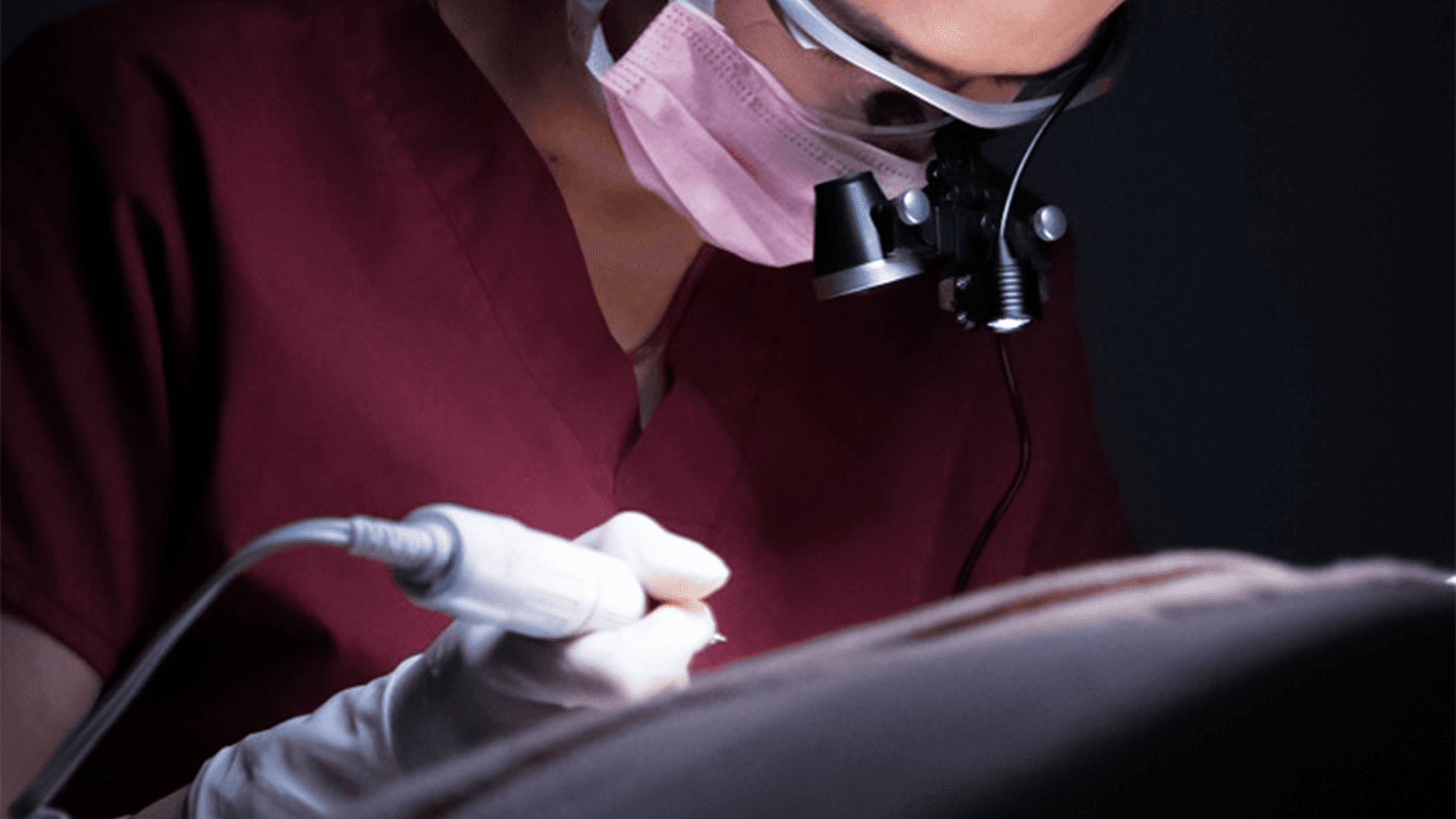
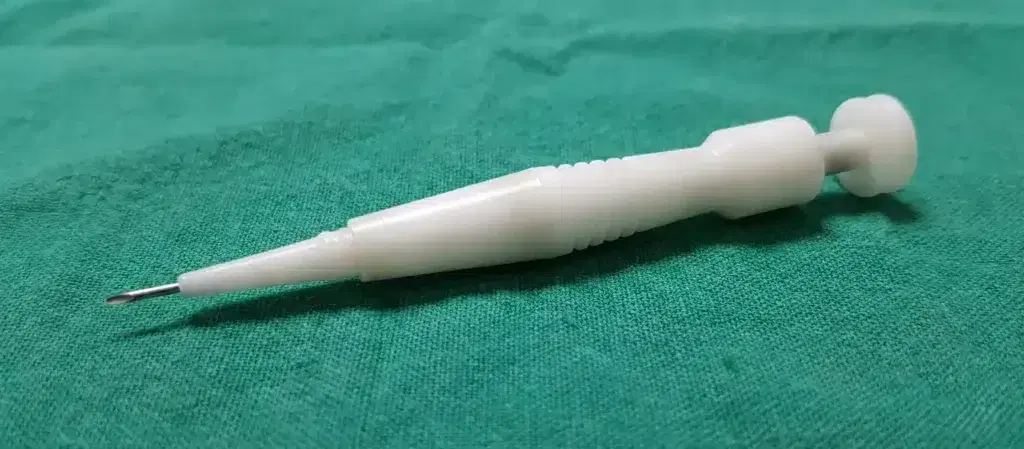
A Choi implanter pen is a handheld hair-transplant instrument designed to place individual follicular grafts directly into the recipient scalp. It uses a hollow needle connected to a pen-shaped body that holds the graft before implantation.
The follicular unit is loaded into the tip, positioned over the planned recipient area, and inserted with controlled pressure. A plunger then releases the graft while the needle is withdrawn.
The device mainly changes how grafts enter the recipient area. It does not extract follicles from the donor zone, and it does not create new hair follicles by itself.
How Does the Choi Pen Work?
The Choi pen works by holding a follicular graft inside a hollow needle and delivering it into the scalp at a planned angle and depth. The needle enters the recipient tissue while the graft remains protected inside the device.
Once the tip reaches the intended position, the operator activates the plunger and releases the graft into the newly created site.
The process combines site creation and implantation in one movement rather than opening every recipient channel beforehand. That difference changes the workflow considerably, especially when multiple pens are prepared and loaded continuously during a large session.
Why Is the Choi Pen Used in Hair Transplantation?
The Choi pen is used to provide direct control over where each graft is placed and how it enters the scalp. It can help manage angle, direction, spacing, and depth during the implantation stage.
Its main functions include:
Creating the recipient opening during placement
Holding the graft inside a hollow needle
Controlling implantation direction
Supporting consistent depth
Placing grafts between existing hairs
Reducing some manual handling steps
Allowing rapid switching between prepared pens
The device does not replace good surgical planning. Hairline design, donor quality, graft selection, and correct distribution still determine the final appearance.
Is the Choi Pen the Same as DHI?
The Choi pen is commonly associated with DHI, but the device and the broader implantation concept should not be treated as exactly the same thing. DHI generally refers to direct implantation using implanter devices rather than one specific pen model.
A hair transplant may use FUE extraction and then Choi-style implanter pens for graft placement. In that situation, FUE describes harvesting while the pen describes implantation.
This distinction matters because marketing language can make techniques sound more different than they really are. The biological success of the graft still depends on extraction quality, storage, handling, and placement.
How Are Grafts Loaded Into a Choi Pen?
Grafts are loaded into a Choi pen by placing the follicular unit carefully into the hollow needle without crushing or bending the delicate root structure. The hair shaft usually helps guide the graft into the correct orientation.
This step requires precision because excessive pressure can damage the follicle. The loader must also match the graft size to the internal diameter of the needle.
During larger procedures, several pens may be prepared at the same time so implantation can continue smoothly. Good coordination between graft loaders and the person implanting helps reduce unnecessary delay and repeated manipulation.
How Is a Graft Implanted With a Choi Pen?
A graft is implanted by positioning the Choi pen over the recipient area, inserting the needle at the planned angle, and releasing the follicle with the plunger. The needle is then withdrawn while the graft remains inside the scalp.
The operator needs to coordinate hand pressure, direction, and depth during each placement. A small change in wrist position can alter the way the emerging hair eventually lies.
The procedure therefore involves more than pressing a device into the skin. Repeated accurate movements are needed to create a consistent pattern across hundreds or thousands of recipient sites.
Does the Choi Pen Control Hair Angle and Direction?
The Choi pen can help control the angle and direction of each implanted graft because the needle enters the scalp along the intended growth path. This is especially important along the frontal hairline and temples.
Natural scalp hair does not grow vertically in every region. Frontal hairs often emerge at relatively low angles, while crown hairs follow a spiral pattern.
A pen gives the operator direct control during placement, but the device cannot choose the correct angle automatically. The final direction still depends on understanding local hair anatomy and reproducing the surrounding growth pattern accurately.
Can the Choi Pen Control Implantation Depth?
The Choi pen can help standardize implantation depth because the needle enters the scalp to a controlled level before the graft is released. Correct depth helps prevent grafts from sitting too high or being buried too deeply.
A shallow graft may protrude or heal poorly, while excessive depth can alter orientation and create unnecessary tissue trauma.
Depth also needs to match graft length and recipient anatomy. The pen offers mechanical control, but consistent placement still depends on technique. The best result comes from combining an appropriate needle size with careful hand pressure and repeated depth awareness.
What Is the Difference Between Choi Pen Implantation and Pre-Made Channels?
Choi pen implantation usually creates the recipient opening and places the graft in one movement, while pre-made channel techniques open recipient sites before graft insertion. Both methods can produce natural results when performed correctly.
With pre-made channels, the angle, density, and direction are largely established during channel creation. Grafts are then inserted into those prepared sites.
With a Choi pen, more of those decisions happen during each individual implantation. This offers flexibility but also demands consistent technique throughout the session.
The difference is therefore mainly workflow and implantation control rather than one method being universally superior.
Can the Choi Pen Reduce Graft Handling?
The Choi pen can reduce some stages of manual graft handling because the follicle is loaded into the device and then delivered directly into the recipient tissue. Fewer transfers may help limit unnecessary contact.
However, the loading step itself still involves manipulation. Poor loading technique can compress the bulb, bend the follicle, or place the graft incorrectly inside the needle.
The practical advantage depends on how efficiently the team works. A well-organized process can keep graft handling controlled, while rushed loading can cancel that benefit.
The device should therefore be viewed as a tool that supports careful handling rather than automatically guaranteeing it.
Is the Choi Pen Useful Between Existing Hairs?
The Choi pen can be useful when placing grafts between existing hairs because implantation can occur without opening a large group of channels beforehand. This allows individual placement around native follicles.
The approach can be especially helpful in thinning areas where some original hair remains. Precise placement helps reduce unnecessary contact with nearby shafts and allows density to be built gradually.
Even so, existing follicles can still be vulnerable to trauma if placement is too aggressive. The operator must understand hair direction beneath the surface and avoid unnecessary injury to native roots while creating new recipient sites.
Can the Choi Pen Be Used for Hairline Design?
The Choi pen can be used for hairline implantation because it offers direct control over angle, spacing, and the placement of individual single-hair grafts. These details strongly influence whether the frontal edge looks natural.
Single follicular units are usually preferred at the leading edge because natural hairlines contain finer, less dense hairs before the fuller zone behind them.
The pen can help create small irregularities instead of a perfectly straight border. However, the device does not design the hairline itself.
Facial proportions, age, donor supply, and expected future hair loss must be considered before implantation begins.
Does the Choi Pen Increase Hair Density?
The Choi pen can support controlled dense placement, but it does not automatically create higher final density. The number of viable grafts and available recipient space still limit how much hair can be implanted safely.
Several factors determine visible density:
Number of grafts
Number of hairs per graft
Hair shaft thickness
Curl pattern
Existing native hair
Spacing between grafts
Graft survival
Recipient blood supply
Placing grafts too closely can increase tissue trauma without guaranteeing better growth. Effective density comes from balancing coverage and follicular survival rather than simply maximizing the number of implantation points.
What Size Choi Pen Is Used for Different Grafts?
Different Choi pen needle sizes can be selected according to graft thickness, number of hairs, and follicular structure. A single-hair graft usually requires less internal space than a larger multi-hair follicular unit.
Using a needle that is too narrow can compress the graft during loading. A needle that is unnecessarily large may create a wider recipient opening than needed.
The correct size should hold the follicle securely without excessive pressure. Curved or bulky grafts may also require more space.
Matching needle diameter to graft anatomy helps make loading smoother and reduces avoidable mechanical stress.
Can the Choi Pen Damage a Graft?
A Choi pen can damage a graft if the follicle is forced into the needle, compressed during loading, bent excessively, or released with poor technique. The instrument itself is not harmful when used correctly.
Most risk comes from mechanical handling rather than from the concept of direct implantation. Follicular bulbs and surrounding tissue are delicate and can be injured by forceful manipulation.
The main concerns include:
Crushing during loading
Excessive bending
Wrong needle size
Incorrect graft orientation
Deep insertion
Repeated manipulation
Prolonged time outside the scalp
Careful loading and smooth implantation reduce these risks significantly.
Does Choi Pen Implantation Take Longer?
Choi pen implantation can take considerable time because each graft must be loaded into a device and placed individually. The process can become slower when only a small number of pens are available or loading is inefficient.
Large sessions often use several pens in rotation. While one graft is being implanted, other pens can be prepared for the next placements.
This team-based workflow can reduce delays and maintain a steady pace. Still, speed should not become the main goal.
Accurate direction, safe loading, and consistent depth matter more than finishing the implantation stage as quickly as possible.
Is the Choi Pen Suitable for Curly or Afro-Textured Hair?
The Choi pen can be used with curly or Afro-textured hair, but curved follicular anatomy can make graft loading and placement more demanding. The follicle beneath the skin may not follow a straight path.
Larger or more curved grafts may require careful needle selection to prevent compression or distortion. The visible curl of the shaft also needs to be considered when planning direction.
The implantation device does not remove the extraction challenges associated with curved follicles. Safe harvesting remains a separate issue.
Once grafts are extracted intact, careful loading and placement can support natural integration with the existing curl pattern.
Can FUE Extraction Be Combined With Choi Pen Implantation?
FUE extraction can be combined with Choi pen implantation because the two techniques address different stages of the same hair transplant. FUE removes grafts from the donor area, while the pen places them into the recipient area.
This combination is common in procedures described as DHI hair transplantation. The grafts are first harvested individually and then prepared for direct implantation.
Understanding this distinction prevents confusion about technique names. A procedure can use FUE and Choi implanters at the same time without contradiction.
Extraction quality remains just as important as implantation quality because damaged grafts cannot be rescued by the placement device.
What Are the Main Advantages and Limitations of the Choi Pen?
The Choi pen offers precise implantation control, but its benefits depend on correct graft loading, needle selection, and consistent handling throughout the session.
Its main advantages include:
Direct control of angle and direction
Controlled implantation depth
Useful placement between native hairs
Efficient use of single-hair grafts at the hairline
Reduced need for pre-made channels
Flexible graft-by-graft positioning
Its limitations include slower loading, technical sensitivity, potential graft compression, and the need for coordinated teamwork.
The pen is therefore valuable when used appropriately, but it does not remove the biological limits of donor supply or graft survival.
Does the Choi Pen Guarantee a Better Hair Transplant Result?
The Choi pen does not guarantee a better hair transplant result because the final outcome depends on far more than the implantation device. Donor quality, graft survival, hairline design, density planning, extraction technique, and long-term hair loss all matter.
A pen can provide excellent control in experienced hands, while poor planning can still produce an unnatural result despite technically precise implantation.
The best way to understand the Choi pen is as a specialized placement tool. It can improve workflow and control in suitable cases, but it cannot compensate for weak donor management or unrealistic graft planning.