
Why Does Transplanted Hair Look Thinner When Wet?
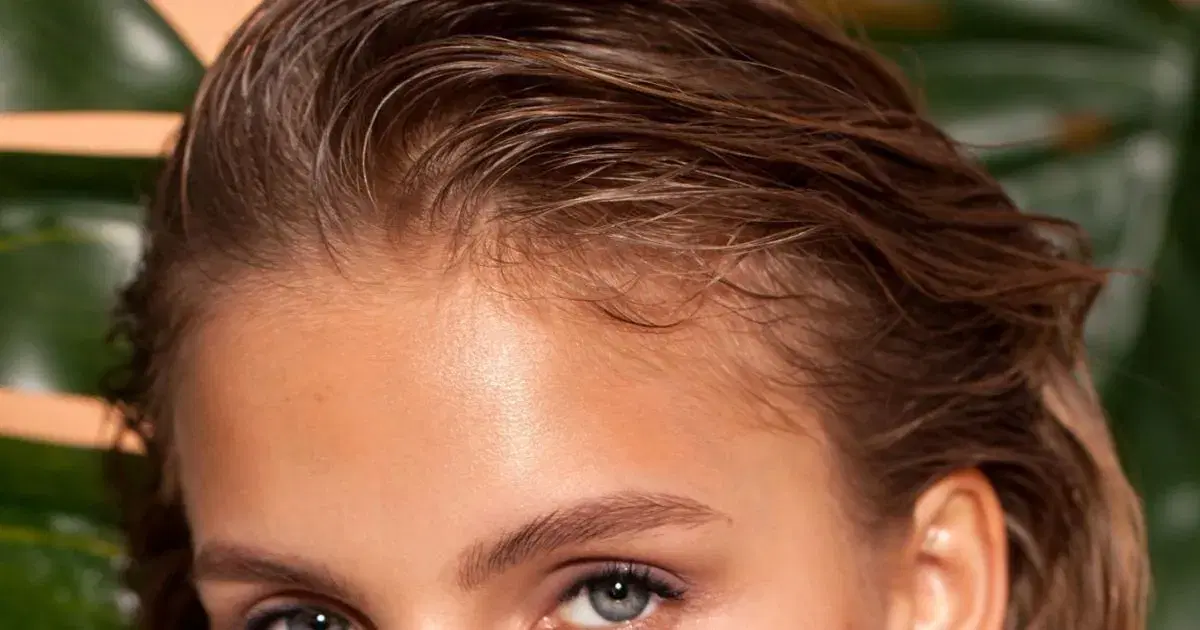
Transplanted hair can appear significantly thinner when wet because individual strands lose some of the separation and volume that normally help conceal the scalp. Instead of spreading naturally across the recipient area, wet hairs gather into smaller sections, leaving more visible space between them.
This change becomes particularly noticeable when someone examines their hair immediately after showering. A region that appeared reasonably full before washing may suddenly reveal the underlying scalp, creating the impression that the transplanted follicles have become less dense.
However, water does not temporarily reduce the number of growing follicles or cause healthy transplanted hair to disappear. The difference primarily involves the arrangement of the hair shafts and the way light reaches the skin underneath.
The effect is not exclusive to transplanted hair. Natural hair behaves similarly when wet, although the contrast may attract more attention in areas where transplantation has produced a lower density than the surrounding native hair.
How Does Water Change the Appearance of Hair Density?
Water affects the physical arrangement of hair strands, changing how they overlap and how much of the scalp remains concealed beneath them.
Hair strands gather together: Moisture encourages neighboring strands to stick to one another through surface tension, creating small groups of hair rather than an evenly distributed layer. The spaces between these groups expose more scalp.
Hair loses some of its natural volume: Wet hair becomes heavier and often settles closer to the scalp, especially when it is straight or fine. This reduces the lifted appearance that contributes to fullness when the hair is dry.
Scalp reflections become more visible: Water creates a reflective surface on the skin, allowing bright bathroom lights or sunlight to highlight areas between the hair strands. These reflections can exaggerate the appearance of thinning.
Natural styling patterns temporarily disappear: Washing removes much of the arrangement created by brushing, drying and styling. Without that structure, individual hairs may fall in directions that provide less coverage.
Does Visible Scalp After Washing Mean a Hair Transplant Has Failed?
Seeing the scalp through wet transplanted hair does not automatically indicate poor graft survival or an unsuccessful procedure. Even healthy, densely growing hair can reveal considerable skin when moisture separates the strands into visible sections.
A hair transplant redistributes existing follicular units into areas affected by hair loss. The procedure aims to create natural coverage, but the resulting density does not always match the original concentration of follicles before thinning began.
When wet hair lies flat, the difference between natural follicular density and transplanted coverage may become more apparent. This visual change is especially noticeable when the donor hair is naturally fine or the treated area previously experienced extensive hair loss.
The more meaningful question is whether the hair provides improving coverage over time under consistent conditions. Comparing a wet photograph with an earlier dry photograph cannot reliably establish whether graft survival has changed.
Why Does Wet Transplanted Hair Look Different From Natural Hair?
Transplanted hair and surrounding natural hair may appear different when wet because the two areas can have different densities, growth directions and hair shaft characteristics.
The recipient region often contains fewer follicular units per square centimeter than an unaffected donor area. When the hair is dry, individual strands can overlap enough to produce convincing visual coverage, but wet conditions make the spaces between follicles easier to identify.
Hairline restoration also involves deliberate placement patterns. The frontal edge commonly uses single-hair follicular units to create a gradual, natural transition rather than an unnaturally dense border.
Consequently, the transplanted hairline may appear more transparent when wet than the thicker hair immediately behind it. This does not necessarily represent a planning problem, since natural hairlines also contain variations in density.
The contrast generally becomes less noticeable as transplanted hairs gain length and develop fuller shafts during the maturation process.
How Do Hair Thickness and Texture Affect Wet Hair Coverage?
Hair shaft thickness strongly influences the appearance of density because each strand occupies a different amount of visual space. Coarse hair can conceal more of the underlying scalp than fine hair, even when both areas contain a similar number of follicles.
Texture contributes another important difference. Curly and wavy hair often creates additional volume when dry because its natural shape keeps strands separated and allows them to overlap from different directions.
Once saturated with water, curls may become elongated and gather into defined sections. This temporarily reduces the broad coverage that gives textured hair its characteristic fullness.
Fine, straight hair can show an even stronger contrast because moisture encourages it to lie flat against the scalp.
These characteristics explain why graft count alone cannot predict how full a transplant will appear after washing. Visual density reflects the combined effects of follicle distribution, hair caliber, texture and length.
Why Do the Hairline and Crown Look Especially Thin When Wet?
The frontal hairline and crown often reveal more scalp after washing because their natural hair growth patterns influence how individual strands distribute themselves.
At the hairline, the first rows of follicles are generally arranged to create a soft transition between the forehead and denser hair behind it. When wet, these relatively fine frontal strands may separate into narrow groups, making the skin between them more noticeable.
The crown presents a different challenge. Hair grows around a natural circular pattern, often leaving a central point where the scalp remains visible even when surrounding coverage is relatively strong.
Wet hair can accentuate this pattern by pulling individual strands into separated sections along the direction of the whorl.
Neither appearance automatically indicates unsuccessful transplantation. Understanding the intended hair distribution and the natural direction of growth provides a better explanation than evaluating isolated wet areas.
Can Lighting Make Wet Transplanted Hair Look Even Sparser?
Lighting can dramatically influence how much scalp becomes visible beneath wet hair, particularly when strong illumination produces reflections on the skin.
Bathrooms frequently contain overhead lighting that reaches the scalp directly through spaces between wet strands. Because moisture makes the skin surface more reflective, the contrast between darker hair and the illuminated scalp can become especially pronounced.
A photograph taken under these conditions may suggest considerable thinning, even when the same hair looks substantially fuller after drying.
Camera flash can create a similar effect by highlighting individual wet strands while making exposed scalp areas brighter.
Diffused natural light generally produces a more balanced appearance, although it does not eliminate the temporary separation caused by moisture.
For reliable progress assessments, lighting should remain consistent rather than changing between bright bathroom fixtures, direct sunlight and softer indoor conditions.
Does Hair Length Influence How Dense Wet Hair Appears?
Hair length affects how effectively transplanted strands can overlap and conceal spaces between follicles. Short hair offers limited coverage because each strand occupies a relatively small area, especially when moisture causes it to settle close to the scalp.
This explains why recently growing transplanted hair may look particularly sparse after washing. Even when numerous follicles have begun producing hair, their short shafts cannot yet provide the visual overlap associated with a mature result.
As the strands grow longer, they can reach across neighboring areas and create greater fullness. Longer hair may also offer more styling flexibility once it has dried.
However, excessive length does not always improve coverage. Very fine hair can become weighed down, particularly when wet, and may expose the scalp through a flattened parting.
A suitable length should therefore complement the natural hair texture and growth direction rather than simply maximize the amount of hair present.
Why Does Transplanted Hair Look Sparse During Early Recovery?
The early months after hair transplantation involve biological changes that can make wet hair appear even thinner than it will at maturity. Although follicles are placed into the recipient area during surgery, visible hair density develops gradually.
During the first weeks, the scalp undergoes surface healing while small crusts form and later separate from the implantation sites. Many transplanted hair shafts subsequently shed as the follicles enter a temporary resting phase.
This creates a period when the recipient area may have very little visible growth. Wetting the remaining hair exposes the scalp more clearly, which can make the treatment appear less successful than it did immediately after the operation.
New hair commonly begins emerging around the third or fourth month, but these early strands are often fine, short and unevenly distributed.
The scalp may therefore remain visible after washing for several months, even as the underlying follicles continue progressing through their natural growth cycle.
Can Shock Loss Make Wet Hair Look Thinner?
Shock loss is a temporary shedding phenomenon that can affect transplanted hair shafts and, in some cases, nearby existing hair following the procedure. It commonly becomes noticeable during the first several weeks after surgery.
When transplanted hairs shed, the recipient area can temporarily resemble its appearance before treatment. Wet hair may emphasize this stage because the remaining strands gather together and reveal more of the scalp.
The effect can be concerning when patients compare their current appearance with photographs taken immediately after implantation, when the transplanted shafts were still visible.
However, temporary shedding does not necessarily mean that the follicles beneath the skin have been lost. Many remain capable of producing new hair after the resting phase.
Persistent or progressive thinning should still receive appropriate evaluation, particularly when it continues beyond the expected period of recovery.
When Does Transplanted Hair Begin Looking Fuller After Washing?
Transplanted hair usually begins providing greater visual coverage as new strands emerge, grow longer and develop thicker shafts. This progression takes several months because individual follicles do not all enter the active growth phase simultaneously.
Around the third or fourth month, early growth may become noticeable, although wet hair can still appear considerably thinner than dry hair at this stage.
Between six and nine months, greater hair length and increasing shaft thickness often improve coverage. Wet hair may begin looking fuller as more strands contribute to the overall appearance, although some scalp visibility remains normal.
Further maturation can continue for approximately 12 to 18 months, particularly in the crown.
Understanding hair transplant progress helps place these changes within the broader growth timeline and explains why early density assessments can be misleading.
A meaningful evaluation should consider improvements across several months rather than the appearance of wet hair on one particular day.
How Should You Wash Transplanted Hair Without Damaging Grafts?
Washing is an essential part of postoperative scalp hygiene, but the early recovery period requires gentle handling to avoid unnecessary disturbance of newly implanted follicles.
Begin washing when postoperative instructions permit: The first cleansing sessions should follow the approved recovery schedule because recently transplanted grafts remain vulnerable to mechanical contact. Introducing ordinary washing habits prematurely can irritate the recipient sites.
Use lukewarm water and controlled pressure: Hot water may aggravate sensitivity, while a strong shower stream can create unnecessary discomfort. Gentle water flow allows the scalp to be cleaned without directing excessive force onto healing grafts.
Avoid rubbing or removing scabs forcefully: Small crusts should loosen naturally through appropriate cleansing rather than scratching or aggressive massage. Fingernails and vigorous movements can injure delicate healing tissue.
Dry the scalp without friction: During early recovery, avoid vigorous towel rubbing or strong, hot airflow. Gentle drying methods reduce unnecessary contact until normal haircare activities become appropriate.
A detailed guide to washing hair after a hair transplant provides additional information about scalp cleansing and protecting grafts during the healing period.
Can Shampoo and Hair Products Affect the Appearance of Density?
Shampoo and styling products can change the way transplanted hair looks after washing, even though they do not immediately alter the number of healthy follicles.
A cleansing shampoo removes accumulated oils and product residue, allowing the hair to separate more naturally after drying. However, immediately after rinsing, the strands may still gather together and reveal considerable scalp.
Conditioners can improve manageability, although heavy formulations may weigh fine hair down and reduce volume when used excessively.
Styling creams, oils and gels can produce a similar flattening effect. Products designed to create a sleek or wet hairstyle often emphasize separation between strands, making transplanted regions appear less dense.
Lightweight styling techniques may improve volume once the scalp has healed and ordinary grooming is appropriate.
During early postoperative recovery, cosmetic products should not be introduced simply to improve the appearance of wet hair. Protecting the healing scalp remains more important than achieving immediate visual fullness.
How Can You Compare Wet and Dry Hair Transplant Results?
Accurate comparisons require consistent conditions because moisture, lighting and styling can create substantial differences without any actual change in follicular growth.
Photograph the hair in the same environment: Use similar lighting, camera distance and head position for every comparison. This reduces misleading differences caused by reflections and perspective.
Separate wet and dry photographs: Record wet-hair images as one category and fully dry-hair images as another. Comparing like with like provides more meaningful information than treating both conditions as equivalent.
Maintain a consistent hairstyle and length: Changes in parting direction, product use and hair length can influence how much scalp is visible. Keeping these details similar makes gradual progress easier to recognize.
Track changes over several months: Monthly photographs generally reveal growth trends more clearly than repeated daily inspections. Include the date and postoperative month to distinguish temporary shedding from later maturation.
What Can You Do to Improve the Appearance of Wet Transplanted Hair?
Wet transplanted hair may never look identical to dry hair, but several practical habits can reduce the appearance of unnecessary thinning once the scalp has fully recovered.
Allowing the hair to dry before assessing density provides a more representative impression of everyday coverage. Gentle drying and arranging strands according to their natural direction often restore much of the volume lost during washing.
A suitable haircut can also help. Keeping enough length for neighboring hairs to overlap may improve coverage, while avoiding excessively heavy styling products prevents fine strands from becoming unnecessarily flat.
For those concerned about visible thinning in photographs, softer lighting and natural camera angles can produce images that better reflect ordinary appearance.
During the early months, the most important improvement comes from allowing transplanted follicles to complete their growth cycle. Styling adjustments can enhance presentation, but they cannot accelerate follicle maturation or replace insufficient hair density.
When Should Sparse-Looking Transplanted Hair Be Evaluated?
Visible scalp after washing is common, but thinning that remains apparent under consistent dry-hair conditions may deserve closer assessment, particularly after sufficient time has passed for transplanted hair to mature.
If the recipient area shows little improvement after the expected growth period, an examination can help determine whether the follicles have developed as anticipated.
Progressive loss of surrounding natural hair can also reduce overall coverage, even when transplanted follicles continue producing healthy strands. This distinction matters because transplantation does not necessarily stop ongoing hereditary hair loss.
Clearly defined areas without growth, increasing scalp irritation, persistent redness or painful inflammation should not be dismissed as ordinary wet-hair effects.
Photographs can document the appearance of these changes, but assessing actual follicular density and scalp health requires more than visual comparison alone.
What Should You Remember About Wet Hair and Transplant Density?
Wet transplanted hair often looks sparse because moisture changes the position, separation and reflective appearance of the strands rather than reducing the number of follicles present. Fine hair, short growth, bright lighting and natural scalp contrast can make this difference especially noticeable.
The effect can become more pronounced during early recovery, when temporary shedding and immature hair growth limit visual coverage. As transplanted strands grow longer and thicker, the appearance generally improves, although wet hair may continue revealing more scalp than dry hair.
Evaluating hair transplant results under consistent conditions provides a more reliable understanding of density than judging the appearance immediately after showering. The most useful measure remains the gradual development of healthy coverage over time, supported by appropriate aftercare and realistic expectations about the natural appearance of wet hair.