
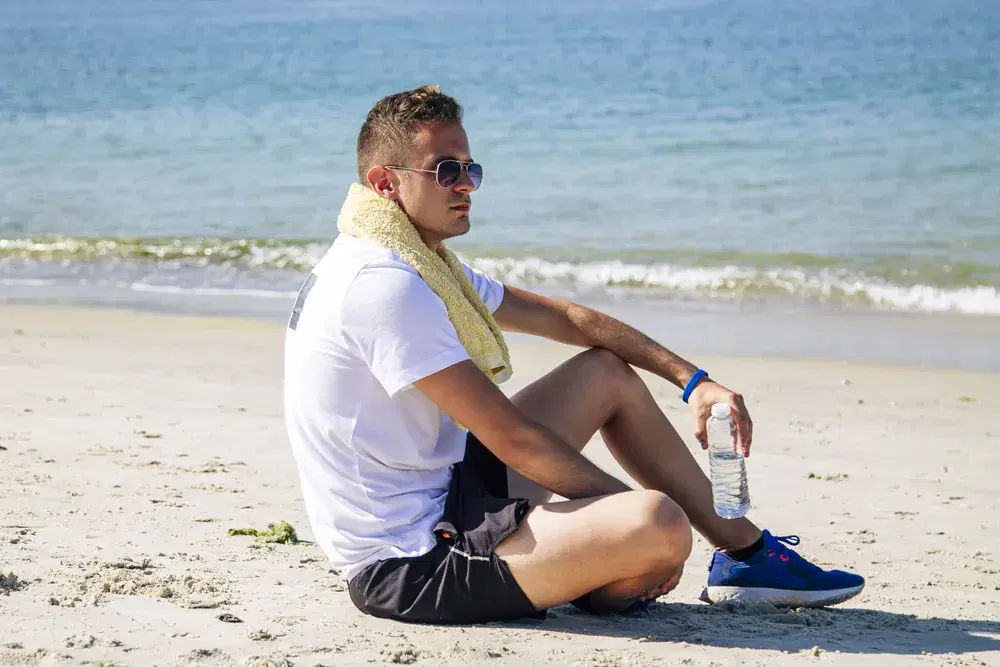
How Long Should You Wait Before Going to the Beach After a Hair Transplant?
You should usually wait at least two to four weeks before spending significant time at the beach after a hair transplant. The first weeks are important because the scalp is still healing and remains sensitive to sunlight, heat, sand, and salt water. Newly transplanted grafts gradually become more secure during this period.
Short outdoor exposure may become easier earlier, but beach conditions are harder to control. Strong sunlight and prolonged heat can irritate the scalp. Swimming also introduces salt water or chemicals to healing skin. Waiting several weeks makes beach activities more comfortable and reduces unnecessary irritation during early recovery.
Can You Go to the Beach One Week After a Hair Transplant?
Going to the beach one week after a hair transplant is generally too early for prolonged sun exposure, swimming, or extended outdoor activity.
At this stage, the scalp may still show redness and small crusts. The transplanted area can also remain sensitive to heat and physical contact. Even if the grafts are becoming more stable, strong sunlight and sweating may irritate the skin. Sand can also enter the healing area and create discomfort. A short walk near the beach is different from spending hours outside. If outdoor time is unavoidable, keeping it brief and remaining in a shaded environment is the more cautious approach.
Can You Go to the Beach Two Weeks After a Hair Transplant?
Two weeks after a hair transplant, light beach activity may be possible, but swimming and prolonged sun exposure should still be approached cautiously.
By this stage, most crusts have usually cleared and the scalp often looks more settled. However, the skin can remain sensitive even when the surface appears healed. Spending several hours under direct sunlight may cause irritation or prolong redness. Salt water and pool chemicals may also feel uncomfortable. A short visit in the shade is more reasonable than a full beach day. Protective measures should remain the priority because the scalp is still progressing through the early recovery phase.
Can You Go to the Beach One Month After a Hair Transplant?
One month after a hair transplant, many people can return to the beach with sensible sun protection and careful scalp care.
By this stage, the recipient area has usually moved beyond the most sensitive healing period. Swimming may also become more practical once the scalp surface has fully healed. Direct sun exposure should still be limited because newly treated skin can remain sensitive. Spending time under shade and avoiding peak sunlight helps reduce irritation. Sunscreen may also become appropriate once the scalp has healed sufficiently. A gradual return to normal beach activity is generally more comfortable than immediately spending long hours in strong sun.
When Can You Swim in the Sea After a Hair Transplant?
Swimming in the sea is usually best postponed for around three to four weeks after a hair transplant.
Salt water can irritate healing skin, especially while small crusts or sensitivity remain. Swimming also involves repeated scalp exposure to sun, wind, and water. These factors can make early recovery less comfortable. Waiting allows the surface of the scalp to heal more fully before contact with seawater. When swimming resumes, the first sessions should be short rather than prolonged. Rinsing the scalp gently with fresh water afterward can also help remove salt residue without unnecessary rubbing or scratching.
Can Salt Water Affect a Hair Transplant?
Salt water can irritate a healing scalp after a hair transplant, especially during the first weeks when the skin barrier is still recovering.
The main concern is not that seawater automatically removes grafts. Instead, salt can dry the skin and create stinging or itching around healing areas. This discomfort may increase the temptation to scratch or rub the scalp. Seawater can also contain microorganisms and other particles that are best avoided during early healing. Once the scalp has recovered sufficiently, occasional seawater exposure becomes easier to tolerate. Waiting several weeks before swimming reduces the chance of unnecessary irritation.
When Can You Swim in a Pool After a Hair Transplant?
Swimming in a pool is usually best avoided for several weeks after a hair transplant because chlorine can irritate a healing scalp.
Pool water contains chemicals designed to control bacteria, but these substances can feel harsh on recently treated skin. The scalp may remain dry, sensitive, or red during the first weeks. Swimming also increases sun exposure when using an outdoor pool. Waiting around three to four weeks gives the scalp more time to recover. When returning to swimming, short sessions are more sensible at first. The scalp should also be rinsed gently afterward to remove chlorine residue.
Why Should You Avoid the Beach After a Hair Transplant?
The beach should be limited during early hair transplant recovery because sunlight, heat, sand, salt water, and sweating can irritate the healing scalp.
Each of these factors creates a different challenge. Strong sun can increase redness and sensitivity. Heat encourages sweating, which may make the scalp itchy. Sand can stick to healing areas and create friction. Salt water may sting or dry the skin. Beach environments also make it harder to control accidental touching or rubbing. Avoiding these conditions during the first weeks gives the scalp a calmer environment in which to heal and helps simplify aftercare.
How Long Should You Avoid Direct Sunlight After a Hair Transplant?
Direct sunlight should be limited for several weeks after a hair transplant, especially while redness and scalp sensitivity remain visible.
The recipient area is more vulnerable to ultraviolet exposure during early healing. Strong sunlight can make the scalp feel hotter and may prolong irritation. Midday exposure is particularly intense, so outdoor activity should be reduced during peak hours. Shade provides useful protection, but reflected sunlight can still reach the scalp. Once normal sun exposure resumes, protection should remain consistent. Gradually increasing outdoor time is generally more comfortable than moving directly from recovery into several hours of strong beach sun.
Can Sun Exposure Damage Newly Transplanted Hair?
Excessive sun exposure can irritate newly transplanted skin and may interfere with comfortable healing during the first weeks after the procedure.
The main concern is the sensitivity of the scalp rather than immediate destruction of the hair follicles. Recently treated skin can react more strongly to ultraviolet radiation and heat. Redness may become more pronounced, and the scalp can feel dry or uncomfortable. Long periods in direct sunlight also increase sweating, which adds further irritation. Protecting the scalp during early healing therefore reduces unnecessary stress. Once recovery progresses, normal outdoor exposure becomes easier, although sensible sun protection remains useful.
When Can You Use Sunscreen After a Hair Transplant?
Sunscreen should only be applied after the scalp surface has healed enough to tolerate topical products without irritation.
During the earliest recovery stage, the transplanted area should not be rubbed or covered with unnecessary products. Once crusts have cleared and the skin has settled, sunscreen can become a practical part of outdoor protection. A gentle product is preferable because the scalp may remain sensitive. Application should also be light rather than vigorous. Sunscreen does not replace shade during long beach days. Combining limited direct exposure with shade and appropriate scalp protection provides a more comfortable approach after the healing stage.
Can You Wear a Hat at the Beach After a Hair Transplant?
A hat can be useful at the beach after a hair transplant once it can be worn without touching, pressing, or rubbing the transplanted area.
Tight caps should be avoided during the early period because they can create friction across healing skin. Loose, breathable headwear becomes more practical after the grafts are secure and the scalp has settled. The hat should also be clean and easy to remove without dragging across the hairline. A wide brim can provide useful shade from strong sunlight. However, headwear should not trap excessive heat or cause heavy sweating during long periods outdoors.
Does Heat Affect Hair Transplant Recovery?
Heat can make hair transplant recovery less comfortable because it increases sweating, scalp sensitivity, and the chance of irritation.
High temperatures do not automatically damage transplanted follicles, but they can complicate aftercare. Sweating may cause itching, which can lead to unnecessary touching. Hot environments also increase overall scalp warmth and discomfort. Beach conditions combine heat with sunlight, wind, and salt exposure, making them more demanding than normal indoor recovery. Staying in cooler surroundings during the early weeks can therefore make healing easier. Once the scalp settles, gradual exposure to warmer environments becomes more manageable.
Can Sweating Affect Transplanted Hair Grafts?
Heavy sweating should be limited during early hair transplant recovery because it can irritate the scalp and increase the urge to touch or scratch it.
Light perspiration from normal movement is usually less concerning than sweating caused by intense exercise or prolonged heat. Beach activities often involve both high temperatures and physical movement, so sweating can become difficult to control. Sweat may also mix with sunscreen, sand, or salt and create additional discomfort. Reducing strenuous activity during the first weeks helps keep the scalp calm. As healing progresses, normal sweating becomes less important and regular outdoor activity can gradually resume.
Can Sand Harm a Healing Hair Transplant?
Sand can irritate a healing hair transplant because small particles may stick to the scalp and create friction or contamination.
The risk is greater during the first weeks when the recipient area remains sensitive. Wind can carry fine sand onto the scalp even without direct contact. Trying to remove particles by rubbing or scratching can create more irritation than the sand itself. Lying directly on the beach can also increase accidental contact with towels or hands. Waiting until the scalp is fully settled before spending long periods on sandy beaches makes aftercare easier and reduces unnecessary mechanical irritation.
When Can You Exercise on the Beach After a Hair Transplant?
Beach exercise should usually be postponed until the scalp has healed and normal physical activity has already been reintroduced gradually.
Running, beach volleyball, swimming, and similar activities can create heavy sweating and increase the chance of accidental impact. Strong sunlight adds another challenge because exercise often keeps the scalp exposed for extended periods. Sand may also stick to sweaty skin and cause irritation. Light walking becomes suitable earlier than intense exercise. Once routine workouts feel comfortable again and the scalp no longer shows sensitivity, beach exercise can be added gradually without placing unnecessary stress on the transplanted area.
Can You Take a Beach Holiday After a Hair Transplant?
A beach holiday is more practical several weeks after a hair transplant, when swimming, sun exposure, and outdoor activity can be managed more comfortably.
Scheduling a beach trip immediately after the procedure can create unnecessary restrictions. Swimming may need to be avoided, prolonged sun exposure should be limited, and heavy sweating can make recovery uncomfortable. This can reduce enjoyment of the holiday. Leaving several weeks between the transplant and the trip allows the scalp to heal before normal beach activities resume. A longer gap is especially useful for holidays centered around swimming, water sports, and extended periods outdoors.
How Long Before a Beach Holiday Should You Get a Hair Transplant?
A hair transplant is best scheduled at least four weeks before a beach holiday to allow the scalp time to recover from the early healing stage.
A longer gap can provide even more flexibility for swimming and prolonged outdoor activity. During the first weeks, the scalp may still show redness, crusting, or temporary sensitivity. Strong sunlight and seawater are also easier to manage once the skin has healed. Planning ahead means the holiday does not need to revolve around recovery restrictions. It also gives enough time to establish a normal washing routine and return gradually to regular physical activity.
What Should You Avoid at the Beach After a Hair Transplant?
The main things to avoid at the beach are prolonged sun exposure, early swimming, heavy sweating, sand contact, and tight headwear.
Avoid direct midday sun for long periods.
Avoid swimming until the scalp has healed.
Avoid rubbing the scalp with towels.
Avoid scratching if salt or sweat causes itching.
Avoid tight caps that press on the recipient area.
Avoid strenuous beach sports during early recovery.
Avoid letting sand collect on the scalp.
Avoid spending the entire day in heat without shade.
These precautions reduce irritation and make the return to beach activities more comfortable.
Can You Sit Under an Umbrella After a Hair Transplant?
Sitting under an umbrella can be safer than direct sun exposure, but prolonged beach stays should still be limited during early recovery.
Shade reduces direct ultraviolet exposure and helps control heat. However, beach umbrellas do not completely block reflected sunlight from water and sand. Wind can also carry sand particles onto the scalp. The temperature beneath an umbrella may still be high enough to cause sweating. During the first weeks, a brief shaded visit is more suitable than several hours on the beach. As the scalp heals, time outdoors can gradually increase while shade continues to provide useful protection.
Can You Go on a Boat After a Hair Transplant?
Boat trips are best postponed during the early recovery period because they combine sun, wind, heat, and possible seawater exposure.
Even when you do not swim, boats often provide limited shade. Strong sunlight can reach the scalp for long periods, while wind may dry the skin and increase sensitivity. Spray from seawater can also reach the recipient area unexpectedly. Moving around a boat introduces another concern because sudden movement can lead to accidental head contact. Waiting several weeks makes boat trips easier to enjoy without constantly protecting the scalp. Short, shaded trips become more practical once healing has progressed.
Can Wind Affect a Hair Transplant at the Beach?
Strong wind can make a healing scalp uncomfortable by increasing dryness and carrying sand, salt, or debris toward the transplanted area.
Wind itself does not normally remove secure grafts after the initial healing period. The problem is the environment it creates around sensitive skin. Fine particles can stick to the scalp and cause itching. Strong coastal wind can also increase evaporation, making the skin feel dry or tight. During early recovery, avoiding windy beach conditions keeps the scalp cleaner and more comfortable. Once the surface has healed, normal coastal wind becomes much less important.
When Can You Return to Normal Beach Activities After a Hair Transplant?
Most normal beach activities become easier to resume around one month after a hair transplant, provided the scalp has healed without ongoing irritation.
By this stage, gentle swimming, walking, and time outdoors are generally more manageable. Strong sun should still be approached gradually, particularly if the scalp remains slightly red. Water sports and intense beach exercise can also be reintroduced progressively rather than all at once. The first return to the beach should ideally be shorter than a full day. This gradual approach allows you to see how the scalp responds to heat, sun, seawater, and increased physical activity.
How Should You Protect Your Scalp at the Beach After a Hair Transplant?
Protecting the scalp at the beach requires a combination of shade, limited sun exposure, careful headwear, gentle washing, and gradual return to swimming.
Spend more time under shade than in direct sun, especially during the strongest daylight hours. Once appropriate, use loose headwear that does not rub the transplanted area. Apply sunscreen only after the scalp has healed sufficiently for topical products. After swimming, rinse salt or chlorine gently with fresh water. Avoid rubbing the scalp with a towel. Keeping the first beach visits short also makes it easier to prevent overheating, irritation, and prolonged ultraviolet exposure.