What Actually Happens on Surgery Day?
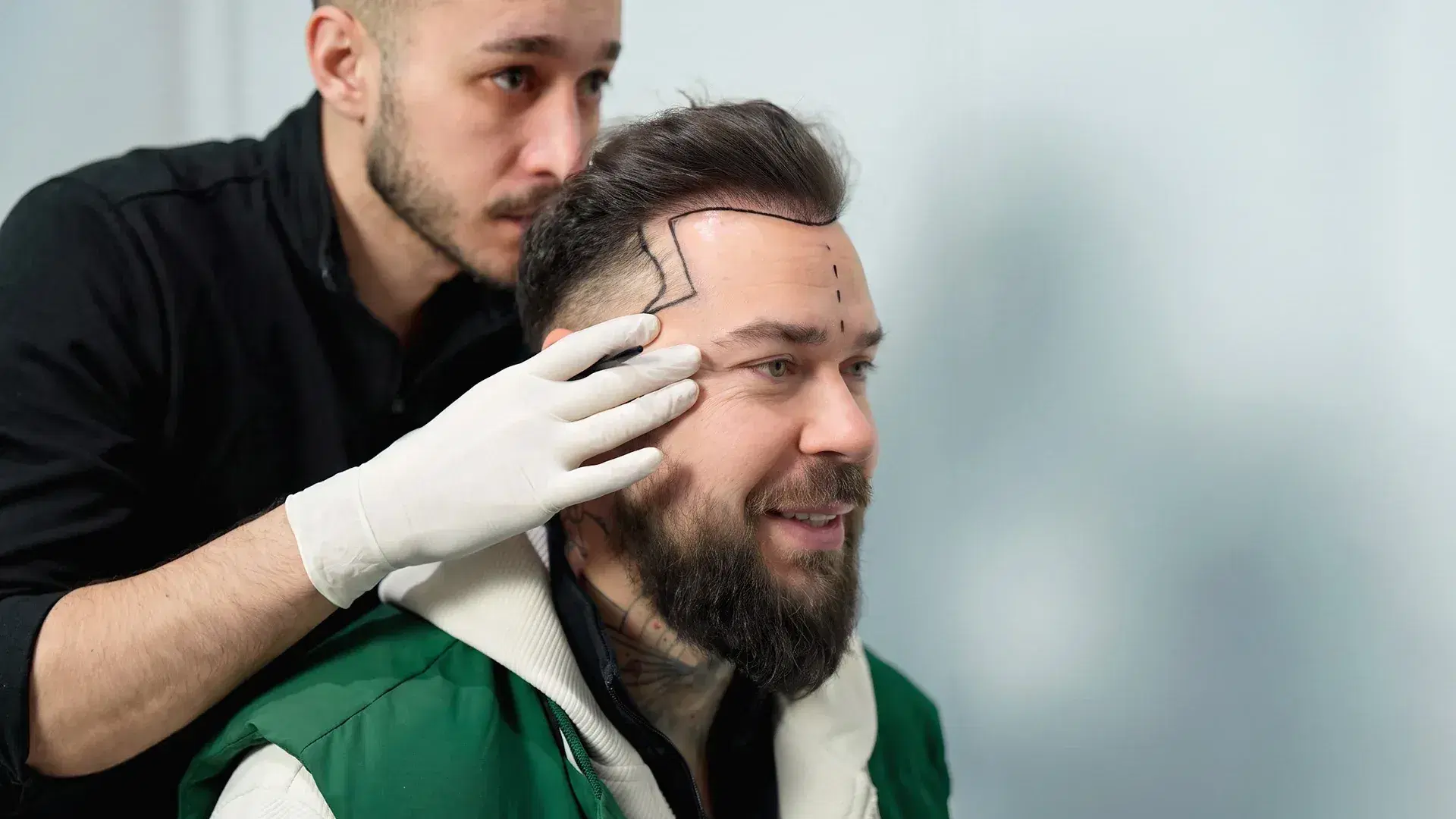
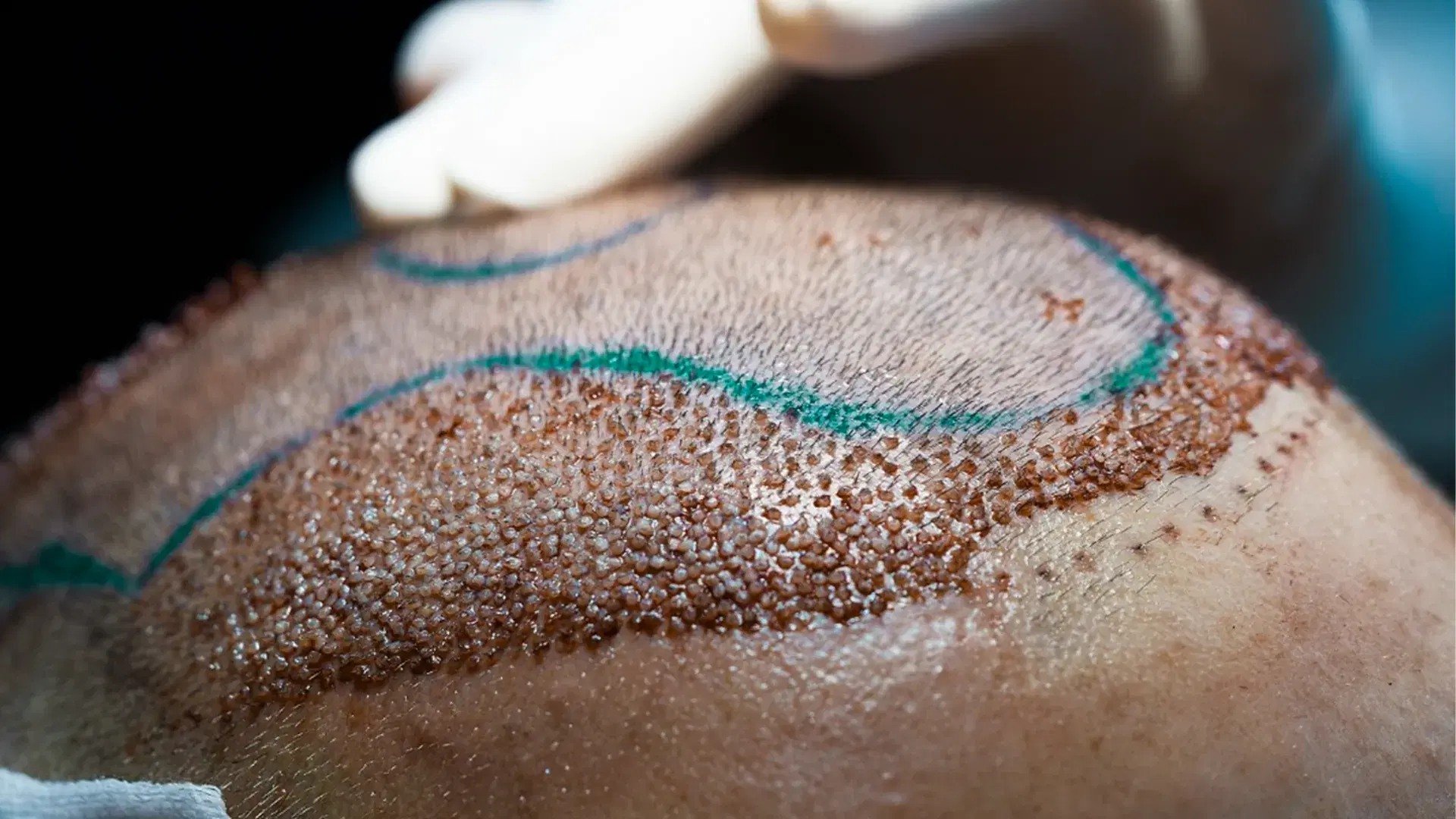
On hair transplant surgery day, the process usually begins with final planning, photography, hairline marking, and preparation of the donor area. After local anesthesia, the medical team starts extracting suitable grafts from the donor region.
The planned hairline and treatment zones are reviewed.
The donor area is prepared and anesthetized.
Hair follicles are extracted individually.
Grafts are checked, sorted, and kept under controlled conditions.
Recipient areas are prepared according to direction, angle, and density.
Grafts are implanted into the planned zones.
The scalp is cleaned and the donor area is dressed if required.
Postoperative instructions are explained before discharge.
Most patients leave the clinic the same day after the procedure is completed.
Techniques Commonly Discussed in Turkey
The terminology can be confusing because marketing sometimes makes small process differences sound like completely separate procedures. Understanding the basics helps patients ask better questions.
Follicular Unit Extraction
Follicular unit extraction involves removing individual follicular units from the donor area and implanting them into thinning or bald areas. It is widely discussed because it avoids the long linear scar associated with older strip-based methods. Recovery in the donor area is often easier for many patients, though healing varies.
This method still requires skill. Extraction angle, punch size, spacing, graft handling, and implantation design all affect the final result. A clinic should be able to explain how it avoids overharvesting and protects graft quality.
Implanter Based Methods
Some clinics use implanter pens or similar tools to place grafts. These methods may allow controlled placement in certain cases, depending on the team’s training and the patient’s needs. They are often marketed heavily, but the tool itself does not guarantee a better result.
Patients should ask who uses the implanter, how graft direction is controlled, and whether the method is suitable for their hair type and coverage goals. Technique should always be matched to the individual, not chosen because it sounds more advanced.
Sapphire or Blade Channel Creation
Some clinics describe channel creation using sapphire blades or other instruments. Channel creation refers to preparing the recipient area where grafts will be placed. The important factors are angle, depth, density, spacing, and trauma control.
The material of the instrument may be part of the clinic’s approach, but it is not the whole story. Planning, precision, and graft care remain central. Patients should avoid choosing a clinic based only on a branded technique name.
Why the World Travels to Turkey?
You have probably noticed that Turkey dominates the hair transplant conversation. This isn't just about the significant cost advantage compared to Europe or the US, it is about the complete, VIP medical tourism experience.
Traveling for surgery can be stressful, so Turkish clinics have perfected the "all-inclusive" model. You are provided with private airport transfers, luxury hotel accommodations, and dedicated translators. Turkey itself adds incredible value; many patients take a day before their surgery to explore the Bosphorus, the Grand Bazaar, or the Hagia Sophia. Ultimately, a trip to Turkey is highly worth it, provided you choose a clinic based on medical safety and quality rather than just hunting for the cheapest package.
The Main Benefits of Choosing Turkey For Hair Restoration
The benefits of hair transplant Turkey services are best understood as a combination of medical, logistical, and financial advantages. The strongest clinics are not selling a shortcut. They are offering a structured treatment pathway for people who have already decided that surgical restoration may be right for them.
More Accessible Hair Transplant Cost
Hair transplant cost is one of the biggest reasons patients compare Turkey with clinics in other countries. In many cases, patients find that treatment in Turkey may be more accessible because of local operating costs, high clinic volume, and package-style arrangements for international visitors.
However, cost should never be evaluated on price alone. A low quote is not automatically a good value. Patients should ask what is included, who performs each stage of the procedure, whether medical tests are part of the process, what aftercare is provided, and whether the quoted price changes based on graft count or technique.
A sensible approach is to compare total trip cost, not only the surgical fee. This includes flights, hotel nights, local transport, time off work, medication, follow-up care, and any possible revision or complication management. The real benefit is not “cheap surgery”; it is the possibility of receiving well-planned care at a cost that feels more attainable.
International Patient Support
A hair transplant Turkey often comes with practical support designed for people flying in from abroad. This may include remote consultation, translation, airport pickup, hotel booking, clinic transfers, procedure-day coordination, and post-operative instructions in the patient’s language.
This support can reduce stress. Patients do not have to navigate every detail alone while also preparing for surgery. For many people, that convenience is a meaningful benefit because medical travel can feel intimidating the first time.
Still, convenience should not replace due diligence. Patient coordinators can help organize the trip, but medical decisions should be explained by qualified professionals. Patients should be able to ask clinical questions directly and receive clear answers before paying a deposit or booking flights.
Modern Technique Options
Many clinics in Turkey offer common hair transplant techniques such as follicular unit extraction and implanter-based placement methods. The right technique depends on the patient’s donor area, graft needs, hair characteristics, scalp condition, and desired outcome.
No technique is automatically superior for every patient. A clinic that insists one method is perfect for everyone may be oversimplifying the decision. The technique should serve the plan, not the other way around.
Patients should ask how grafts are extracted, how they are stored before implantation, who designs the hairline, who opens channels or places grafts, and how the team protects graft survival during the procedure. These details reveal far more than technique names alone.
How Many Graft Needed for Hair Transplant Turkey?
The number of grafts depends on the size of the thinning area, donor strength, hair thickness, curl, color contrast, and desired density. A mild hairline correction may require around 1,500 to 2,500 grafts. A larger frontal and mid-scalp restoration may require 3,000 to 4,500 grafts. More extensive hair loss may require staged sessions rather than one aggressive operation.
As a general guide:
Small hairline correction: 1000 to 1500 grafts
Front hairline and temples: 1500 to 2500 grafts
Frontal area with mid-scalp thinning: 2500 to 3500 grafts
Crown restoration: 1500 to 3000 grafts
Advanced hair loss across several areas: 3500 to 5000+ grafts
Hair Transplant Recovery Timeline in Turkey
The hair transplant recovery timeline in Turkey usually begins with a short healing period. Followed by temporary shedding and gradual new hair growth over several months.
First 1–3 Days
After an FUE hair transplant or DHI hair transplant, mild redness, swelling, sensitivity. Will small scabs may appear around the transplanted area. Patients should avoid touching, scratching or rubbing the grafts. Sleeping with the head slightly elevated may help reduce swelling.
Days 4–10
During this stage, the grafts begin to settle. Patients usually follow gentle washing instructions provided by the clinic. Scabbing gradually improves, and many people feel comfortable returning to light daily activities.
Weeks 2–4
Most visible redness and scabbing have usually reduced. The transplanted hairs may begin to shed during this period.
Months 3–4
New hair growth often begins to appear. Early hairs may look fine, soft or uneven at first. Growth can vary between patients, depending on the donor area, hair type and individual healing process.
Months 5–8
Hair growth becomes more noticeable, with improved coverage and density in the treated areas. The new hair may begin to thicken and blend more naturally with existing hair.
Months 10–18
The final result of a hair transplant Turkey develops gradually. By this stage, patients can usually see fuller density, improved hairline definition and a more mature appearance.
Hair Transplant Turkey Cost 2026
Hair transplant Turkey cost in 2026 typically ranges between $1,500 and $3,500 for a complete procedure. The final price depends on the technique, treatment scope, graft requirement, and services included in the package. FUE procedures may sit toward the lower end, while DHI or more extensive sessions can cost more.
Many Turkey hair transplant packages combine the procedure with hotel accommodation, airport transfers, medications, first washing, and follow-up support. Patients should compare what each quoted price actually includes, since two similarly priced packages may provide very different levels of medical care and aftercare.
What Affects Hair Transplant Cost?
Hair transplant cost is affected by graft number, technique, clinic standards, medical team involvement, facility setting, aftercare, and travel-related inclusions. A quote that appears simple may include many variables, so patients should ask for a clear breakdown before comparing clinics.
The number of grafts is often a central factor. Someone needing a small hairline refinement may require a different plan than someone seeking broader coverage across the front and crown. More grafts can mean a longer procedure, more staff time, and a more complex donor management strategy.
Technique can also influence cost. Some methods require more time, more specialized tools, or a larger clinical team. Package inclusions matter too. A price that includes hotel, transfers, medication, and follow-up may look different from a surgical-only quote.
Frequently Asked Questions
Should I send photos before travelling hair transplant Turkey?
Sending hair photos before travelling for a hair transplant Turkey is useful for an initial treatment assessment. Clear images of the front, temples, top, crown, and donor area help evaluate the pattern of hair loss. Photos should be taken in good lighting with dry, unstyled hair and without filters. This allows the clinic to estimate donor capacity, possible graft requirements, and suitable treatment areas before your trip.
Will the surgery hurt?
The anxiety about pain is almost always worse than the reality. You will feel a few quick pinches when the local anesthesia is applied, but after that, your scalp goes completely numb. During the actual surgery, you will only feel some mild pressure. In the days following, you might feel a bit of tightness or tenderness, but it is very manageable and fades quickly.
Why does donor-area management matter so much?
Donor hair is limited. Once follicles are removed, they do not regenerate in the donor area. This is why careful extraction patterns, realistic graft numbers, and long-term planning are essential.
Poor donor management can create visible thinning, patchiness, or scarring at the back and sides of the scalp. It can also reduce your ability to have a second procedure later if hair loss progresses. A good plan treats donor hair as a precious resource. The aim is not simply to move as many grafts as possible in one session, but to use grafts strategically for a balanced, sustainable result.
Are there risks with very large graft sessions?
Large sessions can be appropriate for some patients, but they require careful judgement. The more grafts removed and implanted, the more important graft handling, time management, donor spacing, and patient safety become. A high graft count may sound impressive, but it is not automatically better.
If a clinic recommends a very large session, ask why it is suitable for your donor area and whether a staged approach would be safer. Also ask how long the procedure will take, how grafts are stored, and how the team manages fatigue during the day. The best plan is the one that gives you a realistic cosmetic improvement while protecting your scalp and future options.
When will I see results after a hair transplant?
Hair transplant results take time. In the early weeks, many transplanted hairs shed, which can worry patients who were not prepared for it. This shedding is often part of the process, while the follicles remain beneath the skin and begin a new growth cycle later.
Visible improvement usually develops gradually over months, not days. Early growth may look fine or uneven before it thickens. Final-looking density can take a long time to mature, and crowns often appear slower than frontal hairlines. Your clinic should explain the expected timeline in general terms and tell you when to contact them if healing seems abnormal.
When can I safely fly home?
Most patients can safely fly home one to three days after a hair transplant Turkey. This short stay allows the scalp to be checked before travel and gives early swelling time to settle. Flying itself does not usually damage newly implanted grafts when postoperative instructions are followed. During the journey, avoid touching or rubbing the recipient area against headrests or luggage.
Is a real doctor actually involved?
This is a non-negotiable standard for safe hair restoration. At Esthetic Hair, all procedures are strictly planned and supervised by licensed medical doctors. Safety, comfort, and medical integrity are prioritized at every single stage of the operation, ensuring you are never just left in the hands of unqualified technicians.
What expectations should I have before booking?
Before booking a hair transplant Turkey, expect the procedure to improve coverage rather than recreate unlimited natural density. The available donor area sets a practical limit on how many grafts can be transplanted safely. Final results also develop gradually, so visible growth takes months rather than days. Temporary redness, crusting, swelling, and shedding can occur during early recovery.
Is hair transplant Turkey right for me?
It may be right for you if you have suitable donor hair, realistic goals, time to travel and recover, and confidence in a specific clinic’s medical standards. Turkey can offer strong practical benefits, but the decision should be based on the provider, not the reputation of the destination alone.
Before committing, make sure you understand the technique, the role of the doctor, the risks, the aftercare, and the long-term plan for future hair loss. If a clinic cannot answer those points clearly, keep looking. If the answers are thorough and the plan feels medically responsible, you will be in a better position to decide whether treatment abroad fits your goals.
Why do prices vary so much between clinics?
Prices vary because clinics differ in doctor involvement, facility standards, team size, technique, patient volume, aftercare, accommodation level, and marketing model. A clinic that treats fewer patients per day with more doctor-led planning may not price itself the same way as a high-volume provider. The cheapest quote may not include the same level of medical attention.
Instead of comparing only the total number, compare what you are receiving. Ask who does the procedure, how donor safety is protected, what aftercare looks like, and whether the plan is personalised. A hair transplant is difficult to judge by price alone because the real value is visible in safety, planning, and long-term appearance.
Should I choose an all-inclusive package?
An all-inclusive package can be convenient, especially if you want help coordinating travel details. It may reduce planning stress and make the trip feel more manageable. For international patients, having transfers, hotel guidance, and interpreter support arranged can be a genuine benefit.
However, convenience should not outweigh medical quality. Review the surgical details first, then consider the travel extras. A luxury hotel does not compensate for weak donor planning or unclear doctor involvement. Choose the clinic for the medical standard, and treat the package as a support feature.
Can I combine the trip with tourism?
You may be able to enjoy light tourism before the procedure, but after surgery your activities should be limited. A hair transplant requires careful protection of the scalp during the early healing period. Sun exposure, sweating, swimming, crowded environments, and physical strain may interfere with aftercare instructions or increase discomfort.
If you want to explore, do it before treatment or keep post-operative plans very gentle. Think quiet meals, short walks when approved, and rest rather than tours, nightlife, or beach activities. The goal of the trip is a safe procedure and healthy healing. Tourism should never compete with medical instructions.
How long should I stay in Turkey for a hair transplant?
Many patients plan a short stay that allows time for arrival, consultation, the procedure, and an initial post-operative check. The exact length depends on the clinic’s schedule, your travel distance, and your comfort level after the procedure. You should not plan a rushed trip that leaves no time for questions, rest, or a follow-up visit before flying home.
It is wise to arrive with enough time to sleep well before surgery. After the procedure, you may have swelling, tenderness, redness, or visible scabbing, so plan travel clothing and accommodation with comfort in mind. Avoid packing your schedule with sightseeing immediately after treatment. Your priority should be protecting the grafts and following aftercare instructions.
Author: MD. Naciye HACIOMEROGLU