
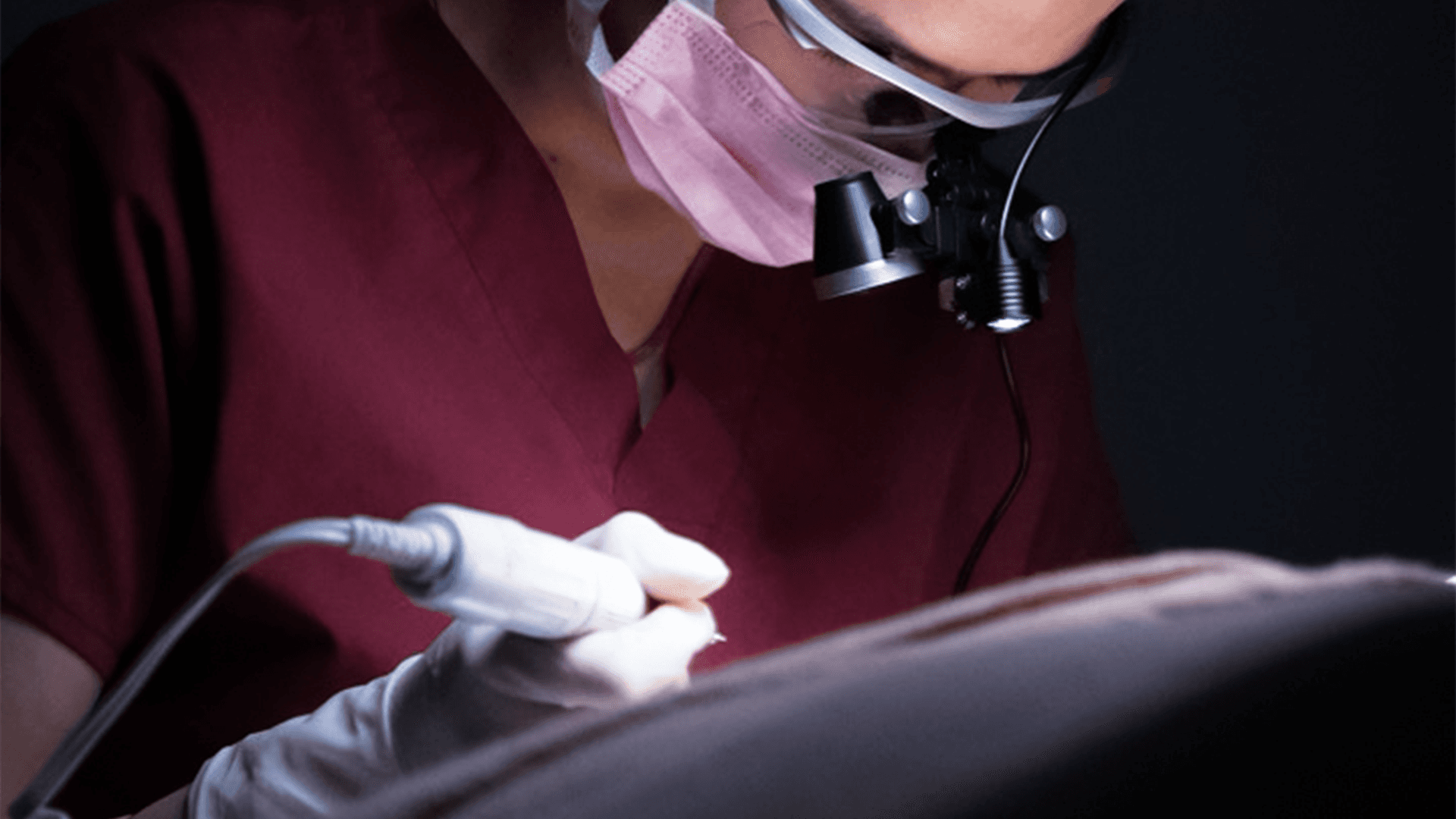
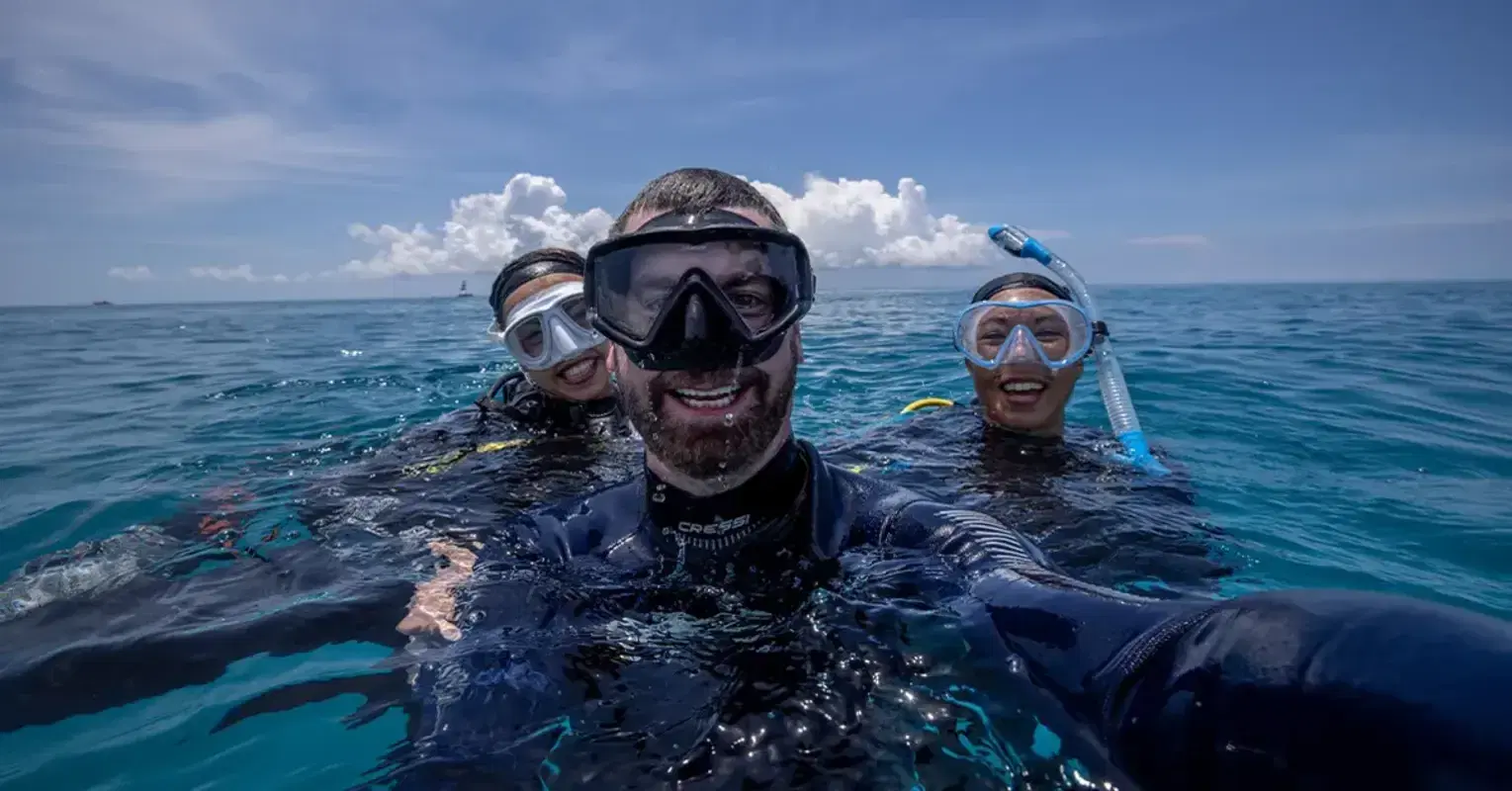
Scuba diving and snorkeling after a hair transplant should be postponed until the scalp has healed sufficiently to tolerate seawater, equipment pressure, and physical activity. Snorkeling may become possible after approximately three to four weeks, while scuba diving generally requires additional precautions because underwater equipment, physical exertion, and prolonged immersion place greater demands on postoperative recovery.
Can You Go Scuba Diving or Snorkeling After a Hair Transplant?
Returning to underwater activities after hair transplantation requires more consideration than ordinary swimming because both snorkeling and scuba diving involve prolonged water exposure and equipment that may press against the scalp. During the initial recovery period, transplanted follicles need protection while small surgical wounds close and the surrounding skin restores its normal barrier function.
The recipient area contains numerous small openings created during implantation, while the donor region also undergoes tissue healing following follicular extraction. Entering seawater before these areas have recovered may increase irritation and expose vulnerable skin to microorganisms.
Although swimming restrictions commonly last approximately two to four weeks, scuba diving requires additional attention to equipment handling, physical fitness, and the ability to respond safely underwater. The disappearance of visible crusts alone does not establish readiness for every diving activity.
Why Is Diving Too Soon After Hair Transplant Surgery Risky?
Hair transplantation temporarily disrupts the protective surface of the scalp. During the first several days, the implanted follicles become increasingly secure within the surrounding tissue, while small wounds gradually develop a new protective skin layer.
Premature underwater activity introduces several potential problems. Seawater contains microorganisms that can enter incompletely healed skin, while prolonged immersion may soften healing tissue and increase irritation. Physical movements associated with swimming can also create unnecessary friction or accidental contact with the recipient area.
Diving introduces additional challenges because equipment straps, hoods, and other accessories may press against sensitive regions. Even when the grafts have become mechanically secure, the scalp may remain uncomfortable or vulnerable to irritation.
These concerns make complete wound healing more important than simply counting the days since surgery.
Snorkeling vs Scuba Diving After Hair Transplantation
Although snorkeling and scuba diving both involve entering the water, they place different physical demands on the body and scalp.
Snorkeling After a Hair Transplant
Snorkeling usually takes place near the water's surface and generally requires less equipment than scuba diving. Nevertheless, the activity still exposes the scalp to seawater, sunlight, and possible friction from mask straps.
Swimming movements can increase physical exertion, particularly in strong currents or rough water. A mask strap positioned across the donor area may also produce discomfort if the skin remains sensitive.
Consequently, snorkeling should not resume until the scalp has completely healed and ordinary swimming is comfortable.
Scuba Diving After a Hair Transplant
Scuba diving involves additional equipment, deeper immersion, and greater physical demands. Carrying cylinders, wearing a buoyancy compensator, adjusting equipment, and entering or exiting the water can require substantial effort.
A diving mask, hood, or helmet may also create pressure against the head. Unlike snorkeling, scuba diving introduces pressure-related considerations involving the ears, sinuses, and respiratory system, although these do not directly determine whether transplanted grafts have healed.
For these reasons, readiness for scuba diving requires more than an examination of the scalp's visible appearance.
How Long After a Hair Transplant Can You Go Snorkeling?
Snorkeling is generally best postponed for approximately three to four weeks after hair transplantation, provided the recipient and donor areas have healed completely.
During the first two weeks, the scalp may still contain crusts, redness, and areas of sensitivity. Even when many crusts have disappeared, deeper layers of tissue continue recovering, making unnecessary seawater exposure undesirable.
By the third or fourth week, uncomplicated surgical wounds are often substantially healed, allowing a gradual return to activities involving water immersion. However, persistent irritation, open areas, or tenderness remain reasons to postpone snorkeling.
The first session should be relatively short and take place in calm water. Avoiding strenuous swimming and equipment that rubs against the scalp helps reduce unnecessary discomfort.
When Can You Scuba Dive After a Hair Transplant?
Scuba diving is more appropriately considered after at least four weeks of recovery, with a longer break necessary if healing remains incomplete or the activity involves considerable exertion.
There is no universally established postoperative diving interval specifically validated for hair transplantation. Four weeks therefore represents a cautious planning reference rather than automatic medical clearance.
Before returning, the scalp should be fully healed, free from infection, and capable of tolerating the pressure created by diving equipment. The diver must also be able to carry equipment, swim comfortably, and respond to underwater challenges without pain or medication-related impairment.
Medical clearance for diving is important after surgery, particularly when recovery has involved complications or diving fitness remains uncertain. A gradual return through ordinary swimming before undertaking an open-water dive is more appropriate than immediately attempting a demanding excursion.
Can Diving Masks and Straps Damage Transplanted Hair?
Diving masks commonly use adjustable straps that pass around the back or sides of the head, areas frequently used as donor regions during hair transplantation.
During early recovery, these straps may create friction against extraction sites, potentially aggravating tenderness or disturbing healing crusts. Tightening the mask excessively can also produce discomfort when the scalp remains sensitive.
The recipient region may experience additional contact when a diving hood, helmet, or other head covering is worn. Neoprene hoods can create sustained pressure, while removing them may pull against short hair or irritated skin.
Once the scalp has healed fully, ordinary mask pressure is not expected to dislodge properly established hair follicles. Nevertheless, equipment should fit comfortably without repeatedly rubbing sensitive areas.
Can Salt Water Damage Hair Transplant Grafts?
Salt water does not automatically destroy transplanted hair follicles, but exposure to seawater during early healing creates avoidable risks.
The principal concern involves the condition of the surgical wounds rather than the salt itself. Seawater can contain bacteria and other microorganisms, making immersion inappropriate when the scalp still has open or incompletely healed areas.
Salt residue may also contribute to dryness, stinging, or itching in sensitive skin. This discomfort can encourage scratching, which introduces another source of mechanical irritation.
After complete healing, occasional seawater exposure is generally easier to tolerate. Rinsing the scalp gently with fresh water after snorkeling or diving helps remove accumulated salt without aggressive rubbing.
Is Swimming in a Pool Safer Than Diving in the Sea?
Swimming pools and natural seawater present different environmental exposures, but neither should be considered suitable for fresh surgical wounds.
Chlorine helps control microorganisms in swimming pools, although it does not make pool water completely sterile. Pool chemicals may also irritate skin that remains red or sensitive following transplantation.
Seawater generally contains no added chlorine, but natural microorganisms and environmental contaminants can create additional concerns when the skin barrier has not fully recovered.
For both environments, swimming is commonly postponed for approximately two to four weeks, with immersion resumed only after adequate healing.
Patients can find further information about scalp protection, washing, and early restrictions in this hair transplant aftercare guide.
Does Underwater Pressure Affect Hair Transplant Results?
Water pressure during recreational diving does not directly compress individual hair follicles in a way known to cause graft failure after complete healing.
Once transplanted follicles have established themselves within the scalp, they are not expected to become dislodged simply because a person dives below the surface.
However, pressure changes during scuba diving affect air-filled spaces such as the middle ears and sinuses. These issues are separate from hair transplant recovery but remain relevant to safe underwater activity.
The greater scalp-related concerns involve equipment friction, prolonged immersion, and any remaining surgical wounds. A completely healed scalp is substantially better prepared to tolerate these conditions than a recently operated one.
Sun Exposure During Snorkeling and Scuba Diving
Sun protection deserves particular attention because snorkeling can leave the back of the head and exposed scalp directly under sunlight for extended periods.
Recently transplanted skin may remain sensitive to ultraviolet radiation even after visible crusts disappear. Excessive exposure can intensify redness, irritate the scalp, and contribute to unwanted pigmentation changes during recovery.
Water also reflects sunlight, making exposure possible even when the surrounding temperature feels comfortable.
Protective shade and limiting prolonged outdoor activity are particularly useful during the first several weeks. Once the scalp has healed, suitable sunscreen may be applied according to product instructions, while appropriate head protection can provide additional coverage when it does not create friction.
For broader advice on planning outdoor activities, this guide explains when to visit the beach after a hair transplant.
Does Physical Exertion During Diving Affect Hair Transplant Recovery?
Scuba diving and snorkeling can involve more physical effort than their recreational appearance suggests. Swimming against currents, climbing boat ladders, and carrying diving equipment may increase heart rate, sweating, and physical strain.
During early recovery, strenuous activity can aggravate swelling and create unnecessary discomfort around the donor and recipient areas.
The weight of scuba cylinders and other equipment also makes the activity different from gentle swimming. Carrying heavy gear may be particularly uncomfortable if the scalp remains tender or if a strip-harvesting procedure has created a donor incision.
Returning to ordinary exercise without symptoms provides a useful step before attempting more demanding underwater activities.
Does FUE or FUT Change the Diving Recovery Timeline?
Both FUE and FUT hair transplantation involve surgical wounds that must heal before swimming or diving.
FUE produces numerous small extraction sites across the donor region, while FUT involves a longer incision that is closed following strip removal. These differences can influence local tenderness, wound care, and comfort when wearing diving equipment.
FUT patients may need particular caution when carrying heavy gear or wearing tight straps near a healing donor scar. FUE patients must similarly avoid friction over extraction sites while the skin remains sensitive.
Neither procedure creates an automatic exemption from water exposure restrictions. The condition of the recipient and donor areas remains central to determining readiness.
How to Plan a Diving Holiday Around Hair Transplant Surgery
Combining a hair transplant with a beach holiday requires careful scheduling because the first postoperative weeks are not well suited to underwater activities.
Travelers planning scuba diving or snorkeling should ideally arrange these activities before surgery or leave a substantial recovery interval afterward. Booking a diving excursion immediately following transplantation creates unnecessary conflict with wound care and activity restrictions.
A holiday focused on diving is more practical when at least four weeks separate surgery from the planned activity, with extra time available if healing has not fully completed.
Travel plans should also allow flexibility for postoperative assessment and any unexpected symptoms that could require postponing water activities.
What Happens if You Accidentally Enter the Sea Too Early?
Accidental contact with seawater does not automatically mean transplanted follicles have been damaged. The level of concern depends on the extent of exposure, the condition of the scalp, and whether symptoms develop afterward.
If seawater reaches healing areas, avoid rubbing the scalp and follow the permitted gentle rinsing instructions. Prolonged soaking should not continue simply because the initial exposure caused no immediate discomfort.
Watch for increasing pain, spreading redness, swelling, unusual discharge, or fever, as these may indicate an infection or another complication requiring medical assessment.
Do not apply aggressive antiseptics or unfamiliar products in an attempt to compensate for the exposure without appropriate medical advice.
How to Prepare for Your First Dive After Recovery
Once the scalp has fully healed and diving fitness has been established, a gradual return helps reduce unnecessary irritation.
Begin with a short, easy swimming session before attempting more demanding underwater activities. Check that the diving mask and straps fit comfortably without putting excessive pressure on the donor region.
A gentle freshwater rinse after swimming can remove salt or pool chemicals, while careful drying prevents avoidable friction.
Choose calm conditions for the first return and avoid combining a long dive with intense sun exposure or strenuous activity. Any renewed scalp tenderness or irritation should prompt a reassessment before further diving.