
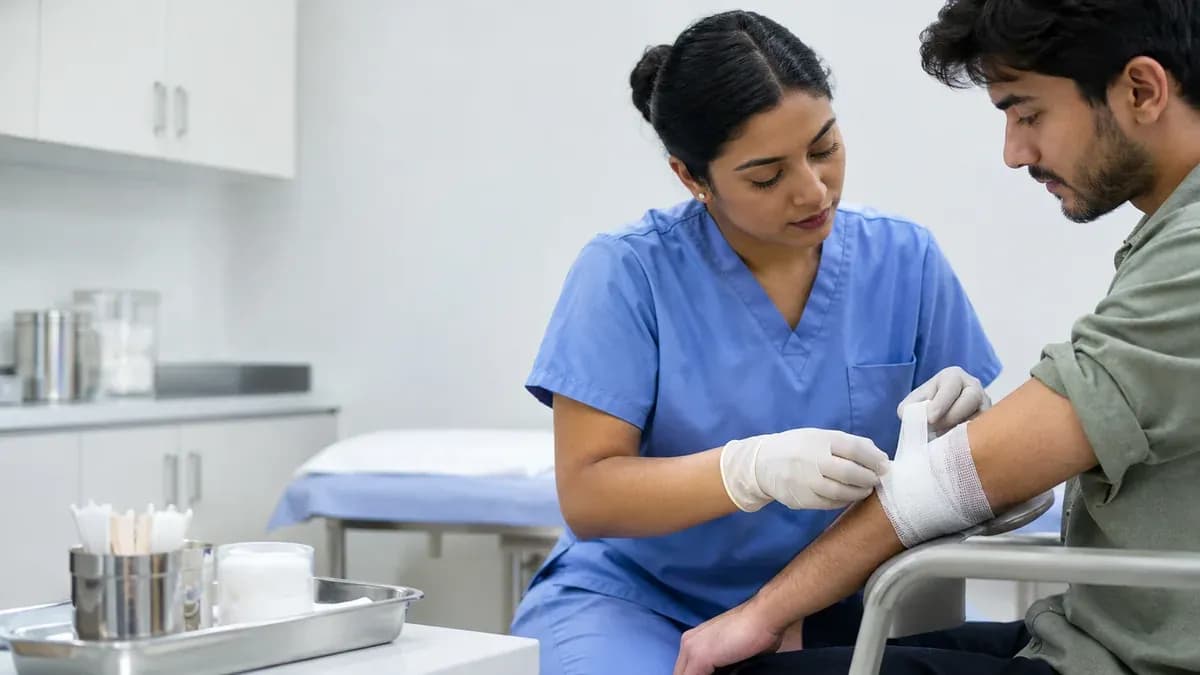
Wound care is the professional cleaning, treatment and dressing of cuts, scrapes, burns and other skin injuries. Proper care lowers the risk of infection and helps the skin heal with less scarring. Esthetic Hair Thailand provides wound care in Phuket, with gentle handling and clear aftercare advice.
Why Does Professional Wound Care Matter?
The skin is the body's first barrier against germs. Any break in it lets bacteria in. In a warm, humid climate, small wounds can become infected quickly.
A trained team cleans the wound properly, removes dirt and dead tissue and chooses the right dressing. This approach speeds healing and prevents problems that home care can miss.
Which Wounds Can We Treat?
- Cuts and scrapes: From kitchen knives, falls, scooter slides and sports.
- Burns: Minor burns from heat, sun, hot liquids or exhaust pipes.
- Insect bites and stings: Especially when they swell, spread or look infected.
- Animal scratches and bites: Which need careful cleaning and a review of tetanus protection.
- Coral and sea injuries: Which carry a high risk of infection.
- Infected wounds: Red, warm, painful or draining wounds.
- Post-procedure wounds: Dressing changes and checks after minor surgery.
When Should You Visit the Clinic?
Do not wait if you notice any of the following.
- The wound is deep, gaping or will not stop bleeding.
- Dirt, gravel or a foreign object remains inside.
- The skin around the wound turns red, hot or swollen.
- Pus, a bad smell or red streaks appear.
- You develop a fever.
- The injury came from an animal, a rusty object or the sea.
- You are unsure about your tetanus protection.
- You have diabetes or poor circulation, which slow healing.
Large, deep or bleeding heavily? Apply firm pressure with a clean cloth and seek urgent care.
How Does Wound Care Work?
- Assessment: The doctor examines the wound, checks its depth and asks how it happened.
- Cleaning: The team washes the wound with sterile solution and removes dirt or dead tissue.
- Numbing and repair: When needed, the doctor numbs the area and closes the wound. See minor surgery and suturing for details.
- Dressing: The nurse applies a dressing that suits the wound and the location.
- Medication and advice: The doctor prescribes antibiotics or tetanus protection when indicated and explains aftercare.
Most visits are short, and you leave with clear written instructions.
What Dressings Do We Use?
Modern dressings keep the wound moist and clean, which supports faster healing. The team selects the type based on the wound.
- Non-stick gauze for light wounds.
- Waterproof dressings for wounds that need to stay dry in the shower.
- Hydrocolloid or foam dressings for wounds that drain.
- Burn dressings for blistered skin.