Esthetic Hair Logo header svg
Pattern Baldness (Androgenetic Alopecia) in Men and Women
Badge Icon

intro

Pattern Baldness (Androgenetic Alopecia) in Men and Women

Pattern baldness, also called androgenetic alopecia, is the most common type of hair loss in both men and women. It develops gradually, often starting with thinning in specific areas of the scalp, and can progress to noticeable baldness over time. Understanding the causes, symptoms, and available treatments for pattern baldness can help manage this condition more effectively.

Share

Start Your Personalized Hair Treatment Journey

Book a consultation and discover the most effective hair transplant or therapy option tailored to your hair needs and expectations.

What Is Pattern Baldness (Androgenetic Alopecia)?

What Is Pattern Baldness (Androgenetic Alopecia)?


Pattern baldness is a hereditary condition that affects the normal hair growth cycle. Hair follicles become genetically sensitive to dihydrotestosterone (DHT), a hormone derived from testosterone. This sensitivity causes the follicles to shrink over time.

As follicles shrink, the growth phase of hair (anagen phase) becomes shorter. Each new hair grows thinner, weaker, and lighter in color. Eventually, affected follicles may stop producing visible hair altogether.

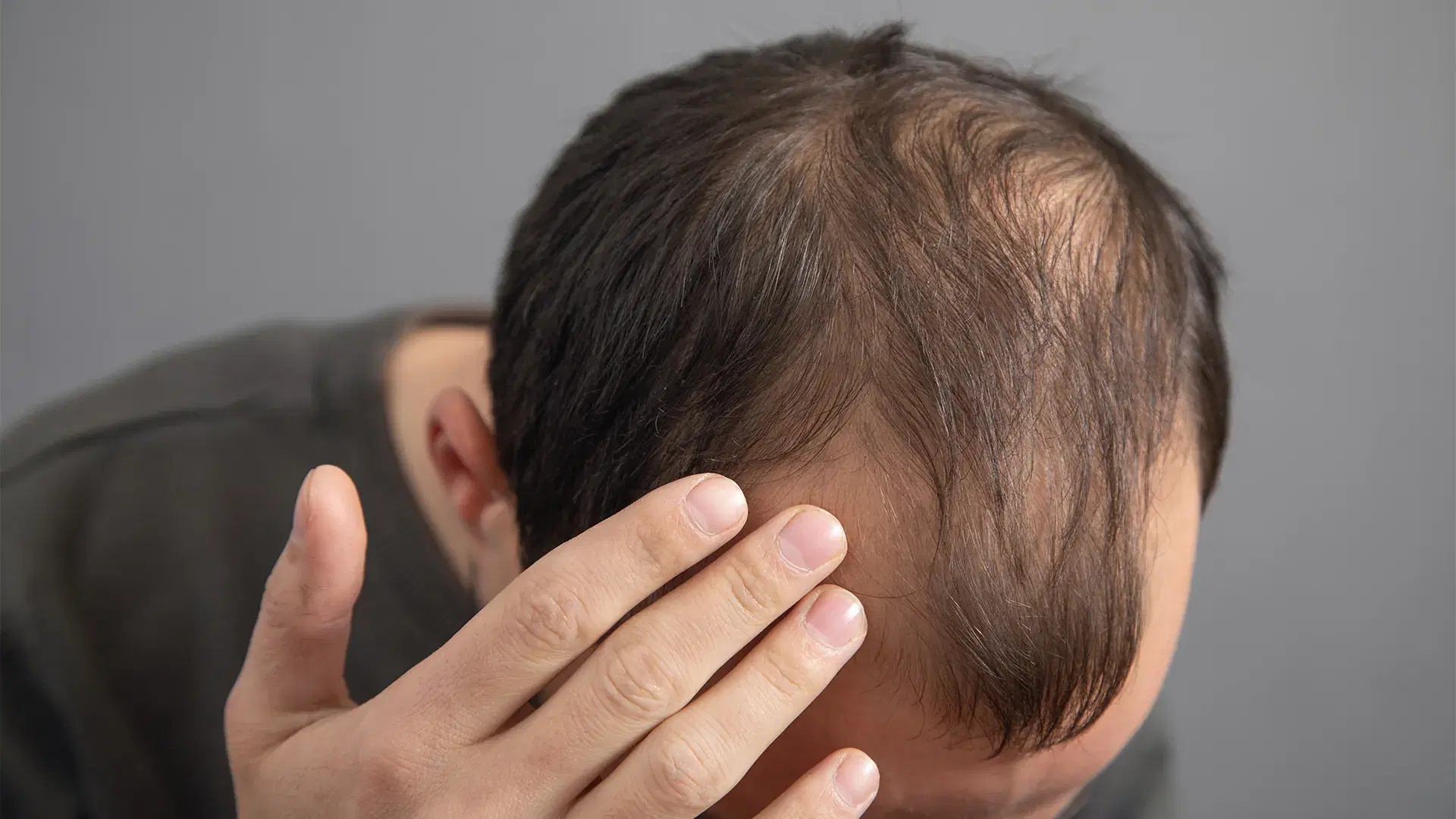
In men, pattern baldness typically appears as a receding hairline and thinning at the crown. In women, it usually presents as diffuse thinning across the top of the scalp, while the frontal hairline remains mostly intact.


Causes of Pattern Baldness

Causes of Pattern Baldness


Pattern baldness develops due to a combination of genetic inheritance and hormonal sensitivity. These factors affect how hair follicles grow, weaken over time, and gradually lead to thinning or hair loss.


Genetic Predisposition

Genetics play the most significant role in pattern baldness. If close family members experienced hair thinning or baldness, the risk is higher. This inherited trait determines how sensitive hair follicles are to DHT.

Pattern baldness can be inherited from either parent and may start earlier or later depending on genetic makeup.


Hormonal Influence (DHT)

DHT is the main hormonal trigger behind androgenetic alopecia. When DHT binds to receptors in susceptible hair follicles, it gradually weakens them.

This process does not happen overnight. Over repeated hair cycles, follicles become smaller and less productive. The result is progressive thinning rather than sudden hair loss.

Hormonal fluctuations can also influence the speed of progression, especially in women during menopause or after major hormonal changes.

Symptoms of Pattern Baldness in Men

Symptoms of Pattern Baldness in Men

Pattern baldness in men follows a recognizable pattern, usually beginning with gradual thinning in specific areas of the scalp. Early signs often become more noticeable over time without treatment.

Receding Hairline

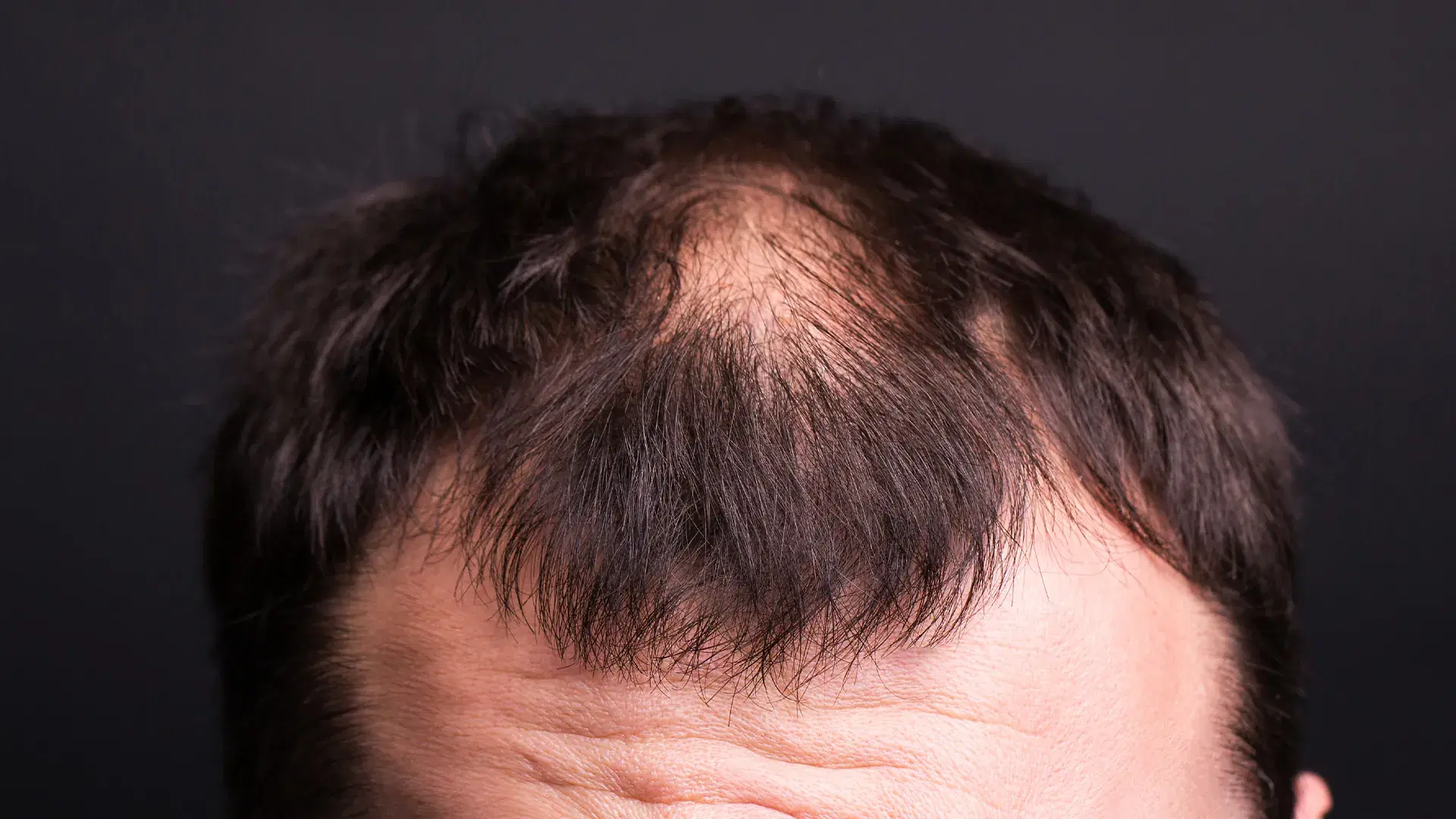
One of the earliest signs of male pattern baldness is recession at the temples. Over time, this creates an “M” or “V” shaped hairline.


Crown Thinning

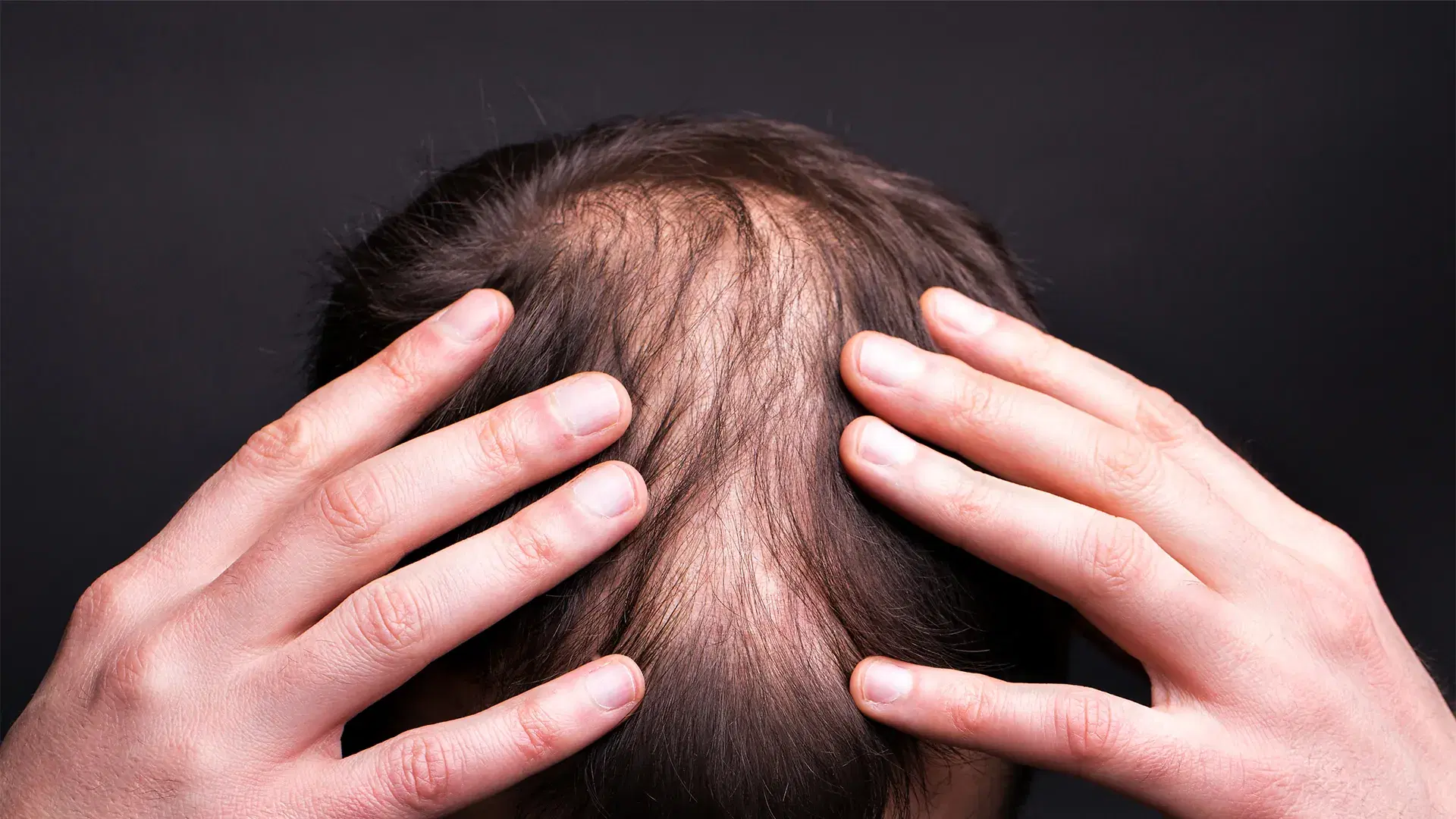
Thinning at the crown is another common early symptom. The scalp may become more visible, especially under bright lighting.


Progressive Baldness

As pattern baldness advances, the frontal and crown areas may expand and eventually connect. Some men experience partial thinning, while others progress to advanced baldness depending on genetics and treatment timing.

Symptoms of Pattern Baldness in Women

Symptoms of Pattern Baldness in Women

Pattern baldness in women appears more subtly than in men and usually develops as overall thinning rather than visible bald spots. The changes progress gradually and can affect hair volume and part width.


Diffuse Thinning on the Crown

Women usually notice overall thinning on the top of the scalp rather than specific bald patches. Hair density gradually decreases across a wider area.


Widening Hair Part

A widening hair part is often one of the first visible signs. The scalp becomes easier to see through the hair.


Reduced Volume and Strength

Hair may feel finer, weaker, and harder to style. Ponytails and braids often appear thinner over time.

Unlike men, women rarely develop a receding hairline or complete baldness.

How Pattern Baldness Progresses

How Pattern Baldness Progresses


Pattern baldness progresses in stages and usually follows a predictable pattern. Each hair growth cycle becomes shorter, while the resting phase becomes longer.

Over time, fewer hairs enter the growth phase, leading to reduced density. Without treatment, follicles may become permanently inactive.

The speed of progression varies. Some people notice changes in their early twenties, while others may not see significant thinning until later in life.

Early diagnosis and treatment can slow or stabilize hair loss and improve long-term outcomes.


Diagnosis of Pattern Baldness

Diagnosis is usually based on medical history, family history, and scalp examination. In some cases, dermatoscopic analysis or blood tests may be used to rule out other causes such as nutritional deficiencies or hormonal disorders.

Accurate diagnosis is essential, as not all hair loss is caused by androgenetic alopecia.


Treatments for Pattern Baldness

Treatments for Pattern Baldness

Treatment options aim to slow hair loss, stimulate regrowth, or restore hair density. The best approach depends on the stage of hair loss and individual goals.


Medications

Minoxidil is a topical treatment that improves blood flow to hair follicles and extends the growth phase. It is commonly used by both men and women.

Finasteride is an oral medication that lowers DHT levels in the scalp. It is mainly prescribed for men and helps prevent further follicle damage. In some cases, Dutasteride may be considered under medical supervision.

Results require long-term and consistent use.


Hair Transplant Surgery

For advanced pattern baldness, hair transplant surgery provides a permanent solution. Techniques such as FUE and DHI involve relocating healthy, DHT-resistant follicles from donor areas to thinning or bald regions.

Transplanted hair grows naturally and blends with existing hair. Modern methods focus on natural hairline design and density planning.


Supportive Treatments

PRP therapy, low-level laser therapy, and scalp treatments can support follicle health and improve results when combined with medication or surgery.

These treatments help improve blood circulation, reduce inflammation, and strengthen existing hair.


DHT Blockers and Shampoos

Shampoos containing ketoconazole or botanical DHT blockers can help maintain scalp health. While they cannot stop hair loss alone, they complement medical treatment and reduce scalp irritation.

Living With Pattern Baldness


Pattern baldness can affect self-image and emotional well-being. Many people experience frustration or anxiety as hair loss progresses.

Combining medical treatment with healthy lifestyle habits can make a noticeable difference. Proper nutrition, stress management, adequate sleep, and gentle hair care all support scalp health.

Seeking professional advice helps set realistic expectations and avoid ineffective treatments.


Prevention and Early Management


While pattern baldness cannot be completely prevented, early action can significantly slow its progression. Starting treatment at the first signs of thinning preserves existing hair and improves overall outcomes.

Avoiding harsh styling practices, managing stress, and addressing underlying health issues also play a supportive role.


When to See a Doctor

Not all hair loss is androgenetic alopecia. Sudden shedding, patchy hair loss, scalp pain, or redness may indicate other medical conditions.

If hair loss begins suddenly, worsens rapidly, or appears unusual, consulting a dermatologist or hair restoration specialist is essential. A proper diagnosis ensures the most effective and safe treatment plan.