
Esthetic Hair Clinic logo

Science Behind the Art

Afro Hair Transplant in Turkey

Afro hair transplant in Turkey is a specialized hair restoration procedure designed for individuals with tightly curled or coiled hair. Because Afro-textured hair has a unique follicle structure that curves beneath the scalp, the procedure requires advanced expertise and careful graft extraction to achieve natural-looking results.

Afro-textured hair often has curved follicles under the skin, so extraction and implantation require careful technique. The donor area, curl pattern, hair calibre, scalp condition, and hairline design should be assessed before surgery. Graft extraction may be more technically demanding because curved follicles can be easier to damage. Placement also needs attention to angle, direction, and natural curl behavior.

Causes Of Afro Hair Loss
Badge Icon

Causes

What Makes Afro Hair Transplant Different?

Afro hair transplant is different because Afro-textured hair has a unique follicle structure that requires specialized techniques and expertise. While the hair appears tightly curled above the scalp, the follicle itself is also curved beneath the skin, making extraction and implantation more complex than with straight or wavy hair.

Curved Hair Follicles

The most significant difference is the natural curvature of Afro hair follicles. During graft extraction, surgeons must carefully follow the follicle's curved path to avoid damaging the grafts. This requires advanced skills and experience in Afro hair restoration.

Lower Graft Transection Risk Management

Because of the curved follicles, there is a higher risk of accidentally cutting or damaging hair grafts during extraction. Specialized tools and techniques help minimize graft transection and improve survival rates.

Natural Density and Coverage

Afro hair naturally provides excellent visual coverage due to its curl pattern. As a result, fewer grafts may be needed to achieve the appearance of fuller hair compared to straight hair types.

Hairline Design Considerations

Creating a natural-looking hairline for Afro hair requires careful planning. The angle, direction, and curl pattern of transplanted hairs must match the patient's natural hair characteristics to ensure seamless results.

Specialized Experience Matters

Not all hair transplant surgeons have extensive experience with Afro-textured hair. Choosing a clinic that regularly performs Afro hair transplant procedures is essential for achieving optimal graft survival, natural density, and aesthetically pleasing outcomes.

Badge Icon

info

Understanding Afro Hair Transplant

An Afro hair transplant is a specialized hair restoration procedure designed for people with Afro-textured hair, which requires unique techniques due to the natural curl pattern of the hair follicles. Unlike straight or wavy hair, Afro hair follicles curve beneath the scalp, making extraction and implantation more complex and demanding greater surgical expertise.

The defining feature of Afro hair is its tightly coiled structure. This curl pattern extends below the skin, meaning the follicles are curved rather than straight. As a result, surgeons must use specialized techniques to extract grafts without damaging them. Proper handling of these follicles is essential for achieving successful and long-lasting results.

Understanding Afro Hair Transplant
Badge Icon

Method

DHI for Afro Hair Transplant

DHI (Direct Hair Implantation) for Afro hair transplant is an advanced hair restoration technique that can deliver natural-looking results when performed by a surgeon experienced in Afro-textured hair. Because Afro hair follicles are naturally curved beneath the scalp, the procedure requires specialized skills and careful handling throughout the transplantation process.

Afro-textured hair presents unique challenges due to its curved follicle structure. During a DHI procedure, each graft must be carefully extracted and implanted to avoid damage and maintain the natural curl pattern. When performed correctly, DHI can help achieve seamless results that blend naturally with existing hair.

DHI for Afro Hair Transplant
Badge Icon

Procedure

How Afro Hair Transplant Works

Afro hair transplant requires a specialized approach because curly follicles grow beneath the scalp at unique angles. The procedure is carefully planned to protect each graft and achieve natural density.

1
<h3><span style="color: rgb(247, 248, 248);">Consultation and Hair Analysis</span></h3>

Consultation and Hair Analysis

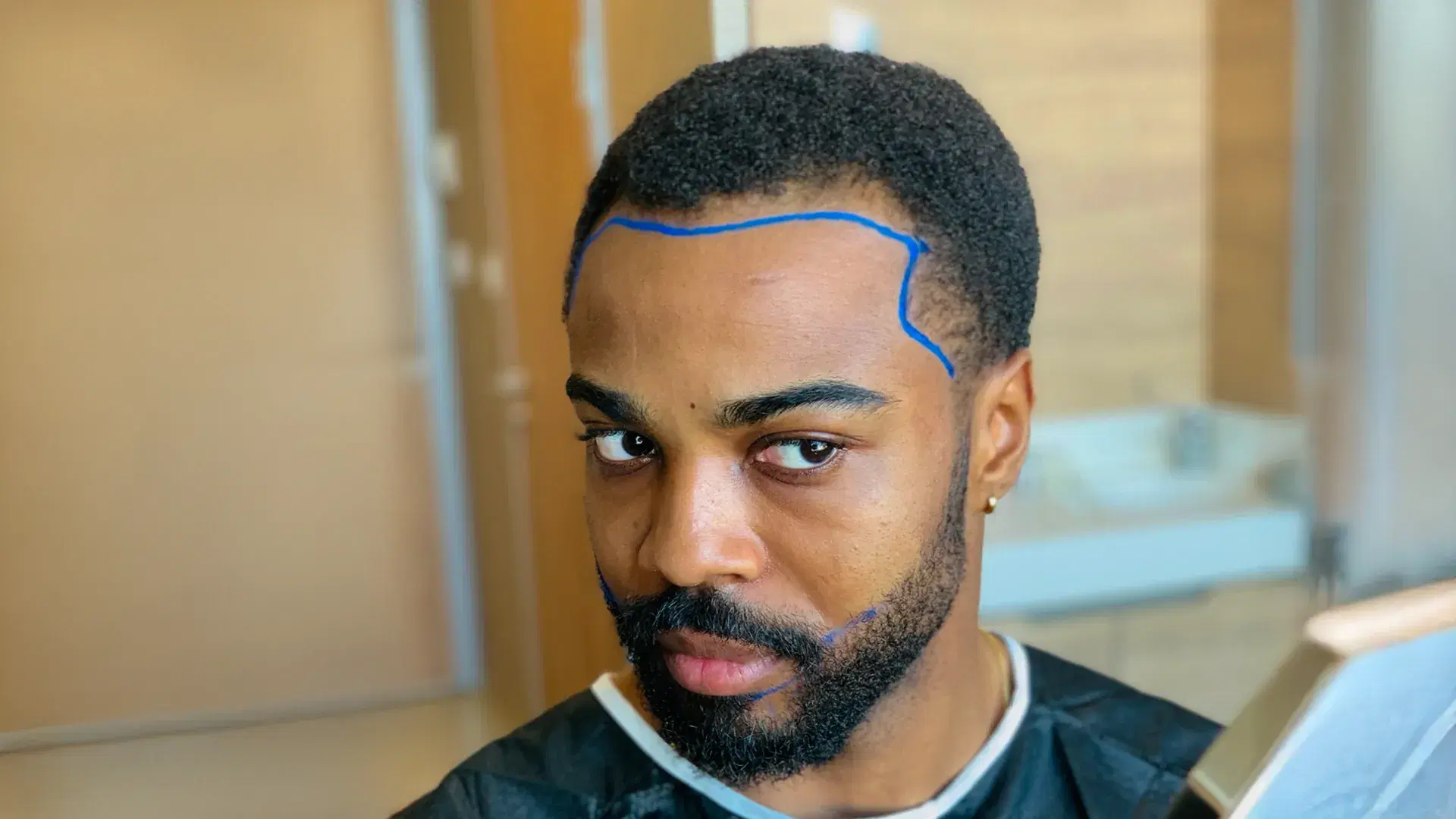
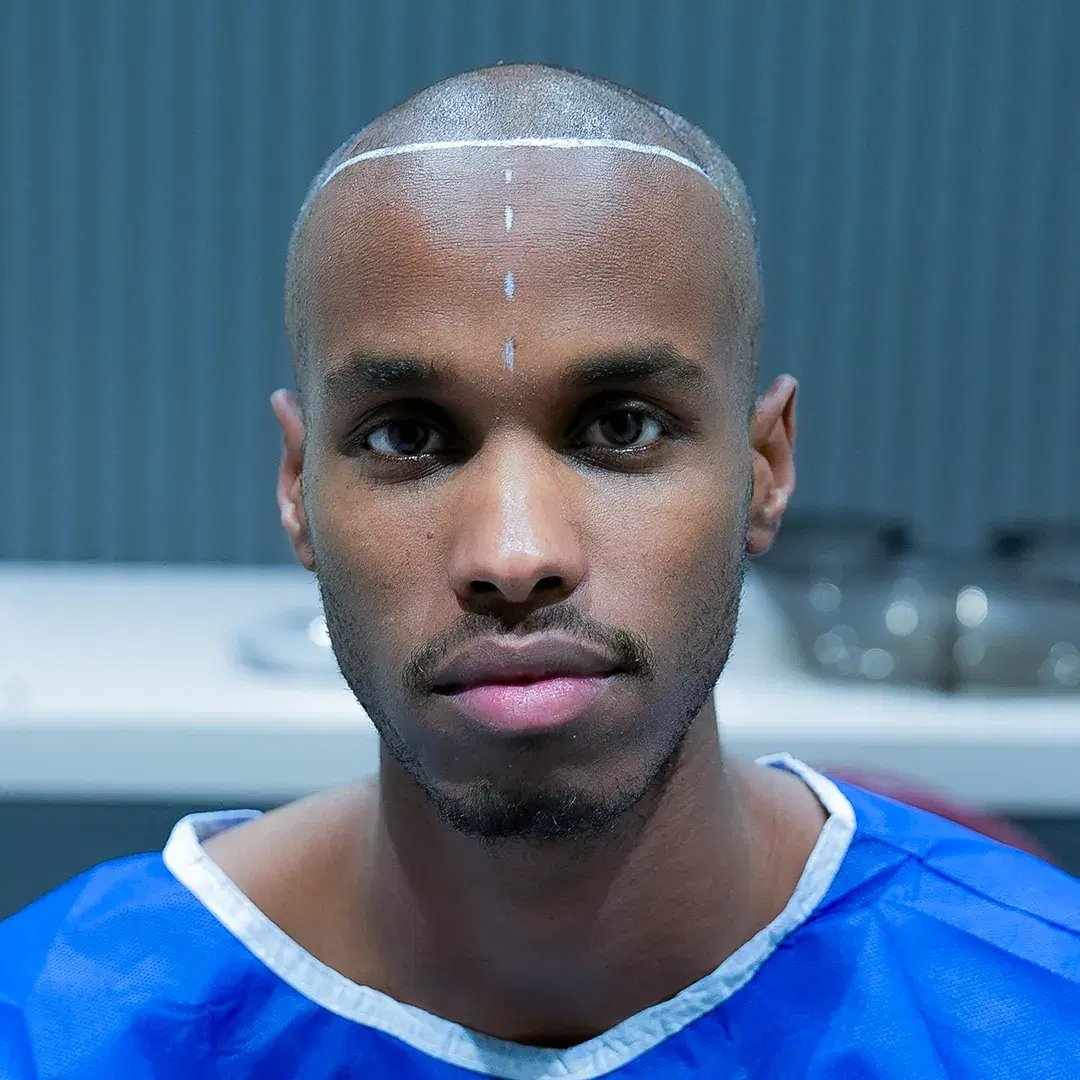
The process starts with a detailed scalp and hair analysis. The surgeon evaluates curl pattern, donor strength, and hair density to design a hairline that suits Afro-textured hair naturally. This step is critical, no copy-paste hairlines here.

2
<h3><span style="color: rgb(247, 248, 248);">Preparation and Local Anesthesia</span></h3>

Preparation and Local Anesthesia

On the day of the procedure, the donor and recipient areas are prepared. Local anesthesia is applied, so you stay awake but feel no pain during the transplant.

3
<h3><span style="color: rgb(247, 248, 248);">Careful Donor Extraction</span></h3>

Careful Donor Extraction

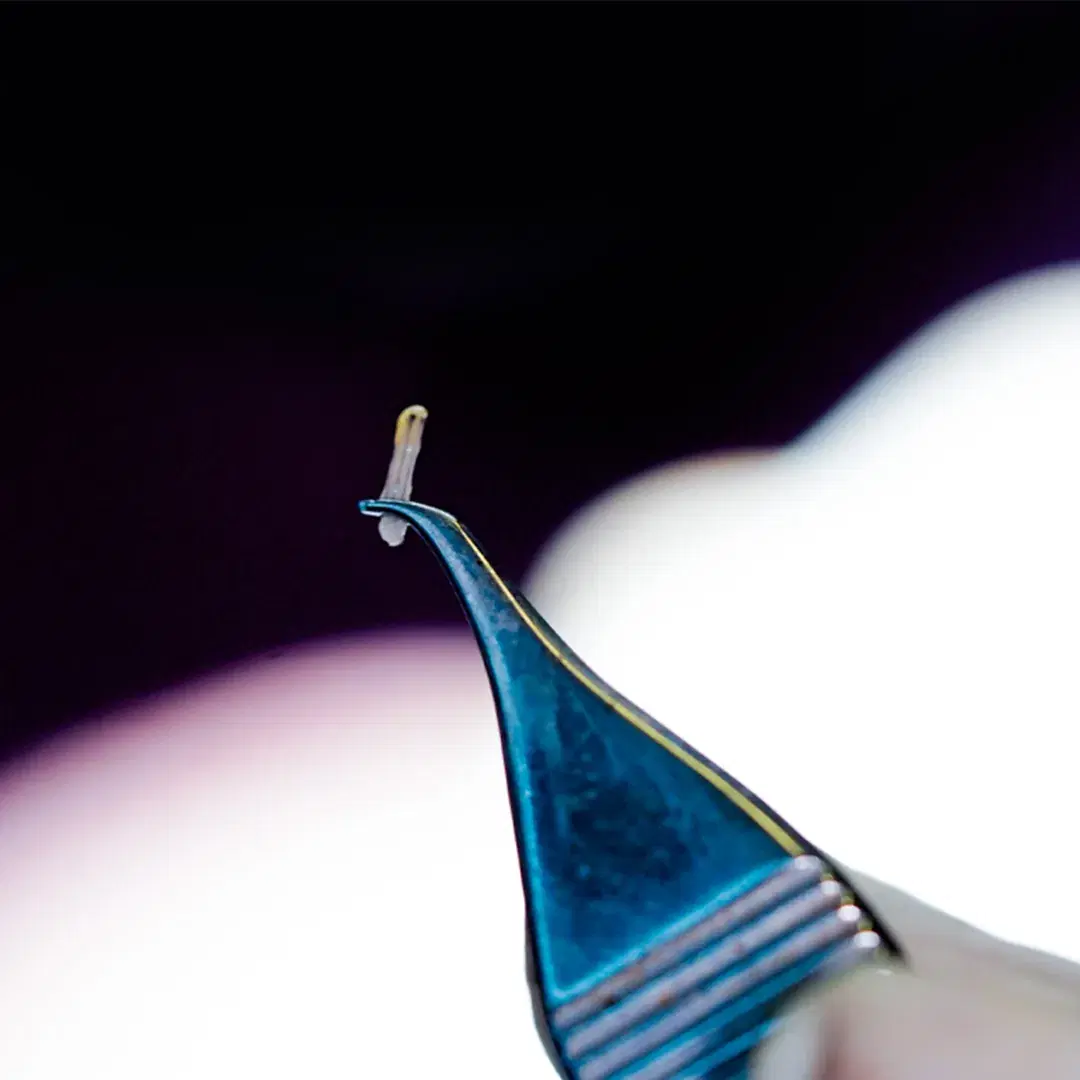
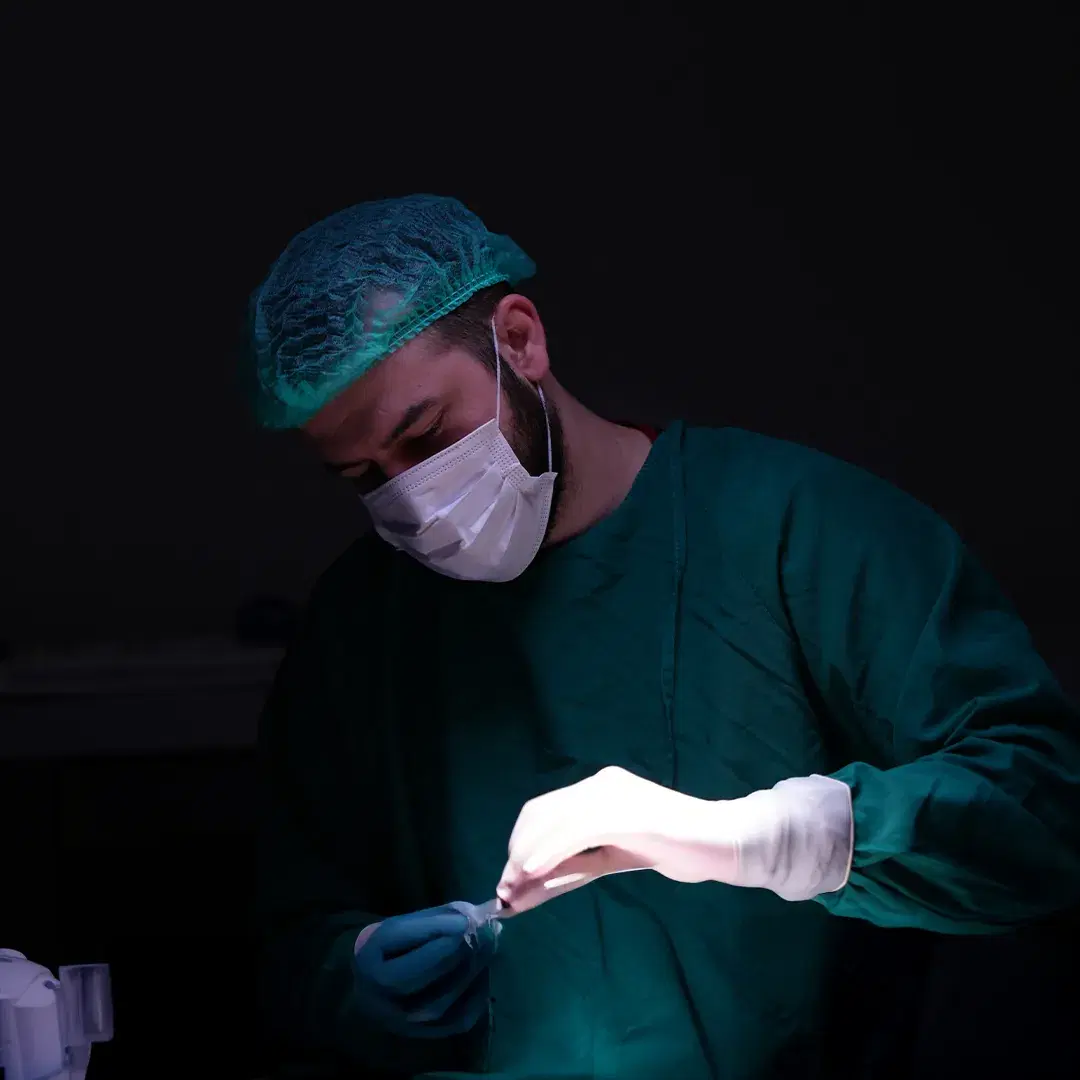
Hair follicles are extracted one by one from the donor area, usually the back of the scalp. Because Afro hair follicles are curved under the skin, extraction is done slowly and precisely to avoid graft damage.

4
<h3><span style="color: rgb(247, 248, 248);">Graft Handling and Protection</span></h3>

Graft Handling and Protection

Each extracted follicle is carefully preserved to maintain its natural curl structure. Proper handling at this stage directly affects survival rate and final texture.

5
<h3><span style="color: rgb(247, 248, 248);">Implantation into the Recipient Area</span></h3>

Implantation into the Recipient Area

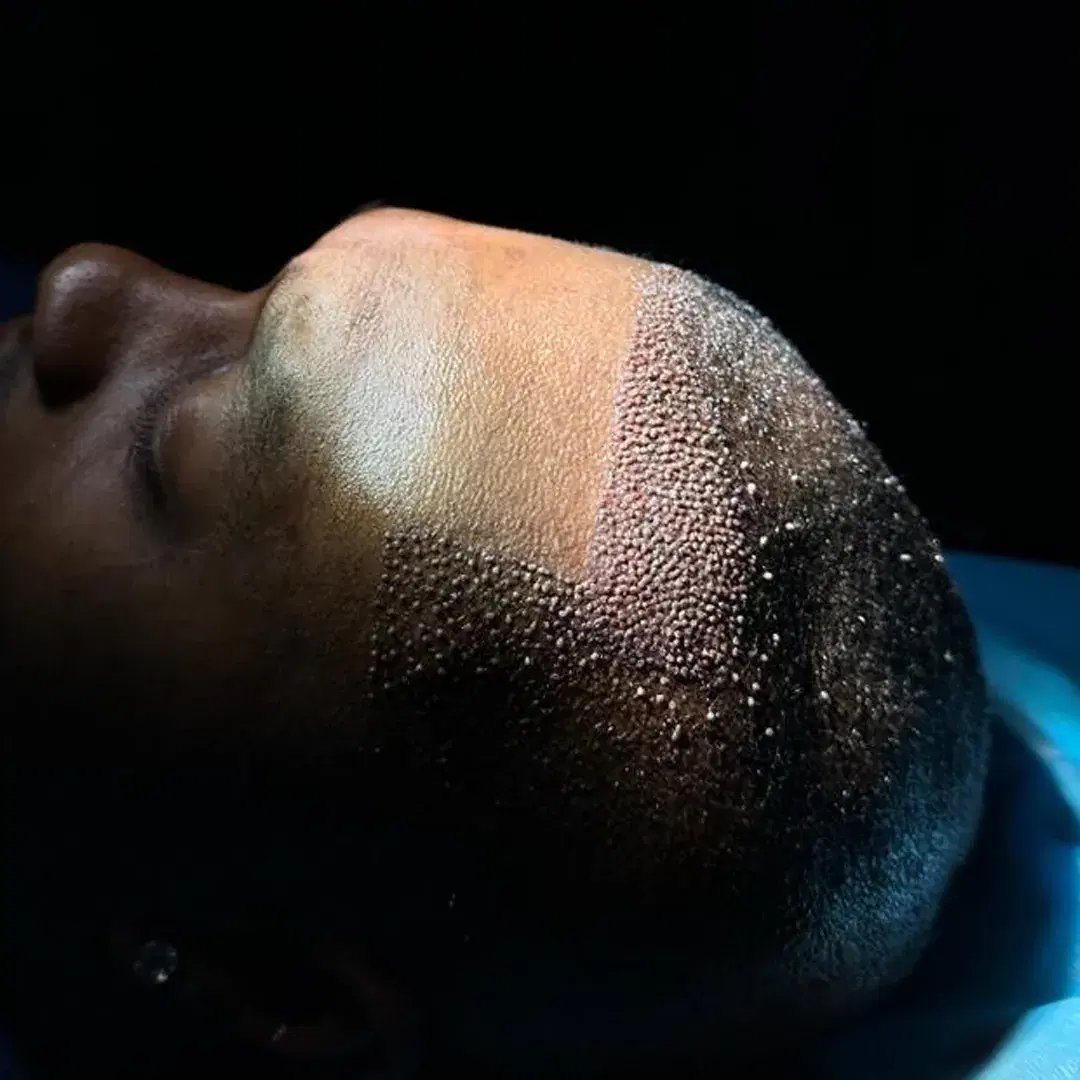
Using advanced implantation techniques, often DHI for maximum control, grafts are placed at the correct angle and depth. This ensures the transplanted hair grows with the same curl pattern and direction as your existing hair.

6
<h3><span style="color: rgb(247, 248, 248);">During the Procedure</span></h3>

During the Procedure

The transplant can take several hours depending on the number of grafts. You can rest, listen to music, and take breaks if needed. Most patients describe it as comfortable and relaxed.

7
<h3><span style="color: rgb(247, 248, 248);">Immediately After the Transplant</span></h3>

Immediately After the Transplant

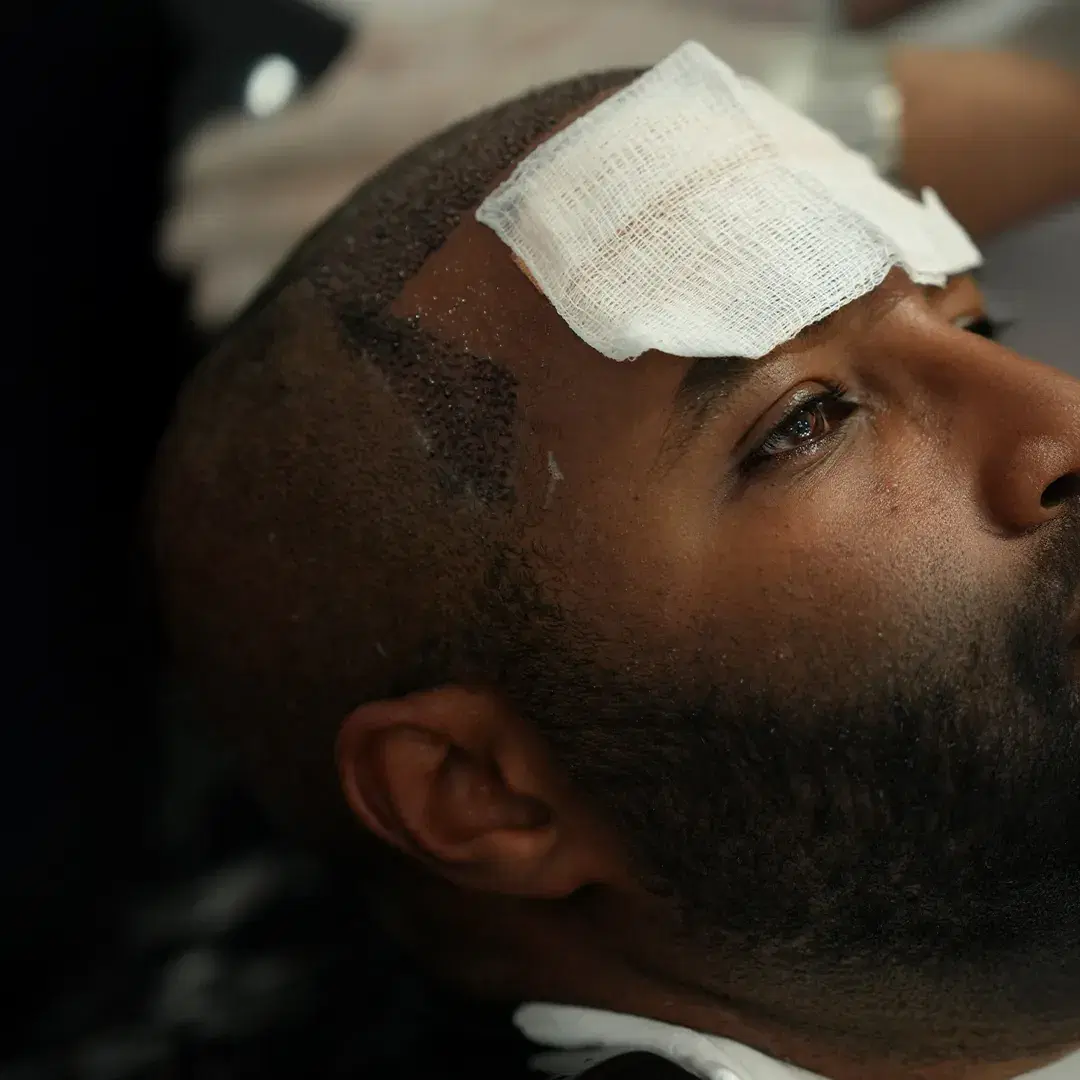
Once implantation is complete, the scalp is cleaned and checked. Mild redness is normal, but discomfort is minimal. You’ll receive clear aftercare instructions before leaving the clinic.

8
<h3><span style="color: rgb(247, 248, 248);">First Days After the Procedure</span></h3>

First Days After the Procedure

You can usually return to daily activities shortly after. The transplanted area is discreet, and healing begins quickly when proper aftercare is followed.

Badge Icon

Result

Aftercare and Recovery

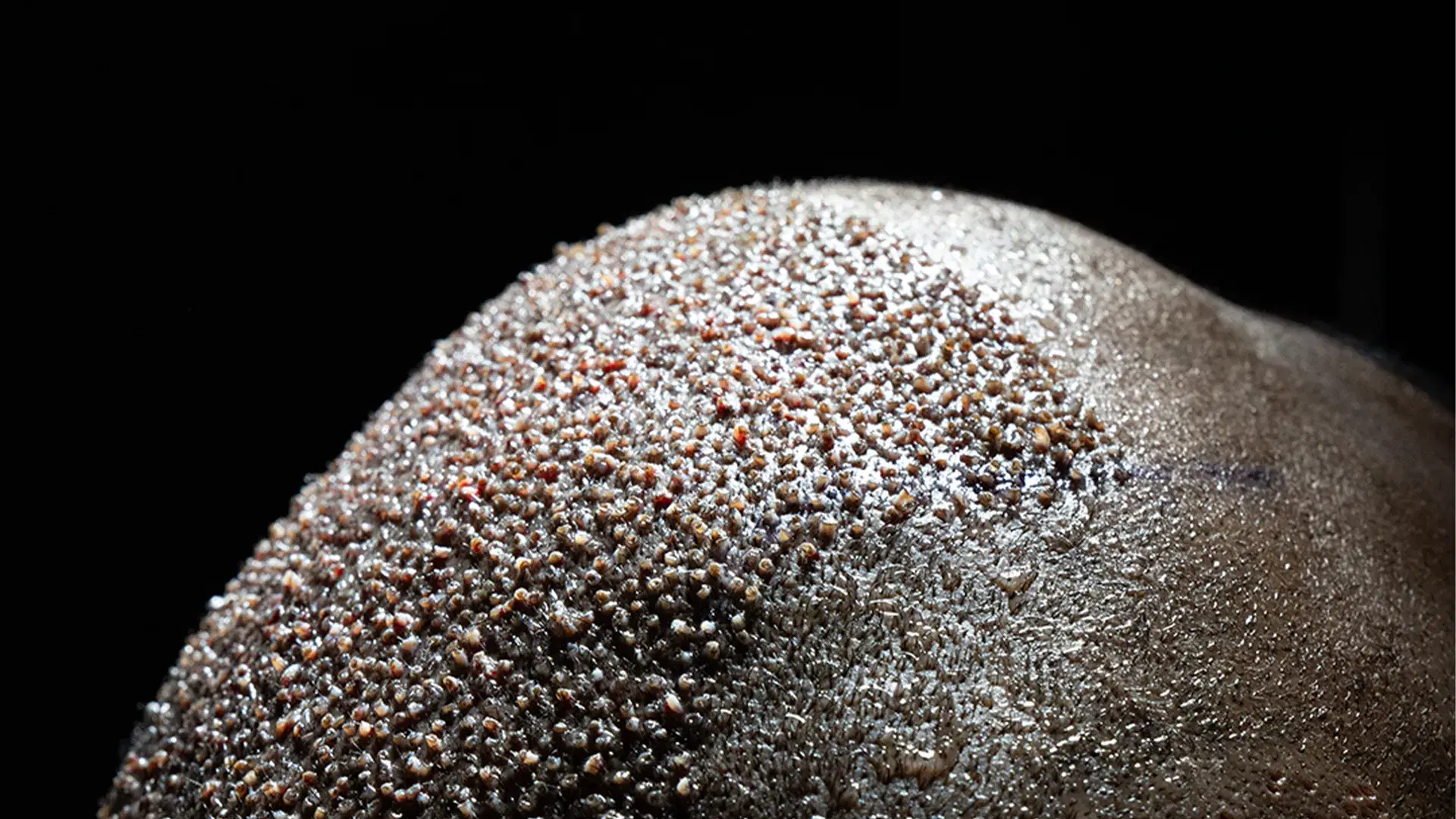
Recovery after a DHI procedure for afro textured hair is typically smooth and well tolerated. Mild redness or slight sensitivity may appear during the first few days, but because the technique is minimally invasive, the healing process is generally faster with limited visible scabbing. Proper aftercare is essential to protect the newly implanted grafts and support healthy growth.


How To Care For Transplanted Afro Hair

• Keep the scalp clean and gently moisturized according to medical instructions.
• Avoid tight braids, twists, or any hairstyle that creates tension on the new grafts.
• Sleep with your head slightly elevated during the first few nights.
• Protect the scalp from direct sun exposure in the early healing phase.
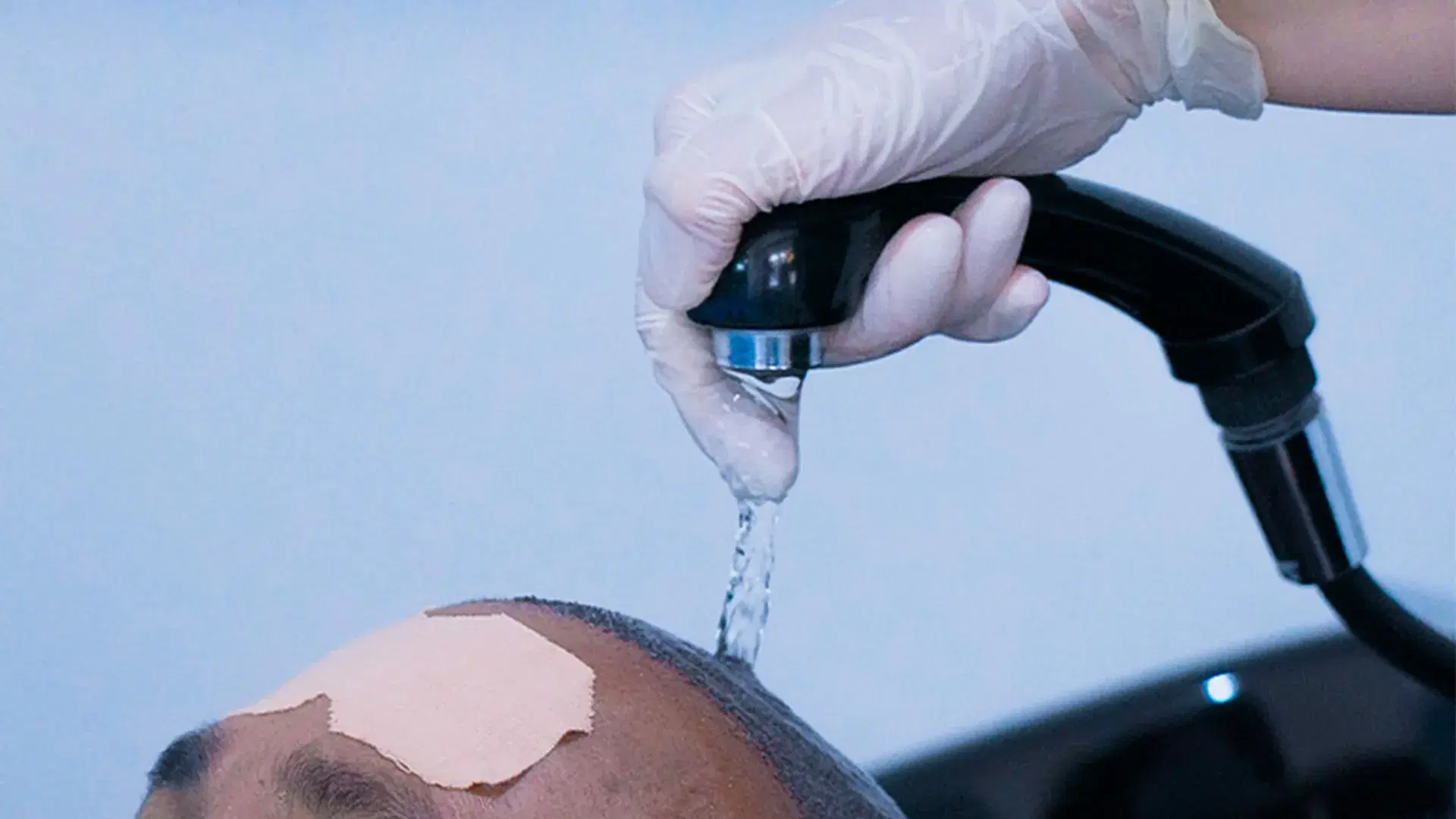
• Follow your doctor’s washing and medication schedule carefully.
• Be patient, as curly hair patterns take time to fully form and settle naturally.

For detailed recovery steps, read our guide on after hair transplant care.

Afro Hair Transplant Aftercare and Recovery

Afro Hair Transplant in Turkey Cost 2026

Afro hair transplant in Turkey cost in 2026 generally ranges between $2,000 and $5,500. The final price depends on graft number, hair loss level, technique, and package details.

Start Your Personalized Hair Treatment Journey

Book a consultation and discover the most effective hair transplant or therapy option tailored to your hair needs and expectations.

Who Is a Good Candidate for Afro Hair Transplant?

A good candidate for an Afro hair transplant is someone with stable hair loss, healthy donor hair, and realistic expectations about the results. Afro-textured hair has a naturally curly structure, so the procedure requires careful planning and an experienced hair transplant specialist.

  • People with male or female pattern hair loss: Afro hair transplant can help restore thinning areas, receding hairlines, and bald spots.

  • People with healthy donor hair: The back or sides of the scalp should have enough strong hair follicles for transplantation.

  • People with stable hair loss: Candidates usually get better results when hair loss has slowed or stabilized.

  • People with traction alopecia: Hair loss caused by tight braids, weaves, dreadlocks, or extensions may improve with a transplant if the scalp is healthy.

  • People with realistic expectations: A hair transplant can improve density and hairline shape, but it may not create unlimited thickness.

  • People in good general health: Conditions such as uncontrolled diabetes, active scalp infections, or bleeding disorders may affect suitability.

  • People without active scalp inflammation: Issues like severe dandruff, dermatitis, or scarring conditions should be treated before surgery.

  • People willing to follow aftercare: Proper washing, medication use, and follow-up care are important for healthy graft growth.

How Is Afro Hair Transplant Performed in Turkey?

An Afro hair transplant in Turkey is performed using specialized techniques that account for the unique curved structure of Afro-textured hair follicles. The procedure typically involves extracting healthy hair follicles from the donor area and transplanting them into areas affected by hair loss while preserving the natural curl pattern and density of the hair.

The process begins with a detailed consultation. The surgeon evaluates the extent of hair loss, donor hair quality, scalp condition, and the characteristics of the patient's Afro-textured hair. Based on this assessment, a personalized treatment plan is created, including the number of grafts needed and the most suitable transplant technique.

The donor area is usually located at the back or sides of the scalp, where hair is more resistant to thinning. During extraction, special care is taken because Afro hair follicles curve beneath the skin. Surgeons use advanced tools and techniques to follow the natural follicle shape and minimize graft damage.

After extraction, the hair follicles are carefully sorted and prepared under magnification. Each graft is inspected to ensure it remains healthy and suitable for transplantation.

The surgeon creates recipient sites in the thinning or bald areas and implants the grafts according to the natural angle, direction, and curl pattern of the existing hair. This step is crucial for achieving a natural-looking hairline and balanced density.

Afro Hair Transplant for Traction Alopecia

An Afro hair transplant can be an effective solution for traction alopecia when hair loss is permanent and the affected area no longer shows signs of natural regrowth. Because traction alopecia is common among individuals with Afro-textured hair, specialized transplant techniques are often required to restore a natural-looking hairline and improve hair density.

Traction alopecia is a type of hair loss caused by prolonged tension on the hair follicles. It is often associated with tight hairstyles such as braids, cornrows, weaves, dreadlocks, tight ponytails, and hair extensions. Over time, constant pulling can damage the follicles and lead to thinning or permanent hair loss, particularly around the hairline and temples.

How Many Grafts Are Needed for Afro Hair Transplant?

Afro hair transplant usually requires 1,500 to 4,000 grafts, depending on hair loss level and coverage goals. The exact graft number depends on the size of the thinning area, donor density, hair calibre, curl pattern, and desired density. Afro-textured hair can create good visual coverage because curly hair adds volume and shadow.

This means some patients may need fewer grafts than straight-haired patients for a similar visual effect. However, aggressive graft planning can overuse the donor area and reduce future options. A safe plan balances coverage, natural density, and long-term donor preservation.

How Natural Can Afro Hair Transplant Look?

Afro hair transplant can look natural when the hairline, graft angle, curl direction, and density are planned correctly. Natural results depend on placing grafts in a way that follows the patient’s original curl pattern and facial proportions. The frontal hairline should avoid a sharp, artificial edge and should match the person’s age and hair characteristics. Because Afro hair grows with texture and volume, density must be planned carefully rather than simply maximised.

Does Transplanted Afro Hair Grow Curly?

Yes, transplanted Afro hair usually grows curly because the curl pattern comes from the transplanted hair follicle. Hair follicles taken from the donor area keep their biological characteristics after transplantation. This means Afro-textured grafts generally continue to produce curly, coiled, or tightly textured hair. Early growth may look finer, softer, or uneven before the hair matures.

Afro Hair Transplant Risks and Side Effects

Afro hair transplant risks and side effects include swelling, redness, itching, temporary shedding, infection risk, and possible scarring if the procedure is not performed correctly. Because Afro-textured hair has curved follicles beneath the skin, the surgery requires extra skill to protect the grafts and create natural-looking results.

  • Swelling: Mild swelling around the forehead or scalp can occur in the first few days after surgery.

  • Redness and tenderness: The donor and transplant areas may feel sensitive while the scalp heals.

  • Itching: Itching is common during healing, but scratching can damage grafts and increase infection risk.

  • Temporary shedding: Transplanted hairs may fall out a few weeks after the procedure. This is usually part of the normal growth cycle.

  • Infection: Poor hygiene or improper aftercare may lead to infection in the treated areas.

  • Bleeding or crusting: Small scabs and light bleeding can appear after graft placement.

  • Scarring: People with darker skin tones may have a higher risk of visible scarring or keloid formation, especially if they are prone to keloids.

  • Ingrown hairs: Curly hair can increase the chance of ingrown hairs during regrowth.

  • Uneven density: Results may look patchy if grafts are not placed evenly or enough follicles are not available.

  • Unnatural hairline: Poor angle, direction, or design can make the Afro hair transplant result look artificial.

  • Graft damage: Curved Afro hair follicles can be more challenging to extract, so an inexperienced technique may reduce graft survival.

Afro hair transplant side effects are usually temporary when the surgery is done by an experienced specialist and aftercare instructions are followed. Anyone with a history of keloid scars, scalp disease, or medical conditions should discuss these risks with a qualified hair transplant doctor before the procedure.

Travelling to Turkey for Afro Hair Transplant

Travelling to Turkey for an Afro hair transplant has become a popular choice for patients seeking specialized expertise, modern medical facilities, and competitive treatment costs. Turkey is one of the world's leading destinations for hair restoration, attracting thousands of international patients each year.

Before travelling, patients typically complete an online consultation by sharing photos of their hair and donor area. Based on this assessment, the clinic can recommend a treatment plan, estimate the required graft count, and provide a personalized quote.

How Many Days Should You Stay in Turkey?

You should usually stay in Turkey for 3 to 5 days for a hair transplant. This period allows time for consultation, the procedure, first wash, and an early post-operative check. Some patients arrive one day before surgery and leave after the clinic reviews the grafts. A longer stay may be useful if the procedure is extensive or swelling needs monitoring. The exact duration depends on the clinic schedule, travel distance, and aftercare plan.

When Can You Fly After the Procedure?

You can usually fly after a hair transplant once the clinic confirms there is no early recovery concern. Many patients fly home after the first wash or post-operative check. During travel, the transplanted area should be protected from rubbing, pressure, sun exposure, and accidental contact. Swelling may increase during the first few days, so long flights should be planned carefully. You should avoid heavy luggage, tight hats, and sleeping positions that press on the grafts.

What to Pack for Hair Transplant Travel?

For hair transplant travel, pack loose clothing, travel documents, medications, and items that protect the scalp.

Button-up or zip-front tops are useful because they do not rub against the transplanted area. Bring any regular medications, approved pain relief, a neck pillow, and a clean loose hat if your clinic allows it. Travel documents, clinic contact details, payment records, and hotel information should be easy to access. Avoid packing hair products, alcohol-based sprays, or tight headwear for early recovery.

Afro Hair Transplant in Istanbul at Esthetic Hair

Esthetic Hair in Istanbul offers specialized Afro hair transplant procedures designed to address the unique characteristics of Afro-textured hair. With naturally curved hair follicles requiring advanced extraction and implantation techniques, Afro hair transplantation demands a high level of expertise to achieve natural-looking and long-lasting results.

Istanbul is one of the world's leading destinations for hair restoration, attracting patients from across Europe, Africa, North America, and the Middle East. Esthetic Hair provides consultations and support for international patients throughout the treatment journey.

question

FAQ

Afro Hair Transplant FAQ