
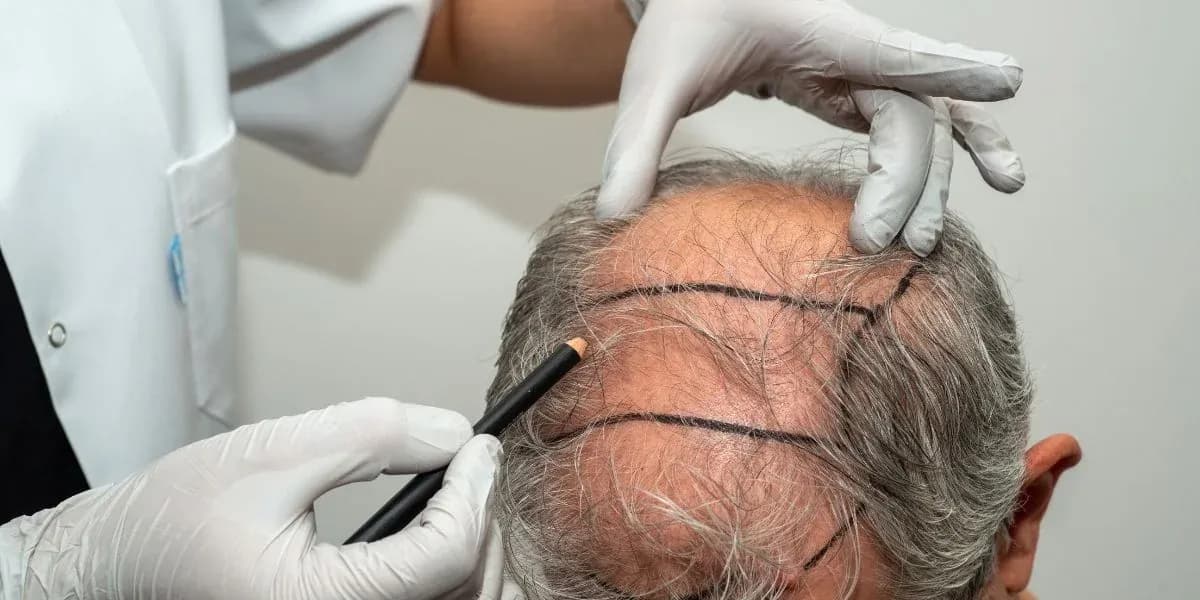
In most cases, no. VA health care does not cover hair transplants for veterans because it classifies them as cosmetic procedures. Coverage becomes possible only when a transplant is medically necessary, for example to reconstruct scalp damage caused by a service-related injury or burn.
Does the VA Cover Hair Transplants?
The VA medical benefits package focuses on treating illness, injury and disability. Hair loss from genetics, ageing or stress does not fall into that group, so a standard hair transplant is not part of covered care.
The VA generally excludes cosmetic surgery from its benefits. A procedure that only improves appearance does not qualify, even when hair loss affects a veteran's confidence. This rule applies to FUE, DHI, Sapphire FUE and every other transplant technique.
The picture changes when the procedure serves a medical purpose. In that situation, the VA may review the case and decide whether treatment is necessary for the veteran's health.
Why the VA Treats Hair Transplants as Cosmetic
The most common cause of hair loss is androgenetic alopecia, also known as male or female pattern hair loss. It develops slowly and does not harm physical health. For this reason, the VA considers its treatment elective.
The same logic applies to receding hairlines, thinning at the crown and general density loss. These conditions affect appearance, so the VA does not cover surgical correction.
When Could a Hair Transplant Be Medically Necessary?
A small group of cases sits outside the cosmetic category. In these situations, hair restoration forms part of reconstruction after damage to the scalp.
- Burn injuries: Burns to the scalp can destroy follicles and leave areas where hair cannot grow back.
- Traumatic scars: Blast injuries, accidents and surgical wounds can leave scarred patches without hair.
- Scarring alopecia: Some conditions destroy follicles and replace them with scar tissue.
- Reconstructive surgery: A transplant may support the repair of a surgical or traumatic defect.
Even in these cases, approval is not automatic. The VA reviews each request and looks at the cause, the medical need and the expected benefit. A veteran with a service-related scalp injury should raise the question with their VA care team and ask for a written decision.
Service-Connected Conditions and Disability Compensation
Two systems are easy to confuse: VA health care and VA disability compensation. They work differently.
Health care covers treatment. Disability compensation is a monthly payment for conditions linked to military service. A veteran can receive compensation for scarring or hair loss tied to service, and the VA does not control how a veteran spends that payment. Compensation does not make a hair transplant a covered treatment, but it does not stop a veteran from using personal funds for one.
A veteran who believes scalp damage or hair loss connects to service can file a claim. The decision depends on medical evidence and the link to service. This path leads to a rating, not to payment for a specific procedure.
What About Community Care and Other Coverage?
Community Care lets eligible veterans see providers outside the VA. It covers services that the VA would cover itself. Because a cosmetic hair transplant sits outside VA coverage, Community Care does not change the answer.
Other programs follow a similar pattern. TRICARE for active-duty members and retirees generally excludes cosmetic surgery. Private insurance plans also exclude hair transplants in most cases, as our guide on health insurance and hair transplants in the US explains. A veteran should confirm any exception in writing before booking treatment.
Paying for a Hair Transplant as a Veteran
Since coverage is unlikely, most veterans pay for a hair transplant themselves. Planning the cost in advance avoids surprises. Our Miami hair transplant prices page explains what shapes the final figure, including graft count, technique and the extent of hair loss.
Our guide to hair transplant financing in the US covers the ways patients spread the cost. A clear written quote helps you compare options. It should state the technique, the number of grafts, what the price includes and what follow-up care you receive.
Which Hair Transplant Methods Are Available?
Veterans who choose a transplant can pick from several methods. Each one moves your own follicles from the back and sides of the scalp to thinning areas.
- FUE hair transplant: removes follicular units one by one with a small punch. It leaves tiny dot scars that blend into the hair.
- Sapphire FUE: uses sapphire blades to create the recipient channels, which creates small, precise openings.
- DHI hair transplant: places each follicle with an implanter pen, which gives control over angle and direction.
The best choice depends on your hair loss pattern, donor density and goals, and the consultation settles it.
What Veterans Should Know Before Treatment
A few points help any veteran prepare for a transplant, whether the procedure is covered or not.
- Medical history: Share your full medication list, past injuries and any conditions linked to service.
- Scalp scars: Scar tissue holds grafts differently from healthy skin, so the team needs to see it in person.
- Realistic expectations: A transplant moves existing hair. It does not create new donor hair.
- Recovery plan: Allow time for the scalp to heal. Most crusts fall within about ten days, and the new hair grows in over the following months.
- Stress and sleep: Some veterans live with conditions that affect sleep and stress. Both influence hair health, so mention them during the consultation.
Hair Loss and Military Service
Service can contribute to hair loss in several ways. Prolonged stress, helmet use, burns and injuries all play a role. Hair loss in veterans can follow the same patterns as in the general population, with genetics as the leading factor.
Understanding the cause matters. A cause tied to scarring or trauma can open a path to VA review. A cause tied to genetics remains a cosmetic matter.
The Esthetic Hair Miami Approach
At Esthetic Hair Miami, we assess each patient individually. We examine the scalp, review the hair loss pattern and explain which technique suits the situation. We design a natural hairline and use only your own donor hair.
Veterans with scalp scars or injury-related hair loss receive a careful evaluation of the affected area. We explain what a transplant can achieve and what it cannot. After treatment, you receive clear aftercare instructions for washing, sleeping position, activity and follow-up.
Frequently Asked Questions
Does the VA cover hair transplants?
Generally, no. The VA treats hair transplants as cosmetic, so standard hair loss is not covered.
Can the VA cover a hair transplant for a burn or scar?
Possibly. When a transplant is medically necessary to reconstruct scalp damage, the VA may review the request case by case.
Does disability compensation pay for a hair transplant?
No, compensation is a monthly payment for service-connected conditions. It does not pay for a specific procedure, although you may use personal funds as you choose.
Does Community Care cover hair transplants?
No, Community Care covers services the VA itself covers. A cosmetic hair transplant remains outside that group.
Does TRICARE cover hair transplants?
TRICARE generally excludes cosmetic procedures, including standard hair transplants. Confirm any exception with the plan in writing.
Which hair transplant method suits veterans?
The same methods apply to everyone: FUE, Sapphire FUE and DHI. The right choice depends on your hair loss, donor area and goals.
Final Thoughts on VA Coverage for Hair Transplants
The VA does not cover hair transplants for standard hair loss because it considers them cosmetic. Coverage is possible only when a transplant is medically necessary, for example after a service-related burn or scalp injury, and the VA reviews each case individually.
For veterans who choose to pay for a transplant, clear information makes the decision easier. Know the cause of your hair loss, request a written quote and choose a team that explains each step.