
Esthetic Hair Logo header svg
What Is DHT (Dihydrotestosterone) and How It Causes Hair Loss?
Badge Icon

intro

What Is DHT (Dihydrotestosterone) and How It Causes Hair Loss?

DHT, or dihydrotestosterone, is a hormone that plays an important role in the body but is also one of the leading causes of hair loss. This powerful androgen is derived from testosterone and affects hair follicles in ways that can lead to thinning and baldness, especially in people who are genetically sensitive to it. By understanding how this hormone works and why it impacts the scalp, it becomes easier to recognize the connection between this hormone and hair loss, as well as the options available to manage its effects.

Share

Start Your Personalized Hair Treatment Journey

Book a consultation and discover the most effective hair transplant or therapy option tailored to your hair needs and expectations.

What Is DHT (Dihydrotestosterone)?

What Is DHT (Dihydrotestosterone)?


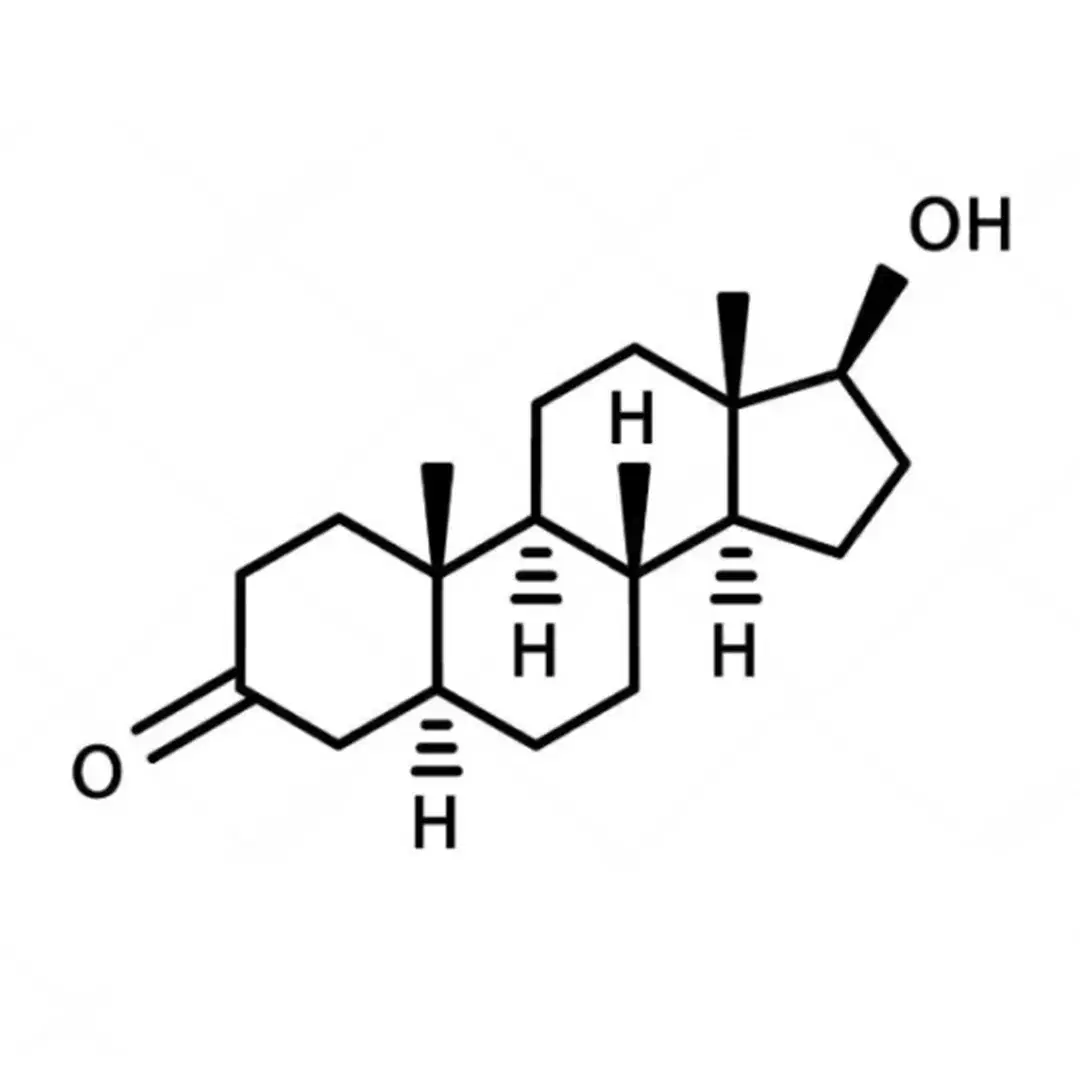
Dihydrotestosterone (DHT) is a powerful androgen, which means it is a hormone that influences male traits and development. It is derived from testosterone through the action of an enzyme called 5-alpha reductase. While testosterone is responsible for many functions in the body, DHT is even more potent in its effects on certain tissues.

How Dihydrotestosterone Is Produced in the Body?

Dihydrotestosterone is formed when testosterone is converted by the enzyme 5 alpha reductase. This enzyme is present in several tissues, including the skin, prostate, liver, and hair follicles. There are different types of 5 alpha reductase, and their activity levels vary depending on genetics and hormonal balance.

Once testosterone is converted, DHT becomes a more potent androgen. It binds strongly to androgen receptors inside cells and activates specific genetic signals that influence growth and development. During puberty, this process plays a critical role in male sexual development, body hair growth, and prostate maturation.

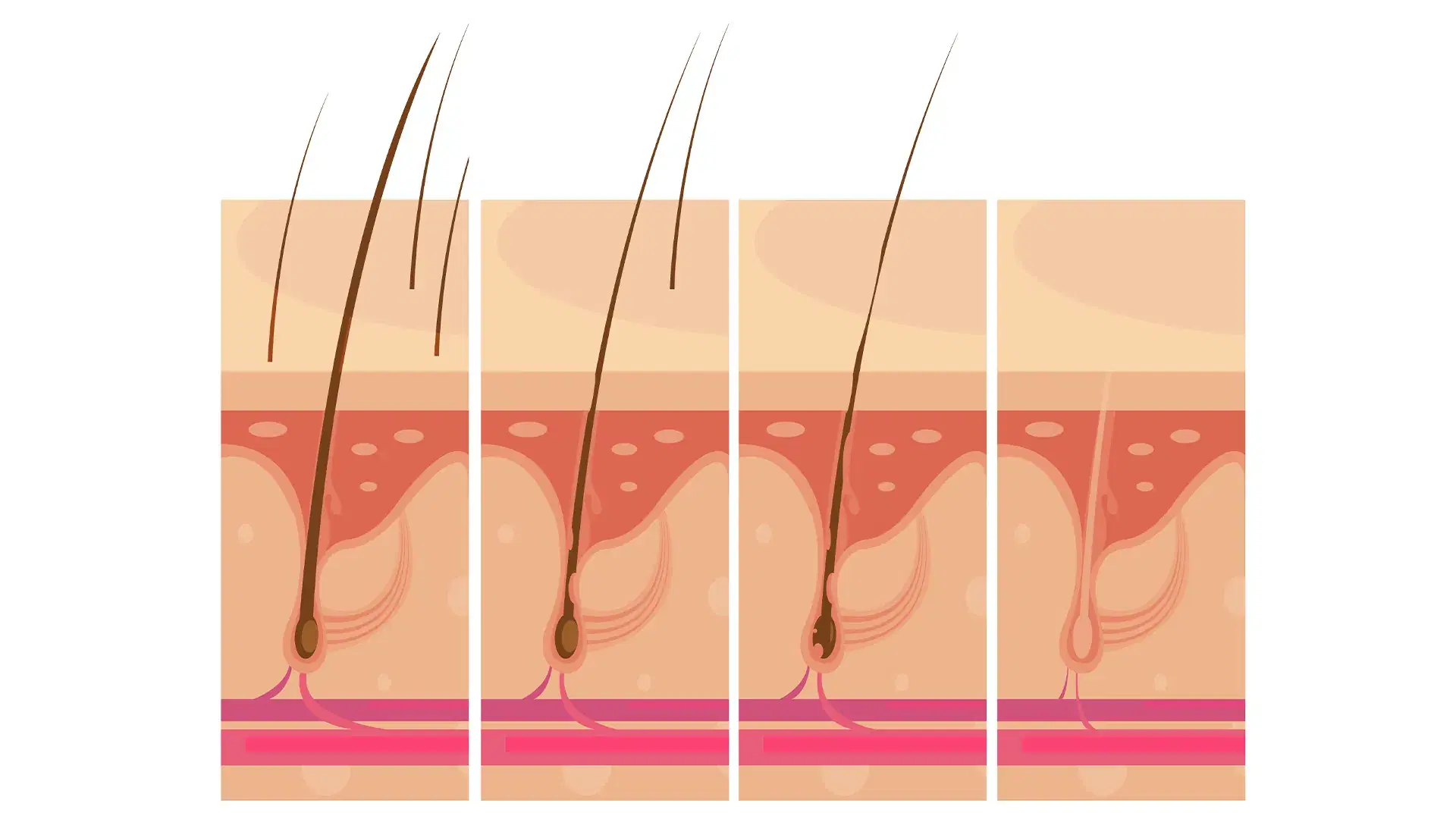
However, in scalp hair follicles that are genetically sensitive, DHT can have a different effect. Instead of supporting growth, it gradually shortens the hair growth cycle and reduces follicle size over time. This process, known as miniaturization, is a key factor in androgenetic hair loss.
The Role of DHT in Men and Women


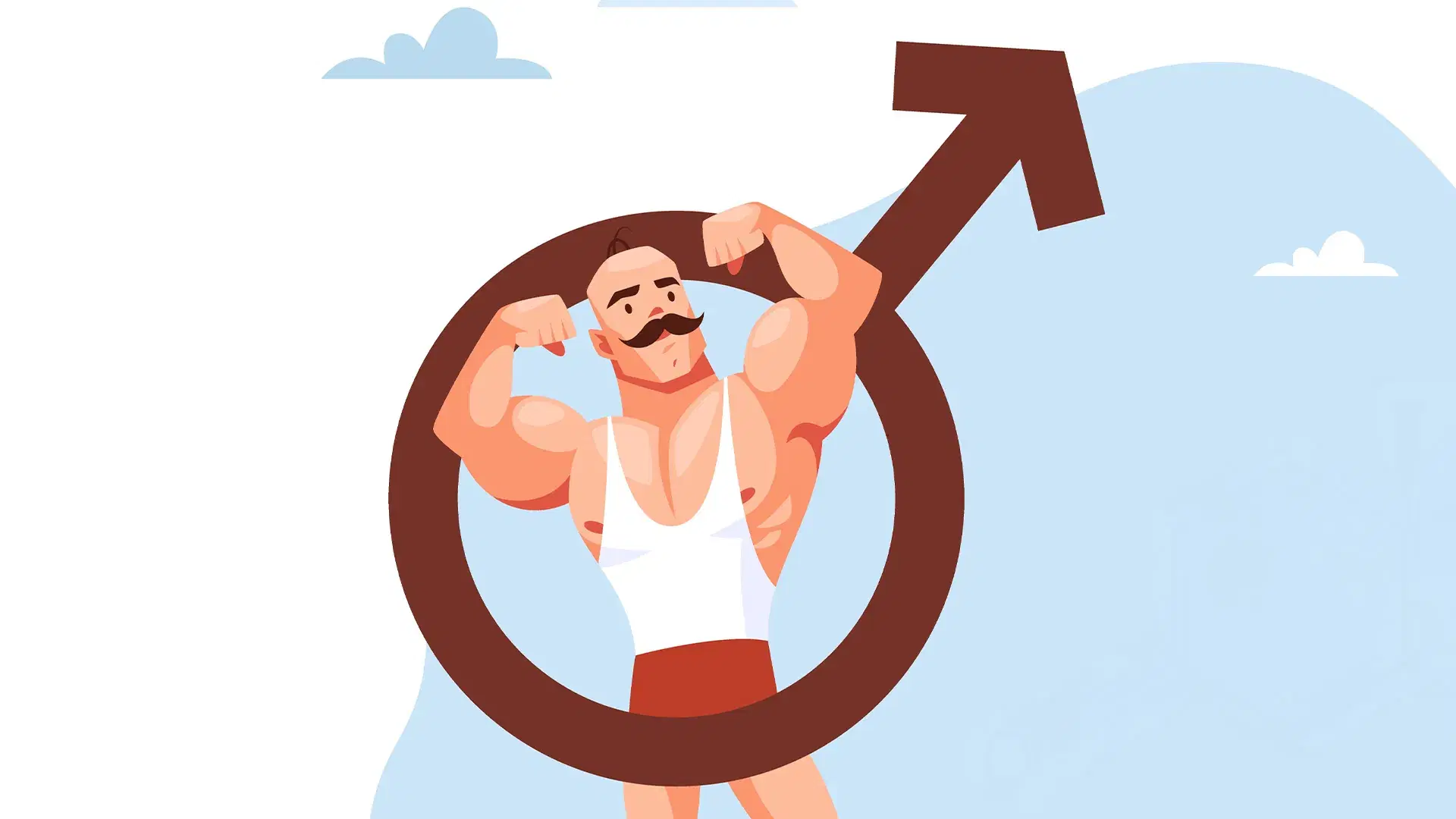
In men, DHT is essential during puberty for the development of male characteristics like a deeper voice, facial hair, and increased muscle mass. However, high sensitivity to DHT in the scalp can lead to male pattern baldness later in life. Women also produce Dihydrotestosterone , but in much smaller amounts. Elevated levels of this hormone in women can contribute to hair thinning, acne, and other hormonal imbalances.

How DHT Affects Hair Follicles?

How DHT Affects Hair Follicles?


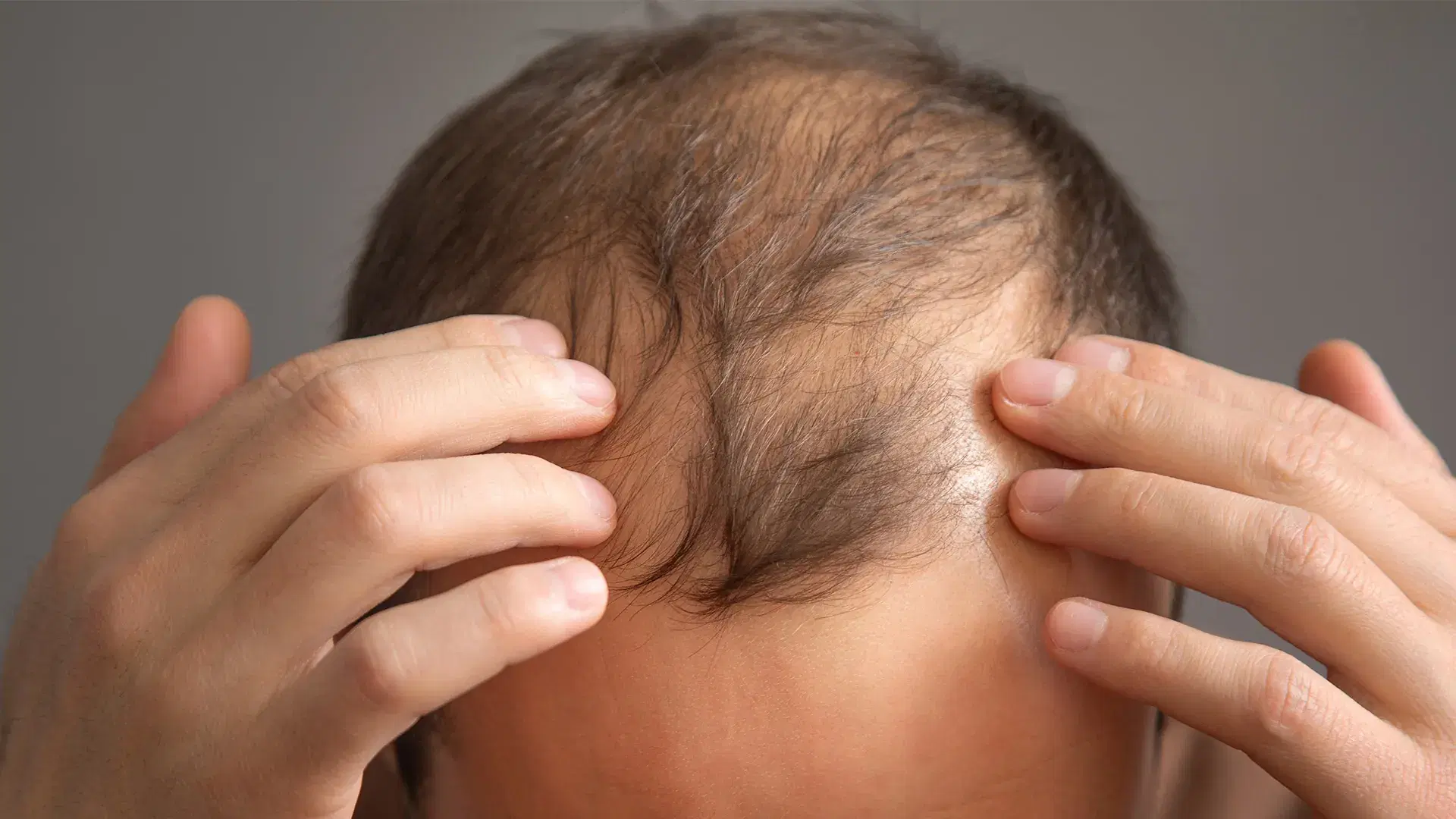
Hair follicles go through cycles of growth, rest, and shedding. DHT disrupts this natural process by shrinking hair follicles in sensitive areas of the scalp, particularly around the crown and hairline. Over time, the hairs become thinner, weaker, and shorter until they eventually stop growing altogether. DHT triggers a process called follicular miniaturization, which causes androgenetic alopecia, also known as pattern hair loss.


Simple Placeholder Title

Lorem ipsum dolor sit amet, consectetur elit. Tempor incididunt ut labore et dolore magna aliqua, sed do eiusmod tempor ut enim ad minim veniam, quis nostrud exercitation ullamco laboris nisi ut aliquip ex ea commodo consequat.

Simple Placeholder Title

Lorem ipsum dolor sit amet, consectetur elit. Tempor incididunt ut labore et dolore magna aliqua, sed do eiusmod tempor ut enim ad minim veniam, quis nostrud exercitation ullamco laboris nisi ut aliquip ex ea commodo consequat.

Other Effects of Dihydrotestosterone in the Body


Beyond hair, DHT influences several important functions. It plays a role in prostate health, skin oil production, and development of secondary male characteristics. Elevated DHT levels are linked not only to hair loss but also to conditions like Benign Prostatic Hyperplasia (BPH) and acne.

What Is DHT Blocker and How Does It help Hair Loss?

What Is DHT Blocker and How Does It help Hair Loss?

A DHT blocker is any treatment, substance, or ingredient that prevents dihydrotestosterone from binding to hair follicles or reduces its production in the body. Since DHT is the main hormone responsible for pattern baldness, blocking its effects can slow or even reverse hair thinning. There are different types of DHT blockers, ranging from prescription medicines to shampoos and natural supplements.


DHT Blocker Medicines

Prescription medications like Finasteride and Dutasteride are the most effective DHT blockers available. They work by inhibiting the enzyme 5-alpha reductase, which is responsible for converting testosterone into DHT. By lowering overall DHT levels, these medicines reduce hair follicle miniaturization and promote stronger, healthier hair growth. However, they must be used under medical supervision since they may cause side effects in some individuals.


DHT Blocker Shampoos

DHT blocker shampoos are topical products designed to reduce the effects of this hormone on the scalp. They often include ingredients such as ketoconazole, saw palmetto, pumpkin seed oil, or caffeine. These may help limit dihydrotestosterone activity around the follicles. Shampoos are not as strong as oral medicines. Still, they can support scalp health, reduce inflammation, and slow down hair thinning.


Natural DHT Blockers and Supplements

Some natural substances are believed to act as mild DHT blockers. Extracts like saw palmetto, green tea, stinging nettle, and pygeum bark are often used in supplements marketed for hair health. These may provide additional support, especially for people who prefer natural approaches or want to combine them with other treatments. While the evidence is not as strong as for prescription drugs, they remain a popular choice.

When to See a Doctor About Hair Loss?

Hair loss is not always caused by Dihydrotestosterone. Stress, nutritional deficiencies, thyroid problems, and other health issues can also contribute. If you notice rapid thinning, bald patches, or hair shedding at an early age, it is best to consult a doctor or dermatologist. A professional can determine whether Dihydrotestosterone  is the cause and recommend the best treatment plan.