Esthetic Hair Clinic logo

Hair Follicle: Structure, Function, and Treatments

Hair follicles drive hair growth and strength; understanding them helps address thinning, hair loss, and slow growth.
Dr. Nadiye HACIÖMEROĞLUPhysician
·
6 min read
·
January 19, 2026
About Us Esthetic Hair

Hair Follicle: Structure, Function, and Treatments

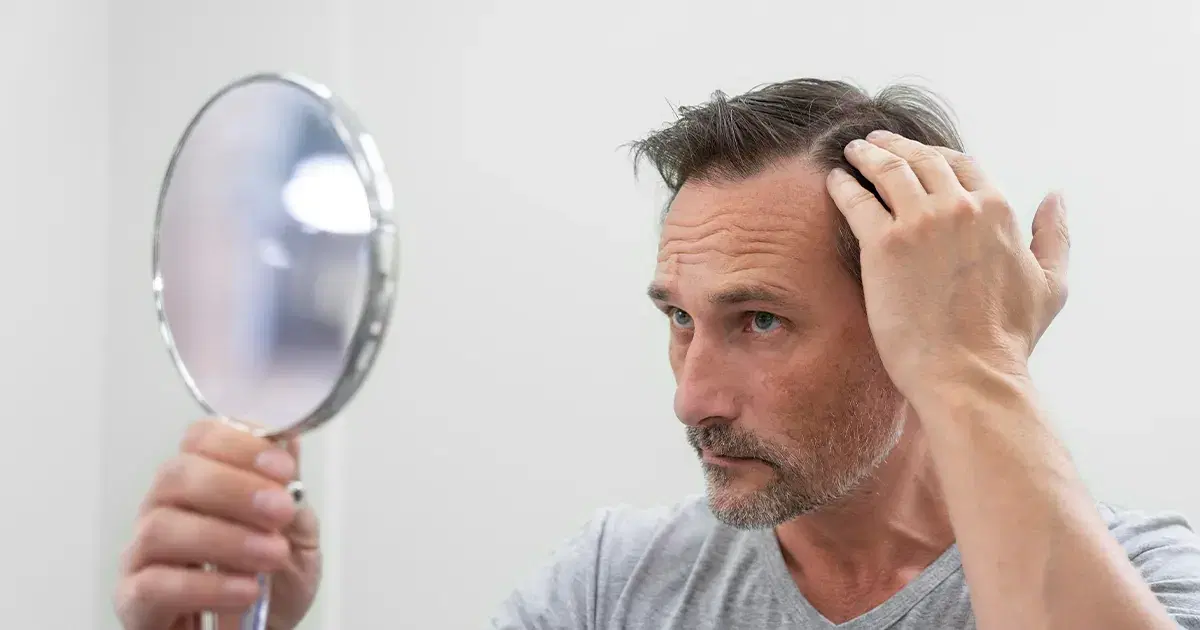
The hair follicle is one of the most fascinating parts of the human body. Tiny but powerful, these structures are responsible for the growth, strength, and health of your hair. Understanding how hair follicles work, what affects them, and how they can be treated is the key to solving common problems like thinning, hair loss, or slow growth.

Simple Placeholder Title

Lorem ipsum dolor sit amet, consectetur elit. Tempor incididunt ut labore et dolore magna.

What is a Hair Follicle?

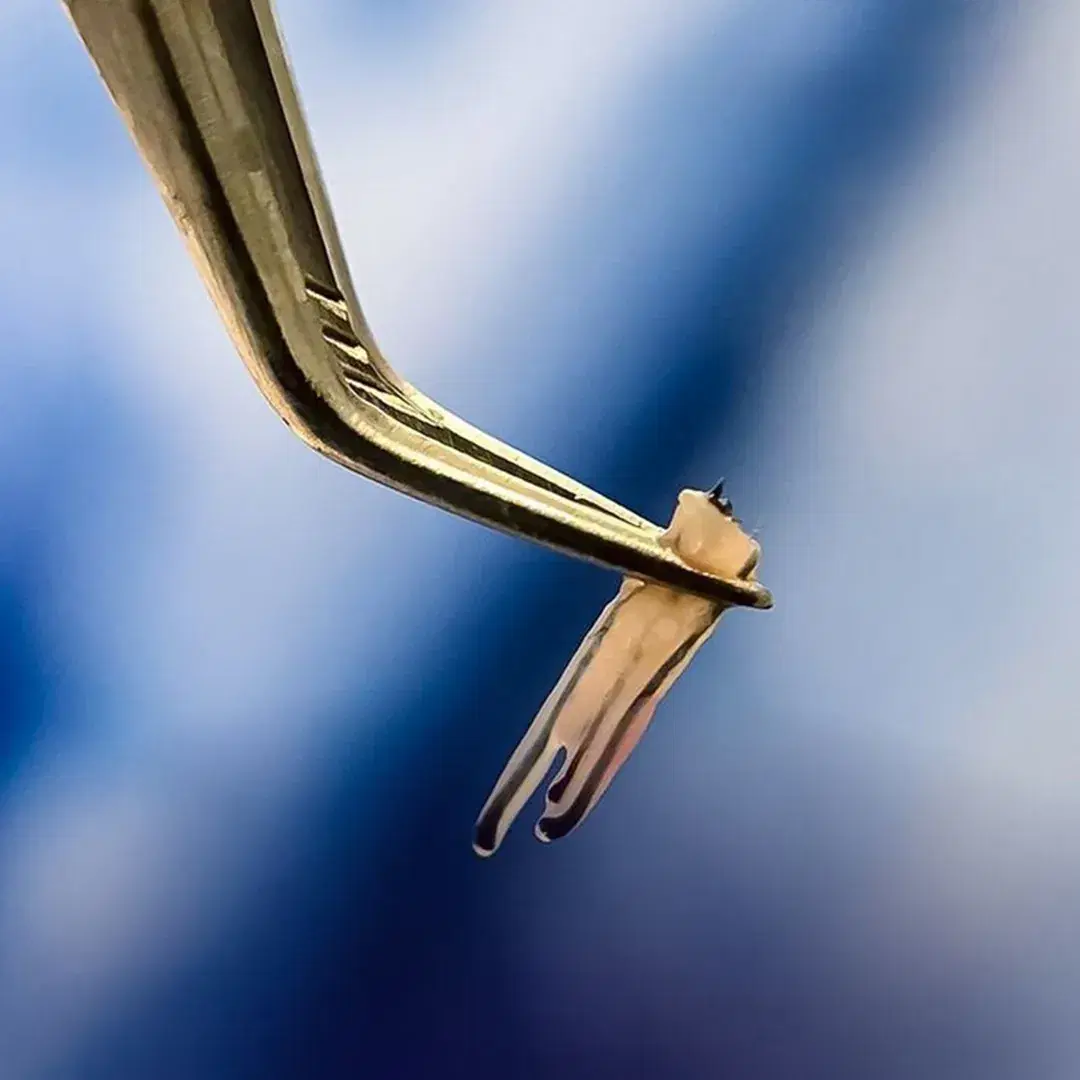
A hair follicle is a tiny structure beneath the skin that produces and holds each strand of hair. It acts as a living root system, supplying the hair with nutrients and supporting its growth.

At the base of the follicle is the hair bulb, where cells divide to form new strands. Follicles move through natural growth cycles, including growth, rest, and shedding phases. If a follicle becomes weak or damaged, hair may grow thinner, slower, or stop growing altogether.

Structure of the Hair Follicle

Structure of the Hair Follicle

The hair follicle is more than just a small opening in the skin. It is a complex structure made up of different layers and parts that work together to support hair production, nourishment, and renewal.


Key Components of the Hair Follicle

Each component inside the follicle has a specific function that contributes to healthy hair growth and scalp balance.


Dermal Papilla

Located at the base of the follicle, the dermal papilla supplies blood, oxygen, and essential nutrients. It plays a key role in regulating the hair growth cycle.


Hair Bulb

The bulb is the lowest part of the follicle where cells rapidly divide to form new hair strands. Strong cellular activity here supports thicker, stronger hair.


Sebaceous Gland

This gland produces sebum, a natural oil that moisturizes the scalp and protects hair from dryness and breakage.


Bulge Region

The bulge contains stem cells that are essential for follicle repair and regeneration. These cells help restart the growth process after shedding.


Arrector Pili Muscle

This small muscle attaches to the follicle and contracts in response to cold or emotional stimuli, causing hair to stand up and creating goosebumps.

Hair Growth Cycle and the Role of Hair Follicles

Hair follicles follow a natural repeating cycle that controls how long, thick, and healthy hair grows. Each hair follicle operates independently, which means different hairs are usually in different stages of the cycle at the same time.

The 3 Main Phases:

Anagen (Growth Phase)

This is the active growth stage during which the follicle continuously produces hair. The anagen phase can last several years and plays a major role in determining hair length, density, and overall growth potential.

Catagen (Transition Phase)

This is a short transitional stage in which hair growth gradually slows. During this phase, the follicle shrinks and prepares to enter the resting stage of the cycle.

Telogen (Resting Phase)

During the telogen phase, the follicle remains inactive while the existing hair is eventually shed. Once this phase ends, the follicle returns to the growth stage and begins producing a new hair strand.

Factors That Affect Hair Follicle Health

Hair follicle health plays a major role in hair density, hair strength, and long-term growth. When follicles become weakened or damaged, hair may grow more slowly, appear thinner, or stop growing altogether. Both internal and external factors can affect how effectively hair follicles function.

Hormonal Imbalances

Hormones, particularly DHT, are among the most common factors associated with follicle miniaturization. Increased sensitivity to DHT can shorten the growth phase, gradually weaken follicles, and contribute to hair loss.

Poor Nutrition or Vitamin Deficiencies

Hair follicles require adequate nutrients to support normal hair growth. Deficiencies in nutrients such as biotin, iron, zinc, and vitamin D may affect hair quality, reduce growth rates, and increase hair fragility.

Stress and Lack of Sleep

Chronic stress and insufficient sleep can disrupt the normal hair growth cycle. These factors may increase the number of follicles entering the resting phase, which can lead to increased shedding and reduced hair density.

Harsh Hair Treatments and Chemicals

Frequent exposure to harsh chemicals, excessive heat styling, and aggressive cosmetic treatments can damage the scalp environment and place additional stress on hair follicles.

Genetics and Age

Genetic factors influence how hair follicles respond to hormonal changes throughout life. Aging can also reduce follicle activity, resulting in slower growth, finer hair strands, and decreased overall density.

Common Hair Follicle Problems

Common Hair Follicle Problems

Hair follicle problems can disrupt normal hair growth and lead to thinning, shedding, or scalp discomfort. Identifying these issues early is key to choosing the right treatment and protecting long-term hair health.


Folliculitis

Folliculitis occurs when hair follicles become inflamed or infected, often due to bacteria, sweat buildup, or poor scalp hygiene. It can cause redness, itching, and small bumps on the scalp, and in severe cases may affect healthy hair growth.


Blocked Follicles

When follicles become clogged with oil, dead skin, or product residue, hair may struggle to grow properly. Blocked follicles can lead to ingrown hairs, scalp irritation, and uneven hair growth.


Miniaturization

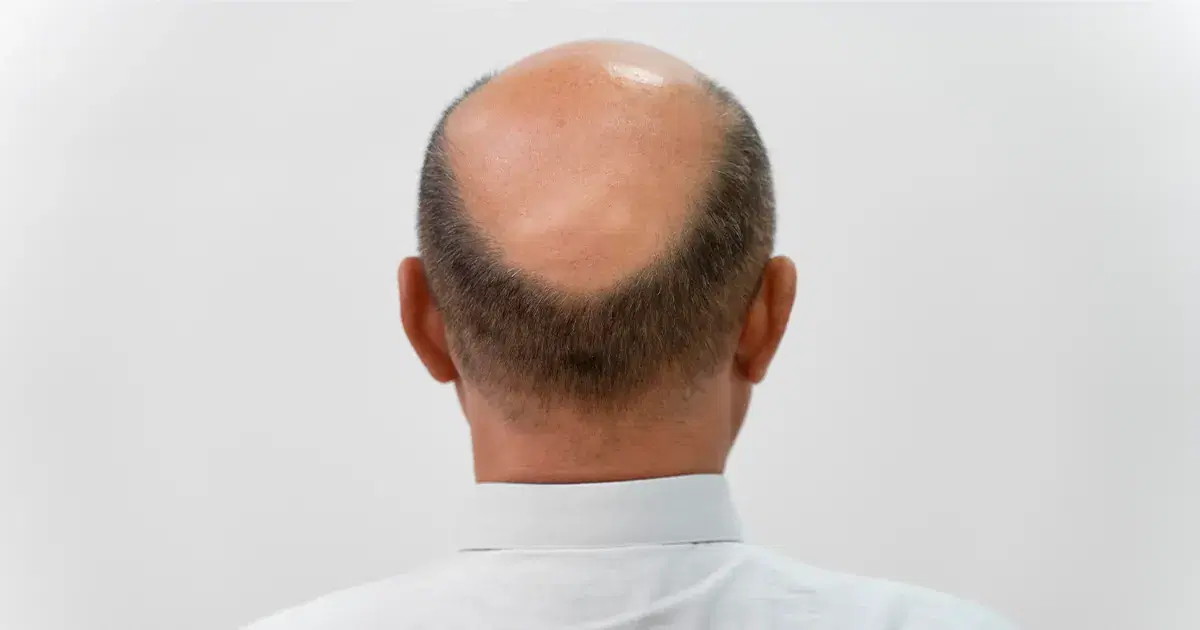
Miniaturization happens when hair follicles gradually shrink over time. This causes hair to grow thinner, weaker, and shorter with each cycle, eventually leading to visible thinning or hair loss, especially in genetically sensitive areas.

How to Keep Hair Follicles Healthy

Simple lifestyle habits and proper hair care can help support healthy hair follicles and maintain long-term hair growth.

  • Maintain a balanced diet that includes adequate protein, iron, vitamins, and essential minerals.

  • Scalp massage may help improve local blood circulation and support scalp health.

  • Limit excessive heat styling and avoid frequent exposure to harsh chemical treatments.

  • Keep the scalp clean while avoiding products or routines that cause excessive dryness.

Treatments for Damaged Hair Follicles

Treatments for Damaged Hair Follicles

When hair follicles are damaged or weakened, targeted treatments can help restore activity, improve growth, and prevent further hair loss.


Non-Surgical Options

These treatments focus on stimulating existing follicles, improving scalp health, and slowing hair loss without surgery.


PRP Therapy

Uses Platelet-Rich Plasma to stimulate follicle activity and support natural hair regrowth.


Red Light Hair Therapy (Laser Therapy)

Laser therapy encourages hair growth by increasing blood flow and cellular activity within follicles.


Medications

Minoxidil and Finasteride help strengthen follicles and slow down hair thinning.


Hair Transplant (Surgical Treatment)

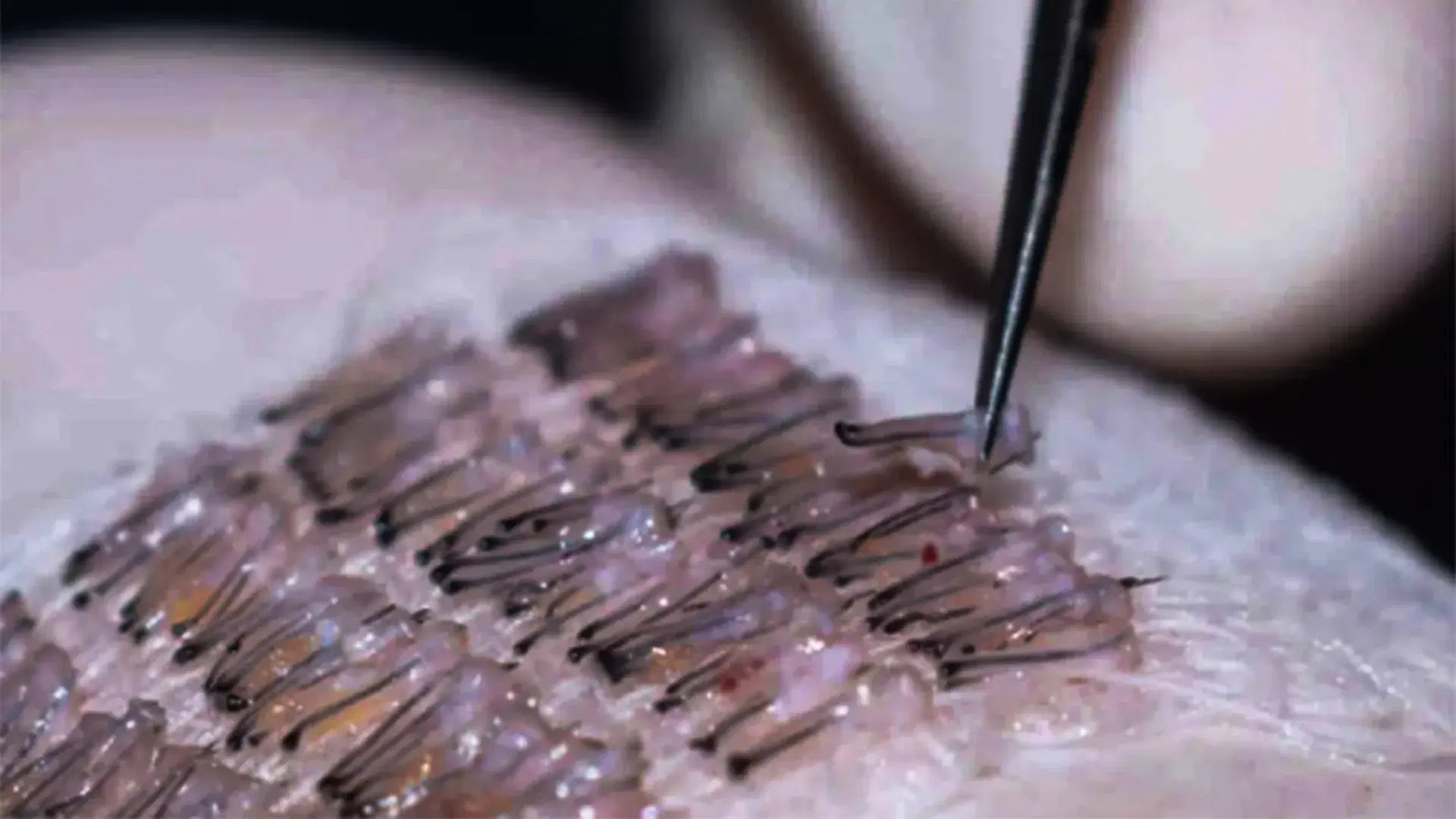
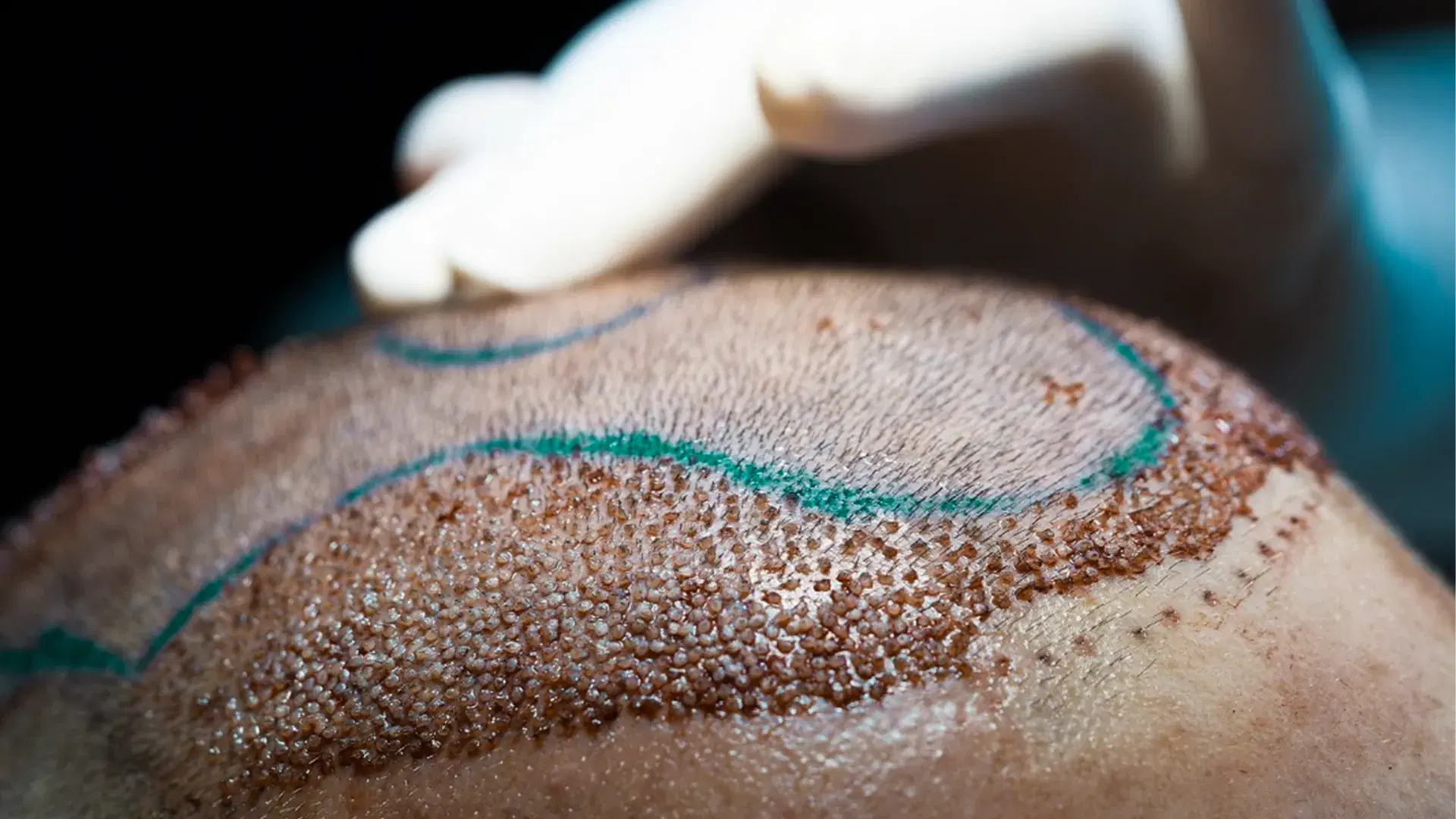
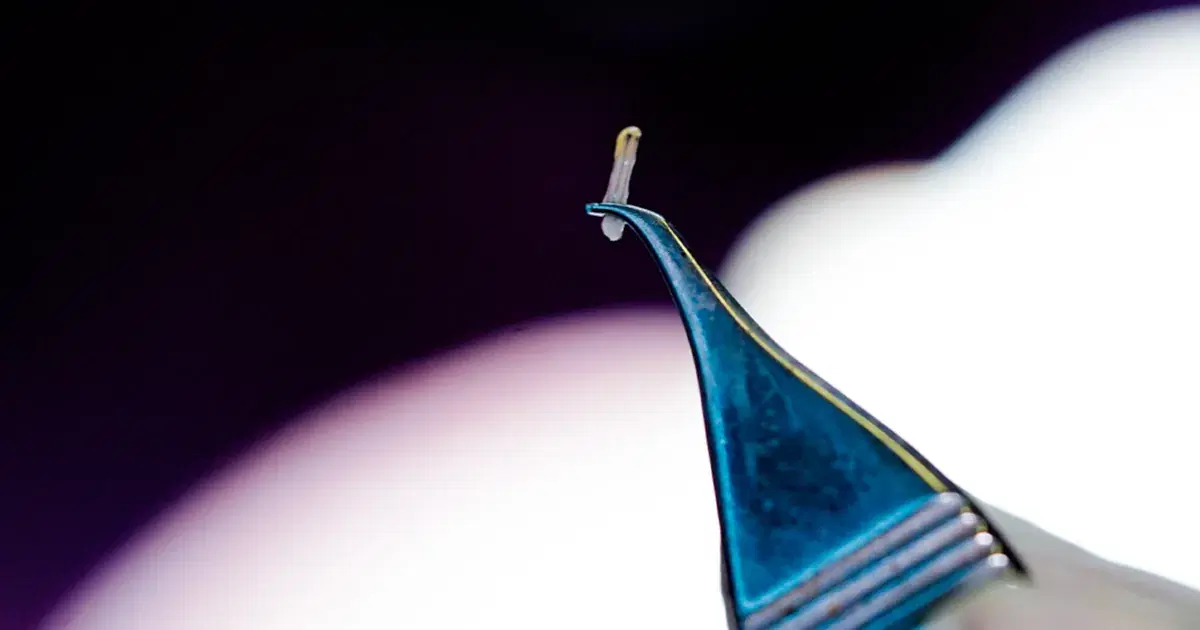
Hair transplantation is a permanent solution that relocates healthy follicles to thinning or bald areas for natural, long-term results.

Start Your Personalized Hair Treatment Journey

Book a consultation and discover the most effective hair transplant or therapy option tailored to your hair needs and expectations.