Esthetic Hair Clinic logo

Hair Growth Secrets: Boost, Protect, Regrow

Hair growth depends on follicles, scalp health, lifestyle, and care—understanding these helps improve strength, thicknes
Dr. Nadiye HACIÖMEROĞLUPhysician
·
6 min read
·
January 26, 2026
About Us Esthetic Hair

Hair Growth Secrets: Boost, Protect, Regrow

Hair growth isn’t just about genetics. It’s influenced by how healthy your follicles are, the condition of your scalp, your lifestyle habits, and even the products you use every day. Many people assume hair loss is inevitable, but in reality, understanding what helps your hair grow and what slows it down gives you real control over the process.

From natural nutrients and oils to advanced medical therapies, hair growth is a combination of biology and care. When you support your scalp properly, hair can grow stronger, thicker, and more consistently over time.

Start Your Personalized Hair Treatment Journey

Book a consultation and discover the most effective hair transplant or therapy option tailored to your hair needs and expectations.

How Human Hair Grows Naturally?

How Human Hair Grows Naturally?

Hair growth is a biological process that begins within the scalp. Each hair strand develops from a hair follicle, a specialized structure responsible for producing new hair cells. As these cells multiply and mature, they move upward through the skin and form the visible hair shaft.

Several factors influence healthy hair growth. Hair follicles require a steady supply of oxygen and nutrients delivered through blood circulation. Hormones help regulate growth patterns, while proper nutrition provides the building blocks needed for continuous hair production. When any of these factors become disrupted, hair growth may slow and hair quality may decline.

For this reason, hair loss often develops gradually. Hair follicles may become smaller over time, produce finer hairs, and spend less time in the active growth phase. This progressive change can eventually lead to visible thinning and reduced hair density.

Hair Growth Cycle: Understanding the Phases

Hair Growth Cycle: Understanding the Phases

Hair does not grow continuously. Instead, it follows a repeating cycle consisting of three main phases. Each hair follicle functions independently, which allows some hairs to grow while others rest or shed at the same time.

Anagen (Growth Phase)

The anagen phase is the active growth stage of the hair cycle. It can last between two and seven years, depending on factors such as genetics, age, and overall health. During this period, cells within the follicle divide rapidly and produce new hair fibers.

A longer anagen phase generally allows hair to grow longer and appear denser. Shorter growth phases may contribute to reduced hair length and increased thinning.

Catagen (Transition Phase)

The catagen phase is a brief transition period that typically lasts several weeks. During this stage, active growth slows, and the follicle begins a process of structural change. The hair remains in place while the follicle prepares for the resting phase.

This stage is a normal part of the hair growth cycle and helps support the renewal process.

Telogen (Resting Phase)

During the telogen phase, the follicle enters a resting period that may last several months. Eventually, the existing hair sheds, allowing a new hair to begin growing from the same follicle.

Daily shedding is a normal part of this cycle. However, increased numbers of follicles entering the telogen phase simultaneously may lead to noticeable hair shedding. Factors such as stress, illness, nutritional deficiencies, or hormonal changes can contribute to this process.

Key Hair Growth Factors

Key Hair Growth Factors


Hair growth speed and overall hair quality are influenced by a combination of internal and external factors. Understanding these factors can help identify potential causes of thinning and support a more targeted approach to hair care.

Hormones Affect Follicle Function

Hormones play an important role in regulating hair growth. DHT, a derivative of testosterone, is commonly associated with follicle miniaturization in genetically susceptible individuals. As follicles become smaller, hair strands may gradually become finer and less visible.

Hormonal fluctuations related to pregnancy, menopause, or thyroid conditions may also influence hair growth patterns and contribute to increased shedding.

Nutrition Supports Hair Growth

Hair production depends on an adequate supply of nutrients. Protein, iron, zinc, and essential vitamins all contribute to normal follicle function. Nutritional deficiencies and restrictive diets may affect hair quality and increase the risk of diffuse thinning.

A balanced diet can help support consistent hair growth and maintain healthy hair structure.

Scalp Health Matters

A healthy scalp provides an environment that supports normal follicle activity. Conditions such as excessive dryness, irritation, inflammation, or buildup may affect scalp comfort and hair quality.

Regular scalp care and appropriate hair care products can help maintain a balanced scalp environment.

Genetics and Age Influence Growth Potential

Genetic factors help determine natural hair density, hair characteristics, and sensitivity to hormonal influences. Aging can also affect follicle activity, often leading to slower growth and reduced hair volume over time.

Although genetics cannot be altered, healthy lifestyle habits and appropriate treatments may help support long-term hair health.

Hair Growth Stimulants: What Helps Your Hair Grow

Hair Growth Stimulants: What Helps Your Hair Grow

Hair growth can be supported through lifestyle changes, medical treatments, and targeted scalp care. The most effective approach depends on the underlying cause of hair thinning and the overall health of the hair follicles.

Diet and Supplements

Protein, iron, vitamin D, biotin, and omega fatty acids contribute to normal hair growth and follicle function. Supplements may be beneficial when a documented deficiency is present, but they are generally most effective when combined with a balanced and nutritious diet.

Correcting nutritional deficiencies may help improve hair quality and support healthier growth over time.

Natural Oils

Natural oils such as castor oil, coconut oil, and rosemary oil are commonly used to support scalp hydration and hair care. These products may help reduce hair breakage and improve overall hair condition.

Scalp massage can also help distribute oils evenly and may support local blood circulation.

PRP Therapy

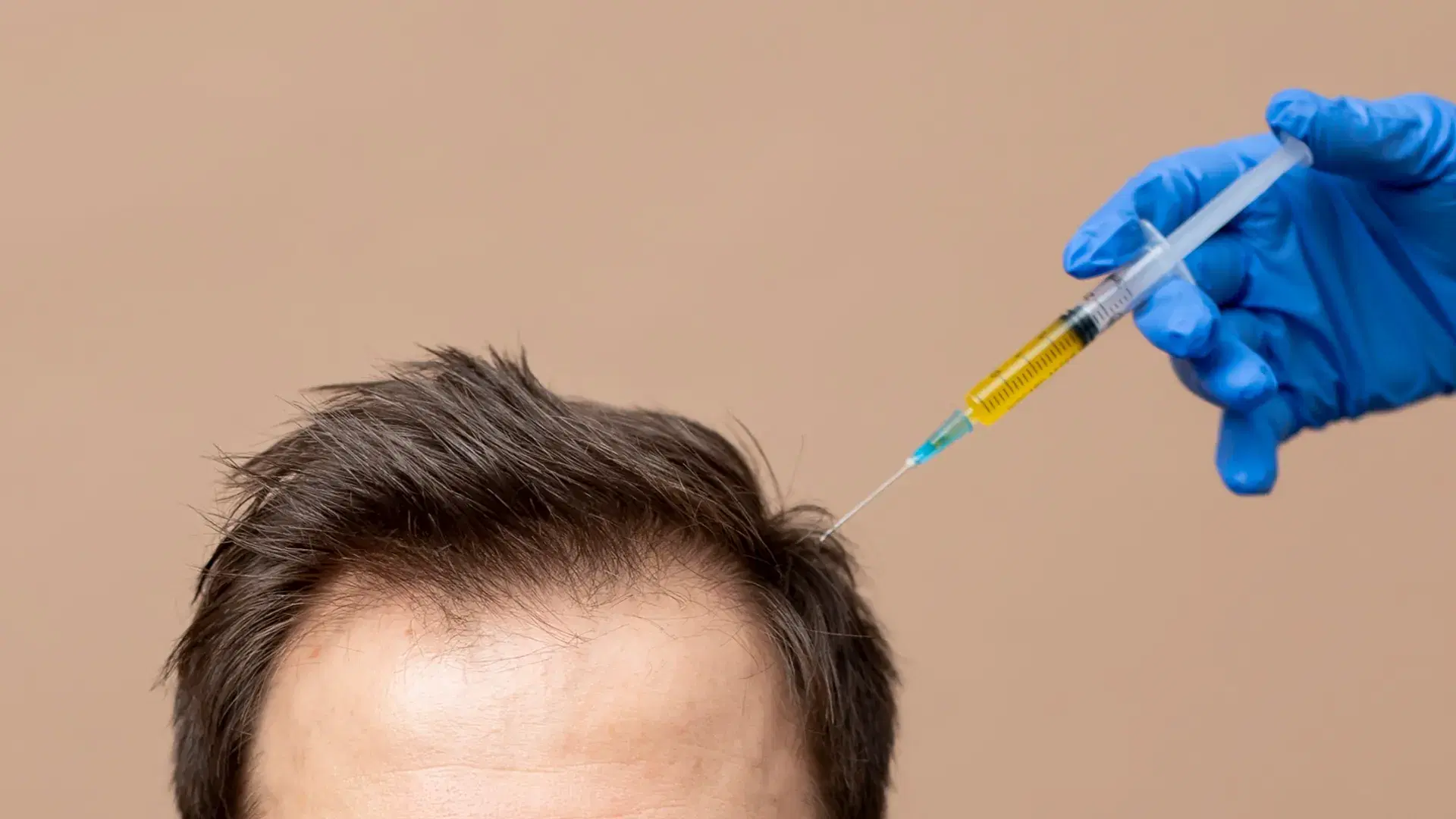
PRP therapy involves the use of platelet-rich plasma prepared from the patient's own blood. Growth factors contained within the plasma are injected into the scalp to support follicle activity and hair health.

This treatment is often used in individuals experiencing early-stage hair thinning.

Laser and Red Light Therapy

Low-level laser therapy uses specific wavelengths of light to stimulate scalp tissues and support follicle function. Regular treatment may help improve hair density and support ongoing hair growth.

Medications

Minoxidil is commonly used to support hair growth by helping maintain follicle activity. Finasteride is often prescribed to reduce the effects of DHT on susceptible hair follicles. These treatments generally require consistent use and ongoing medical supervision when appropriate.

Hair Growth Inhibitors: What Slows It Down

Hair Growth Inhibitors: What Slows It Down


Several factors can interfere with the normal hair growth cycle and affect the long-term health of hair follicles. Identifying these factors may help support healthier hair growth and reduce the risk of progressive thinning.

Hormonal Imbalances and DHT

Hormonal changes can influence follicle activity and hair growth patterns. Increased sensitivity to DHT may contribute to follicle miniaturization, causing hair strands to become progressively finer over time.

Poor Nutrition and Vitamin Deficiencies

Hair follicles require adequate levels of protein, iron, zinc, and essential vitamins to function normally. Nutritional deficiencies may disrupt the growth cycle and contribute to increased hair shedding.

Chronic Stress and Lack of Sleep

Persistent stress and insufficient sleep can affect hormonal regulation and the normal hair growth cycle. These factors may increase the number of follicles entering the resting phase, resulting in greater shedding.

Harsh Hair Treatments and Heat Styling

Frequent exposure to chemical treatments, excessive heat styling, and other aggressive hair care practices may damage the hair shaft and place additional stress on the scalp environment.

Smoking and Reduced Circulation

Smoking can affect blood circulation and oxygen delivery throughout the body, including the scalp. Reduced circulation may limit the supply of nutrients needed to support healthy follicle function.

Genetics and Aging

Genetic predisposition and aging influence natural hair density, growth patterns, and follicle activity. Although these factors cannot be altered, addressing other modifiable contributors may help support overall hair quality and scalp health.

Tips for Healthy Hair Growth

Tips for Healthy Hair Growth


Tips for Healthy Hair Growth

Healthy hair growth is influenced by a combination of genetics, overall health, scalp condition, and daily habits. While genetic factors cannot be changed, maintaining healthy routines may help support follicle function and improve hair quality over time.

A long-term approach focused on nutrition, scalp care, and evidence-based treatments is generally more effective than relying on short-term solutions.

Maintain a Nutrient-Rich Diet

Hair follicles require adequate amounts of protein, iron, zinc, biotin, and essential vitamins to support normal growth. Because hair is primarily composed of keratin, sufficient protein intake plays an important role in maintaining hair structure and strength.

Proper hydration also contributes to overall skin and scalp health.

Support Healthy Scalp Circulation

Blood circulation helps deliver oxygen and nutrients to hair follicles. Gentle scalp massage may help support scalp health and improve local circulation.

Regular physical activity can also contribute to overall circulatory health.

Protect Hair from Damage

Frequent heat styling, chemical treatments, and excessive mechanical stress may weaken the hair shaft and increase the risk of breakage. Limiting these factors can help preserve hair quality.

Using appropriate hair care products and protective styling practices may further reduce damage.

Maintain Proper Scalp Hygiene

Regular cleansing helps remove excess oil, product residue, and environmental buildup from the scalp. At the same time, excessive washing may contribute to dryness and irritation in some individuals.

A balanced routine tailored to the scalp's needs can help maintain a healthy environment for hair growth.

Use Evidence-Based Treatments Consistently

Hair growth occurs gradually and responds slowly to treatment. Therapies such as minoxidil, PRP therapy, and other medically supervised options often require consistent use over extended periods to produce noticeable results.

Patience and long-term adherence to an appropriate treatment plan are important components of successful hair care.

Supporting hair growth typically involves a combination of good nutrition, scalp health, protective habits, and professional guidance when needed.

Treatments to Boost Hair Growth

Treatments to Boost Hair Growth


When lifestyle changes and natural approaches do not provide sufficient improvement, medical treatments may offer additional support for hair growth and hair preservation. Treatment selection depends on factors such as the cause of hair loss, the extent of thinning, scalp condition, and individual goals.

Modern hair restoration strategies often focus on maintaining existing follicles, supporting hair growth, and improving overall hair density.

Non-Surgical Options

Non-surgical treatments are commonly used to support follicle function and help manage ongoing hair loss without the need for surgery.

PRP therapy uses platelet-rich plasma derived from the patient's own blood. Growth factors within the plasma are injected into the scalp to support follicle activity and hair health.

Low-level laser therapy aims to stimulate scalp tissues and support follicle function through light-based technology. Regular treatment may help improve hair quality and support density maintenance.

Medications such as minoxidil and finasteride are widely used in hair loss management. These treatments generally require ongoing and consistent use to maintain their effects.

Hair Transplant Surgery

Hair transplantation involves relocating healthy follicles from donor regions, usually located at the back and sides of the scalp, to areas affected by thinning or hair loss.

Because donor follicles are often less susceptible to the factors associated with pattern hair loss, they can continue growing after transplantation. Hair transplant surgery is commonly considered for individuals with more advanced hair loss or for those seeking additional density when non-surgical treatments alone are insufficient.

Treatment outcomes vary between individuals and depend on factors such as donor hair quality, hair loss pattern, surgical planning, and postoperative care.

Hair Growth FAQs

Below are some of the most frequently asked questions about hair growth. Understanding these topics can help set realistic expectations and provide a clearer understanding of factors that influence hair health and growth.

How Fast Does Hair Grow Per Month?

Hair typically grows approximately 1 to 1.5 centimeters per month. Growth rates can vary based on genetics, age, hormonal factors, overall health, and scalp condition.

Can Diet Affect Hair Growth?

Yes. Hair follicles require nutrients such as protein, iron, zinc, and vitamins to support normal growth. Nutritional deficiencies may contribute to thinning, slower growth, and increased shedding.

Do Hair Supplements Work?

Hair supplements may be beneficial when an underlying nutritional deficiency is present. Their effectiveness is generally more limited when nutrient levels are already adequate.

Is It Normal to Lose Hair Every Day?

Yes. Daily hair shedding is a normal part of the hair growth cycle. Many people lose between 50 and 100 hairs per day. Persistent or excessive shedding may warrant further evaluation.

Conclusion

Hair growth is influenced by a combination of genetics, nutrition, hormonal balance, scalp health, and lifestyle factors. Supporting follicle health through proper care and appropriate treatment strategies may help maintain stronger and healthier hair over time.

Understanding the hair growth cycle and recognizing factors that affect follicle function can support informed decisions about hair care and treatment options. Whether the approach involves lifestyle modifications, medical therapies, or hair restoration procedures, consistency is often an important factor in achieving long-term results.

Conclusion

Hair growth is a complex but manageable process. When follicles are supported with proper nutrition, scalp care, and the right treatments, hair can grow stronger and healthier over time.

Understanding how hair grows, what slows it down, and which solutions truly work allows you to make informed decisions. Whether you choose natural methods, medical therapies, or advanced treatments, consistency and care are the real keys to long-term hair health.