
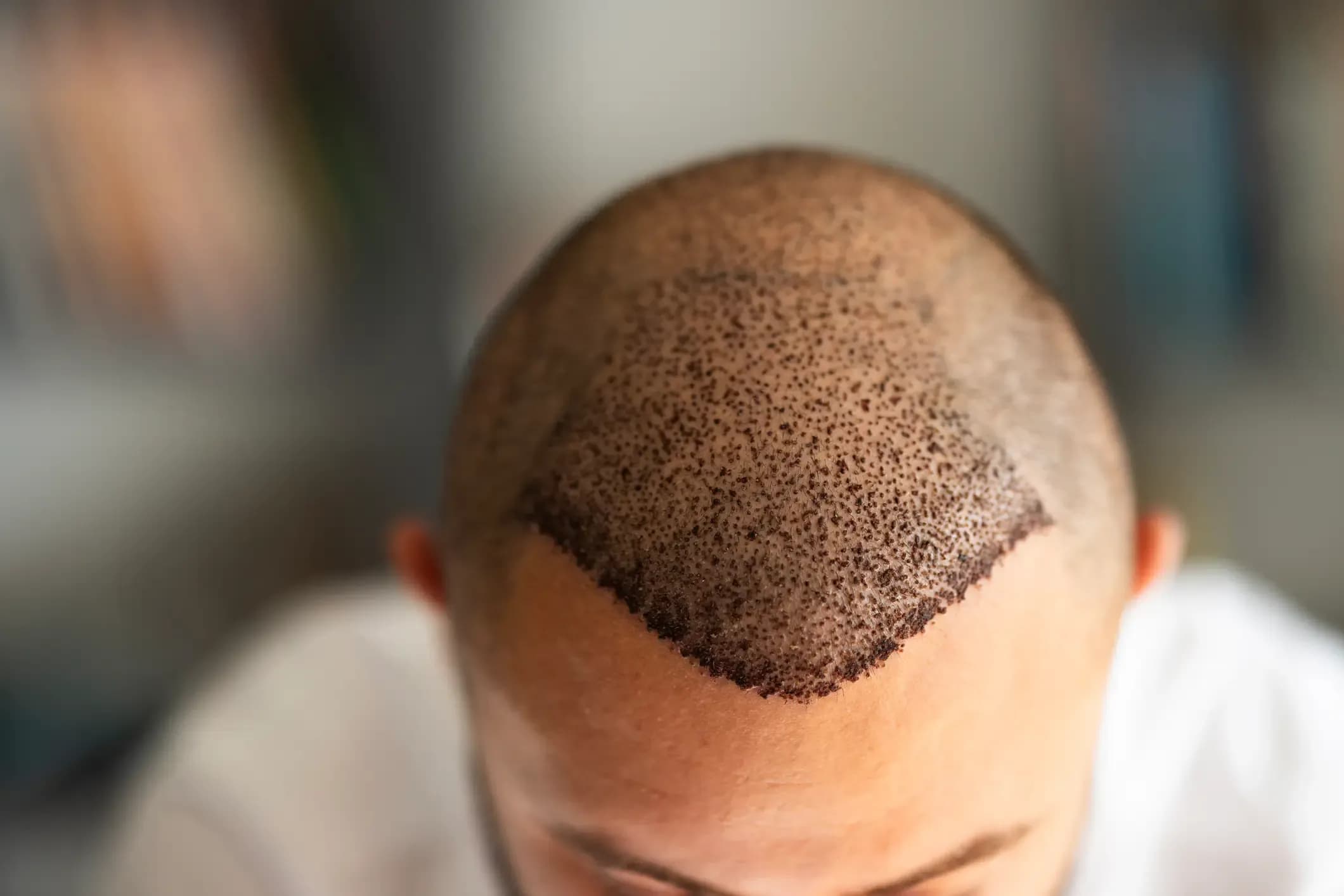
Alcohol can affect bleeding, swelling, medication safety and sleep in the first days after a hair transplant, so most surgeons ask patients to stop drinking for a period before and after the procedure. This guide explains why alcohol matters during recovery, how long people usually wait before drinking again and which situations call for extra caution.
Can You Drink Alcohol After a Hair Transplant?
You can usually return to drinking alcohol after a hair transplant, but most surgeons recommend avoiding it entirely during the first days and often for longer. The early recovery period is when the grafts settle into the scalp, the small wounds begin to close and swelling reaches its peak, and alcohol can interfere with each of these processes.
A short break from drinking is a small price compared with the investment you have made in your procedure. Once the initial healing stage has passed and you no longer need certain medications, moderate drinking is generally less of a concern.
Your surgeon's aftercare instructions should guide your decision, since they take into account your health, the medications you receive and how your scalp is healing.
Why Should You Avoid Alcohol Before a Hair Transplant?
You should avoid alcohol before a hair transplant because it can thin the blood and increase bleeding during the procedure. More bleeding can make it harder for the surgical team to see clearly, place grafts precisely and keep the procedure running smoothly.
Alcohol also affects how the body responds to local anesthesia and sedation, and it can leave you dehydrated on the day of surgery. Arriving well rested and hydrated helps you cope better with a long procedure.
Many surgeons ask patients to stop drinking for several days before surgery. Follow the specific timeframe your surgical team gives you, and let them know honestly about your usual drinking habits during the consultation.
How Does Alcohol Affect Hair Transplant Recovery?
Alcohol can affect recovery in several ways, which explains why most surgeons ask patients to avoid it in the early days:
Thinner blood, which can increase the risk of bleeding from the recipient and donor sites.
Wider blood vessels, which can make swelling in the forehead and around the eyes more pronounced.
Dehydration, which can slow the body's natural healing processes and leave you feeling worse.
Interactions with medications, including pain relief, antibiotics and sleep aids that you may receive after surgery.
Poorer sleep and judgment, which can lead to sleeping in the wrong position, scratching the scalp or bumping your head.
How Long Should You Wait Before Drinking Again?
Most people wait at least several days after a hair transplant before drinking alcohol, and many surgeons recommend avoiding it for around a week or longer. The return happens gradually, and the timeline should follow your surgeon's advice.
The First Days After Surgery
The first days are the most important period to avoid alcohol completely. The grafts are still fragile, bleeding risk is highest, swelling usually reaches its peak and you are likely taking several medications. Drinking during this time offers no benefit and adds unnecessary risk.
The End of the First Week
By the end of the first week, the grafts are more secure and swelling has usually started to settle. Many surgeons still prefer patients to avoid alcohol at this stage, especially if they are still taking antibiotics or pain relief. Waiting a little longer gives the scalp more time to heal without added stress.
Returning to Moderate Drinking
After the initial healing period, and once you have finished any medications that interact with alcohol, many people can return to moderate drinking. Keep your intake modest, drink plenty of water and avoid heavy drinking sessions in the weeks that follow, since your scalp is still recovering and your body benefits from good rest and nutrition.
How Does Alcohol Interact With Post-Surgery Medications?
Alcohol can interact with several medications commonly prescribed after a hair transplant, which is one of the main reasons surgeons ask patients to avoid it. Pain relievers, especially stronger ones, can cause drowsiness or affect the liver, and alcohol can increase these effects.
Some antibiotics can cause unpleasant reactions when combined with alcohol, and alcohol may reduce how well certain medications work. Sleep aids and anti-anxiety medications can become dangerously sedating when mixed with alcohol.
Read the information leaflets that come with your medications and ask your surgeon or pharmacist which ones interact with alcohol. As a general rule, it makes sense to avoid drinking until you have finished all the medications prescribed for your recovery.
Does Alcohol Increase Swelling and Bleeding?
Alcohol can increase both swelling and bleeding after a hair transplant, because it widens blood vessels and affects the way blood clots. In the first days after surgery, the small incisions in the recipient area are still sealing, and anything that increases blood flow to the scalp can cause oozing or bleeding.
Swelling often moves down from the forehead to the area around the eyes in the days after surgery. Alcohol can make this swelling more noticeable and uncomfortable, and it may take longer to settle.
Bleeding that starts after drinking can also lead to more crusting around the grafts, which can make the scalp harder to clean gently and may increase the temptation to touch it.
Can Alcohol Affect Graft Survival and Hair Growth?
Alcohol in the early days may affect graft survival indirectly, through increased bleeding, swelling, dehydration and the risk of accidental damage to the scalp. Each of these factors can create a less favorable environment for the grafts as they settle into the skin.
Grafts need good blood supply, oxygen and nutrients to establish themselves. Dehydration and poor sleep can reduce the body's ability to support this process, while bleeding and crusting can make the area harder to care for properly.
Alcohol can also affect judgment, which increases the risk of scratching the scalp, sleeping face down or knocking your head. Avoiding alcohol during the most sensitive period helps protect the grafts and supports better healing.