Esthetic Hair Clinic logo

Science Behind the Art

No Shave Hair Transplant in Turkey

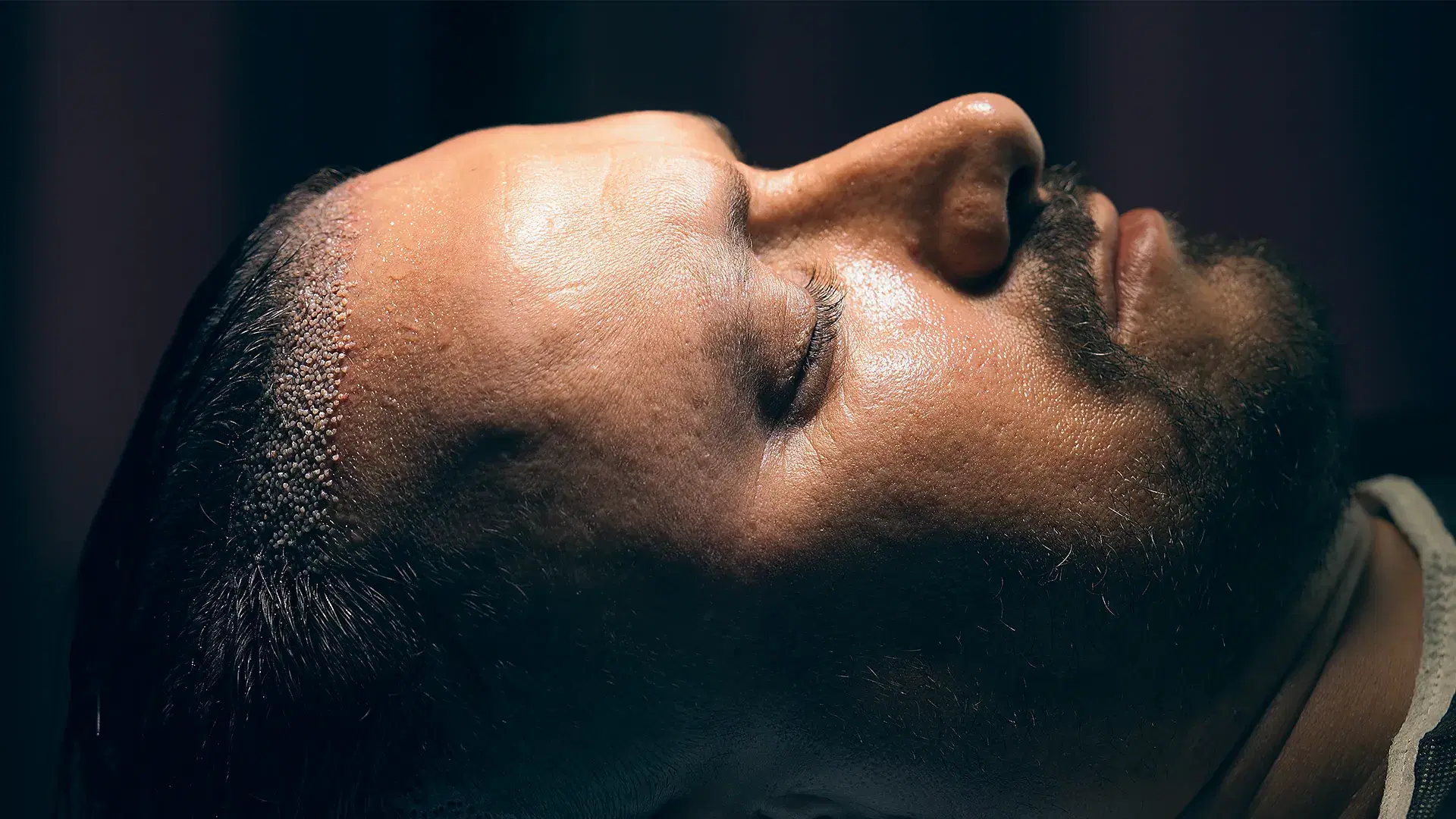
A no shave hair transplant in Turkey is a hair restoration procedure that allows patients to undergo a transplant without shaving their entire head. This technique is particularly popular among individuals who want to maintain their existing hairstyle and return to their daily activities with minimal visible signs of treatment.

Badge Icon

info

What Is a No Shave Hair Transplant ?

A no shave hair transplant is a hair restoration technique that allows implantation without shaving the recipient area or the entire scalp. Only a very small part of the donor area may be trimmed, and it is easily hidden under surrounding hair.

This method is also known as an unshaven hair transplant. Both terms describe the same concept and are often used interchangeably.

The main purpose is discretion. After the procedure, there are no obvious signs that you have undergone hair restoration. You can continue your daily routine without unwanted attention.

What Is an Unshaven Hair Transplant
Badge Icon

DHI Method

Why the DHI Method Is Ideal for No Shave Hair Transplant?

The DHI (Direct Hair Implantation) method is considered ideal for a no shave hair transplant because it allows precise graft placement while preserving the patient's existing hair. This advanced technique is particularly beneficial for individuals who want to restore hair discreetly without shaving their entire scalp.

The DHI method is ideal for no shave hair transplant procedures because it combines precision, natural-looking results, and minimal disruption to existing hair. For patients seeking a discreet approach to hair restoration, DHI offers one of the most effective solutions available today.

DHI method for no shave Hair Transplant
Badge Icon

Procedure

DHI Procedure for No Shave Hair Transplant

The DHI method for a no shave hair transplant follows a precise four step process designed to protect existing hair while ensuring natural density and minimal downtime.

1
<h3><span style="color: rgb(247, 248, 248);">1. Individual Graft Extraction</span></h3>

1. Individual Graft Extraction

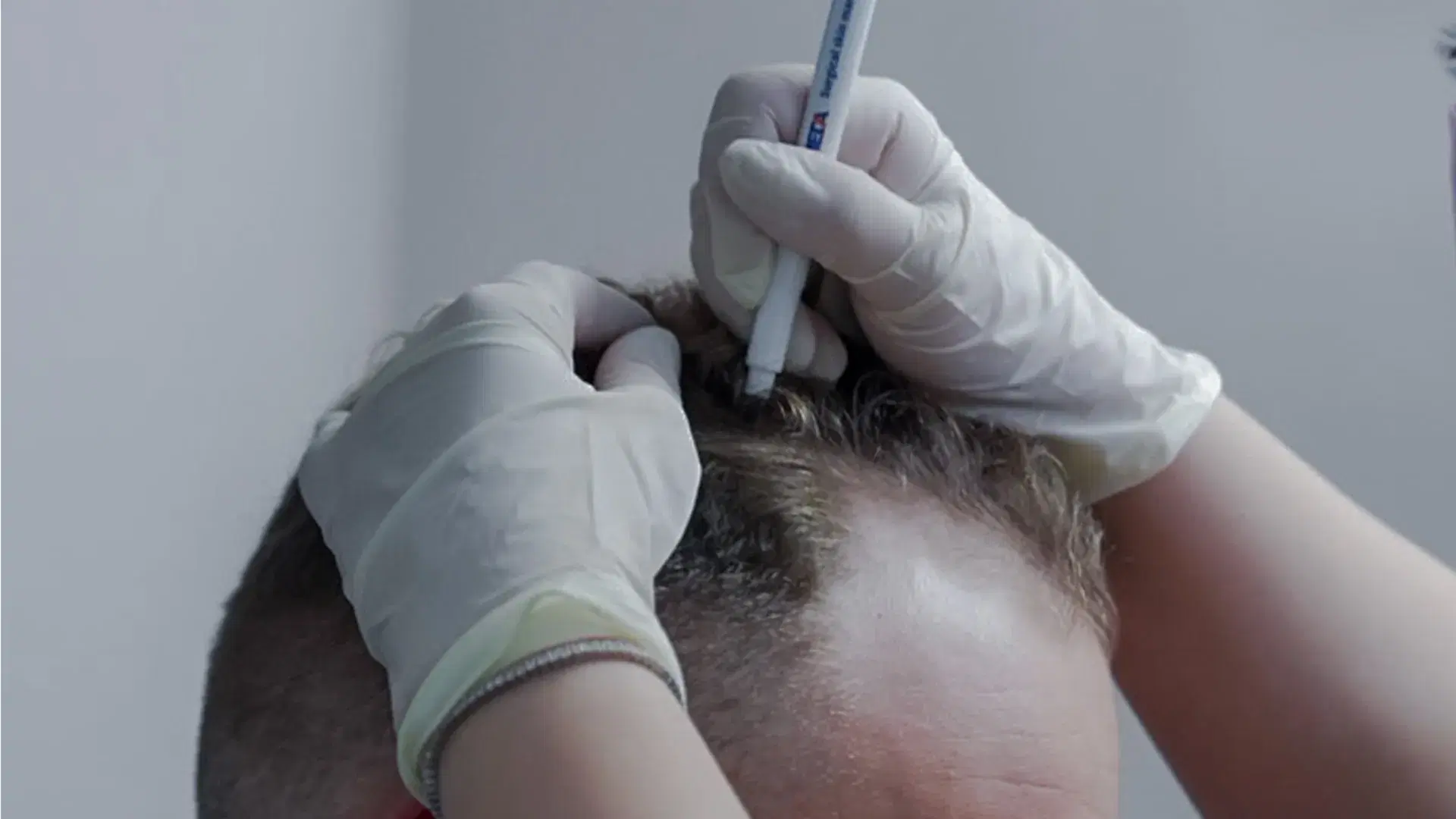
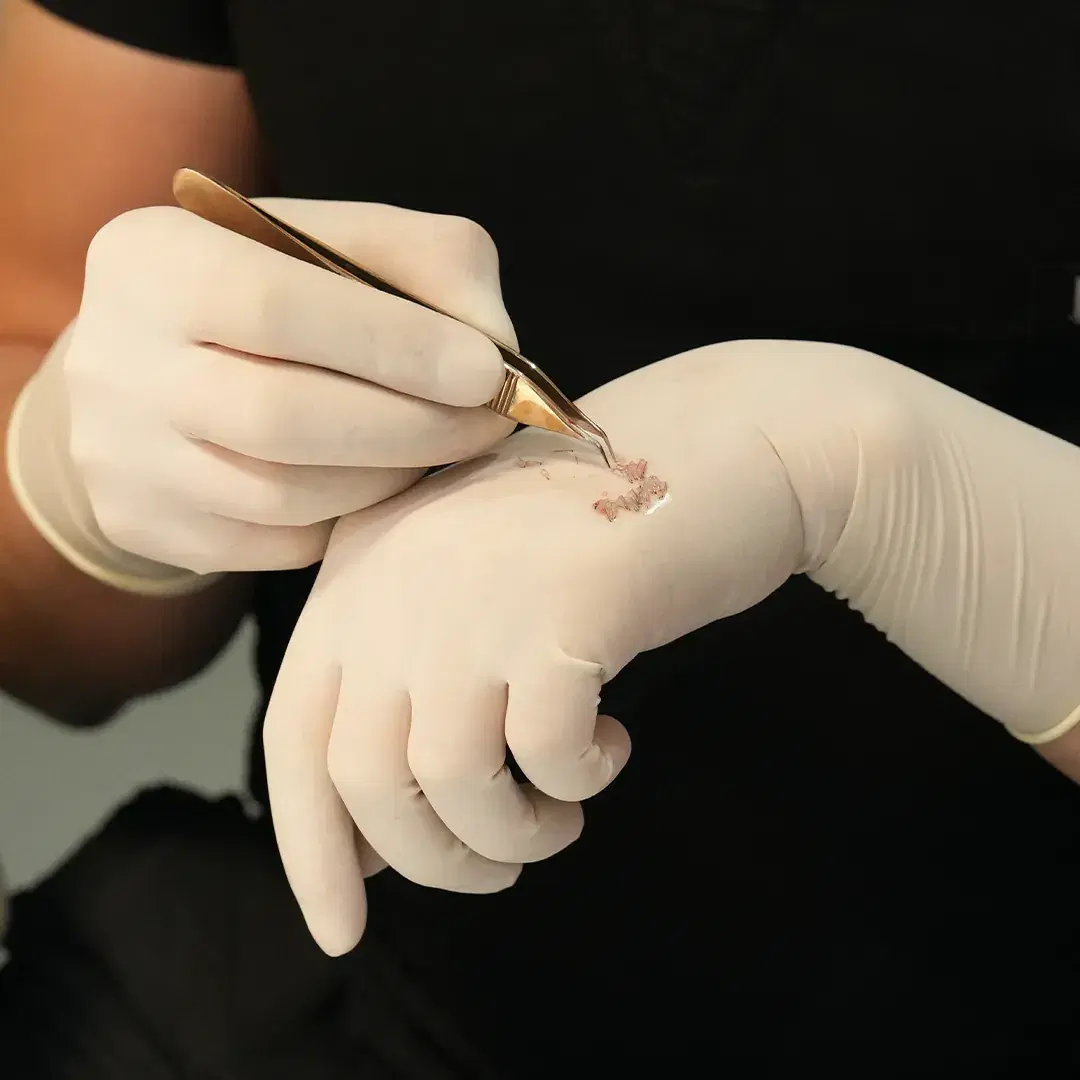
Healthy hair follicles are extracted one by one from the donor area using the FUE technique. In a no shave procedure, only a limited donor section is trimmed if necessary, allowing the surrounding hair to remain untouched.

2
<h3><span style="color: rgb(247, 248, 248);">2. Graft Preparation and Loading</span></h3>

2. Graft Preparation and Loading

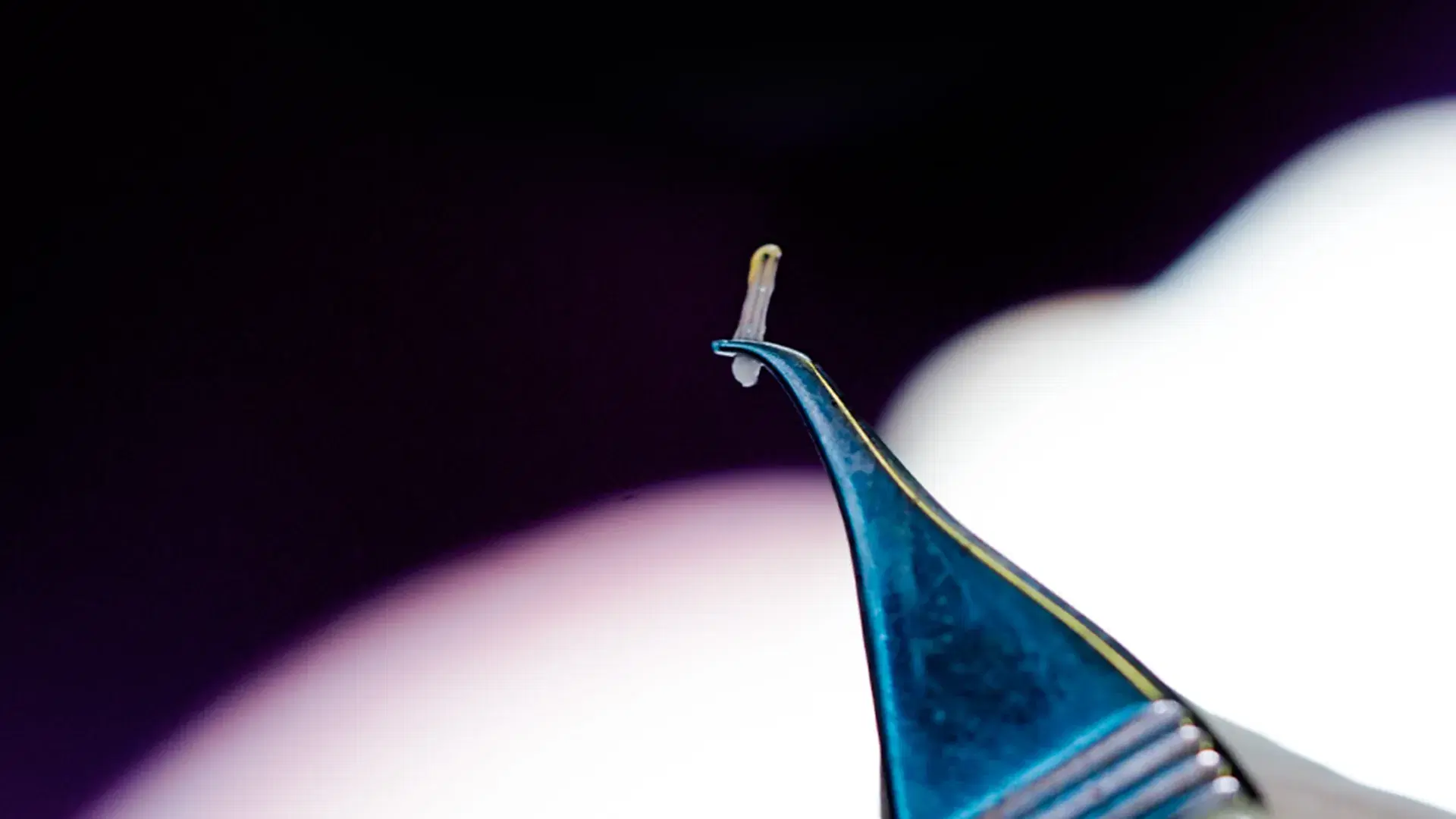
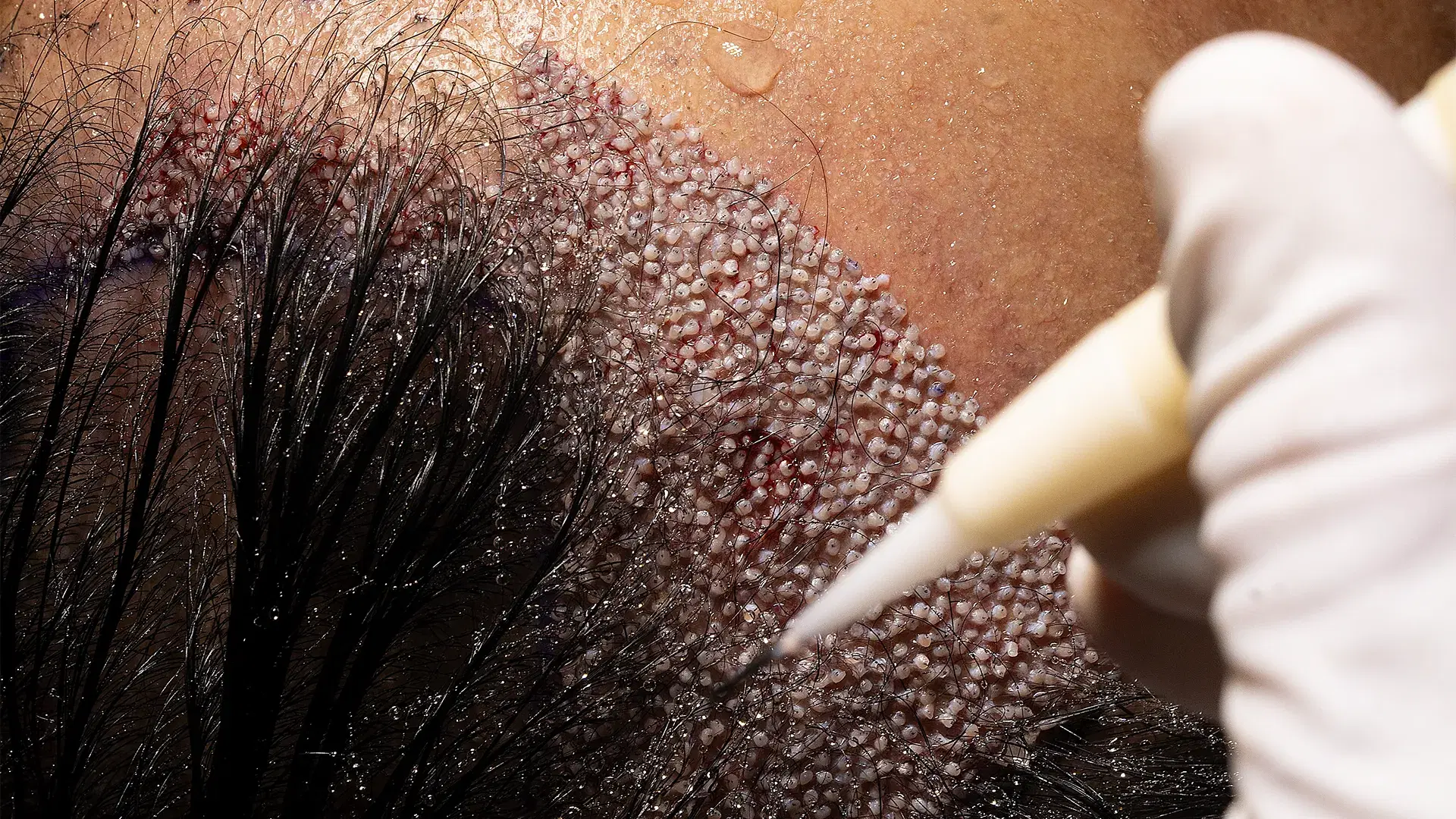
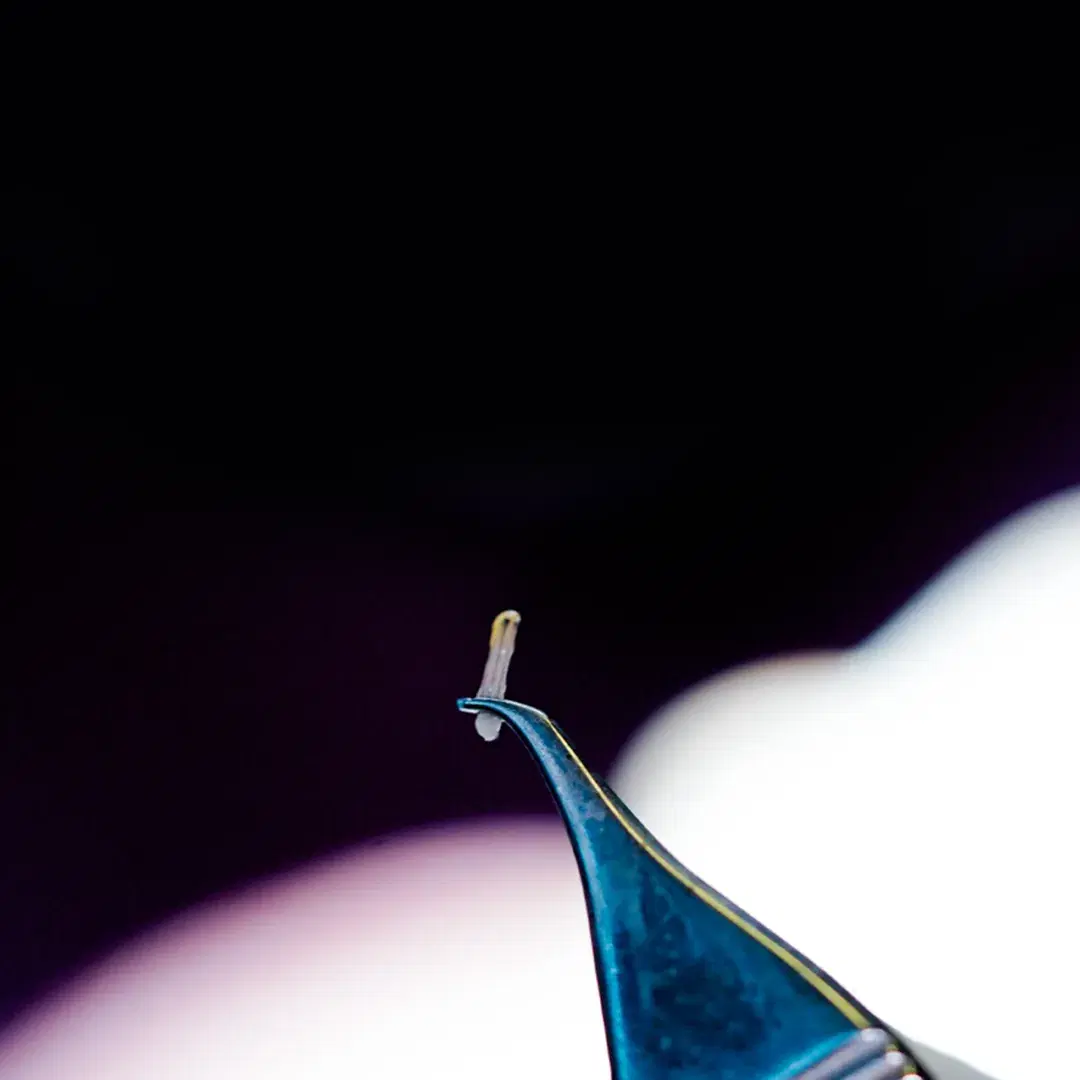
Each extracted follicle is carefully inspected and then placed into the Choi implanter pen. This device keeps the grafts protected and ready for controlled implantation.

3
<h3><span style="color: rgb(247, 248, 248);">3. Direct Implantation Between Existing Hair</span></h3><p></p>

3. Direct Implantation Between Existing Hair

The surgeon implants the follicles directly into the recipient area without shaving the existing hair. Angle, depth, and direction are adjusted in real time to blend seamlessly with natural strands.

4
<h3><span style="color: rgb(247, 248, 248);">4. Precise Placement with Minimal Trauma</span></h3>

4. Precise Placement with Minimal Trauma

Because channels are not created in advance, implantation and incision occur simultaneously. This reduces tissue trauma, limits bleeding, and supports faster recovery while maintaining high graft survival rates.

Benefits of No Shave Hair Transplant with DHI

How Does a No Shave Hair Transplant Work?

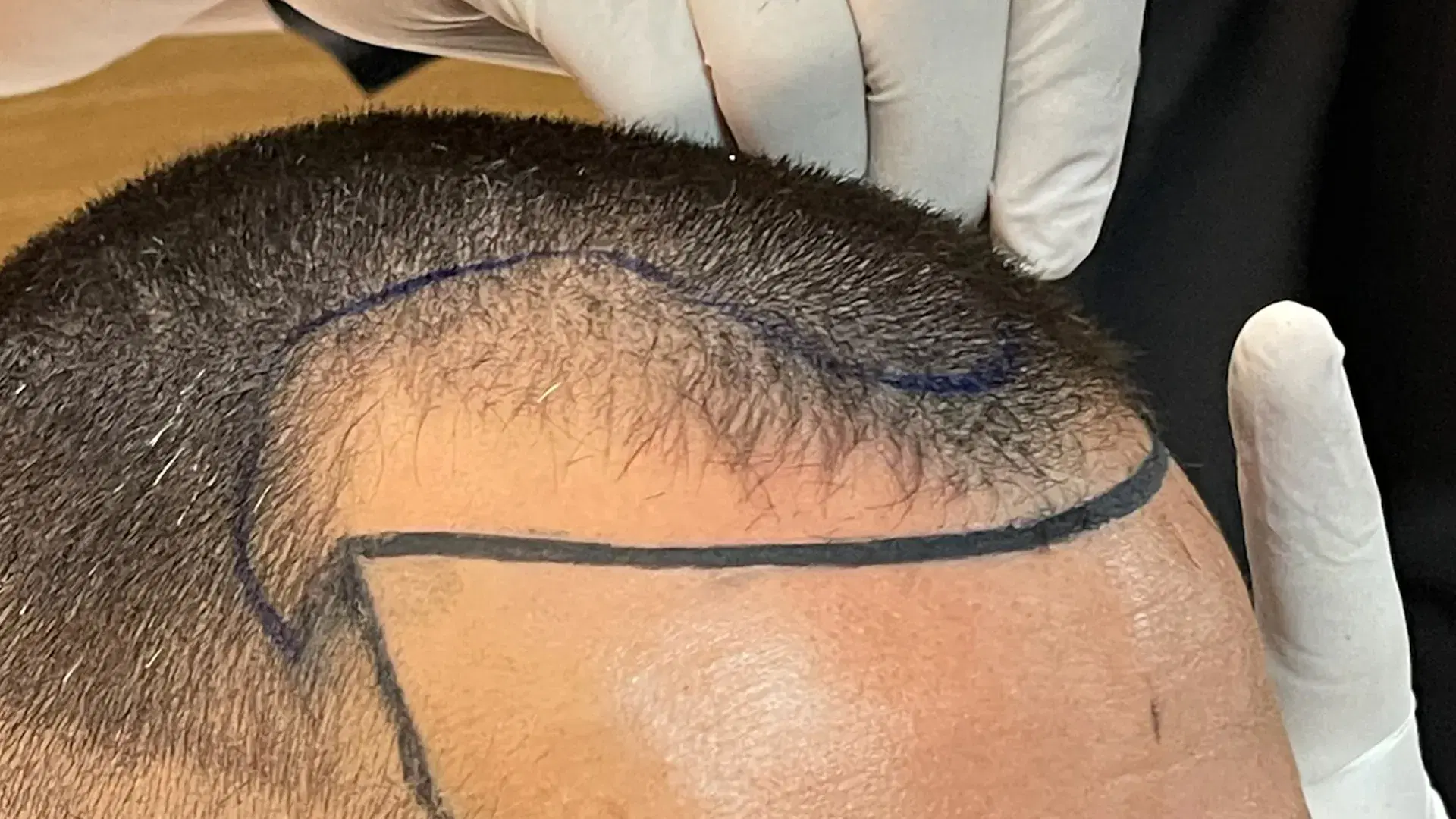
In a traditional hair transplant, the donor area is usually shaved to make follicle extraction easier. With a no shave hair transplant, the surgeon carefully extracts hair follicles from beneath the longer surrounding hair, allowing the donor area to remain largely concealed.

The transplanted grafts are then implanted into thinning or balding areas while preserving the patient’s current hairstyle as much as possible.

Who Is a Good Candidate for No Shave Hair Transplant?

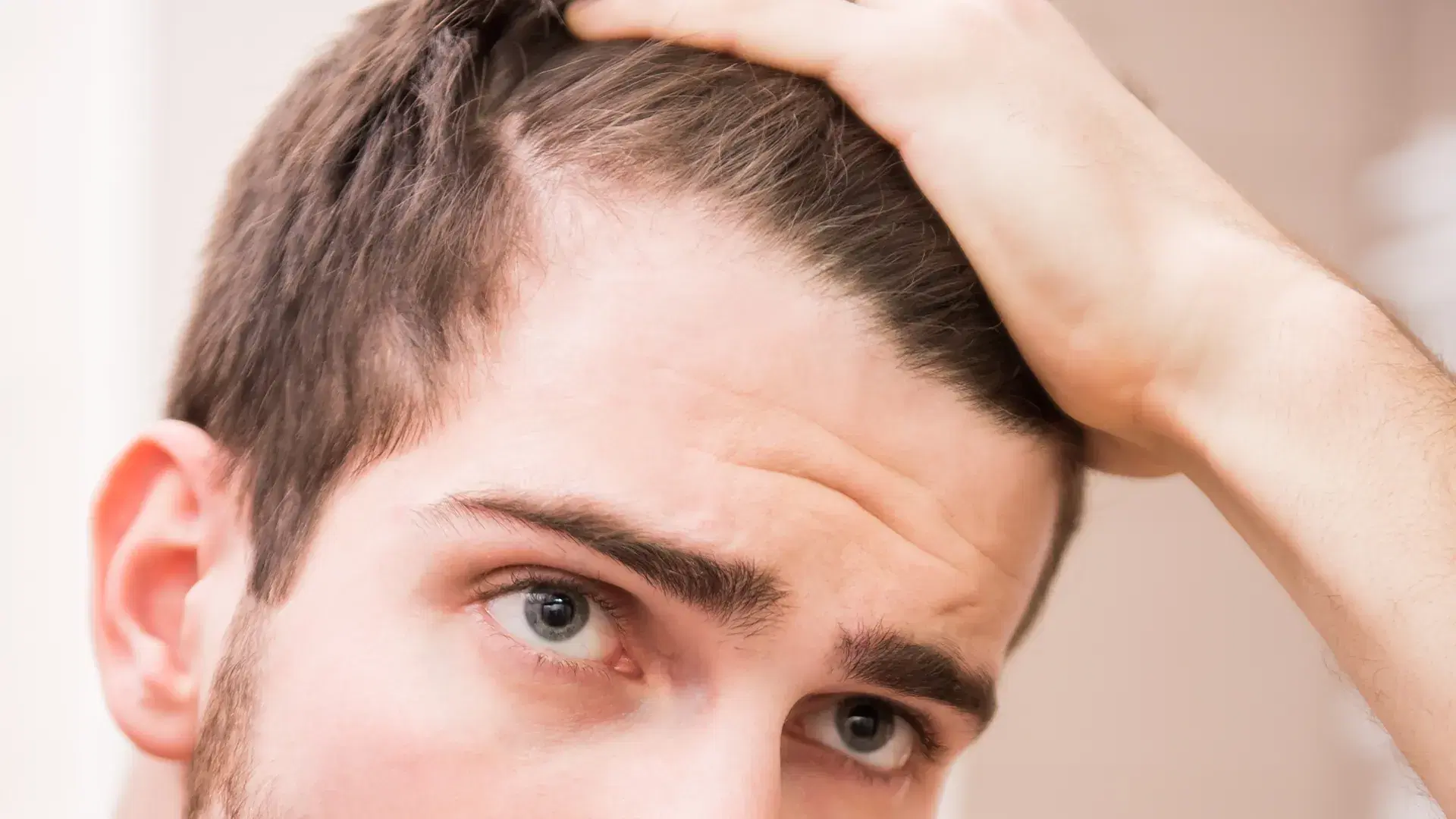
A good candidate for a no shave hair transplant is someone with mild to moderate hair loss, enough healthy donor hair, and a preference for a discreet recovery. This method allows selected grafts to be extracted and implanted without shaving the entire head, making it popular among people who want to return to daily life with minimal visible change.

  • People with mild to moderate thinning: No shave hair transplant is often suitable for receding hairlines, temple recession, crown thinning, or small bald areas.

  • People with enough donor hair: The back and sides of the scalp should have strong, healthy follicles for transplantation.

  • People who want a discreet procedure: It is ideal for those who do not want a shaved appearance after surgery.

  • People with longer hair: Existing hair can help cover the donor and recipient areas during healing.

  • Professionals with busy schedules: Patients who need to return to work or social life quickly may prefer this option.

  • Women with hair thinning: No shave hair transplant can be suitable for women who want to preserve their current hairstyle.

  • People with stable hair loss: Results are usually better when hair loss is not rapidly progressing.

  • People with realistic expectations: The technique can improve density and hairline shape, but it may not be ideal for very large bald areas.

  • People in good general health: Uncontrolled medical conditions, active scalp infections, or healing problems may affect suitability.

  • People willing to follow aftercare: Careful washing, avoiding trauma, and attending follow-ups help protect the grafts.

Follicle Extraction Without Full Shaving

Fully Unshaven Hair Transplant

A fully unshaven hair transplant is a hair restoration procedure performed without shaving either the donor area or the recipient area. This technique allows patients to maintain their existing hairstyle throughout the treatment process, making it one of the most discreet hair transplant options available.

During the procedure, the surgeon carefully extracts individual hair follicles from the donor area while leaving the surrounding hair intact. The grafts are then implanted into thinning or balding areas without shaving the recipient site. Because both areas remain unshaven, the procedure requires a high level of precision and experience.

Direct Implantation with the Choi Implanter Pen

No Shave Hair Transplant for Women in Turkey

A no shave hair transplant for women in Turkey is a discreet hair restoration procedure that allows patients to undergo treatment without shaving their hair. This approach is especially popular among women who want to address thinning hair, a receding hairline, or localized hair loss while maintaining their current hairstyle.

Unlike many male patients, women are often reluctant to shave part or all of their hair for a transplant procedure. A no shave hair transplant eliminates this concern by allowing the surgeon to extract and implant hair follicles while keeping the surrounding hair intact.

This makes the procedure a more comfortable and aesthetically appealing option for women who want minimal disruption to their appearance.

Natural Results and Hairline Design

How Many Grafts Are Needed for No Shave Hair Transplant?

The number of grafts needed for a no shave hair transplant depends on the extent of hair loss, the size of the treatment area, and the desired density. Since no shave procedures focus on preserving the existing hairstyle, the graft requirements are generally similar to those of standard hair transplant techniques.

Treatment Area

Estimated Grafts

Hairline Restoration

1,000–2,000 grafts

Temple Areas

500–1,500 grafts

Crown (Vertex)

1,500–3,000 grafts

Moderate Hair Loss

2,000–3,500 grafts

Extensive Hair Loss

3,500–5,000+ grafts

Good Candidate for This Technique

Recovery and Healing Timeline

The recovery and healing timeline after a no shave hair transplant is generally similar to that of a standard hair transplant, but the procedure is often more discreet because the surrounding hair helps conceal the treated areas. While individual healing rates vary, most patients can return to normal daily activities within a few days.

Days 1–3: Initial Recovery

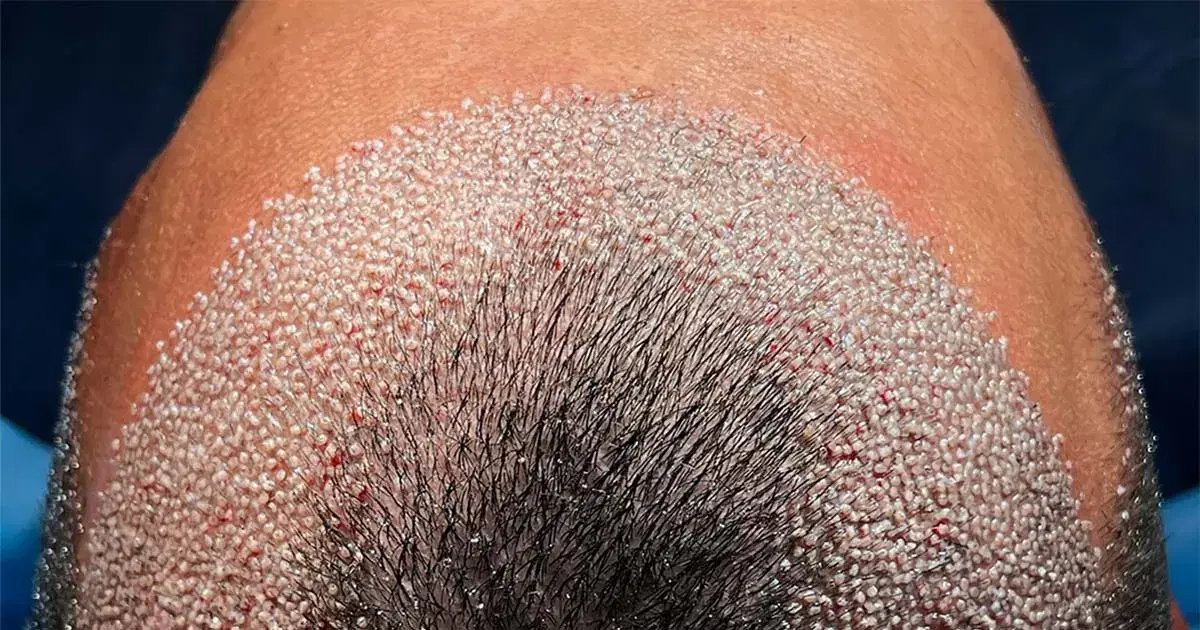
During the first few days, mild redness, swelling, and small scabs may appear in both the donor and recipient areas. These are normal signs of healing. Patients should follow all post-operative instructions carefully and avoid touching or scratching the scalp.

Days 4–10: Scab Formation and Healing

Small scabs begin to dry and gradually fall away. Any swelling typically subsides during this period. Gentle washing techniques recommended by the clinic help keep the scalp clean and support proper healing.

Weeks 2–4: Shock Loss Phase

Many patients experience temporary shedding of the transplanted hairs, commonly known as shock loss. This is a normal part of the hair growth cycle and does not mean the grafts have failed. The transplanted follicles remain healthy beneath the scalp.

Months 3–4: Early Hair Growth

New hairs begin to emerge from the transplanted follicles. Growth may initially appear thin or uneven, which is completely normal during the early stages of development.

Months 6–9: Noticeable Improvement

Hair becomes thicker, denser, and more visible. Most patients see significant progress during this stage, with improved coverage and a more defined hairline.

Months 12–18: Final Results

The majority of hair growth is typically complete within 12 months, although some patients continue to see improvements up to 18 months after the procedure. At this stage, the transplanted hair should blend naturally with the existing hair.

Is No Shave Hair Transplant Suitable for the Crown?

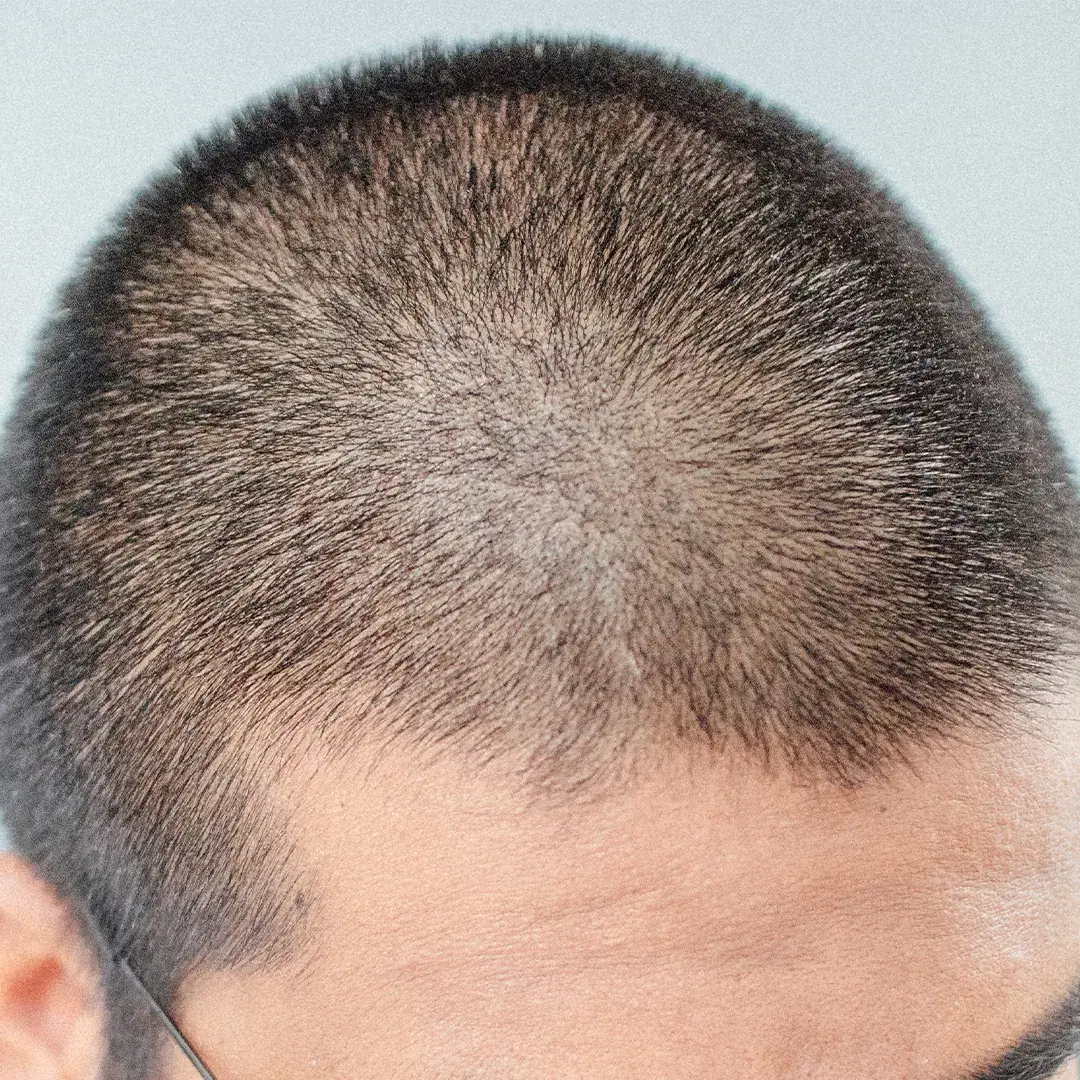
Yes, a no shave hair transplant can be suitable for the crown (vertex) area, especially for patients with mild to moderate crown thinning who want to maintain their existing hairstyle during treatment. Advanced techniques such as DHI and unshaven FUE allow surgeons to transplant hair into the crown without shaving the entire scalp.

The crown is one of the most common areas affected by hair loss. Unlike the hairline, the crown has a natural spiral growth pattern, which requires careful planning and precise graft placement to achieve a natural appearance.

Cost of No Shave Hair Transplant with DHI

Does No Shave Hair Transplant Hurt?

No, a no shave hair transplant is generally not painful during the procedure because local anesthesia is used to numb both the donor and recipient areas. Most patients remain awake throughout the treatment and experience little to no discomfort once the anesthesia takes effect.

The only part that may cause mild discomfort is the administration of the local anesthetic. Patients often describe this sensation as a brief pinching or stinging feeling that lasts only a few seconds. After the scalp is numbed, the extraction and implantation process is usually painless.

No Shave Hair Transplant in Turkey

No Shave Hair Transplant in Istanbul at Esthetic Hair

A no shave hair transplant at Esthetic Hair in Istanbul allows patients to restore hair without shaving their entire head, making the procedure a discreet option for those who want to maintain their existing hairstyle. The clinic offers advanced hair restoration techniques, including DHI and FUE, designed to provide natural-looking results while minimizing visible signs of treatment.

No Shave Hair Transplant in Turkey Cost 2026

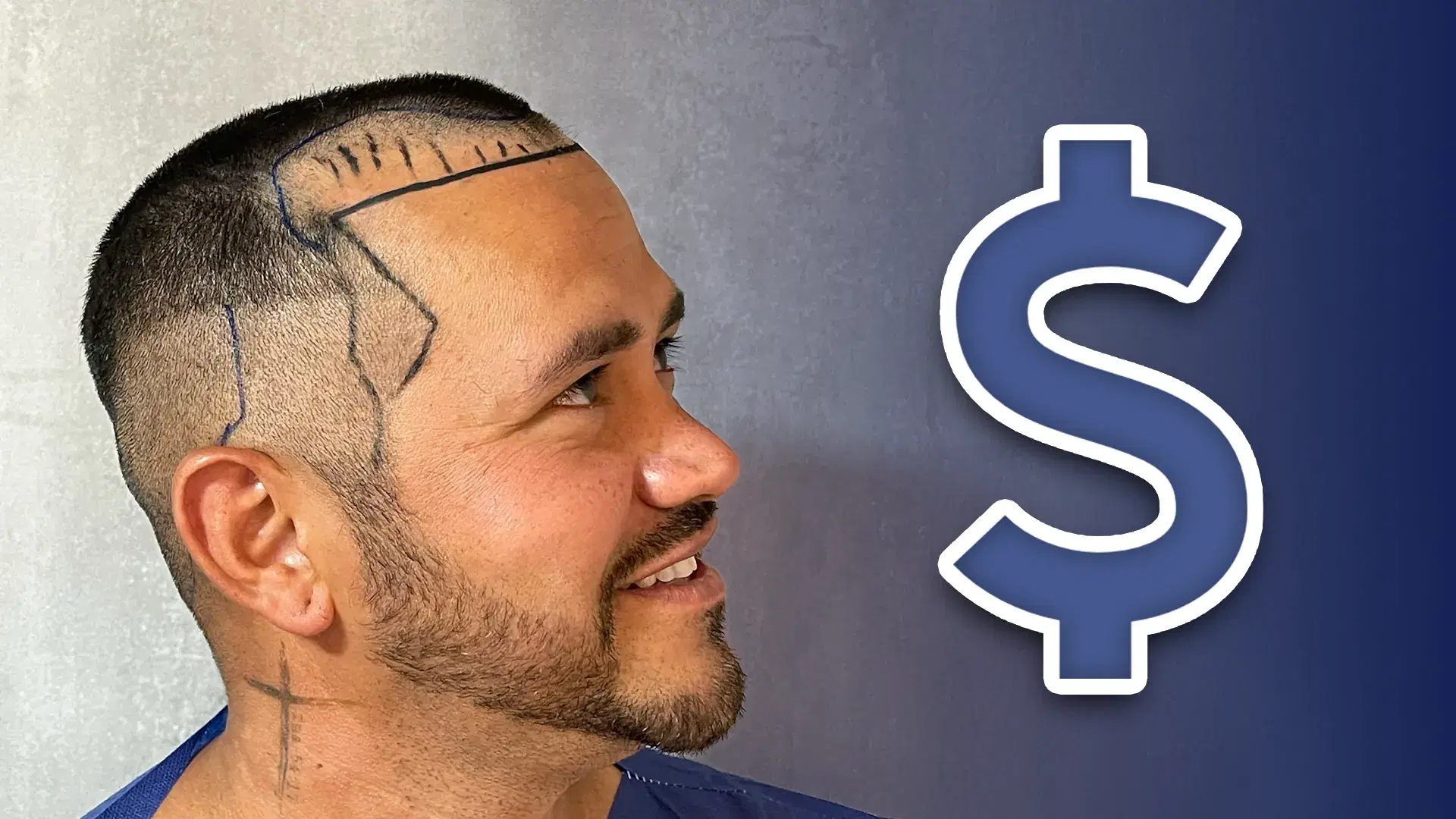
No shave hair transplant in Turkey cost in 2026 generally ranges between $2,500 and $6,000.

The final price depends on graft number, hair loss level, technique and package content. No shave procedures can cost more than standard shaved hair transplants because extraction and implantation require more time. The method may also need a smaller working area, careful trimming, and more detailed graft handling.

question

FAQ

FAQ