A beard transplant works by moving healthy hair follicles from a donor area, usually the back of the scalp, to parts of the face where beard growth is thin, patchy, or missing.
The process usually starts with a consultation. The specialist checks the patient’s donor hair, facial hair pattern, skin condition, and beard goals. Then, a beard design is planned for areas such as the cheeks, jawline, chin, mustache, or sideburns.
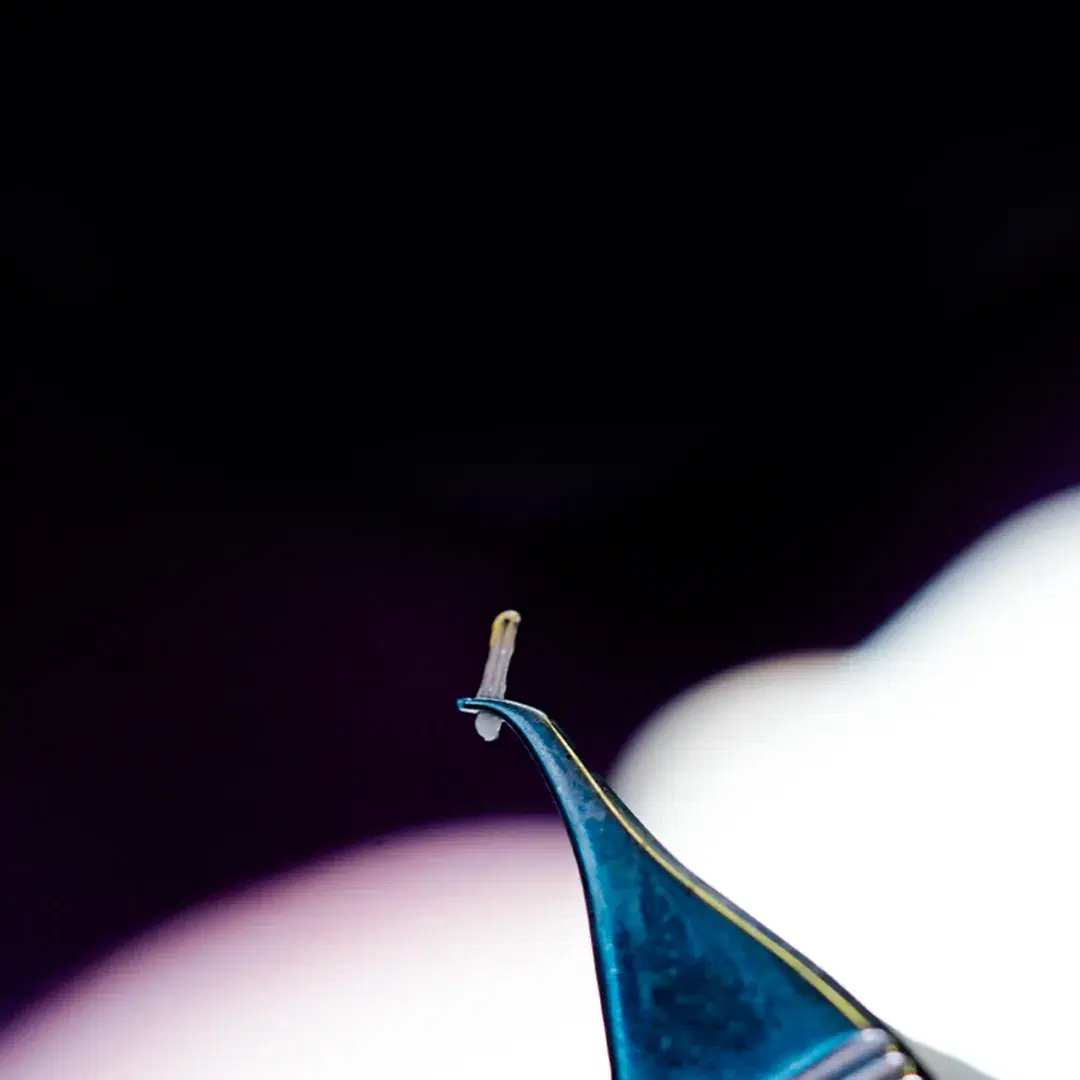
During the procedure, local anesthesia is used to reduce discomfort. In an FUE beard transplant, individual hair follicles are extracted one by one from the donor area. In some clinics, a DHI beard transplant method may be used, where follicles are implanted with a special pen-like tool. The extracted grafts are then placed into the beard area at carefully chosen angles and directions to match natural facial hair growth.
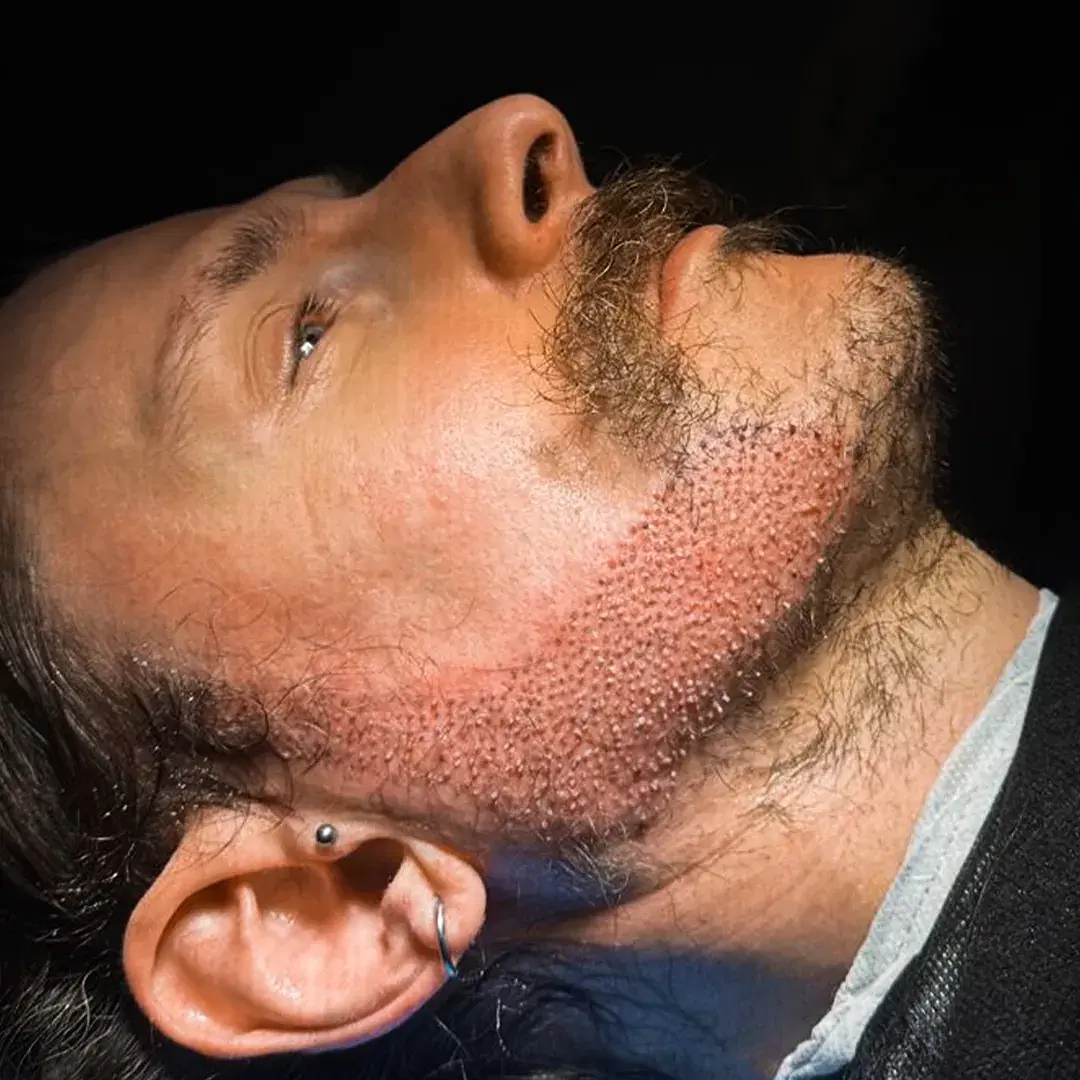
After the procedure, small scabs, redness, or mild swelling may appear for a few days. Some transplanted hairs often shed within the first few weeks. This is a normal part of the healing cycle and does not usually mean the grafts have failed.
Who Is a Good Candidate for a Beard Transplant?
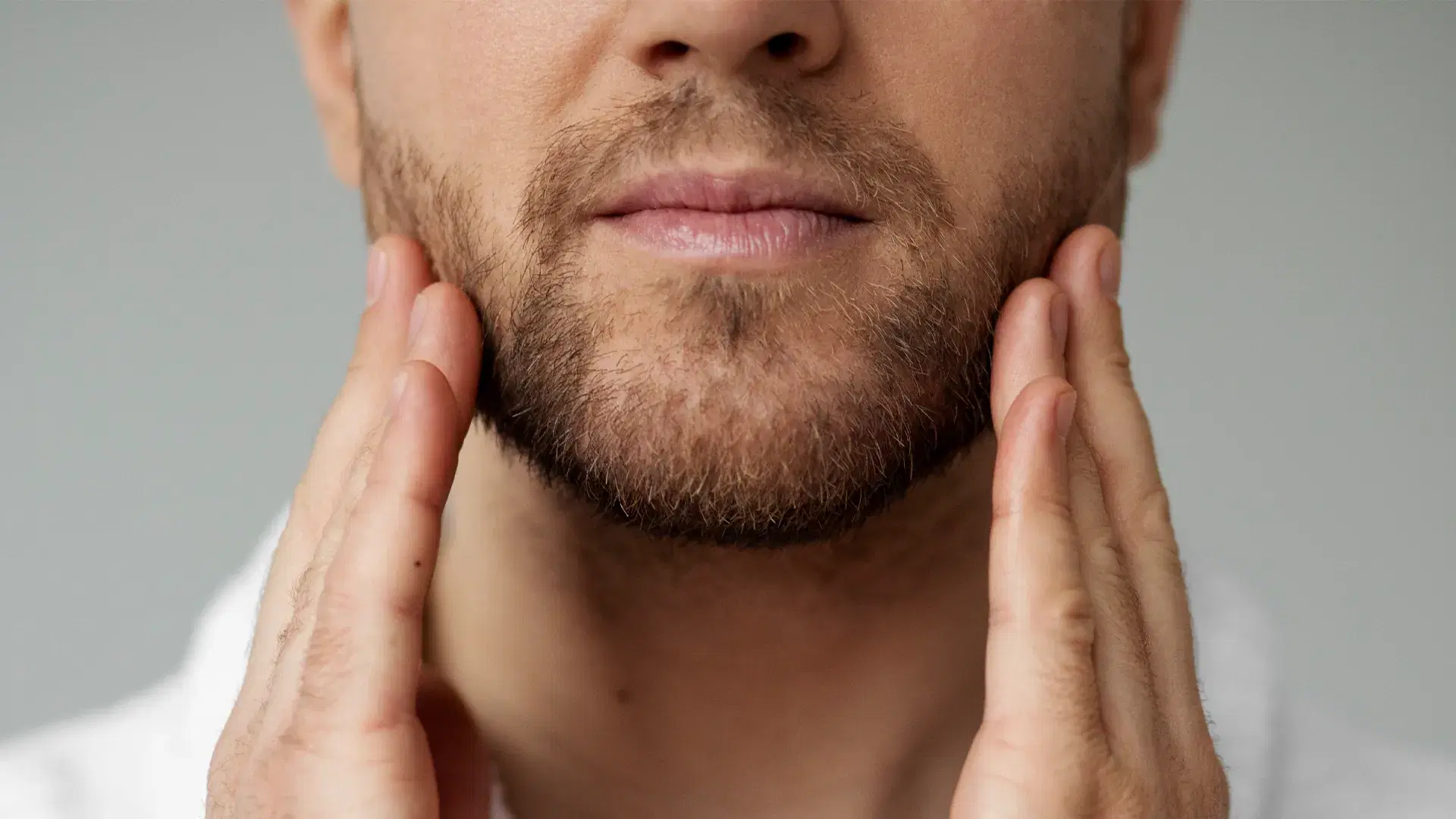
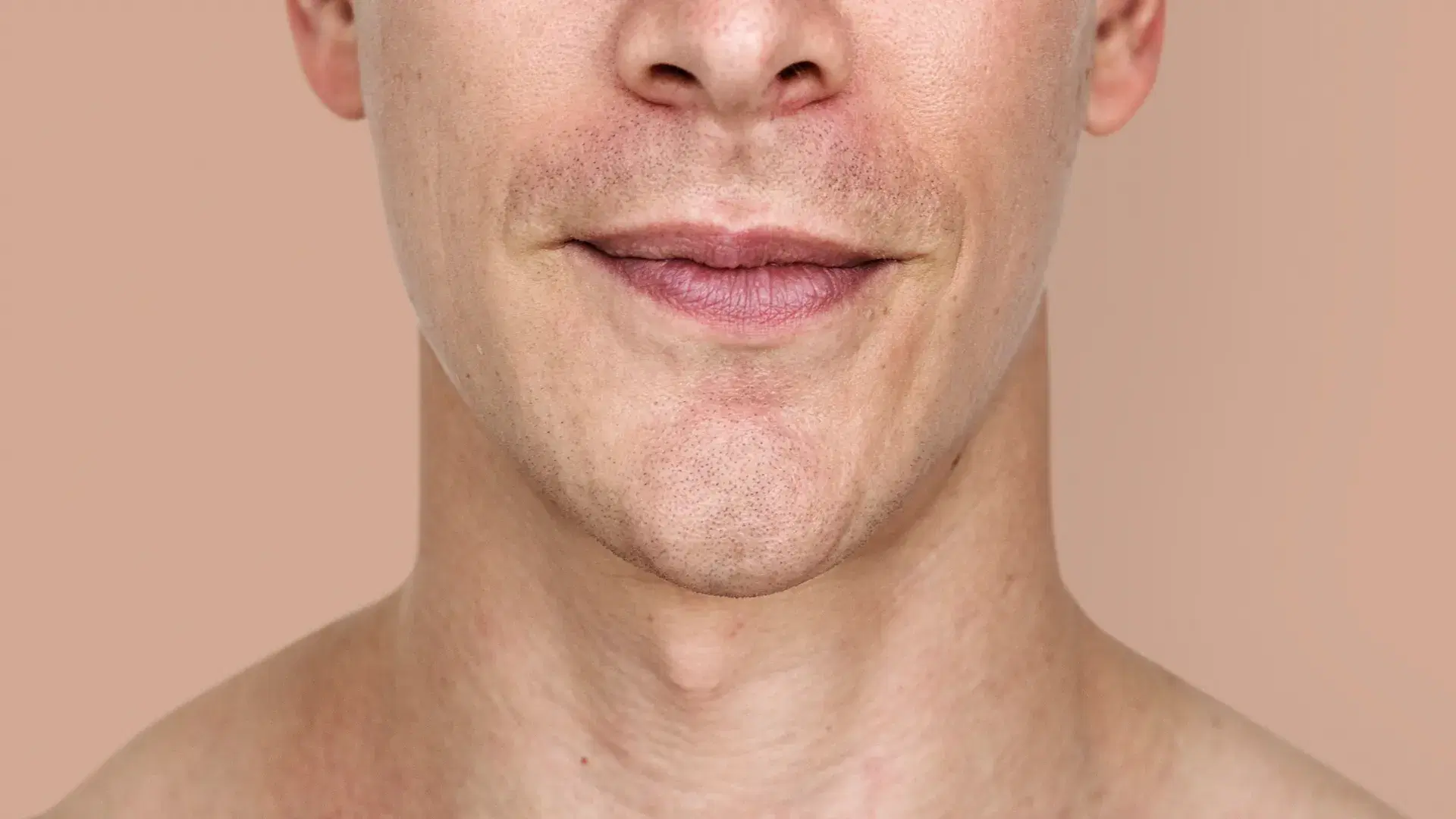
A good candidate for a beard transplant is someone with thin, patchy, or uneven facial hair who has enough healthy donor hair, usually from the back of the scalp.
Men may consider a beard transplant if they cannot grow a full beard due to genetics, scars, burns, previous surgery, or naturally sparse facial hair. It can also help people who want to improve beard density, fill gaps in the mustache, define the jawline, or restore sideburns.
The ideal candidate should have realistic expectations. A beard transplant can improve facial hair coverage, but the final result depends on donor hair quality, skin condition, graft number, and natural beard pattern. The specialist must also check whether the donor area can provide enough follicles without causing visible thinning.
Good general health is important. People with uncontrolled medical conditions, active skin infections, severe acne in the beard area, or certain types of hair loss may need treatment or medical evaluation before the procedure. Smoking, poor healing, and some medications may also affect recovery and results.
Why Do Men Choose Beard Transplant Surgery?
Men choose beard transplant surgery to improve thin, patchy, or uneven facial hair growth.
This procedure can help create a fuller beard when natural growth is limited. It may also restore facial hair in areas affected by scars, burns, or previous skin trauma. Some men prefer a beard transplant because topical products may not provide enough visible density. The surgery uses healthy hair follicles, usually taken from the back of the scalp. These follicles are placed into the beard area to follow natural facial hair direction. The result depends on graft survival, donor hair quality, and proper healing.
Beard Transplant Techniques
Beard transplant techniques are surgical methods used to move healthy hair follicles into sparse facial hair areas. These techniques aim to improve beard density, shape, and coverage with natural-looking growth. The most common methods include FUE, DHI, and Sapphire FUE beard transplant procedures.
Each technique collects donor hair follicles and places them into the beard area. The main differences involve extraction tools, implantation methods, and channel opening steps. A surgeon chooses the technique based on beard gaps, skin condition, and donor hair quality. The goal is to place grafts at the right angle and direction.
FUE Beard Transplant
FUE beard transplant is a technique that extracts individual hair follicles and implants them into the beard area.
The procedure usually takes follicles from the back of the scalp, where hair is often stronger. These follicles are then placed into patchy or thin facial hair areas. FUE beard transplant can treat the beard, mustache, cheeks, chin, and sideburns. The method does not require removing a strip of skin from the donor area. It focuses on placing grafts in line with natural beard direction. Healing time and final density depend on graft survival and aftercare.
DHI Beard Transplant
DHI beard transplant is a technique that implants hair follicles directly using a special implanter pen.
In this method, healthy follicles are first taken from the donor area. They are then placed into the beard area without opening separate channels beforehand. The implanter pen helps control the angle, depth, and direction of each graft. DHI beard transplant may be used for detailed beard shaping and small patchy areas. It can treat the cheeks, chin, mustache, and sideburns. Results depend on follicle quality, graft placement, and the healing process after surgery.
Sapphire FUE Beard Transplant
Sapphire FUE beard transplant is an FUE method that uses sapphire blades to open implantation channels.
The procedure begins with extracting individual follicles from the donor area, usually the back of the scalp. These follicles are then implanted into thin or patchy beard areas. Sapphire blades are used to create small channels before graft placement. This may help surgeons control angle, density, and direction during implantation. Sapphire FUE beard transplant can treat the cheeks, chin, mustache, and sideburn areas. Final growth depends on graft survival, skin response, and post-surgery care.