Why Do International Patients Consider FUE Hair Transplant in Turkey
Turkey has developed a strong international profile in hair restoration. Patients from Europe, the Middle East and other regions often travel to the country for procedures because they can combine specialist treatment with organized medical travel services.
Cost plays a role, but it should not become the only deciding factor. A FUE hair transplant in Turkey creates a long-term change, so patients should also consider medical planning, communication, hygiene standards, donor-area management and aftercare.
Many patients also value the convenience of receiving consultation, treatment and early follow-up within a structured schedule. Istanbul’s international flight connections make the city particularly accessible for people traveling from abroad.
A lower price does not automatically mean lower quality, just as a higher price does not guarantee a better result. Patients should focus on the details of the proposed treatment and ask who will perform each stage of the procedure.
The Esthetic Hair Approach to FUE Hair Transplantation
At Esthetic Hair, the process begins with understanding the patient’s concerns and evaluating whether FUE offers an appropriate solution. Hair restoration should reflect the individual rather than follow a fashionable template.
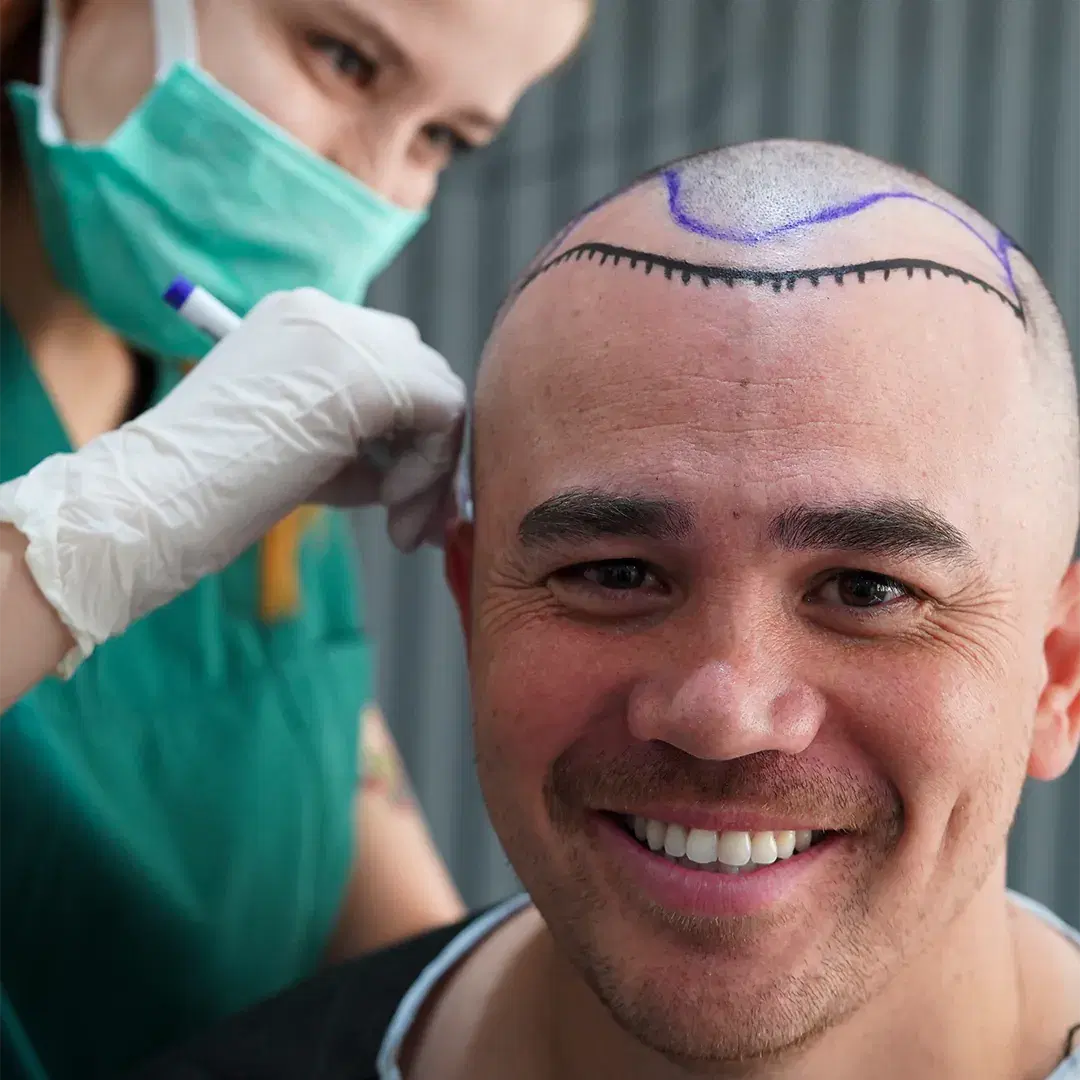
A natural result depends heavily on hairline design. A hairline that sits too low, appears too straight or contains excessive density at the front may look unnatural. An effective design considers age, facial proportions, existing hair, possible future loss and donor capacity.
The medical team also evaluates the quality of the donor area. A successful transplant requires responsible use of the available follicles. Extracting too many grafts can create visible thinning at the back of the scalp, while extracting too few may fail to provide meaningful coverage. Balanced planning protects the donor area while supporting the desired improvement.
Hair thickness, curl, color contrast and follicular structure can also affect visual density. Two patients who receive the same number of grafts may achieve different appearances because their hair characteristics differ. A personalized plan takes these variables into account before the procedure begins.
Consultation and Personalized Hair Analysis
The consultation gives patients an opportunity to discuss their goals and receive a realistic evaluation. During this stage, the clinic may assess the pattern of hair loss, scalp condition, medical history, donor strength and the amount of existing hair in the recipient area.
Patients should provide accurate information about medications, previous operations and health conditions. Certain scalp problems or medical causes of hair loss may require additional assessment before a transplant becomes appropriate.
The consultation also helps determine the approximate number of grafts. Although graft estimates can guide planning, the final number may depend on the donor area and the conditions observed during treatment.
Clear communication matters throughout this stage. Patients should understand what the procedure can improve, which areas may remain less dense and how long the growth process may take. Realistic expectations often lead to greater satisfaction than exaggerated promises.
What Happens on the Procedure Day?
On the day of the FUE hair transplant, the team reviews the treatment plan and confirms the hairline design. After preparing the scalp, the medical team applies local anesthesia to the relevant areas.
The extraction stage involves removing individual follicular units from the donor zone. The team then sorts and prepares the grafts while protecting them until implantation. Careful handling remains important because graft quality can influence survival and growth.
The recipient stage requires both technical precision and aesthetic judgment. The team creates or prepares placement areas according to the planned direction and density. Follicles near the front hairline generally require a softer distribution, while other areas may need a different pattern to create visual fullness.
The length of the procedure varies according to the number of grafts and the complexity of the treatment. Patients usually receive instructions about positioning, scalp protection and the early recovery period before leaving the clinic.
Recovery After an FUE Hair Transplant
Recovery does not end when the procedure finishes. The first days require careful attention because the newly placed grafts remain delicate.
Mild redness, swelling, sensitivity or small scabs may appear after treatment. These effects usually form part of the early healing process, although every patient recovers differently. Following the clinic’s instructions can help protect the grafts and support comfortable healing.
Patients should avoid rubbing or scratching the transplanted area. The clinic may also recommend a specific sleeping position during the first nights to reduce swelling and unwanted contact with the scalp.
Washing instructions often begin with a gentle technique. Patients should not return immediately to intense exercise, swimming, saunas or activities that may cause heavy sweating or scalp impact. The medical team should explain when normal routines can safely resume.
Some transplanted hairs may shed during the early weeks. This temporary stage can cause concern, but shedding does not necessarily mean that the follicles have failed. New growth usually develops gradually rather than appearing all at once.
When Can Patients See the Result?
Hair transplantation requires patience. The scalp must heal before the follicles enter a new growth cycle. Early growth can appear thin, uneven or soft. Over time, the transplanted hair may become stronger and more visible.
Changes often continue for several months. The front hairline may become noticeable before slower-growing areas reach their fuller appearance. Hair texture can also develop as the growth cycle progresses.
Patients should judge the outcome over the long term rather than during the first few weeks. Regular follow-up photographs can help document changes that may feel difficult to notice from day to day.
The procedure relocates existing follicles; it does not create an unlimited supply of new hair. Natural hair outside the transplanted area may continue to thin. For this reason, long-term planning should consider both the current condition and the possibility of future hair loss.
Creating a Natural-Looking Hairline
A natural hairline should not look like a perfect line drawn across the forehead. Real hairlines contain subtle variations, softer single-hair grafts at the front and gradual density behind them.
Facial shape also influences the design. A hairline that suits one patient may not complement another. Age matters as well. An extremely low hairline may look appealing at first, but it may become less appropriate as the patient grows older or experiences further hair loss.
Esthetic Hair aims to balance coverage, density and donor preservation. The best result does not always come from using the highest possible number of grafts. It comes from using available follicles strategically and placing them where they can create the strongest visual improvement.
Who May Be Suitable for FUE?
FUE may suit men and women with stable or predictable hair loss, sufficient donor hair and realistic expectations. It may also support selected patients who want to improve previous transplant work or restore hair in specific areas.
However, not every form of hair loss responds to transplantation. Active scalp disease, weak donor density or certain medical conditions may limit suitability. Very young patients may also require cautious planning because their future pattern of hair loss may not yet be clear.
A professional evaluation remains the most reliable way to determine whether FUE can meet an individual’s needs.
Choosing FUE Hair Transplant in Turkey at Esthetic Hair
Choosing a hair transplant involves more than selecting a destination. Patients should look for clear explanations, individualized planning and responsible donor management.
Esthetic Hair presents FUE as a carefully planned hair restoration journey. From the first assessment to post-procedure care, each stage should support safety, natural aesthetics and realistic expectations.
For international patients considering FUE hair transplant in Turkey, the combination of travel accessibility and modern treatment options can make Istanbul an appealing destination. The final decision should still follow a detailed consultation and a clear understanding of the proposed procedure.
FUE Hair Transplant in Turkey Cost 2026
In 2026, an FUE hair transplant in Turkey generally costs between $2,000 and $5,000, while premium surgeon-led procedures may reach $6,000 to $8,000.
Patients can expect the following estimated prices:
Up to 2,000 grafts: $1,800–$3,000
2,000–3,500 grafts: $2,200–$4,000
3,500–5,000 grafts: $2,500–$5,500
Premium surgeon-led FUE: $5,000–$8,000
Frequently Asked Questions
Is FUE hair transplantation painful?
The medical team generally performs FUE under local anesthesia. Patients may feel brief discomfort during the application of anesthesia, but the treated areas become numb during the procedure. Mild sensitivity can occur during the early recovery period.
Does an FUE hair transplant leave scars?
FUE creates small extraction points rather than one long linear scar. These marks usually become difficult to notice after healing, particularly when the donor area has adequate surrounding hair. Healing and visibility can vary between patients.
How many grafts will I need?
The required number of grafts depends on the size of the thinning area, donor density, hair thickness, desired coverage and future hair-loss risk. The clinic can provide an estimate after reviewing photographs or examining the scalp directly.
Are FUE hair transplant results permanent?
Transplanted follicles usually retain many of the characteristics of the donor area. However, existing non-transplanted hair may continue to thin. Long-term appearance therefore depends on responsible planning and the progression of natural hair loss.
When can I return to work?
Many patients return to non-physical work after several days, although visible redness or scabbing may remain for a short period. People whose work involves heavy exercise, dust, sun exposure or physical contact may need additional recovery time.
Can women receive an FUE hair transplant?
Yes, selected women may benefit from FUE. Suitability depends on the cause and pattern of hair loss, as diffuse thinning can affect donor strength. A detailed evaluation helps determine whether transplantation offers an appropriate solution.
Will the transplanted hair look natural?
Natural appearance depends on hairline design, graft selection, placement angle, density distribution and the patient’s individual hair characteristics. Careful planning can help the transplanted area blend with existing hair.
How long should I stay in Turkey?
The recommended stay can vary according to the treatment schedule and follow-up plan. International patients should confirm arrival, procedure and departure dates with Esthetic Hair before booking flights or accommodation.
How can I prepare for a consultation with Esthetic Hair?
Patients can prepare by sharing clear scalp photographs, medical history, information about medications and details of any previous hair treatments. They should also explain their expectations openly so the clinic can suggest a realistic treatment plan.