Esthetic Hair Logo header svg
Hair Growth Secrets: Boost, Protect, Regrow
Badge Icon

intro

Hair Growth Secrets: Boost, Protect, Regrow

Hair growth isn’t just about genetics. It’s influenced by how healthy your follicles are, the condition of your scalp, your lifestyle habits, and even the products you use every day. Many people assume hair loss is inevitable, but in reality, understanding what helps your hair grow and what slows it down gives you real control over the process.

From natural nutrients and oils to advanced medical therapies, hair growth is a combination of biology and care. When you support your scalp properly, hair can grow stronger, thicker, and more consistently over time.


Share

Start Your Personalized Hair Treatment Journey

Book a consultation and discover the most effective hair transplant or therapy option tailored to your hair needs and expectations.

How Human Hair Grows Naturally?

How Human Hair Grows Naturally?

Hair growth is a biological process that starts deep within the scalp. Each strand grows from a hair follicle, which is a tiny but complex structure responsible for producing hair cells. These cells divide, harden, and push upward through the skin, forming visible hair.

Healthy hair growth depends on several factors working together. Blood circulation delivers oxygen and nutrients to the follicles. Hormones regulate growth speed and thickness. Nutrition fuels cell production. When one of these elements is disrupted, hair growth slows down or becomes weaker.

This is why hair loss is often gradual. Follicles do not stop working overnight. They slowly shrink, weaken, and shorten the growth cycle if conditions are not ideal.


Hair Growth Cycle: Understanding the Phases

Hair Growth Cycle: Understanding the Phases

Hair does not grow continuously. It follows a repeating cycle made up of three main phases. Each follicle operates independently, which is why you shed and grow hair at the same time.


Anagen (Growth Phase)

The anagen phase is when hair actively grows. It can last anywhere from two to seven years, depending on genetics, age, and overall health. During this phase, cells in the hair bulb divide rapidly, producing longer and thicker strands.

The longer your anagen phase lasts, the longer your hair can grow. Shortened anagen phases are often linked to thinning hair and increased shedding.


Catagen (Transition Phase)

Catagen is a short transition phase that lasts about two to three weeks. Hair growth slows, and the follicle begins to shrink. The strand detaches from the blood supply but remains in place.

This phase prepares the follicle for rest and renewal. It is a normal and necessary part of the cycle.


Telogen (Resting Phase)

During the telogen phase, hair rests for several months. Eventually, the strand sheds naturally, making room for new hair to grow. Losing hair during this phase is normal, and shedding up to 50 to 100 hairs per day is considered healthy.

Problems arise when too many follicles enter the telogen phase at once, often due to stress, illness, or hormonal changes.

Key Hair Growth Factors

Key Hair Growth Factors


Hair growth speed and quality are shaped by several internal and external factors. Understanding these helps you address the root cause of thinning instead of guessing.


Hormones Affect Follicle Size

Hormones play a major role in hair health. DHT, a byproduct of testosterone, can shrink hair follicles over time in genetically sensitive individuals. As follicles become smaller, hair grows thinner and weaker until growth eventually stops.

Hormonal imbalances can also occur during pregnancy, menopause, or thyroid disorders, leading to sudden shedding or texture changes.


Nutrition Fuels Hair Growth

Hair is made primarily of protein. Without enough protein, iron, zinc, and essential vitamins, follicles struggle to produce strong strands. Crash diets and nutrient deficiencies are common causes of diffuse hair thinning.

A balanced diet supports consistent growth and improves hair texture from the inside out.


Scalp Health Supports Strong Strands

Your scalp is living skin. If it is inflamed, clogged, overly dry, or excessively oily, follicles cannot function optimally. Poor scalp health often leads to itching, dandruff, and increased shedding.

Keeping the scalp clean, nourished, and balanced is one of the most overlooked aspects of hair growth.


Genetics and Age Set Growth Potential

Genetics determine your baseline hair density, growth speed, and sensitivity to hormones. Aging naturally slows down cell regeneration, which can shorten the growth phase and reduce volume over time.

While genetics cannot be changed, proper care can slow down their impact.

Hair Growth Stimulants: What Helps Your Hair Grow

Hair Growth Stimulants: What Helps Your Hair Grow

Hair growth can be supported naturally or enhanced medically. The key is choosing methods that actually nourish follicles instead of irritating them.


Diet and Supplements

Protein-rich foods, iron, vitamin D, biotin, and omega fatty acids all support hair production. Supplements can help if deficiencies are present, but they work best alongside a healthy diet.

Taking supplements without a deficiency usually has limited effect.


Natural Oils

Oils like castor oil, coconut oil, and rosemary oil can improve scalp health and hydration. When used correctly, they help reduce breakage and support healthier growth.

Massaging oils into the scalp also boosts blood circulation, which benefits follicles.


PRP Therapy

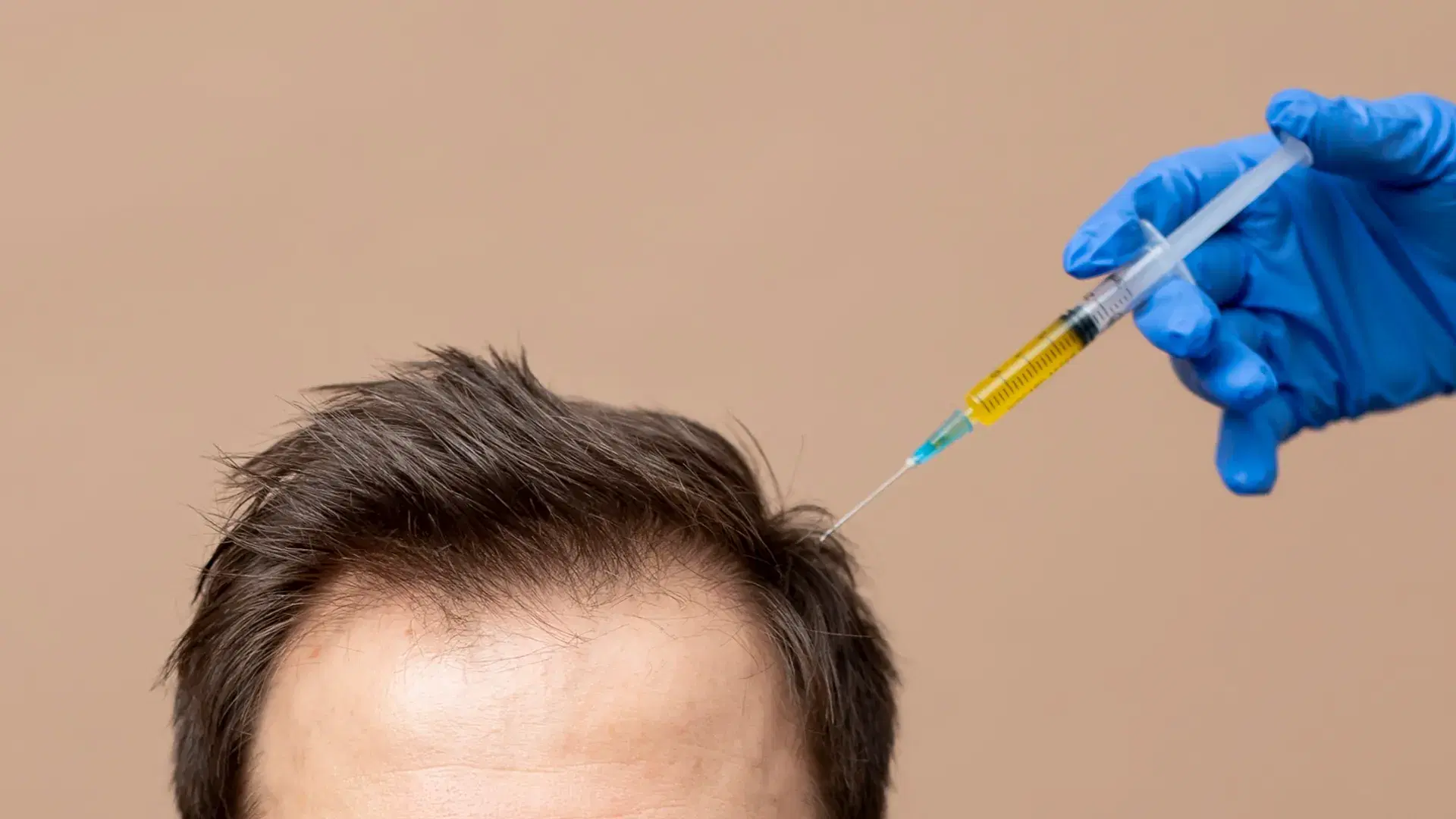
PRP therapy uses growth factors from your own blood to stimulate follicle activity. It helps strengthen existing hair, reduce shedding, and extend the growth phase.

It is especially effective in early stages of hair thinning.


Laser and Red Light Therapy

Low-level laser therapy improves blood flow and cellular activity in the follicles. With consistent use, it can support thicker hair growth and slow down hair loss.


Medications

Minoxidil improves blood flow to follicles and extends the growth phase. Finasteride reduces DHT levels and protects follicles from shrinkage. These medications are clinically proven but require consistency.

Hair Growth Inhibitors: What Slows It Down

Hair Growth Inhibitors: What Slows It Down


Here are some of the most common factors that negatively affect the hair growth cycle and weaken follicles over time. Identifying and reducing these inhibitors can help protect your hair and support healthier growth.


Hormonal Imbalances and DHT

Hormonal changes, especially excess DHT, can shrink hair follicles over time. As follicles become smaller, the growth phase shortens and hair strands grow thinner with each cycle, eventually leading to visible thinning.


Poor Nutrition and Vitamin Deficiencies

Hair follicles need protein, iron, zinc, and essential vitamins to function properly. When your body lacks these nutrients, hair growth slows down and shedding increases as follicles enter the resting phase more often.


Chronic Stress and Lack of Sleep

Long-term stress disrupts hormone balance and pushes more hair into the shedding phase. Poor sleep further reduces cell regeneration, making it harder for follicles to recover and grow strong hair.


Harsh Hair Treatments and Heat Styling

Frequent coloring, chemical treatments, and excessive heat weaken the hair shaft and irritate the scalp. Over time, this damages follicles, increases breakage, and reduces overall hair density.


Smoking and Poor Circulation

Smoking restricts blood flow and oxygen delivery to the scalp. Reduced circulation limits the nutrients follicles receive, slowing growth and weakening hair quality.


Genetics and Aging

Your genetic makeup and age influence natural hair density and growth speed. While these factors cannot be changed, reducing other growth inhibitors can help protect existing hair and improve overall quality.

Tips for Healthy Hair Growth

Tips for Healthy Hair Growth


Tips for Healthy Hair Growth

Healthy hair growth depends heavily on your daily habits. While genetics play a role, your routine strongly influences scalp health, circulation, and follicle performance. When you create the right environment, hair follicles can function more efficiently and produce stronger strands over time.

A medically supported approach focuses on nourishment, protection, and consistency rather than quick fixes. Small daily improvements often make a noticeable difference in long term hair quality.


Maintain a Nutrient Rich Diet

Hair follicles require adequate protein, iron, zinc, biotin, and essential vitamins to grow properly. Since hair is primarily made of keratin, insufficient protein intake can weaken strands and slow growth. Therefore, including lean proteins, leafy greens, healthy fats, and whole foods in your diet supports stronger hair production.

In addition, staying hydrated helps maintain scalp elasticity and overall skin health, which indirectly supports follicle function.


Improve Scalp Circulation

Good blood flow delivers oxygen and nutrients directly to the follicles. Regular, gentle scalp massage can stimulate circulation and support growth conditions. Even a few minutes daily may help improve nutrient delivery over time.

Furthermore, physical activity promotes overall circulation, which also benefits scalp health.


Protect Hair from Damage

Excessive heat styling, frequent bleaching, and harsh chemical treatments weaken the hair shaft. Over time, this damage leads to breakage and thinning. Reducing heat exposure and spacing out chemical services allows hair to maintain structural integrity.

Using heat protectants and gentle styling techniques can significantly reduce unnecessary stress on the strands.


Maintain Proper Scalp Hygiene

Consistent washing helps control oil buildup, product residue, and inflammation. However, overwashing can disrupt the natural skin barrier. Finding a balanced routine based on your scalp type keeps follicles clear without causing irritation.

A healthy scalp creates a stable environment for sustained growth.


Stay Consistent with Evidence Based Treatments

Hair grows in cycles and responds slowly to change. As a result, improvement takes time. Whether you use minoxidil, PRP therapy, or other medical treatments, consistency determines success.

Short term solutions rarely produce lasting results. Instead, long term commitment to scientifically supported care delivers measurable improvement in density and strength.

Healthy hair growth is a gradual process. When you combine proper nutrition, scalp care, protection, and medical guidance, you give your follicles the best chance to thrive.

Treatments to Boost Hair Growth

Treatments to Boost Hair Growth


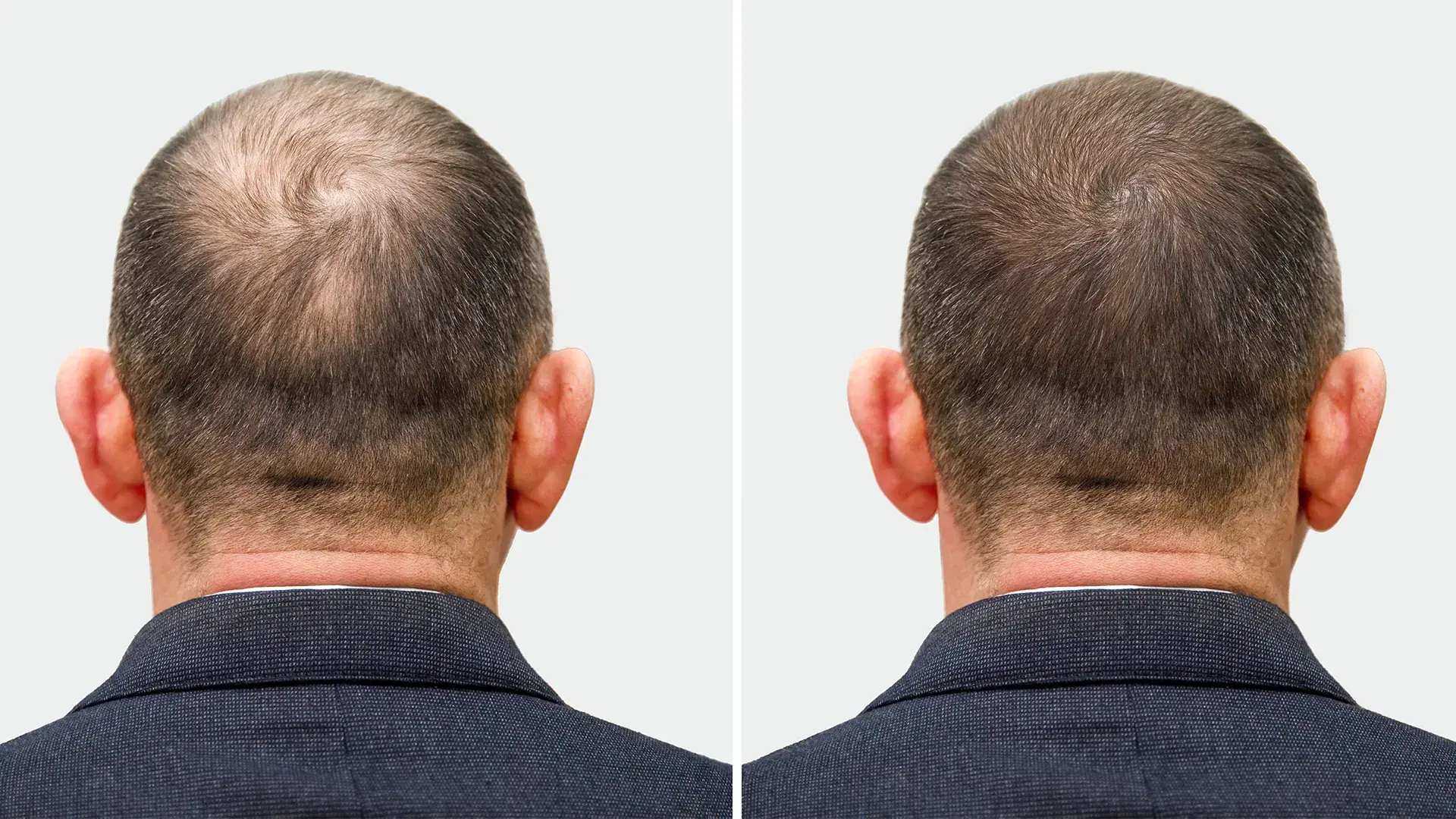
When natural methods and lifestyle improvements do not provide sufficient results, medical treatments can offer stronger and more targeted support. Modern hair restoration focuses on preserving existing follicles, stimulating growth, and restoring density based on the stage of hair loss.

Choosing the right treatment depends on the severity of thinning, overall scalp condition, and long term goals.


Non Surgical Options

Non surgical treatments aim to stimulate follicle activity and slow progression without invasive procedures.

PRP therapy uses concentrated platelets derived from your own blood to stimulate natural follicle function. Growth factors in PRP support tissue repair and may improve hair thickness over time.

Laser therapy works by improving scalp circulation and enhancing cellular metabolism inside hair follicles. With consistent sessions, low level laser therapy may strengthen weak strands and slow shedding.

Medications such as minoxidil or finasteride help slow hair loss and maintain density when used correctly. These treatments require consistency and ongoing use to preserve results.


Hair Transplant Surgical Treatment

A hair transplant involves relocating healthy follicles from donor areas, usually at the back of the scalp, to thinning or bald regions. Since donor follicles are genetically resistant to hair loss, they continue growing in their new location.

This option works best for advanced hair loss where non surgical treatments alone no longer provide adequate coverage. When performed by experienced specialists, hair transplantation delivers natural looking and long lasting results.

Hair Growth FAQs

Here are the most common questions about hair growth, based on medical insight and real patient concerns. This section helps clarify expectations, timelines, and factors that influence results.


How fast does hair grow per month?

On average, hair grows about 1 to 1.5 centimeters per month. Growth speed varies based on genetics, age, health, and scalp condition.


Can diet really affect hair growth?

Yes. Hair follicles rely on nutrients like protein, iron, and vitamins. Deficiencies often lead to thinning and increased shedding.


Do hair supplements work?

They can help if you have deficiencies. Without deficiencies, their effect is usually limited.


Is it normal to lose hair every day?

Yes. Losing up to 100 hairs per day is normal. Ongoing excessive shedding may signal an underlying issue.


Conclusion

Hair growth is a complex but manageable process. When follicles are supported with proper nutrition, scalp care, and the right treatments, hair can grow stronger and healthier over time.

Understanding how hair grows, what slows it down, and which solutions truly work allows you to make informed decisions. Whether you choose natural methods, medical therapies, or advanced treatments, consistency and care are the real keys to long-term hair health.

Conclusion

Hair growth is a complex but manageable process. When follicles are supported with proper nutrition, scalp care, and the right treatments, hair can grow stronger and healthier over time.

Understanding how hair grows, what slows it down, and which solutions truly work allows you to make informed decisions. Whether you choose natural methods, medical therapies, or advanced treatments, consistency and care are the real keys to long-term hair health.