How Does DHT Hair Loss Look in Women?
In women, DHT-related hair loss often looks different. Instead of a sharply receding hairline, many women develop widening of the part and diffuse thinning over the top of the scalp. The ponytail may feel thinner, and the scalp may become more visible during styling.
Women usually keep the frontal hairline better than men, although density behind it may decrease. This pattern is often called female pattern hair loss.
However, women with hair thinning need careful evaluation. Iron deficiency, thyroid problems, menopause, polycystic ovary syndrome, postpartum shedding, stress, restrictive dieting, autoimmune disease, and medications can all contribute. DHT may be part of the picture, but it should not be assumed as the only cause.
Can DHT Hair Loss Start Early?
DHT-related hair loss can start in the teenage years or early adulthood, especially in people with strong genetic predisposition. Early recession or crown thinning can feel alarming, but the speed of progression varies.
Some people remain at a mild stage for many years. Others progress more quickly. Family history can provide clues, but it cannot predict the future perfectly.
Early evaluation is useful because follicles are often more responsive to treatment before they become severely miniaturized. Waiting until large areas are bald may limit non-surgical options.
Is DHT Hair Loss Permanent?
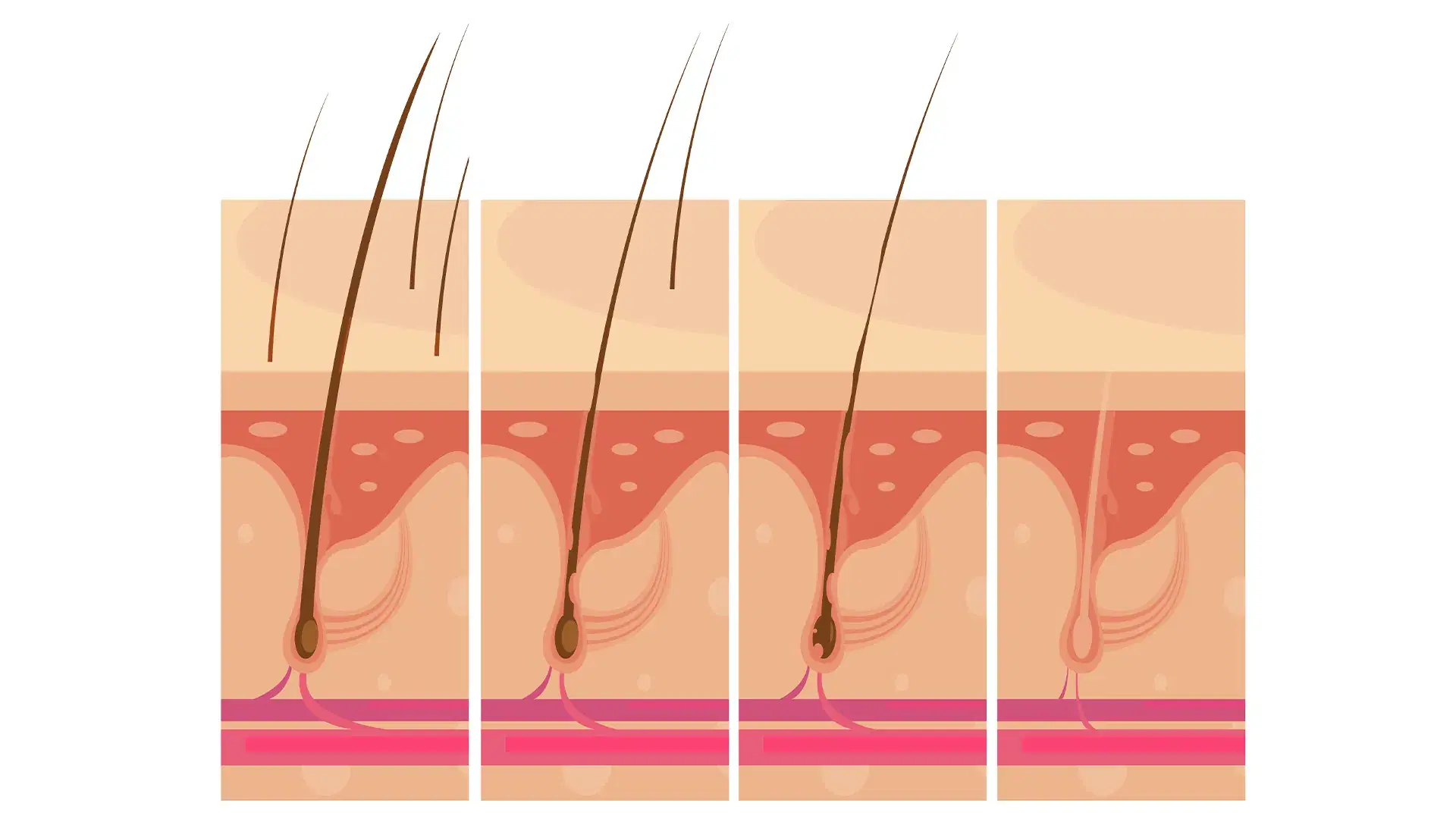
DHT-related hair loss can become long-lasting if follicle miniaturization progresses for many years. However, early miniaturized follicles may still respond to treatment. The chance of improvement depends on how long the hair has been thinning, whether follicles remain active, and how consistently treatment is used.
In early or moderate androgenetic alopecia, the goal is often to slow progression, thicken miniaturized hairs, and preserve existing density. In advanced areas where follicles no longer produce visible hair, medical treatment may be less effective.
This is why timing matters. The earlier the process is identified, the better the chance of maintaining hair.
Is DHT the Only Cause of Hair Loss?
DHT is not the only cause of hair loss. It is a major factor in androgenetic alopecia, but many other conditions can cause shedding or thinning.
Telogen effluvium can occur after stress, illness, surgery, fever, childbirth, crash dieting, or medication changes. Alopecia areata is autoimmune and may cause patches. Thyroid disease, iron deficiency, vitamin D deficiency, scalp inflammation, fungal infection, traction hairstyles, and scarring alopecia can also affect hair.
Some patients have more than one problem at the same time. For example, a person with androgenetic alopecia may also develop stress-related shedding. This can make thinning appear suddenly worse. Diagnosis should look at the full scalp and health history.
How Is DHT-Related Hair Loss Diagnosed?
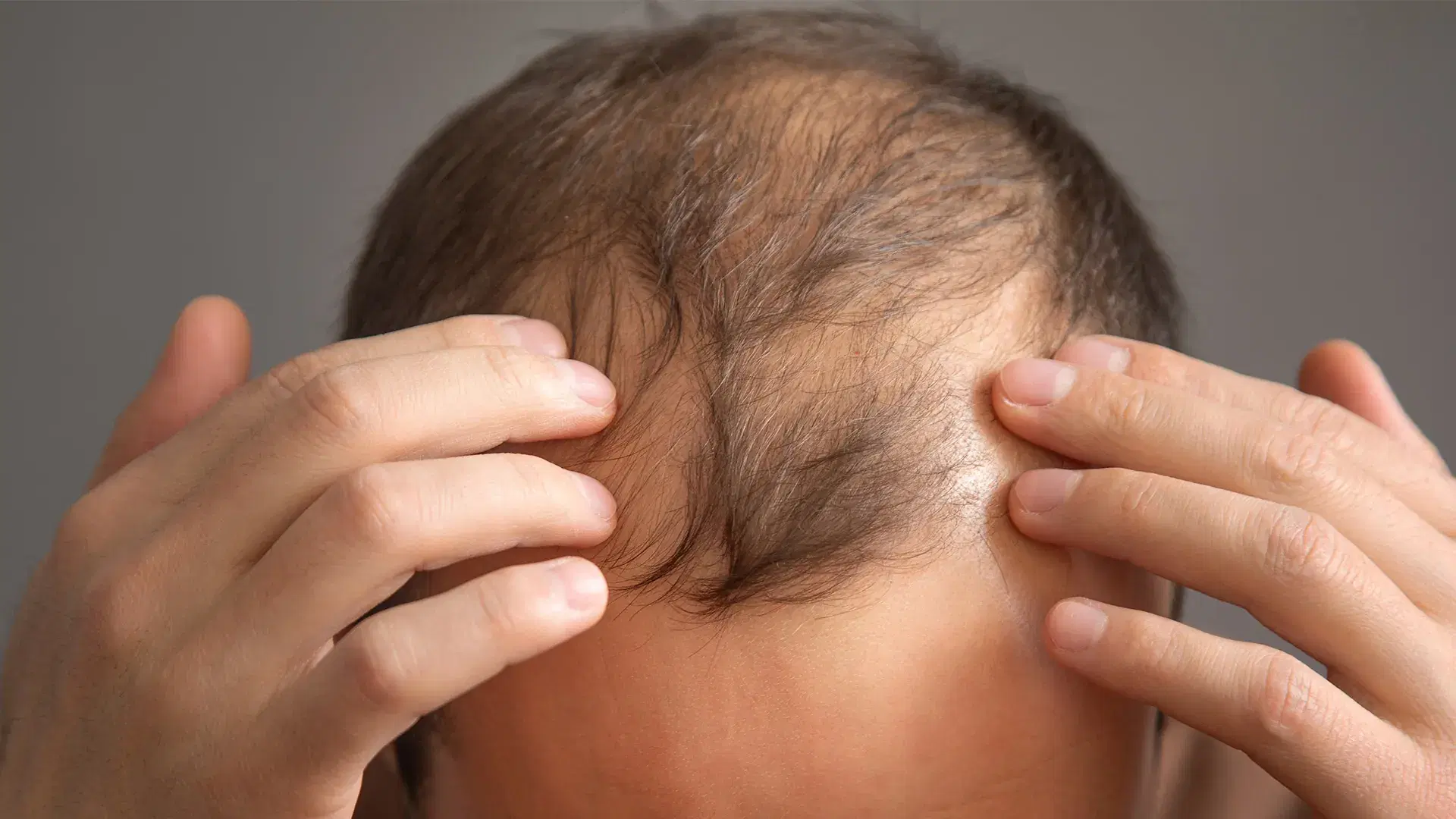
DHT-related hair loss is usually diagnosed through history, pattern recognition, scalp examination, and sometimes dermoscopy. The clinician may ask when thinning started, whether it is progressing, whether there is family history, and whether shedding increased.
In men, temple recession and crown thinning often suggest androgenetic alopecia. In women, a widening part and reduced density over the top may suggest female pattern hair loss.
Blood tests may be considered when the pattern is unusual, shedding is sudden, or symptoms suggest another cause. These tests may check thyroid function, iron levels, vitamin status, hormones, or inflammatory markers depending on the case.
Should DHT Levels Be Tested?
DHT levels do not always need to be tested for hair loss. A normal DHT result does not rule out androgenetic alopecia because follicle sensitivity may still be high. An elevated result does not automatically explain every type of shedding.
Testing may be useful in selected cases, especially when there are signs of hormonal imbalance. In women, acne, irregular periods, unwanted facial hair, or sudden severe thinning may lead to a broader hormonal evaluation.
Patients should avoid interpreting hormone tests alone. Results depend on age, sex, timing, lab method, medications, and clinical context. A healthcare professional can interpret them more accurately.
What Treatments Target DHT?
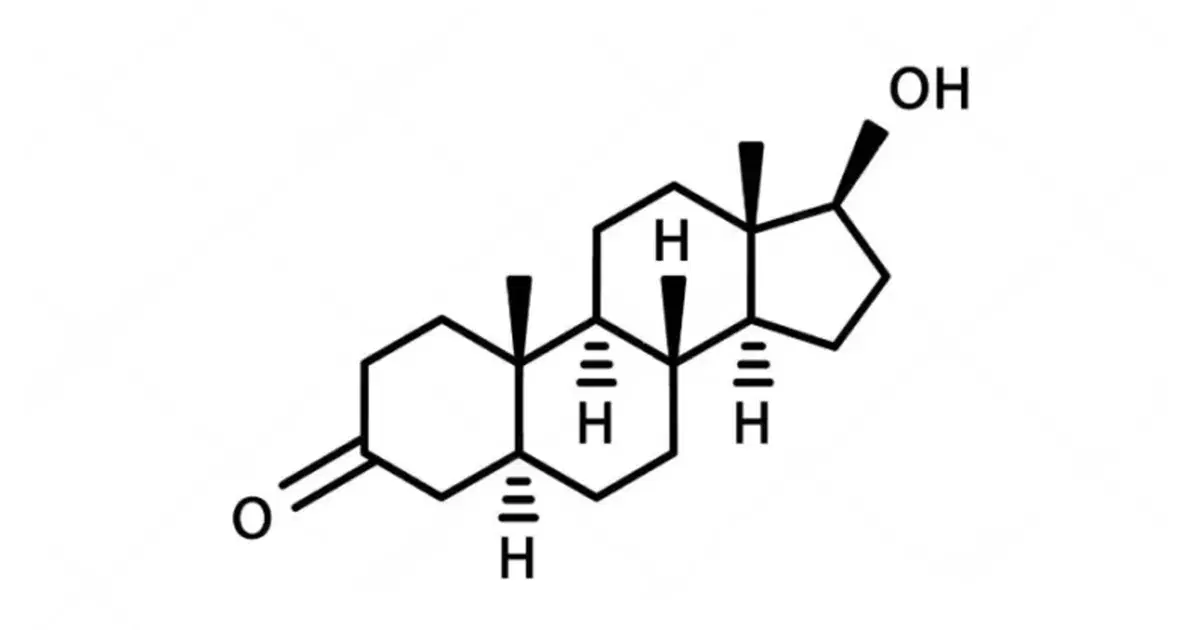
Treatments that target DHT usually work by reducing the conversion of testosterone into DHT. Finasteride and dutasteride are the best-known prescription options in this category. They inhibit 5-alpha reductase to lower DHT activity.
These medications may help slow hair loss and improve density in selected patients, especially men with androgenetic alopecia. However, they are not suitable for everyone. Possible side effects, fertility concerns, sexual function concerns, mood changes, medical history, and pregnancy precautions should be discussed with a doctor.
DHT-targeting treatment is a medical decision. It should not be started casually or purchased from unreliable sources.
Does Minoxidil Block DHT?
Minoxidil does not work mainly by blocking DHT. It supports hair growth through a different pathway. It may help prolong the growth phase and improve hair density in some patients, but it does not directly reduce DHT levels.
This difference is important. Some patients use minoxidil to stimulate growth and DHT-targeting medication to slow miniaturization. Others may use only one treatment depending on suitability, tolerance, and medical advice.
Minoxidil can be helpful, but it requires consistency. Results take months, and stopping treatment may allow hair loss to progress again.
Can Natural DHT Blockers Help?
Many natural products are marketed as DHT blockers, including saw palmetto, pumpkin seed oil, green tea extracts, nettle root, and various supplement blends. Some people use them because they prefer non-prescription options.
The evidence for natural DHT blockers is less consistent than for prescription treatments. Natural products can also cause side effects or interact with medications. They may vary in strength and purity between brands.
Natural does not always mean safe or effective. Patients should discuss supplements with a clinician, especially if they take medication, have hormone-related conditions, or are preparing for surgery.
Can Diet Lower DHT and Stop Hair Loss?
Diet can support overall health, hormone balance, and hair quality, but no single diet reliably stops DHT-related hair loss in everyone. Androgenetic alopecia is strongly influenced by genetics and follicle sensitivity.
A balanced diet still matters. Hair follicles need protein, iron, zinc, vitamin D, B vitamins, essential fatty acids, and enough calories. Severe dieting, rapid weight loss, and low protein intake can trigger additional shedding.
For some patients, improving metabolic health, reducing inflammation, and correcting deficiencies may support treatment results. Diet should be part of a broader plan, not the only strategy for DHT hair loss.
Does Exercise Increase DHT Hair Loss?
Normal exercise does not automatically cause DHT hair loss. Exercise can affect hormones temporarily, but it also supports circulation, stress control, sleep, insulin sensitivity, and general health.
Problems may arise when extreme training is combined with poor nutrition, rapid weight loss, inadequate recovery, or performance-enhancing hormone use. These factors can affect hair.
For most people, consistent moderate exercise supports overall well-being. It should not be avoided out of fear of DHT.
Can Hair Transplant Fix DHT Hair Loss?
Hair transplant surgery can restore hair in selected areas, but it does not stop DHT-related hair loss from continuing in native hair. Transplanted follicles are usually taken from the back and sides of the scalp because these areas are more resistant to DHT.
A transplant can rebuild a hairline, improve frontal density, and cover selected thinning areas. However, if surrounding native hair continues to miniaturize, the result may change over time.
Good hair transplant planning includes donor area evaluation, future hair loss prediction, conservative hairline design, and discussion of maintenance treatment. Surgery should be part of a long-term plan.
Why Does Donor Hair Resist DHT?
Donor hair from the back and sides of the scalp is usually more resistant to DHT because those follicles have different genetic behavior. This is why many men with advanced hair loss still keep hair around the sides and back.
When these follicles are transplanted to the front or crown, they often keep much of their resistance. This principle makes hair transplant surgery possible.
However, donor hair is limited. A poor transplant plan can overuse the donor area. Patients with advanced hair loss need careful graft management to avoid thin or patchy donor appearance.
Can DHT Hair Loss Be Prevented?
DHT-related hair loss cannot always be fully prevented, especially when genetic sensitivity is strong. However, early treatment may slow progression and preserve more hair.
Prevention usually means monitoring early changes, confirming the diagnosis, treating miniaturization when appropriate, correcting additional shedding triggers, and avoiding damaging hair practices. Patients with family history may benefit from earlier evaluation.
The goal is not to eliminate DHT completely. DHT has biological roles. The goal is to manage harmful effects on sensitive scalp follicles while protecting overall health.
What Mistakes Should Patients Avoid?
One common mistake is waiting too long. Many people seek help only after large areas have become thin. Earlier treatment usually offers more options.
Another mistake is assuming every hair loss problem is DHT. Sudden shedding, scalp itching, patches, pain, scale, or scarring may indicate a different condition. Treating all hair loss with DHT blockers can delay correct care.
Patients should also avoid unverified online medications, extreme supplement routines, and unrealistic promises. Hair loss treatment requires patience and consistency.
What Questions Should You Ask a Specialist?
Patients should ask clear questions. Is my hair loss DHT-related? Do I have androgenetic alopecia or another condition? How advanced is it? Are my follicles miniaturized? Do I need blood tests? Should I consider DHT-targeting treatment? What side effects should I know? Can minoxidil help? Am I a candidate for hair transplant? How will we track progress?
A good specialist should explain both the cause and the plan. The best treatment is not always the most aggressive one. It is the one that matches the patient’s diagnosis, age, goals, medical history, and long-term risk.