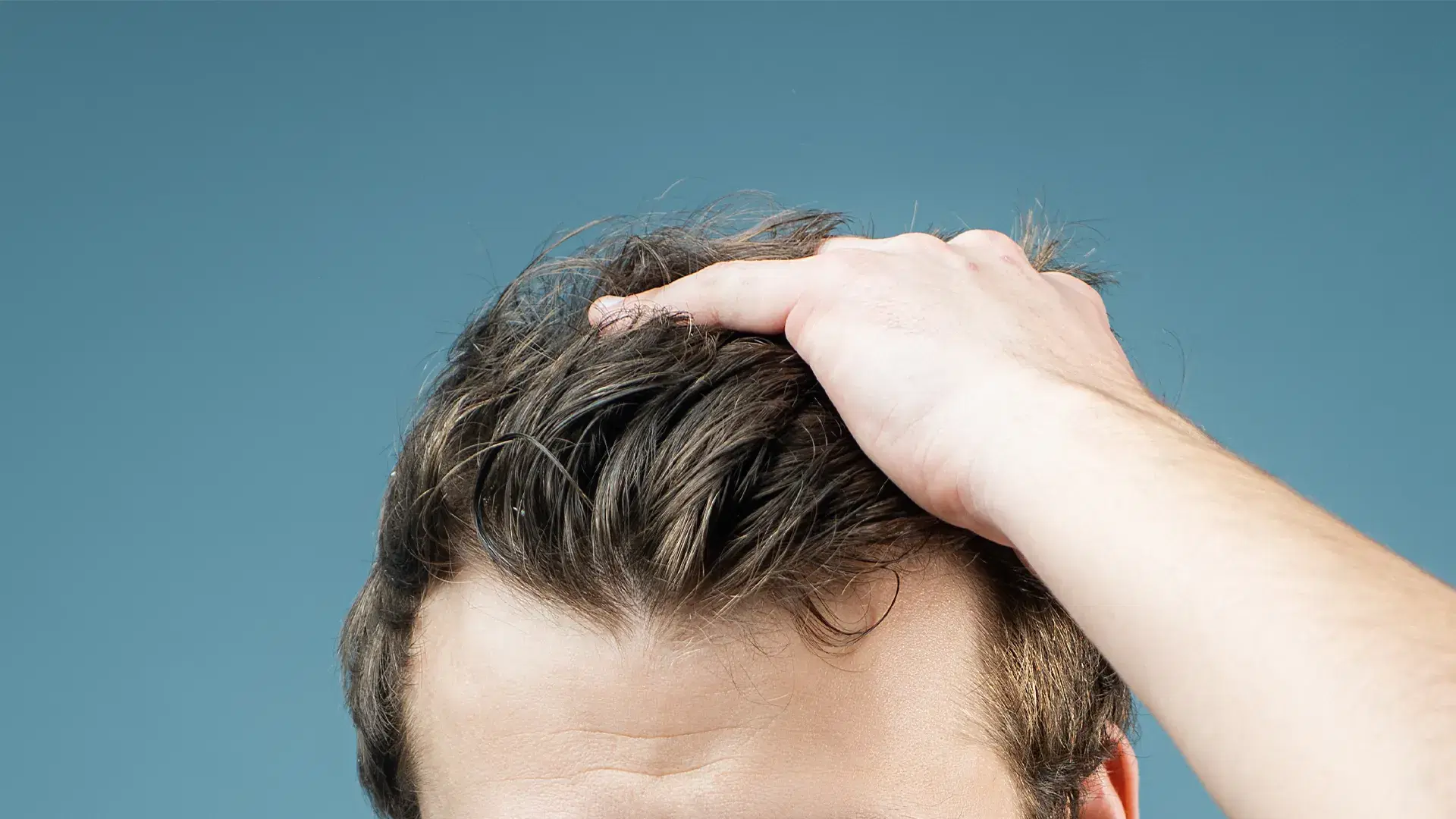
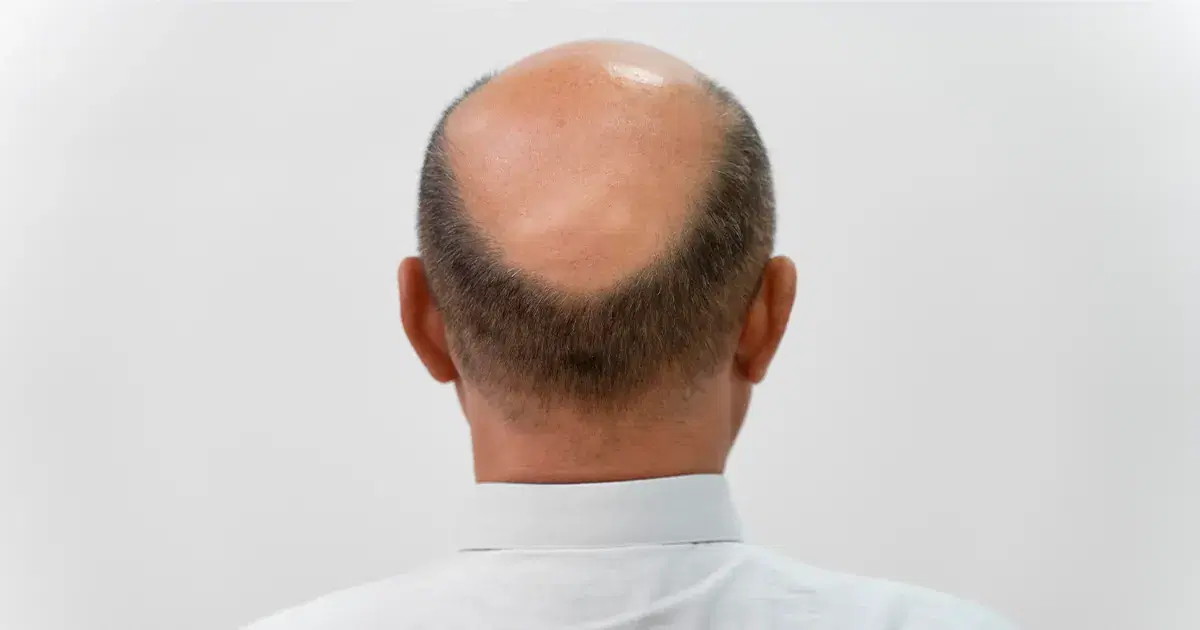
Improving hair density typically involves supporting active follicles, maintaining healthy growth cycles, and addressing factors that contribute to thinning. The most effective approach often combines healthy habits with evidence-based treatments when appropriate.
Hair Care Practices
Proper hair care can help protect existing hair and reduce unnecessary breakage. Using gentle shampoos, avoiding excessive heat styling, limiting harsh chemical treatments, and minimizing tension from tight hairstyles may help preserve hair quality.
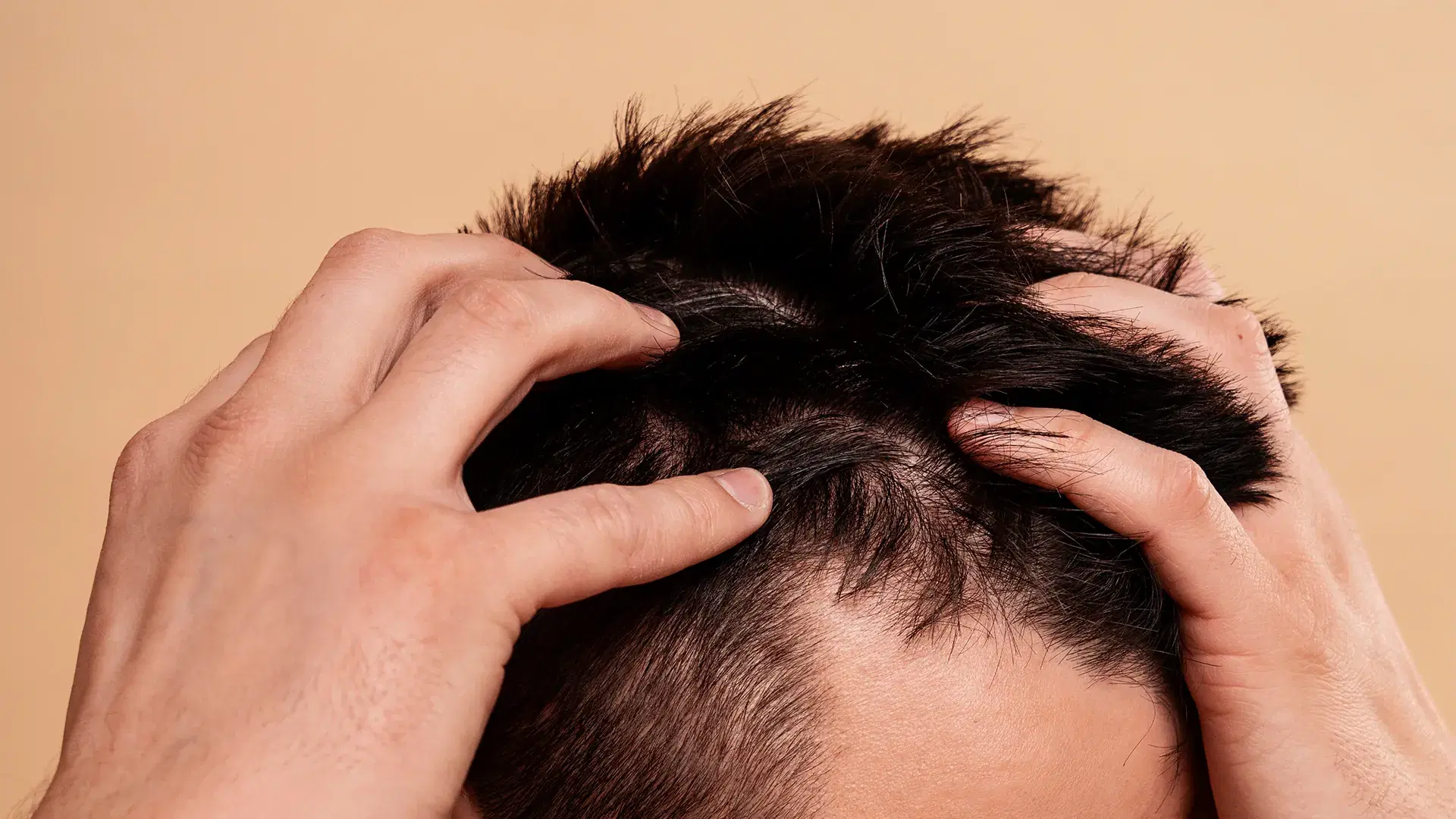
Regular scalp massage may support scalp health and improve local circulation. Maintaining a clean scalp environment can also help support normal follicle function.
Nutrition and Lifestyle Support
Hair follicles depend on adequate nutrition to support healthy growth. A balanced diet containing sufficient protein, iron, zinc, and essential vitamins may contribute to stronger hair and improved density.
Healthy lifestyle habits such as regular exercise, quality sleep, proper hydration, and stress management can also support the normal hair growth cycle and overall scalp health.
Medical and Professional Treatments
When lifestyle modifications alone do not provide the desired results, professional treatments may be considered. PRP therapy uses growth factors derived from the patient's own blood to support follicle activity and hair quality.
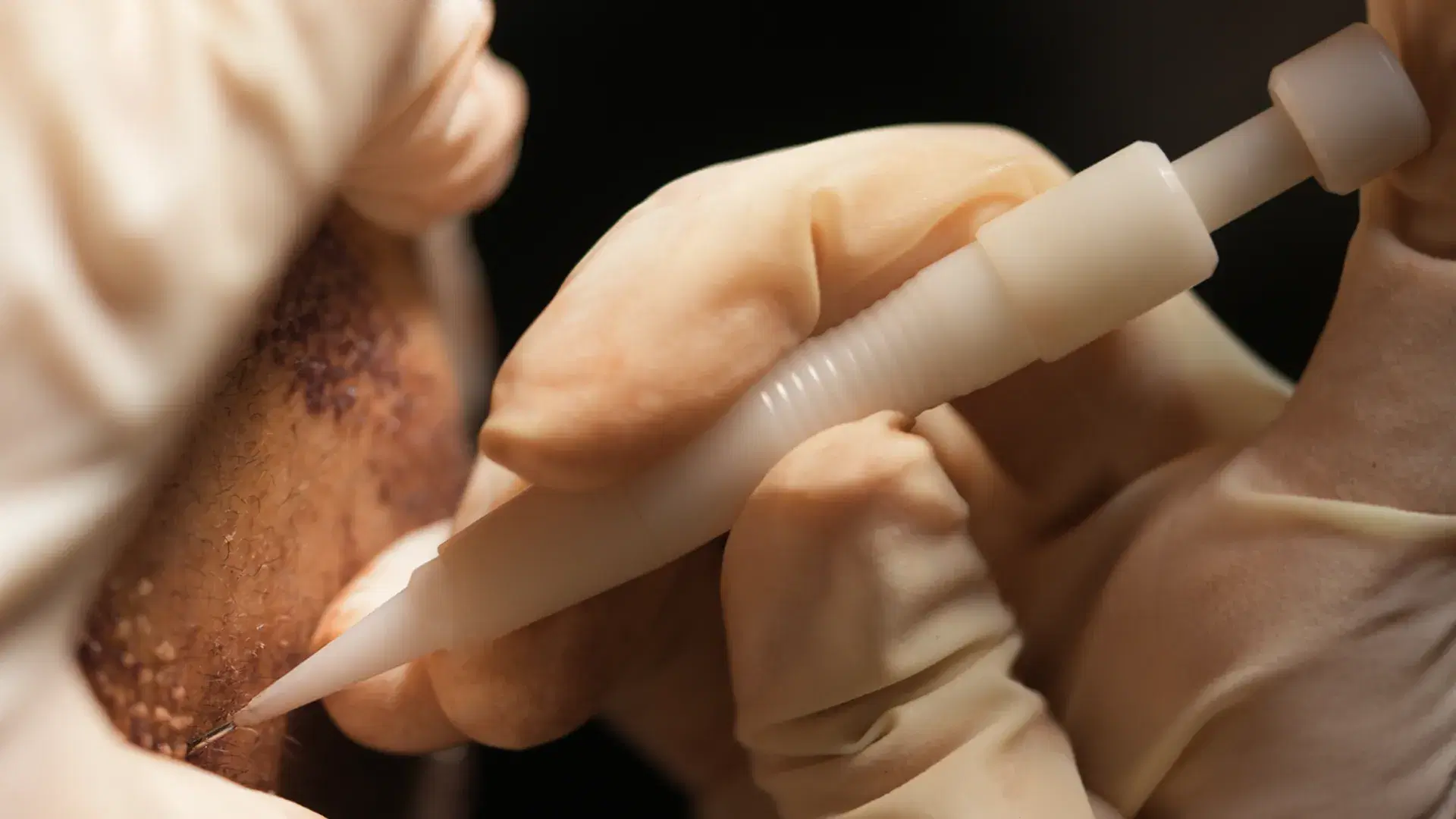
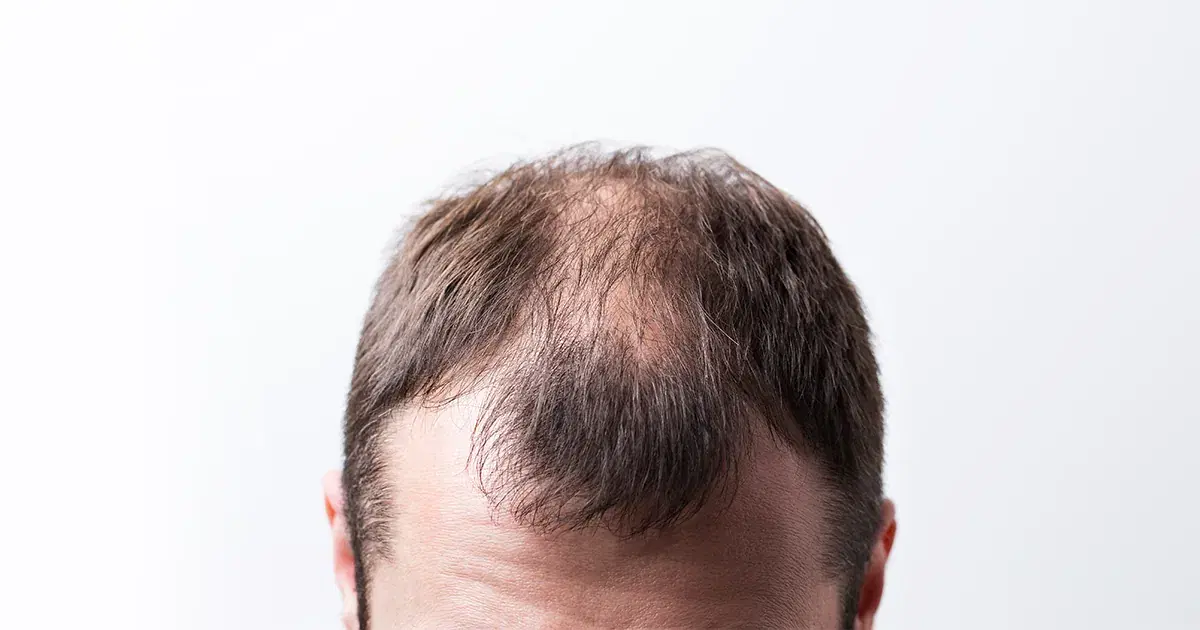
Medical treatments such as topical and oral therapies may help support hair growth and reduce progression in suitable candidates. For individuals with more advanced thinning, hair transplantation techniques such as DHI and FUE can increase density by relocating healthy follicles to areas with reduced coverage.
The most appropriate treatment plan depends on factors such as the cause of hair loss, donor hair availability, scalp condition, and long-term goals.