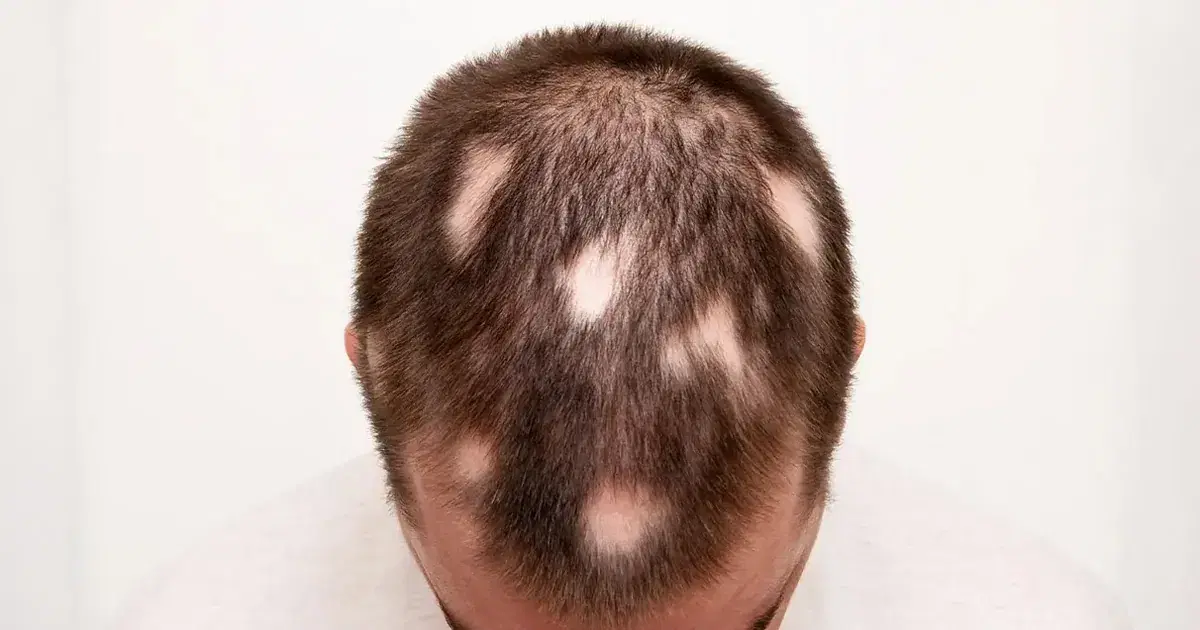
For many survivors, hair returns naturally and thickens over time. In others, growth may remain patchy or noticeably thin even after a year. Dermatologists classify this as persistent chemotherapy-induced alopecia. At this stage, non-surgical treatments such as Minoxidil can help, but some patients begin exploring surgical solutions.
Timing a Hair Transplant After Chemotherapy
A hair transplant is possible after chemotherapy, but timing is critical. Doctors agree that surgery should only be considered once the body has fully recovered and hair loss has stabilized.
Chemotherapy Has Fully Ended
Hair transplant surgery should never be performed during active chemotherapy. The body needs time to clear the drugs completely, as they can interfere with healing and follicle survival. Surgery is only considered once treatment has fully stopped.
Immune System and Blood Counts Are Back to Normal
Chemotherapy often suppresses the immune system and affects blood values. Before any surgical procedure, blood counts must return to safe levels to reduce the risk of infection and poor wound healing. This is usually confirmed through routine lab tests.
At Least 6 to 12 Months of Natural Regrowth Has Occurred
Most patients experience some degree of natural hair regrowth after chemotherapy. Waiting at least six to twelve months allows doctors to see how much hair returns on its own and whether thinning is permanent or temporary.
The Scalp Is Healthy and Hair Loss Is Stable
A transplant is only successful when the scalp is healthy and hair loss has stopped progressing. Ongoing shedding or scalp inflammation can reduce graft survival and lead to uneven results. A dermatologist or hair restoration specialist evaluates scalp stability before approving surgery.
Oncologists and hair transplant surgeons generally recommend waiting at least one year after chemotherapy before moving forward. This waiting period ensures full physical recovery and helps determine whether surgery is truly necessary or if further natural improvement is still possible.