
What is Hair Transplant?
If you are looking in the mirror and feeling frustrated by a receding hairline or a thinning crown, understanding how a hair transplant actually works is your first step toward getting your confidence back.
Rather than a complex artificial procedure, a hair transplant is essentially a smart redistribution of your own natural hair. The hair on the back and sides of your head is genetically programmed to resist balding. A specialized surgeon carefully extracts these strong, permanent follicles and transplants them into the thinning areas. Whether the clinic uses the FUE method (extracting follicles one by one) or the older FUT method (removing a small strip of skin), the goal is the same: seamlessly placing those roots into tiny incisions so they can take hold, heal, and grow naturally for the rest of your life.
The Crucial First Step: Planning and Design
Great hair transplants are won or lost during the consultation. Before anyone touches your scalp, a medical team needs to evaluate the stability of your hair loss, your donor density, and your overall health.
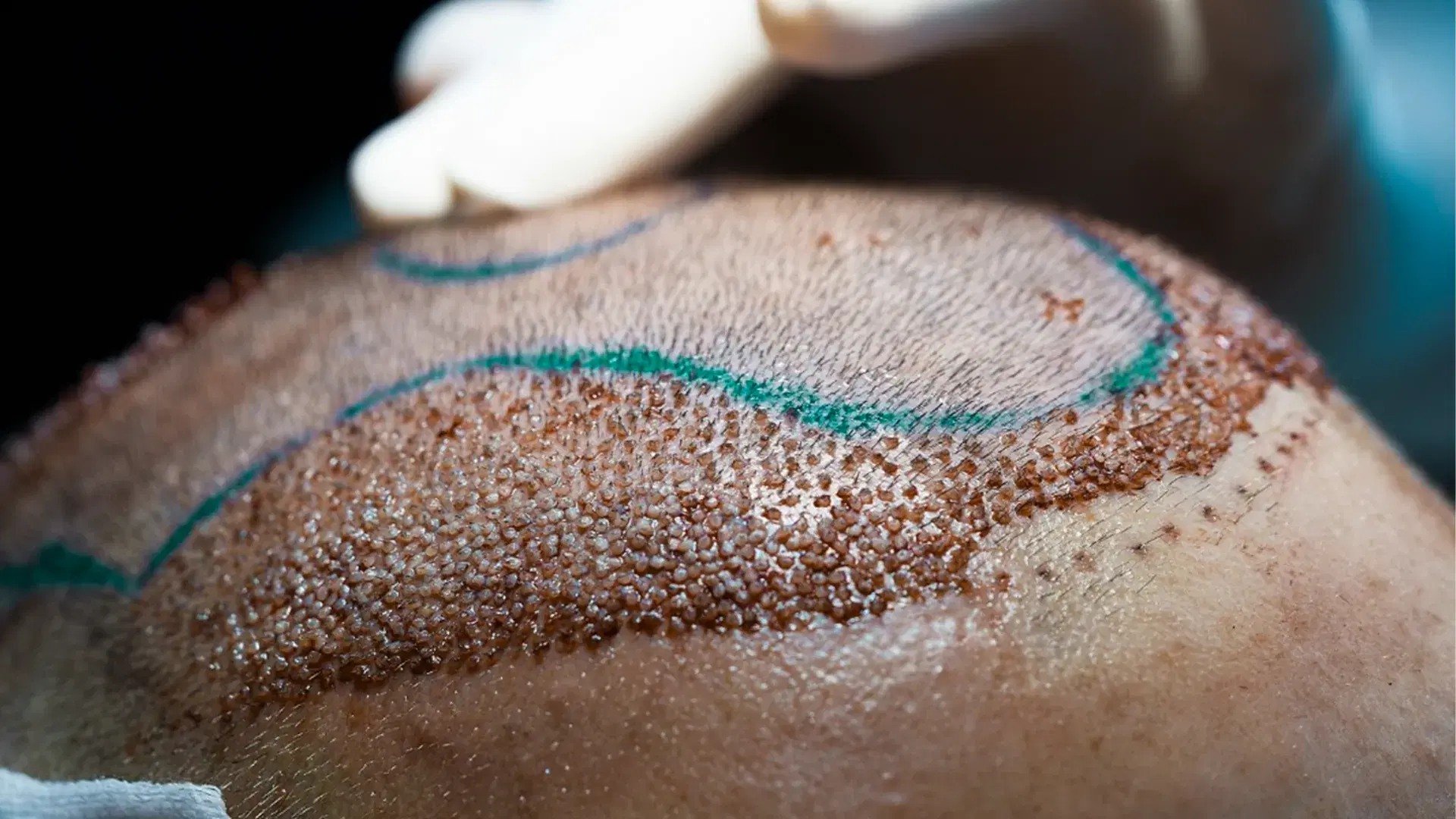
This is also when the most artistic part of the process happens: designing the hairline. A masterful surgeon doesn't just draw a straight line across your forehead. They calculate your facial proportions, account for your age, and predict how your hair might continue to thin in the future. They intentionally create micro-irregularities in the hairline because a perfectly straight line looks artificial.
To prepare for surgery day, you will be given some simple but strict homework: stop smoking, avoid alcohol, and pause any blood-thinning medications or supplements to ensure your scalp is in the best possible condition for healing.
What Actually Happens on Surgery Day?
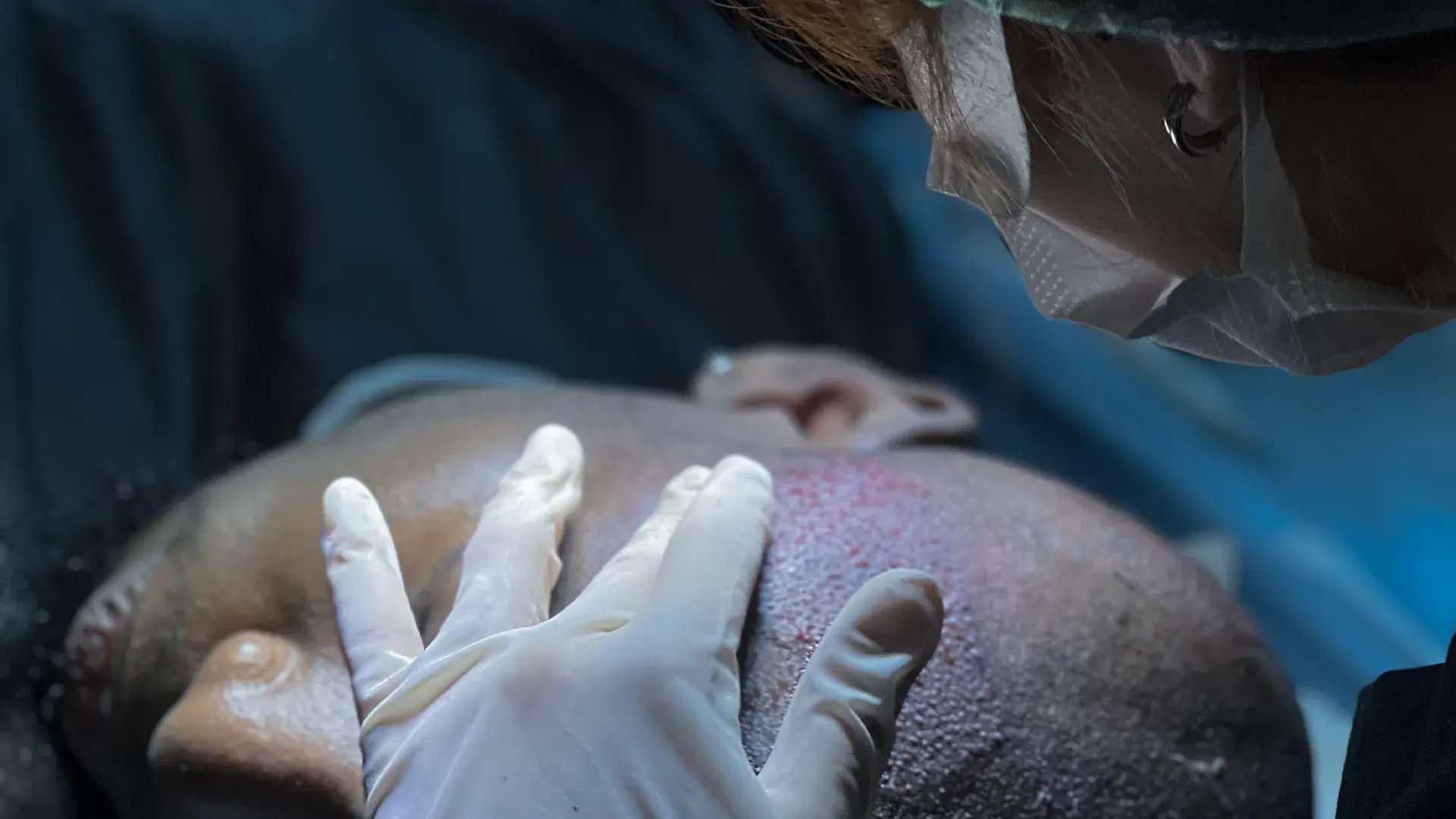
Many patients expect a highly stressful surgical environment, but the day is actually quite relaxed. The only minor discomfort comes at the very beginning when the local anesthesia is applied to numb your scalp.
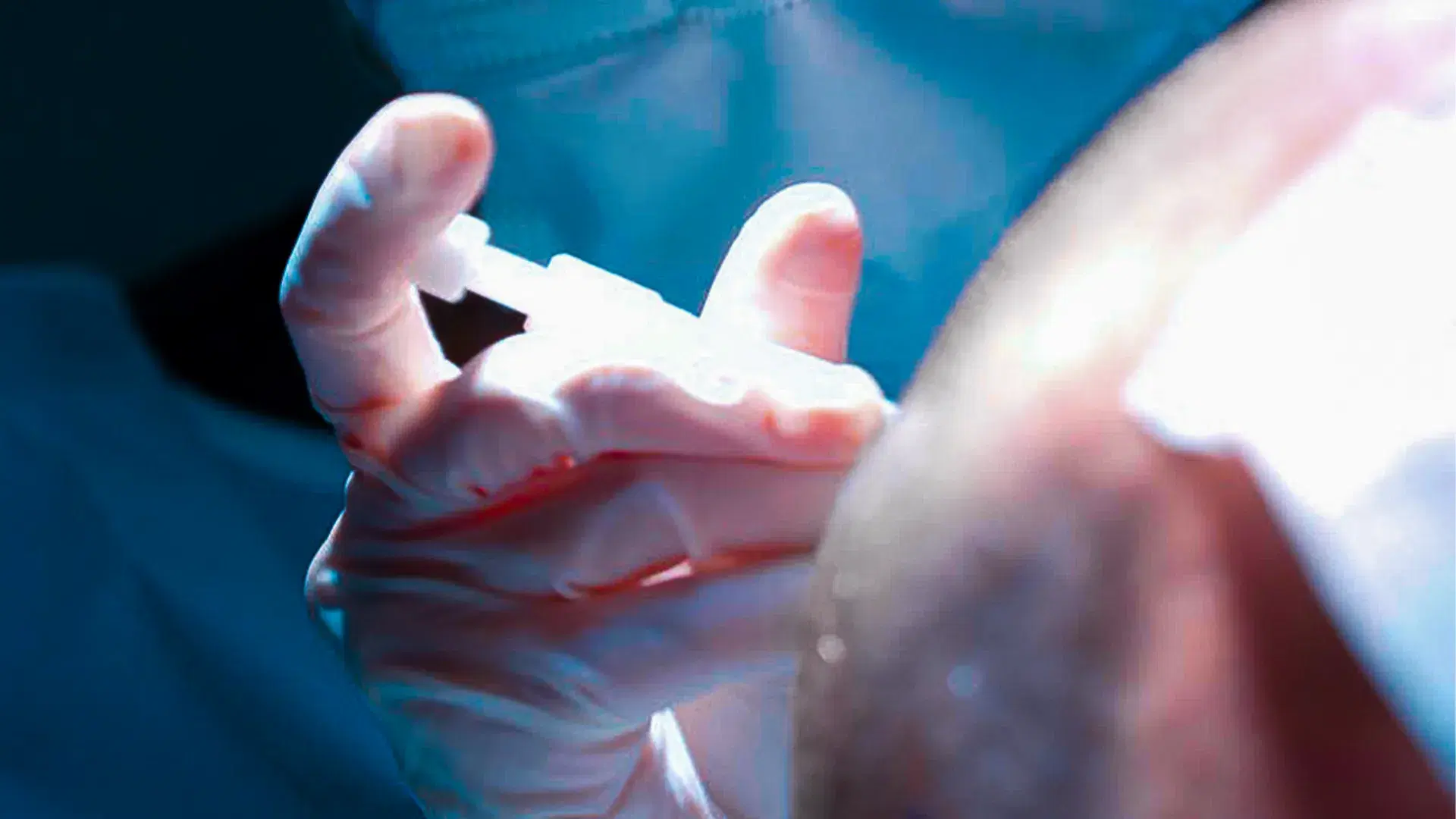
Once you are completely comfortable, the medical team gets to work. They carefully extract the individual follicles from your donor area, meticulously sorting and preparing them under magnification. Then, depending on the chosen technique (like traditional FUE or the DHI implanter pen), they begin placing the grafts into the balding areas. They must perfectly match the depth, angle, and natural direction of your existing hair. It is a meticulous process that takes several hours, but patients usually spend this time watching movies, listening to music, or napping.
After a final inspection, you are given clear instructions on how to sleep, wash your hair, and protect your new grafts. From there, patience is your best friend. New growth starts slowly, with the final, mature results appearing around 9 to 12 months later.
Why the World Travels to Turkey?
You have probably noticed that Turkey dominates the hair transplant conversation. This isn't just about the significant cost advantage compared to Europe or the US, it is about the complete, VIP medical tourism experience.
Traveling for surgery can be stressful, so Turkish clinics have perfected the "all-inclusive" model. You are provided with private airport transfers, luxury hotel accommodations, and dedicated translators. Istanbul itself adds incredible value; many patients take a day before their surgery to explore the Bosphorus, the Grand Bazaar, or the Hagia Sophia. Ultimately, a trip to Turkey is highly worth it, provided you choose a clinic based on medical safety and quality rather than just hunting for the cheapest package.
Are You a Good Candidate?
Not everyone is ready for a hair transplant. The ideal candidate is an adult man or woman whose hair loss pattern has stabilized and who has a dense, healthy donor area at the back of the head.
If your hair is currently shedding rapidly, or if you have uncontrolled medical conditions or scalp inflammation, a responsible doctor will ask you to wait or seek alternative treatments first. Success also relies heavily on realistic expectations. A transplant can dramatically improve your density and frame your face beautifully, but it cannot create new hair out of thin air, it is limited by what your donor area can safely provide.
Navigating Your Options and Choosing Esthetic Hair
Choosing the right clinic in a crowded market means looking past the glossy marketing and asking direct questions. Who exactly is designing the hairline? Who is extracting the grafts? Are they operating in a licensed medical facility?
At Esthetic Hair, the philosophy is built around personalized, uncompromising care. There are no cookie-cutter hairlines or rushed procedures. The team utilizes advanced techniques like FUE and DHI, tailoring the entire approach to your specific hair caliber and facial structure.
How to Choose a Hair Transplant Clinic in Turkey?
Choosing the right hair transplant clinic in Turkey requires more than comparing package prices. Patients should ask who will perform the consultation, who will design the hairline, who will extract grafts, who will open channels, and who will implant the follicles. Doctor involvement in the critical steps can affect both safety and aesthetics.
A reliable clinic should provide realistic graft planning, clear medical screening, proper hygiene standards, transparent pricing, and detailed aftercare. It should also explain what can and cannot be achieved based on donor capacity. Not every patient is a good candidate for dense coverage in one session.
Before booking, patients should review real before and after cases, donor area results, hairline design style, patient communication, and follow-up process. They should also confirm that the clinic is authorized to treat international patients and operates in a licensed medical setting.
How Many Graft Needed for Hair Transplant Turkey?
The number of grafts depends on the size of the thinning area, donor strength, hair thickness, curl, color contrast, and desired density. A mild hairline correction may require around 1,500 to 2,500 grafts. A larger frontal and mid-scalp restoration may require 3,000 to 4,500 grafts. More extensive hair loss may require staged sessions rather than one aggressive operation.
A responsible clinic should protect the donor area. The donor supply is limited, and it must be managed for long-term planning. Hair loss can continue after surgery, especially in younger patients. This is why medical therapy, future planning, and conservative graft use may be important.
Patients should be cautious if a clinic promises very high graft numbers without a detailed donor evaluation. Natural density is not created by placing the highest number possible. It is created by placing the right number in the right areas with proper angles and distribution.
As a general guide:
Small hairline correction: 1000 to 1500 grafts
Front hairline and temples: 1500 to 2500 grafts
Frontal area with mid-scalp thinning: 2500 to 3500 grafts
Crown restoration: 1500 to 3000 grafts
Advanced hair loss across several areas: 3500 to 5000+ grafts
Hair Transplant Recovery Timeline in Turkey
The hair transplant recovery timeline in Turkey usually begins with a short healing period. Followed by temporary shedding and gradual new hair growth over several months.
First 1–3 Days
After an FUE hair transplant or DHI hair transplant, mild redness, swelling, sensitivity. Will small scabs may appear around the transplanted area. Patients should avoid touching, scratching or rubbing the grafts. Sleeping with the head slightly elevated may help reduce swelling.
Days 4–10
During this stage, the grafts begin to settle. Patients usually follow gentle washing instructions provided by the clinic. Scabbing gradually improves, and many people feel comfortable returning to light daily activities.
Weeks 2–4
Most visible redness and scabbing have usually reduced. The transplanted hairs may begin to shed during this period.
Months 3–4
New hair growth often begins to appear. Early hairs may look fine, soft or uneven at first. Growth can vary between patients, depending on the donor area, hair type and individual healing process.
Months 5–8
Hair growth becomes more noticeable, with improved coverage and density in the treated areas. The new hair may begin to thicken and blend more naturally with existing hair.
Months 10–18
The final result of a hair transplant Turkey develops gradually. By this stage, patients can usually see fuller density, improved hairline definition and a more mature appearance.
What Defines a Truly Natural Result?
The ultimate goal of a hair transplant is simple: nobody should ever be able to tell you had one. But achieving that flawless look goes far beyond just moving hair from point A to point B. It is an art form that depends heavily on your unique hair characteristics.
For instance, if you have coarse, wavy hair, you will naturally get better visual coverage than someone with very fine, straight hair. Even your skin tone plays a role; dark hair on pale skin creates a stark contrast, which means the surgeon has to be incredibly strategic about density to prevent the scalp from showing through.
Once your transplanted hair fully matures, it behaves exactly like the rest of your hair. You can wash it, cut it, and style it however you like.
Risks and Safety
While hair transplants are incredibly safe, they are still surgical procedures. In the days following the surgery, it is entirely normal to experience some swelling, mild bleeding, or itching. You might even experience "shock loss," where the transplanted hair temporarily falls out before growing back.
However, the biggest risks in hair restoration rarely involve medical complications. The true risks stem from poor aesthetic planning. A hairline drawn too straight, grafts implanted in the wrong direction, or a donor area that has been aggressively over-harvested can leave you with an unnatural look that is very difficult to fix. This is exactly why your choice of clinic is the most important decision you will make. A responsible team will dive deep into your medical history (asking about your blood pressure, medications, and even your smoking habits) before ever letting you sit in the surgical chair.
Hair Transplant Turkey Cost 2026
If you are looking at traveling to Turkey in 2026, you will generally find that a complete, successful procedure ranges between $1,500 and $3,500. This is typically up to 70% less than what you would pay in Western countries, but the lower price tag does not mean lower quality.
Turkey has mastered the all-inclusive medical tourism model. Your package usually covers the advanced surgery (whether standard FUE or DHI), luxury hotel accommodations, and VIP airport transfers.
A massive 4,500-graft session is going to cost more than a small 2,000-graft touch-up. Similarly, opting for the highly precise DHI technique usually comes at a premium because it takes more time and requires specialized tools.
Budgeting for the Hidden Costs
Even with an all-inclusive package, you should budget for the extras. Flights, travel insurance, dinners out in Istanbul, or extending your hotel stay for a mini-vacation are usually on you. You should also consider the cost of taking time off work. While you can technically work on your laptop the next day, you might want to take a week off to let the visible redness and scabbing subside in privacy. Additionally, check if your clinic charges extra for specialized post-op vitamins, special shampoos, or future PRP treatments.
Frequently Asked Questions
When can I safely fly home?
We usually recommend flying home two to three days after your surgery. This gives you time to rest, allows the clinic to perform that crucial first hair wash, and ensures the medical team can do a final check-up. Flying immediately after the surgery can be uncomfortable due to mild swelling and scalp sensitivity, so those couple of extra days in Turkey make a massive difference for your comfort.
Is a real doctor actually involved?
This is a non-negotiable standard for safe hair restoration. At Esthetic Hair, all procedures are strictly planned and supervised by licensed medical doctors. Safety, comfort, and medical integrity are prioritized at every single stage of the operation, ensuring you are never just left in the hands of unqualified technicians.
How can I verify if a clinic's reviews are legitimate?
Doing your own research is vital for peace of mind. Patient reviews give you a realistic window into the actual clinic experience. Esthetic Hair, for example, maintains a highly transparent reputation online, holding a strong 4.8 out of 5 rating on Google (across over 825 reviews) and a solid 4.3 on Trustpilot.
Will the surgery hurt?
The anxiety about pain is almost always worse than the reality. You will feel a few quick pinches when the local anesthesia is applied, but after that, your scalp goes completely numb. During the actual surgery, you will only feel some mild pressure. In the days following, you might feel a bit of tightness or tenderness, but it is very manageable and fades quickly.
Is it possible for a hair transplant to fail?
While rare, failures can happen. They are usually the result of a clinic poorly handling the grafts or over-harvesting the donor area. However, patient behavior matters just as much.