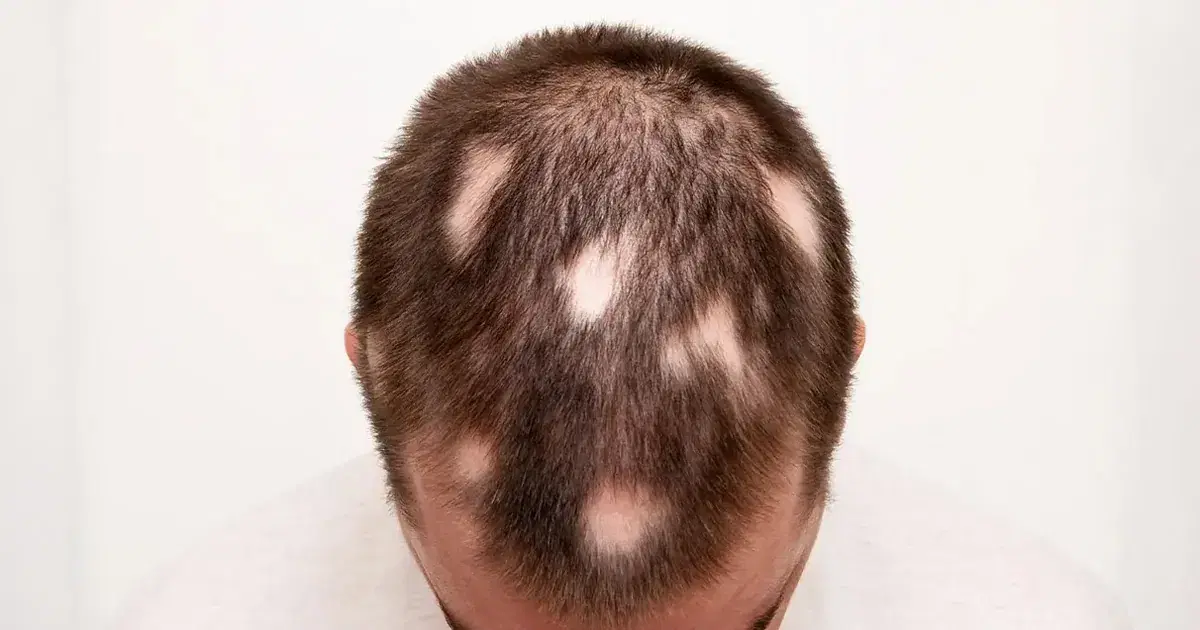
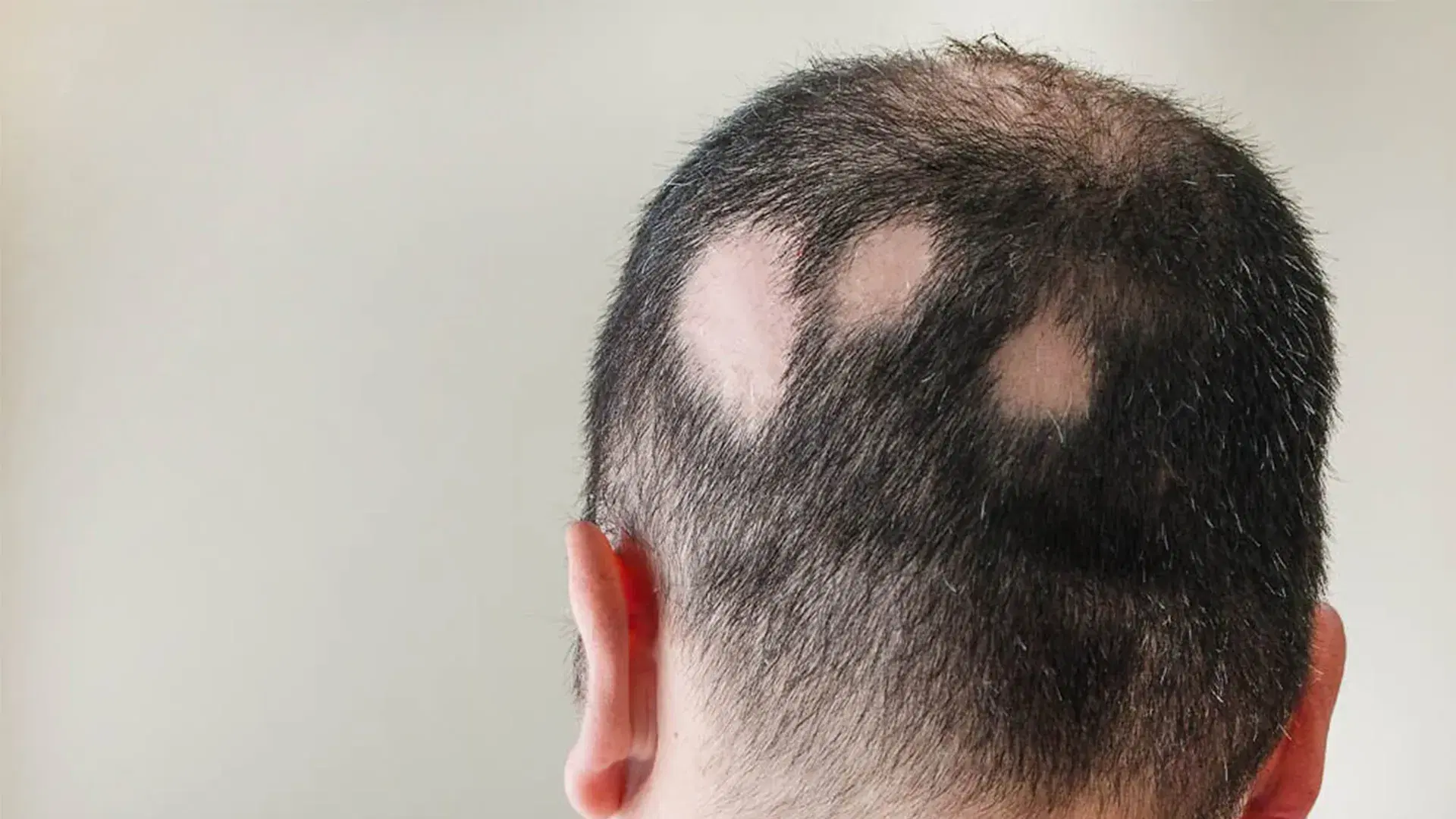
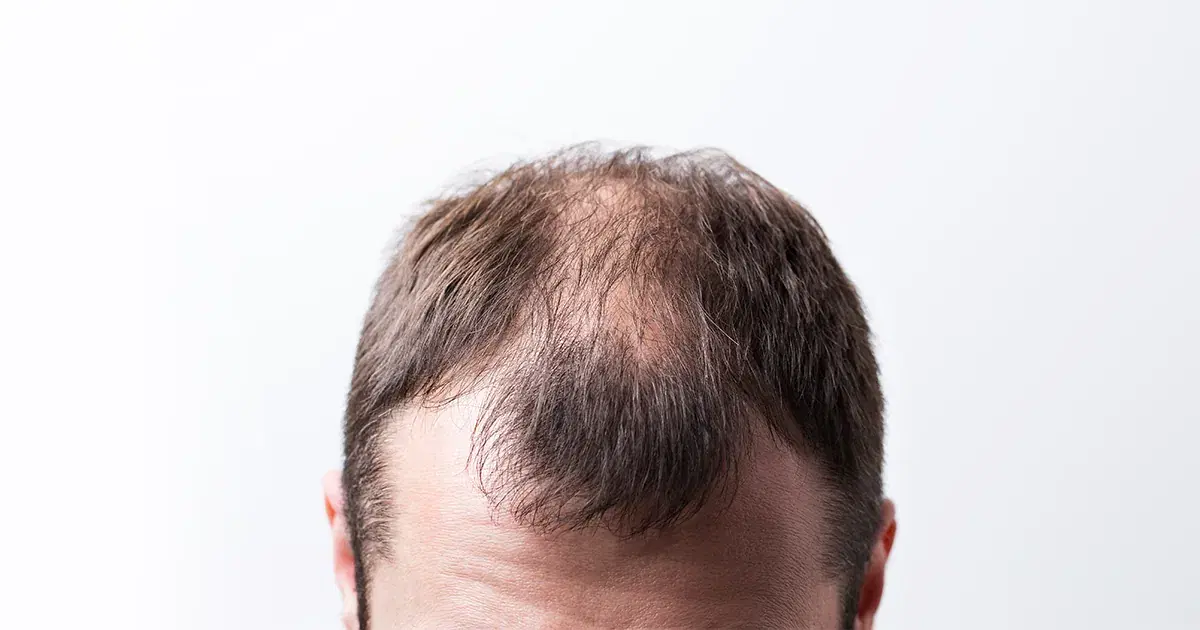
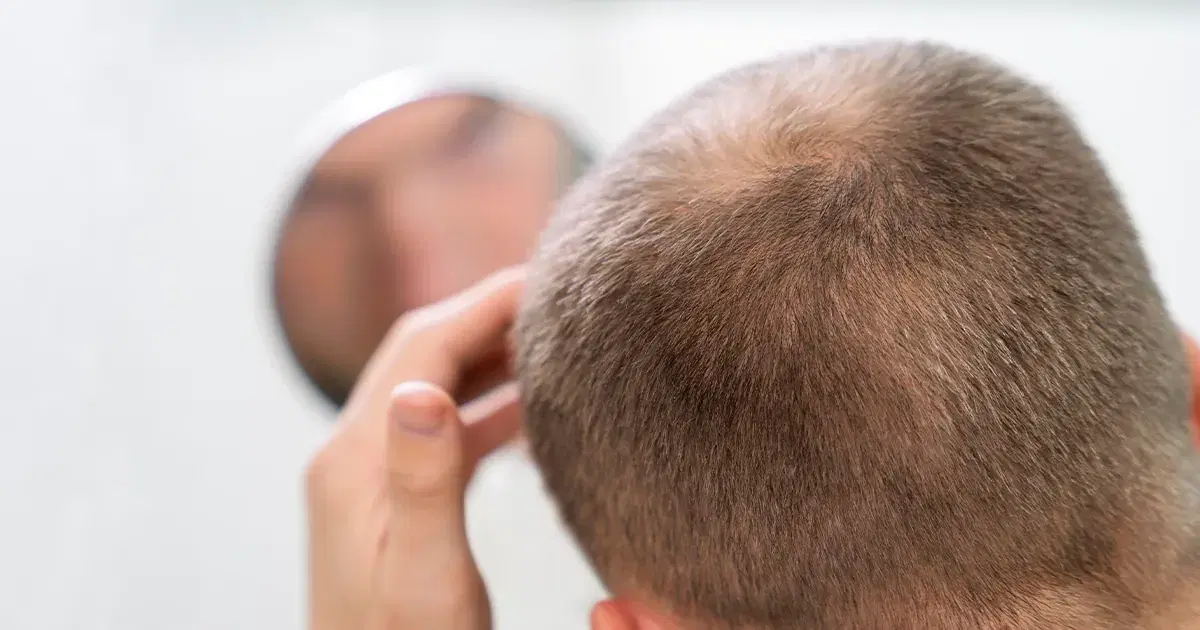
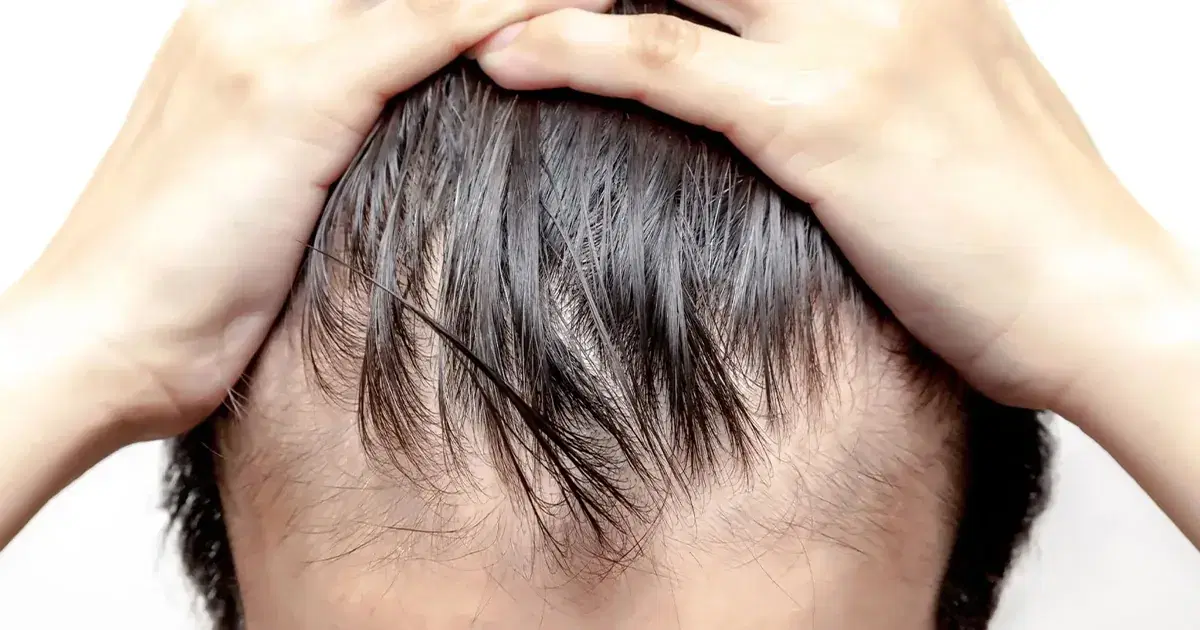
There is currently no definitive cure for Alopecia Areata. However, several treatment options may help reduce disease activity, encourage hair regrowth, and manage recurrences. Treatment plans are often individualized based on the extent of hair loss, patient age, and response to previous therapies.
Topical Corticosteroids
Topical corticosteroids are commonly used to reduce inflammation and suppress the immune response around affected hair follicles. By decreasing immune system activity in the treated areas, these medications may help create conditions that support hair regrowth. Treatment is typically monitored by a healthcare professional to minimize potential side effects associated with prolonged use.
Minoxidil for Hair Regrowth
Minoxidil may be used as a supportive treatment to encourage hair growth. Although it does not directly address the autoimmune mechanism responsible for Alopecia Areata, it can help stimulate follicle activity and support regrowth in some patients. Consistent application is usually required, and visible improvement may take several months. Learn more about Minoxidil.
Topical Immunotherapy
Topical immunotherapy is generally reserved for more extensive or persistent cases. This treatment involves applying specific agents to the scalp to create a controlled immune response. The goal is to alter immune system activity around the hair follicles and encourage renewed hair growth. Because the treatment requires careful monitoring, it is performed under specialist supervision.
PRP Therapy for Alopecia Areata
PRP therapy uses platelet-rich plasma derived from the patient's own blood. The concentrated growth factors are injected into the scalp to support tissue repair, follicle function, and scalp health. While research is ongoing, some patients with Alopecia Areata may experience improvement when PRP is used as part of a broader treatment strategy.
Lifestyle and Long-Term Support
Healthy lifestyle habits may complement medical treatment. Stress management, adequate sleep, balanced nutrition, and overall health maintenance can support immune function and scalp health. Although lifestyle modifications alone are unlikely to control Alopecia Areata, they may contribute to improved treatment outcomes and overall well-being.
Because the condition can vary significantly between individuals, ongoing medical follow-up is often important for monitoring progress and adjusting treatment when necessary.