Esthetic Hair Logo header svg
Hair Types Chart: Straight, Wavy, Curly & Coily
Badge Icon

intro

Hair Types Chart: Straight, Wavy, Curly & Coily

Everyone’s hair is unique, from silky straight strands to tight coils full of volume. But did you know that hair experts classify all hair textures into four main hair types? Knowing your type makes it easier to choose the right products, styling methods, and care routines.

In this guide, we’ll walk through the hair types chart, show you how to figure out “what hair type do I have?”, and break down the differences between straight, wavy, curly, and coily hair.


Share

Start Your Personalized Hair Treatment Journey

Book a consultation and discover the most effective hair transplant or therapy option tailored to your hair needs and expectations.

What Are the Hair Types?


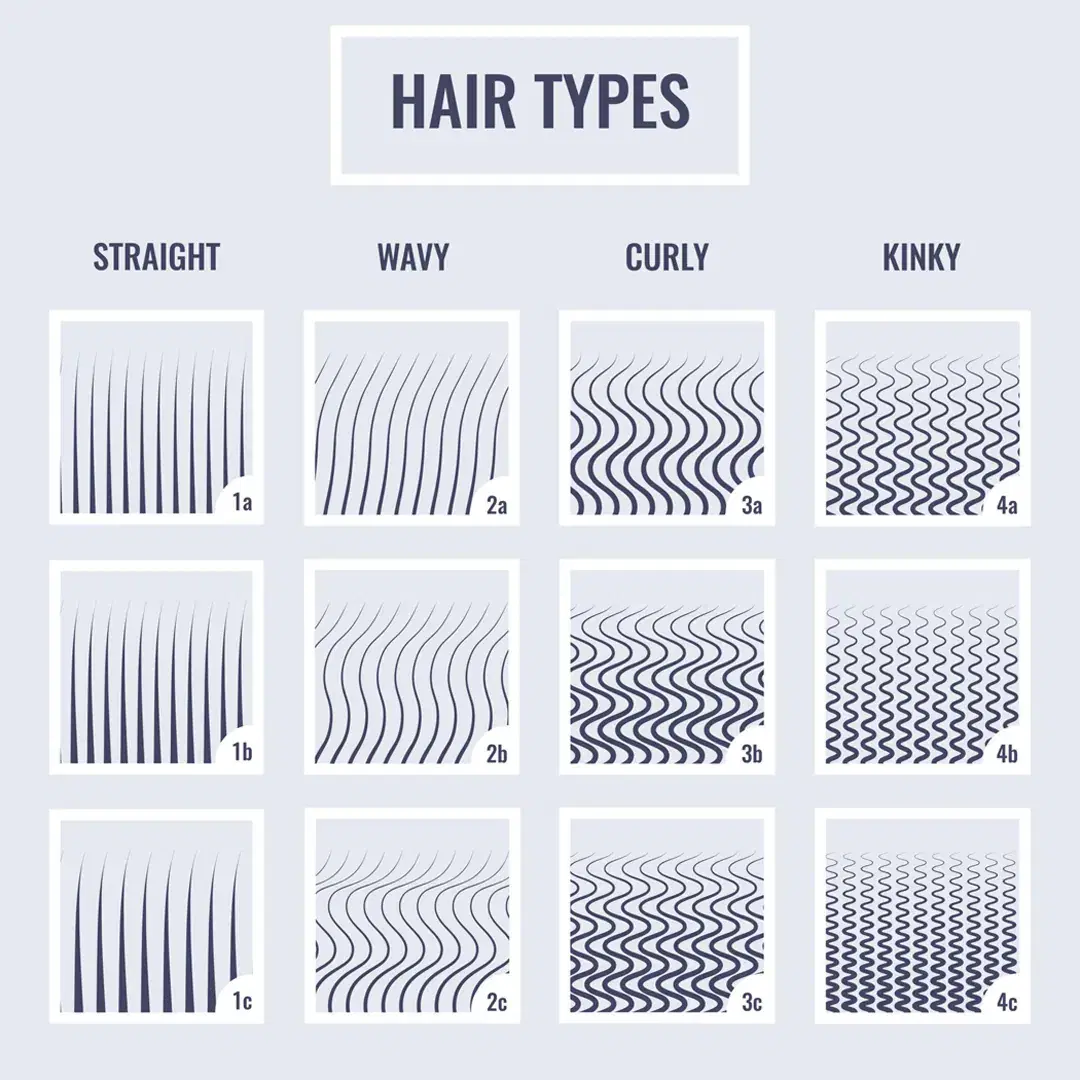
Hair types are usually grouped into four main categories. If you have ever wondered “what are the hair types?” or “what are different hair types?”, the hair types chart provides the answer. It classifies hair into four textures, each with unique characteristics.
Type 1: Straight Hair

Type 1: Straight Hair


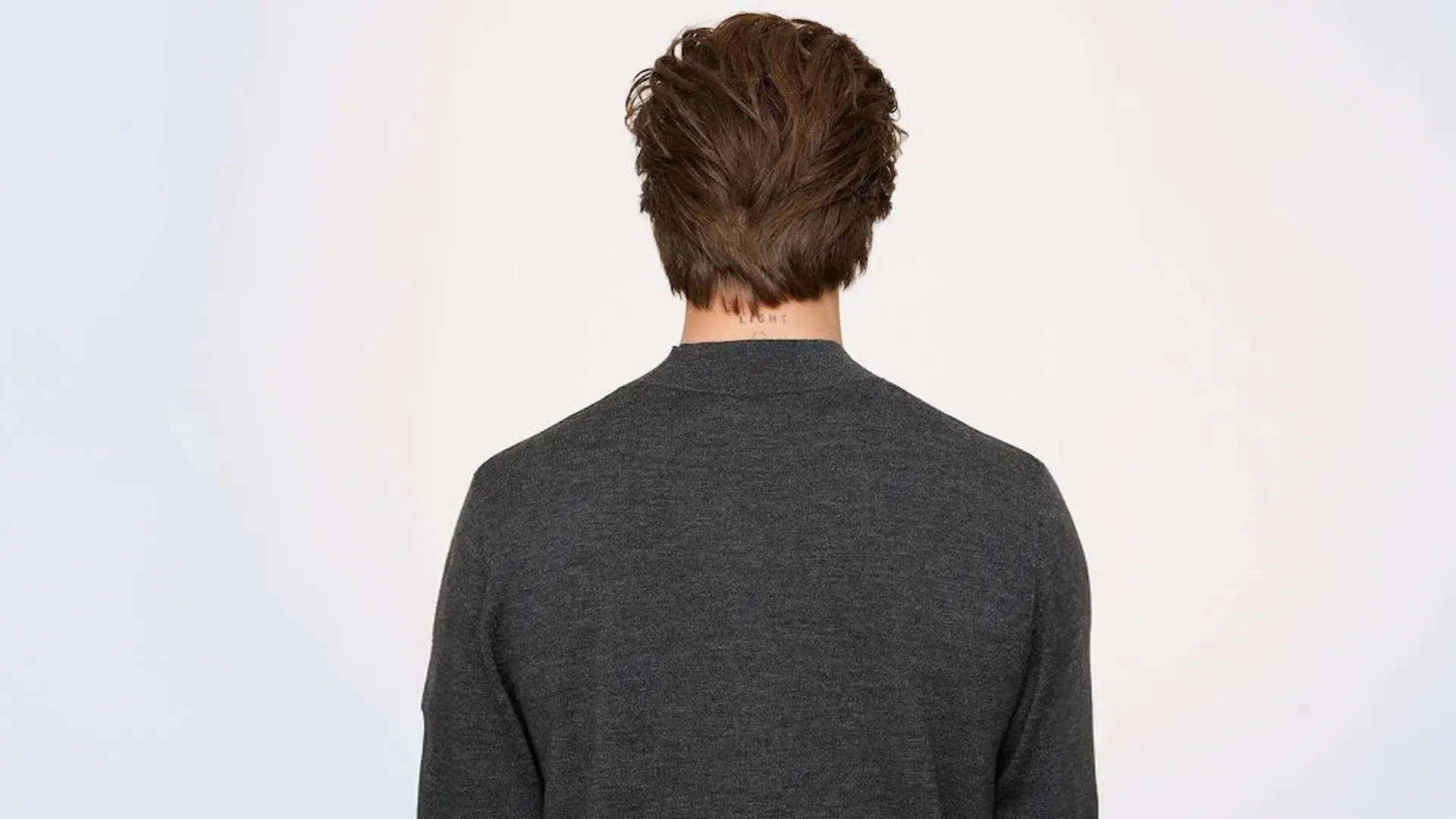
Straight hair lies flat from the roots to the tips with no natural curl pattern. It reflects light easily, which gives it a naturally shiny appearance. This hair type often feels smooth and soft but can get oily faster than other hair types because scalp oils travel down the strand more easily.

Type 1 hair is commonly categorized into 1A, 1B, and 1C, based on thickness and texture. While it is easy to manage and style, it may struggle to hold curls or volume. Using lightweight products and avoiding heavy conditioners helps keep straight hair looking fresh and balanced.

Type 2: Wavy Hair

Type 2: Wavy Hair


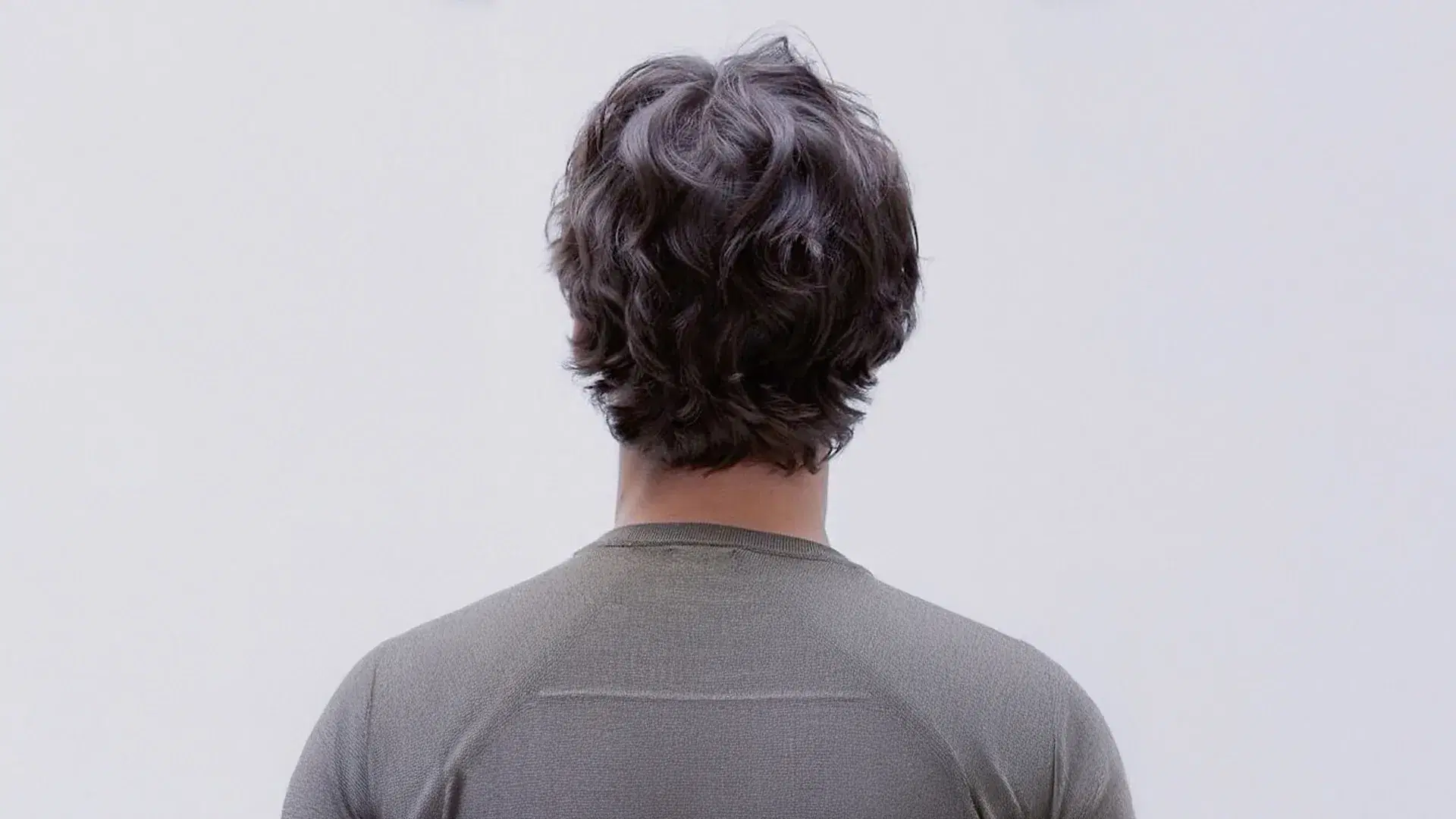
Wavy hair forms a soft S shape and sits between straight and curly textures. It is usually thicker than straight hair and has natural movement, which helps it hold styles better. This hair type can look effortlessly full but may lose definition without proper care.

Type 2 hair is often divided into 2A, 2B, and 2C, ranging from loose waves to more defined patterns. While it responds well to light styling products, it can frizz easily in humid weather. Using lightweight moisturizers and avoiding heavy oils helps keep waves defined without weighing them down.

Type 3: Curly Hair

Type 3: Curly Hair


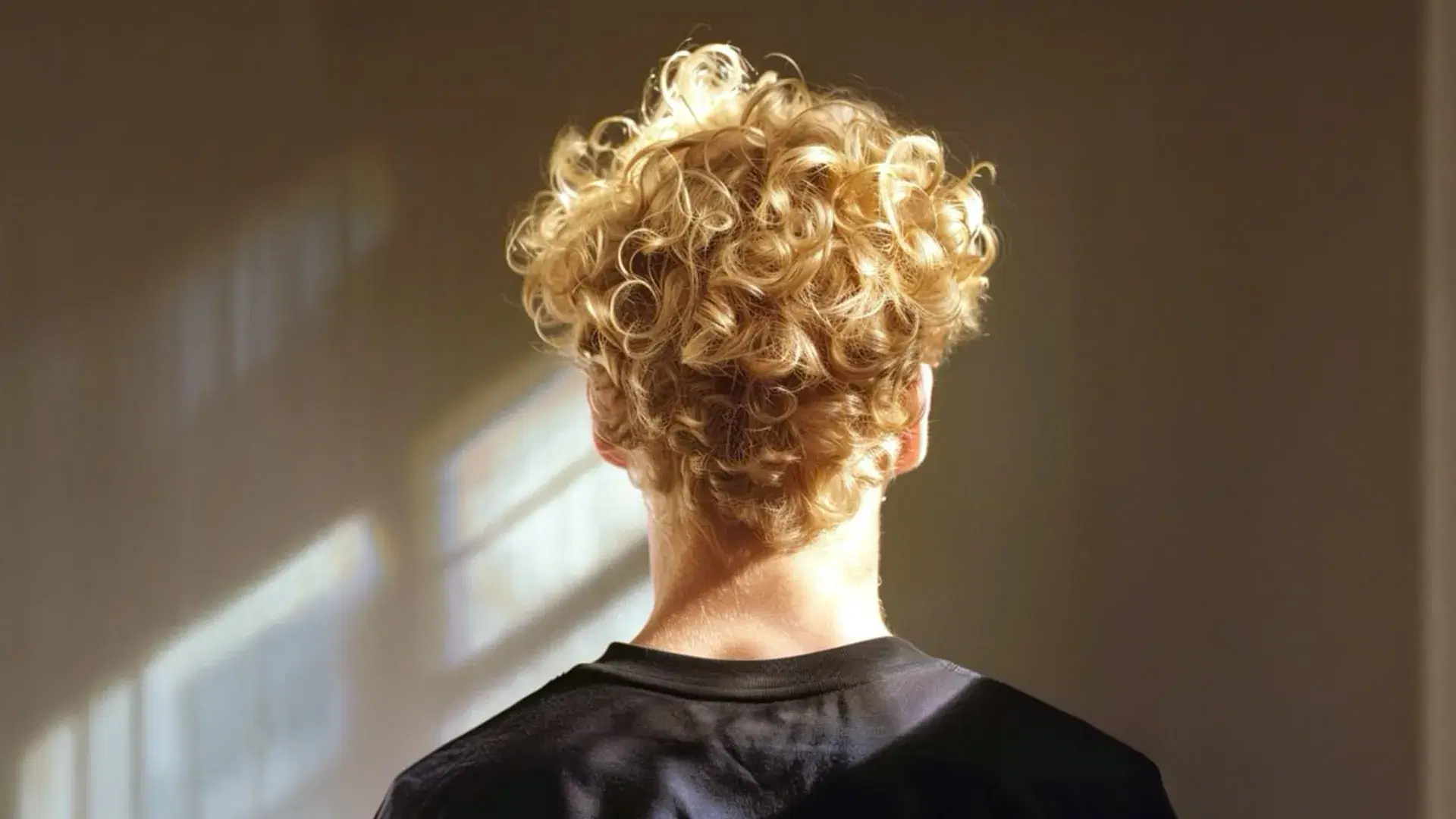
Curly hair has defined loops or spiral-shaped curls that create natural volume and bounce. This hair type needs extra moisture to stay healthy because natural oils have a harder time traveling down the curls. Without proper hydration, curls can quickly become dry and frizzy.

Type 3 hair is usually classified into 3A, 3B, and 3C, ranging from loose curls to tight corkscrews. Using moisturizing shampoos, curl creams, and leave-in conditioners helps maintain definition and elasticity. Gentle handling and minimal heat styling also reduce breakage and keep curls looking their best.

Type 4: Coily Hair

Type 4: Coily Hair


Coily hair has tight curls or zigzag patterns. It is the most delicate of all hair types and needs deep hydration to prevent dryness and breakage. Many people ask what is type 4 hair, and this texture is known for its volume, shrinkage, and fragile strands. Type 4 hair is usually divided into 4A, 4B, and 4C, each with different curl definitions and care needs.

How to Know Your Hair Type


Many people ask “what is my hair type?” or “what type of hair do I have?” The good news is that you can figure it out at home. Here’s how:

  1. Wash your hair and let it air-dry without products.

  2. Look at the pattern. Does it lie flat, form waves, curls, or coils?

  3. Check thickness and density. Are your strands fine, medium, or thick?

  4. Test porosity. Does your hair absorb moisture quickly or repel it?

By following these steps, you will know exactly “how to know your hair type.”


Men Hair Types vs. Women Hair Types

When it comes to men hair types and women hair types, the categories are the same. The difference is in styling and care. Men often keep shorter styles, which makes texture easier to manage. Women may explore longer looks, protective hairstyles, or layered cuts depending on their type.

Hair Color Types

Hair Color Types


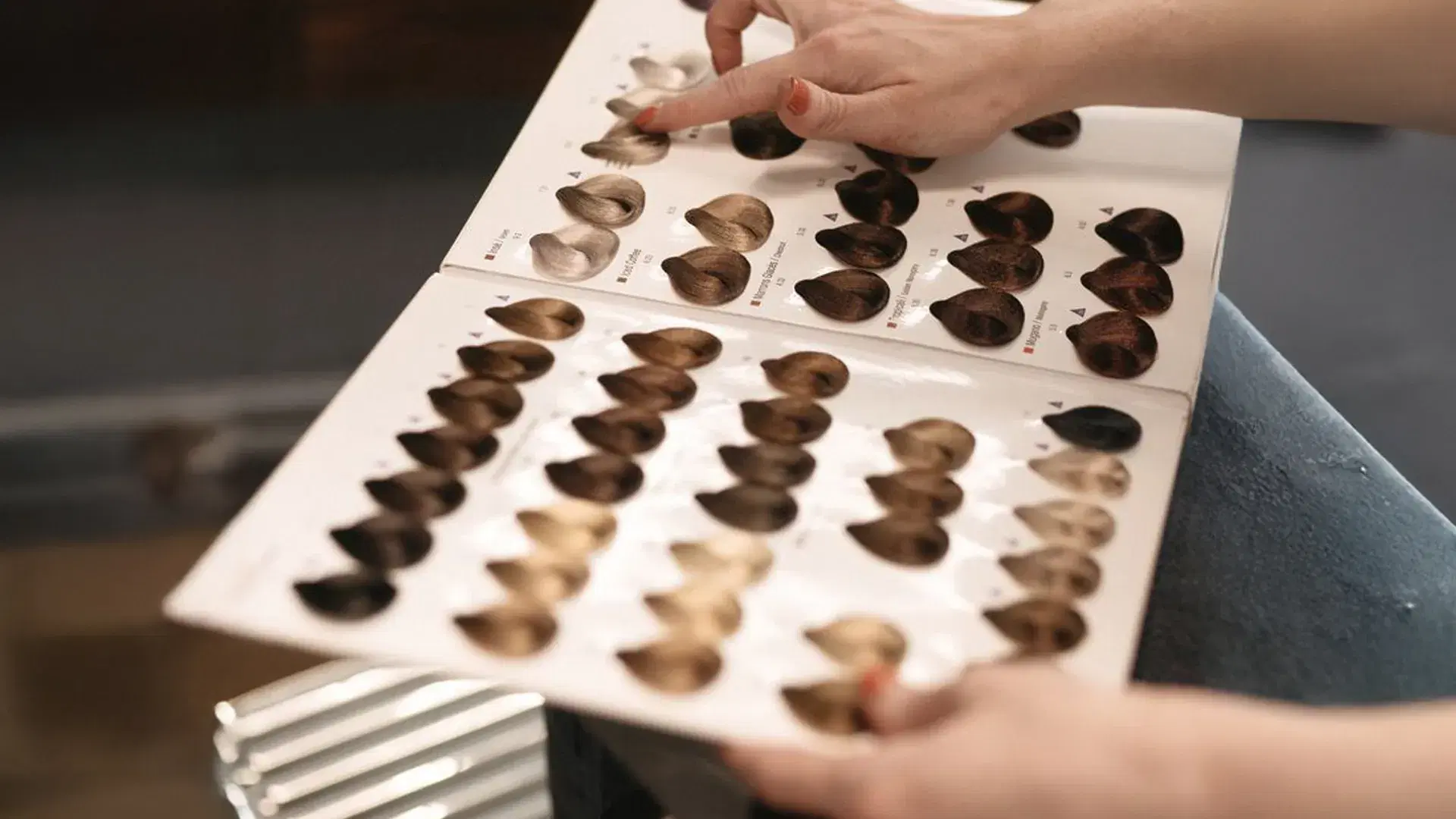
Hair types are not only defined by texture but also by color. Natural hair color types fall into four main shades: black, brown, blonde, and red. These are determined by the amount of melanin in your hair.

  • Black hair contains the highest level of eumelanin, making it rich and dark.

  • Brown hair ranges from light to dark shades and is the most common worldwide.

  • Blonde hair has less pigment, which makes it lighter and often more sensitive to damage.

  • Red hair contains more pheomelanin, giving it its rare and vibrant tone.

Beyond natural shades, hair can also be dyed or highlighted. Modern dyeing techniques make it possible to achieve a wide spectrum, from platinum blonde and ashy silver to pastels, bold neons, and vivid fashion colors. These artificial shades let people experiment and express their personality through hair color.


Which of the Following Is Not a Type of Hair?

A common question is “which of the following is not a type of hair?” Hair types are defined by texture: straight, wavy, curly, or coily. Hair color, length, or thickness are not types.

And while many people ask about the best hair type, the truth is that every hair type has its beauty. The best hair type is the one you have when you care for it the right way.


Final Thoughts


Understanding your hair type makes it easier to choose the right products and routines. Whether your strands are sleek and straight, wavy and beachy, curly and bouncy, or coily and bold, your hair type is part of your identity.

Embrace it, care for it, and let it shine.


Start Your Personalized Hair Treatment Journey

Book a consultation and discover the most effective hair transplant or therapy option tailored to your hair needs and expectations.