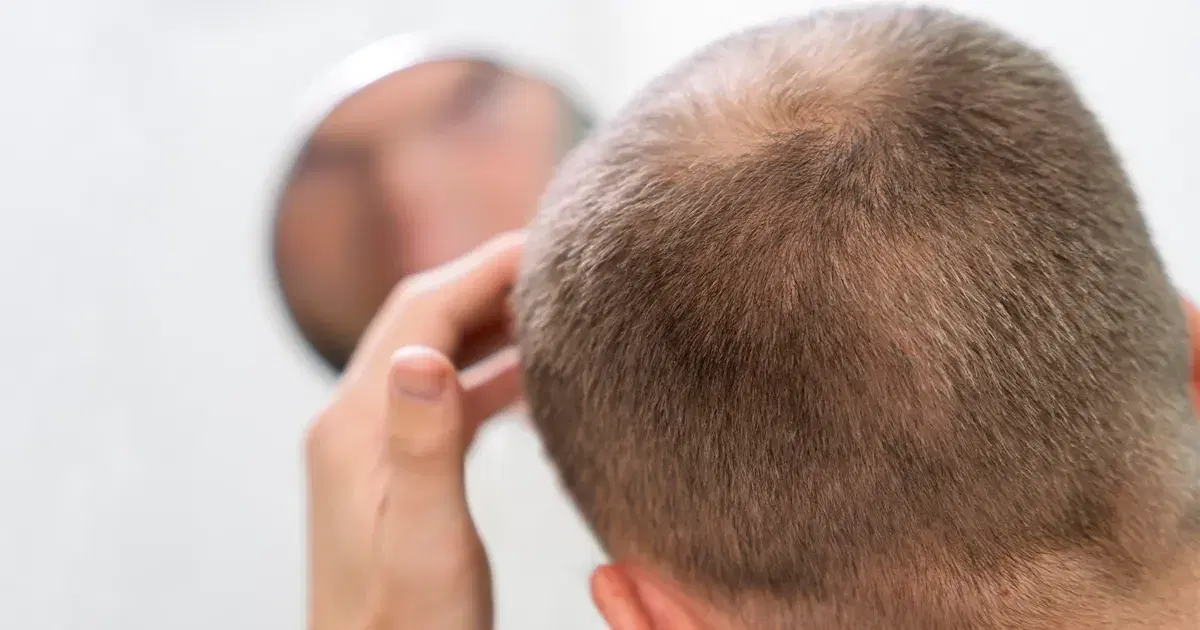
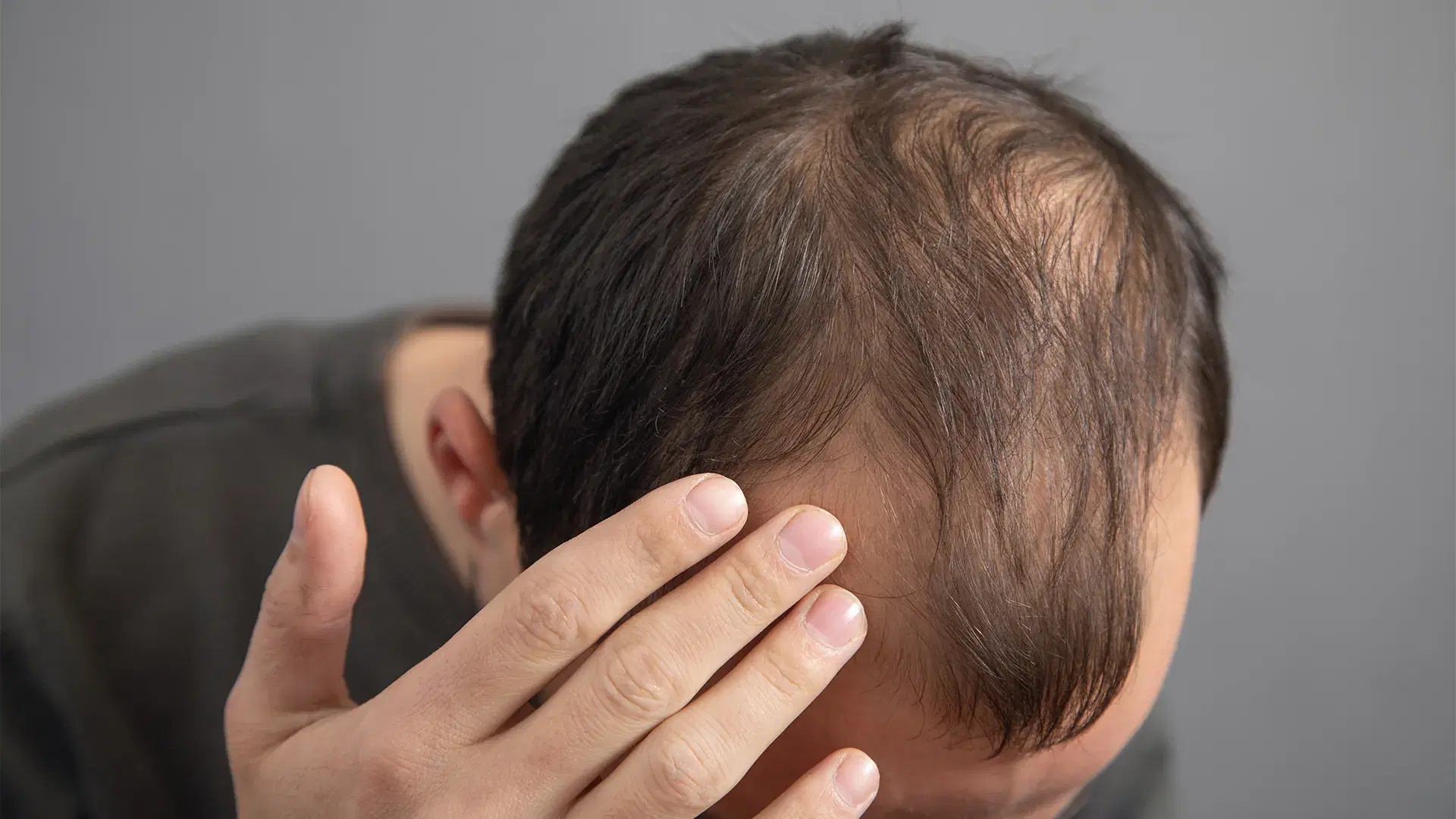
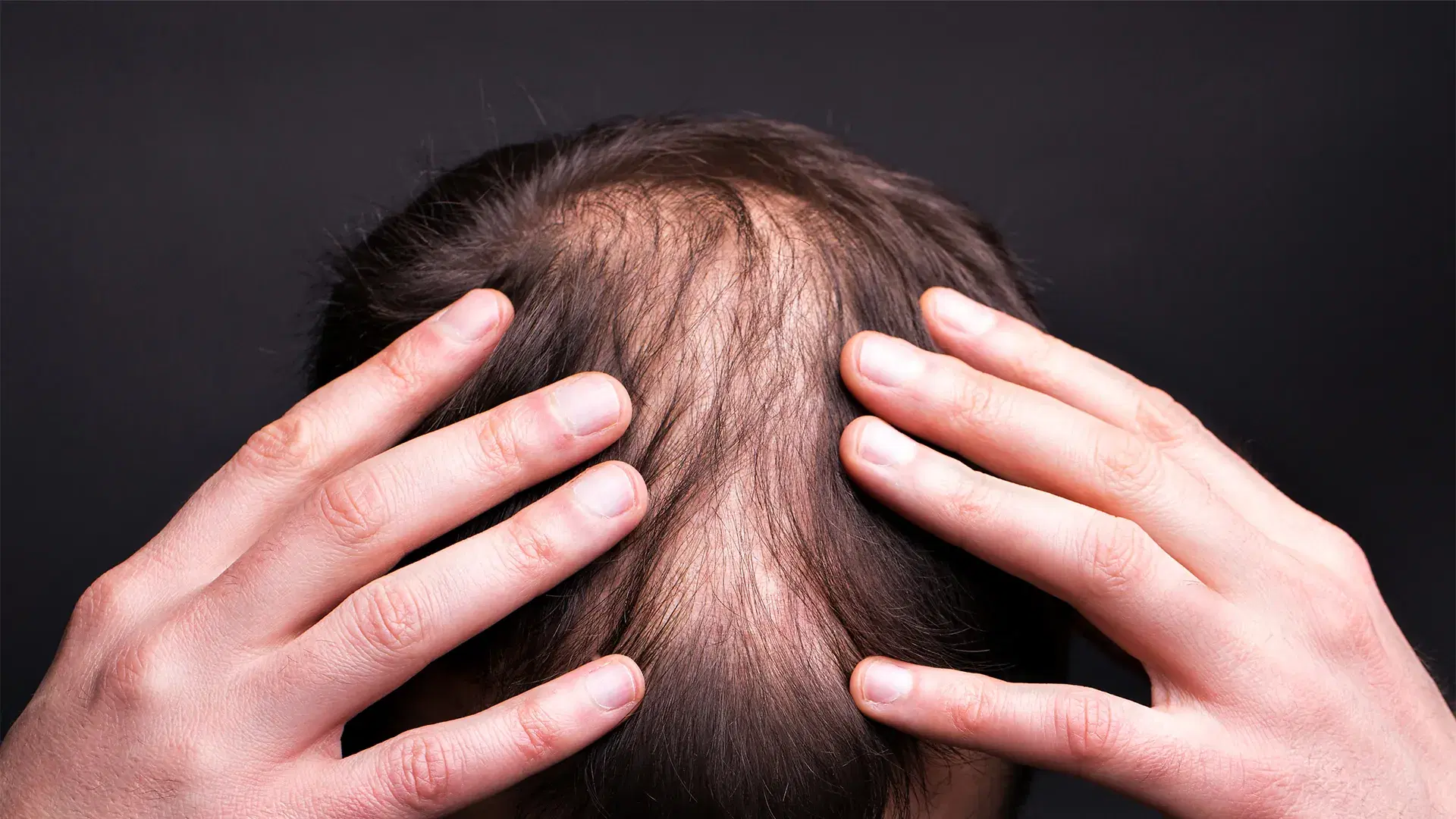
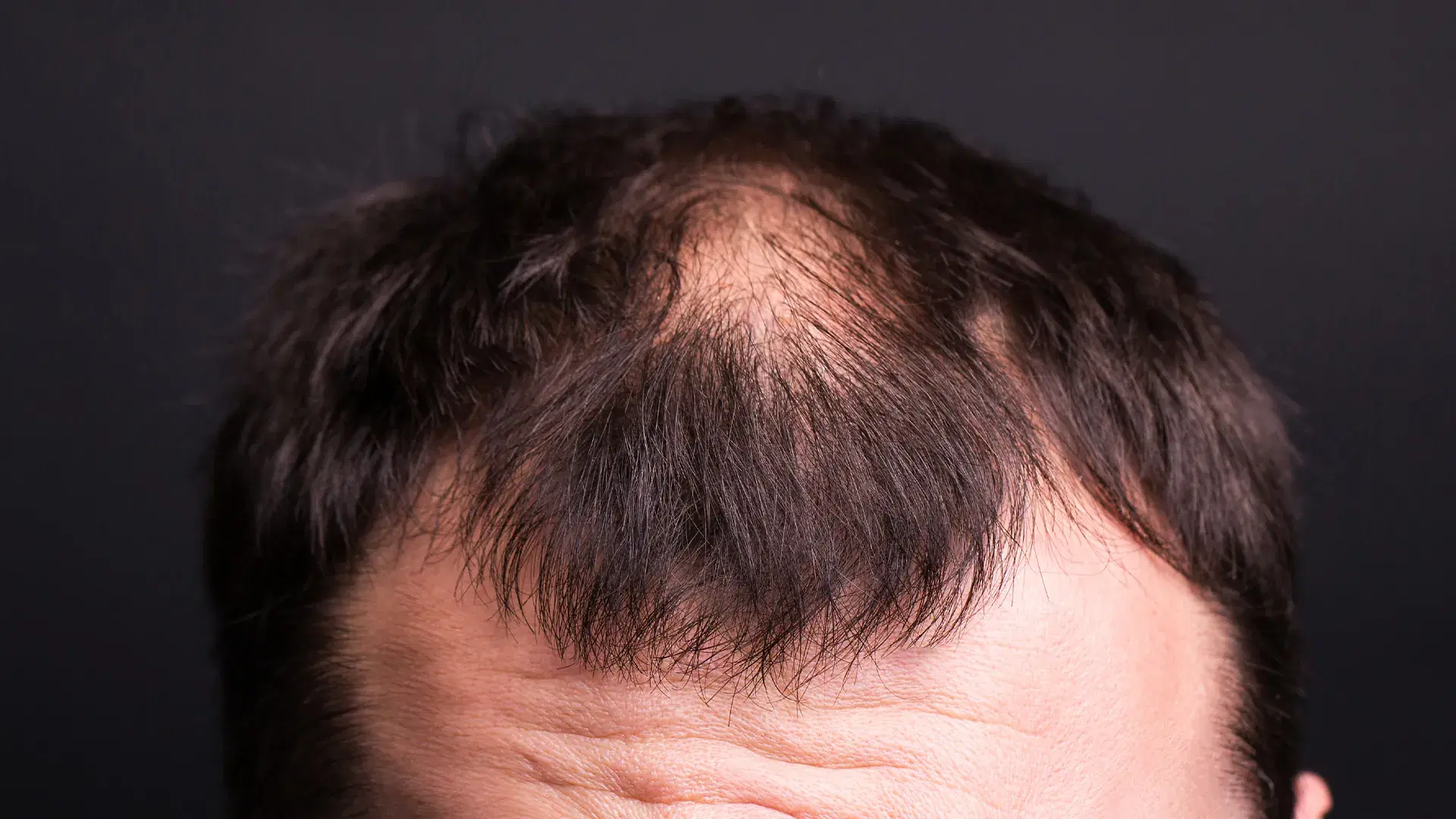
Treatment options for pattern baldness are designed to slow progression, support hair growth, and improve overall hair density. The most appropriate treatment plan depends on the severity of hair loss, individual expectations, and long-term goals.
Medications
Minoxidil is a topical treatment commonly used to support hair growth and prolong the active growth phase of the hair cycle. It is used by both men and women in appropriate formulations.
Finasteride is an oral medication that reduces the conversion of testosterone to DHT. It is primarily prescribed for men with androgenetic alopecia. In selected cases, dutasteride may also be considered under medical supervision.
These medications generally require consistent and long-term use to maintain their effects.
Hair Transplant Surgery
For individuals with more advanced hair loss, hair transplant surgery may be considered. Techniques such as FUE and DHI involve transferring healthy follicles from donor areas to regions affected by thinning or baldness.
Transplanted follicles generally retain their original characteristics and continue producing hair in their new location. Modern techniques focus on natural hairline design and balanced density distribution.
Supportive Treatments
PRP therapy, low-level laser therapy, and other scalp-focused treatments are often used to support follicle health and complement primary treatment strategies.
These therapies may help improve scalp conditions, support circulation, and enhance the appearance of existing hair.
DHT Blockers and Shampoos
Shampoos containing ingredients such as ketoconazole are commonly used to support scalp health. Although shampoos alone are generally not sufficient to treat pattern baldness, they may complement broader treatment plans and help maintain a healthy scalp environment.