

Esthetic Hair Logo header svg
Maturing Hairline vs. Receding: The Signs You Shouldn’t Ignore!
Badge Icon

intro

Maturing Hairline vs Receding: The Signs You Shouldn’t Ignore!

You wake up, look in the mirror, and notice your forehead seems higher than last year. Is it just a maturing hairline, or the start of a receding one? The difference is subtle, but important. Understanding what’s happening early can save you stress, money, and unnecessary panic.

Hairline changes are common, especially in young men. Not every shift means hair loss, but ignoring the warning signs can allow real recession to progress unnoticed. Knowing how to tell a maturing hairline from a receding one puts you back in control.


Share

Start Your Personalized Hair Treatment Journey

Book a consultation and discover the most effective hair transplant or therapy option tailored to your hair needs and expectations.

What Is a Maturing Hairline?

What Is a Maturing Hairline?


A maturing hairline is a natural and expected change that usually happens in the late teens or early twenties. It marks the transition from a juvenile hairline to a more adult hairline. During this phase, the hairline moves slightly upward and becomes more defined.

This is not balding. In fact, most men experience a maturing hairline at some point. The shift is usually modest, around 1 to 1.5 cm, and then it stops. Once the hairline settles, it often remains stable for many years.

A key feature of a maturing hairline is predictability. The movement happens gradually, evenly, and without significant thinning of the hair at the front.


What Does a Maturing Hairline Look Like?

What Does a Maturing Hairline Look Like?


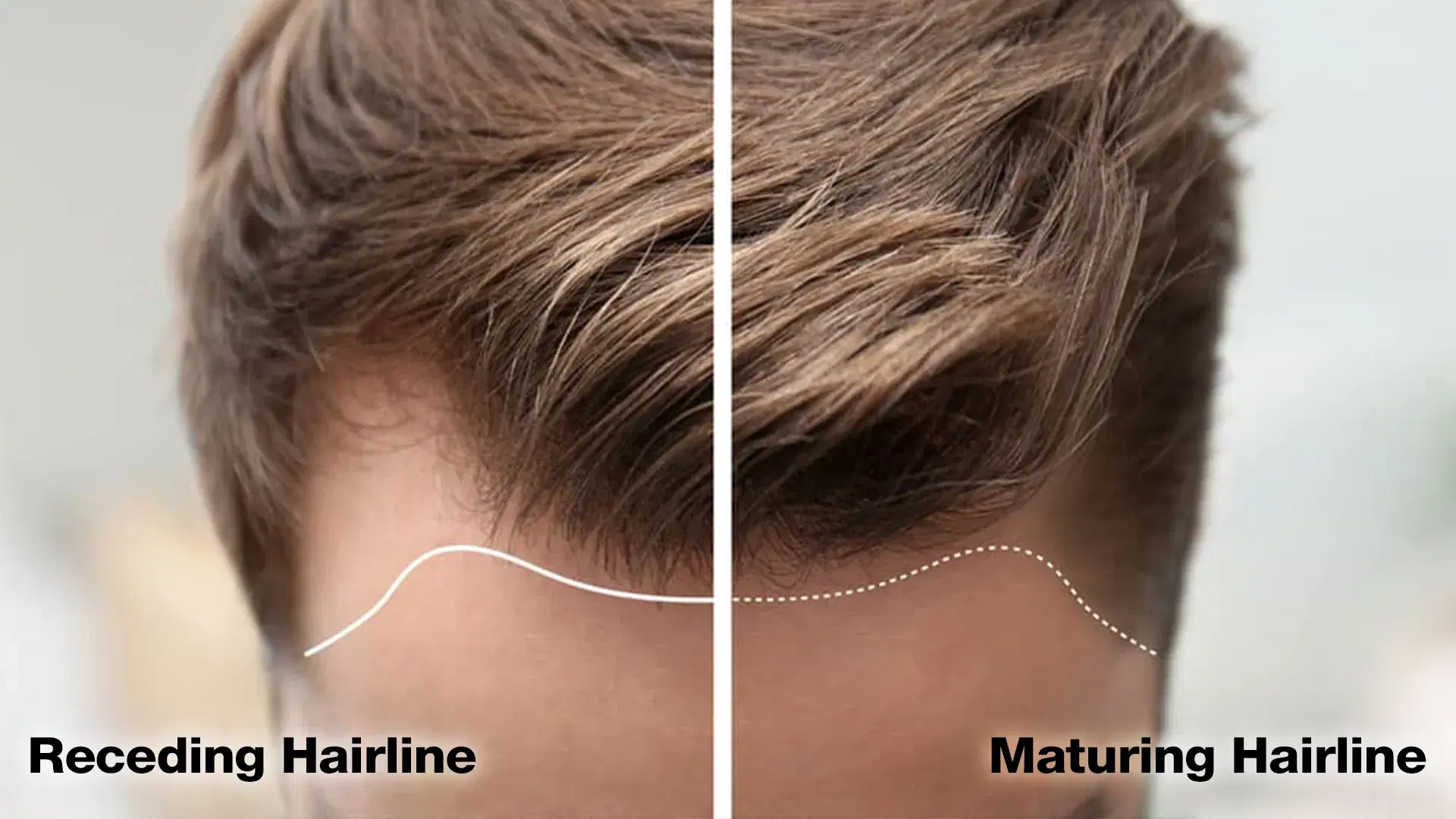
A maturing hairline typically creates a subtle widow’s peak or a gently squared shape. The center of the hairline remains strong, while the temples move back slightly. Importantly, the hair along the hairline keeps its thickness and strength.

There is no patchiness, no see-through areas, and no obvious miniaturization of hair strands. The scalp is usually healthy, without redness or irritation. When viewed over time, the change appears controlled and then stabilizes.

If your hairline has adjusted slightly, stopped moving, and still looks dense, it’s very likely a maturing hairline rather than true hair loss.


Maturing Hairline vs Receding Hairline: Key Differences

Maturing Hairline vs Receding Hairline: Key Differences

The easiest way to tell the difference between a maturing hairline and a receding one is to focus on three factors: speed, density, and pattern.

A maturing hairline changes slowly and then stops. A receding hairline keeps moving back year after year. With a maturing hairline, the hair at the front stays thick and healthy. With recession, hairs become thinner, shorter, and weaker over time.

Pattern also matters. A receding hairline often forms a deeper M shape and may be accompanied by thinning at the crown. A maturing hairline stays balanced and does not spread beyond the frontal area.


Signs You Shouldn’t Ignore

Not all hairline changes are harmless. Some signs suggest that hair loss may be progressing rather than stabilizing.

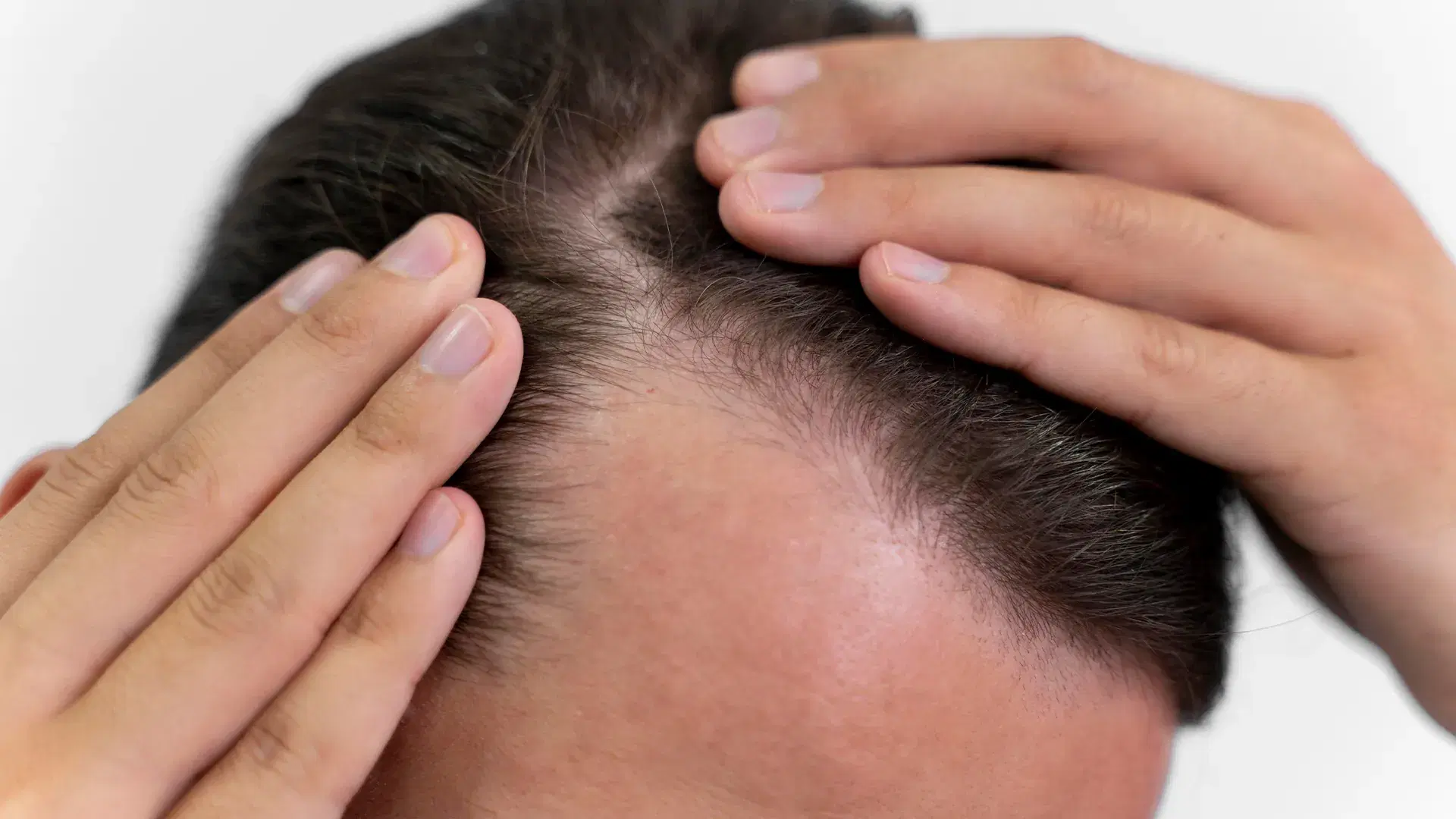
Rapid change over months rather than years is a major red flag. Noticeable thinning at the temples, especially if individual hairs look finer, is another warning sign. Increased daily shedding that does not slow down deserves attention.

Scalp symptoms also matter. Persistent itching, inflammation, flaking, or sensitivity around the hairline can signal underlying scalp issues that worsen hair loss. If several of these signs appear together, professional evaluation is recommended.
 

When Does the Hairline Mature?

When Does the Hairline Mature?


Most men experience a maturing hairline between the ages of 17 and 29. For some, the change happens quickly within a year. For others, it develops gradually over several years. Genetics play the biggest role in determining timing and extent.

Looking at family history can be helpful. If male relatives have stable hairlines well into adulthood, chances are higher that your maturing hairline will also stabilize. In most cases, once the hairline matures, it does not continue to move backward.


Can a Maturing Hairline Turn Into Receding Hair Loss?

Can a Maturing Hairline Turn Into Receding Hair Loss?


Yes, but not automatically. A maturing hairline does not cause hair loss, but it can coexist with genetic sensitivity to DHT. In some men, the hairline matures and remains stable for decades. In others, recession begins later due to androgenetic hair loss.

This is why monitoring matters. Taking photos every six to twelve months and comparing density and shape can help identify changes early. Stability is the key sign that you are dealing with a maturing hairline rather than active hair loss.


How to Manage a Maturing Hairline

How to Manage a Maturing Hairline


If you have a maturing hairline and want to maintain a sharp appearance, simple strategies work well. Choosing the right haircut can reduce contrast between the forehead and hairline. Textured crops, crew cuts, and short fades often look clean and balanced.

Scalp health should not be ignored. Use gentle shampoos, avoid excessive heat styling, and protect your scalp from sun exposure. Tight hairstyles that pull on the frontal hairline should be avoided, as they can cause traction-related thinning over time.

Healthy habits support long-term hair strength. Balanced nutrition, proper sleep, and stress management all contribute to stable hair growth.


Treatment Options If It Keeps Moving Back

If your hairline continues to move backward and density starts to drop, early treatment can make a real difference. Topical Minoxidil helps stimulate growth and support weaker follicles. Prescription finasteride reduces DHT levels and slows genetic hair loss.

Low level laser therapy may improve scalp circulation in some patients. Lifestyle changes also play a supporting role, especially managing stress and ensuring adequate protein intake.

For men with advanced frontal loss, DHI hair transplantation can restore the hairline with natural density and direction. Early intervention usually leads to better, more conservative results.


When to See a Specialist?


You should consider seeing a specialist if changes are rapid, if the crown shows thinning, or if scalp irritation persists. A dermatologist or hair restoration expert can examine follicles under magnification, measure miniaturization, and track progression accurately.

Early diagnosis removes guesswork and prevents unnecessary treatments. Even reassurance from a professional can reduce anxiety when changes turn out to be normal maturation.


Conclusion: Maturing Hairline vs Receding


A maturing hairline is a normal part of growing up, while a receding hairline is progressive hair loss. The difference comes down to stability, density, and pattern. If the shift is small, even, and then stops, it is likely just a maturing hairline.

If the hairline keeps moving back or thinning increases, early action protects both your hair and your confidence. Understanding the difference helps you make smarter decisions and avoid panic over a change that is often completely natural.