Esthetic Hair Logo header svg
Sulfate Free Shampoo: Benefits and Common Myths
Badge Icon

intro

Sulfate Free Shampoo: Benefits and Common Myths

Sulfate free shampoo keeps popping up on bottles, blogs, and salon shelves, but a lot of people still aren’t sure if it actually helps or if it’s just clever marketing. If your hair feels dry, frizzy, irritated, or your color fades too fast, your shampoo might be part of the problem.

Traditional shampoos rely on strong cleansing agents that create foam and remove oil fast. That deep clean can feel nice, but it often strips moisture and disrupts scalp balance. Gentler formulas are designed to clean without being aggressive, which is why so many people are switching.

This guide breaks down what sulfate free shampoo really is, who benefits the most, who should skip it, and how to choose the right option for your hair type.


Share

Start Your Personalized Hair Treatment Journey

Book a consultation and discover the most effective hair transplant or therapy option tailored to your hair needs and expectations.

What Does Sulfate Free Shampoo Mean?

What Does Sulfate Free Shampoo Mean?


A sulfate free shampoo is made without harsh detergents like Sodium Lauryl Sulfate or Sodium Laureth Sulfate. These ingredients are responsible for heavy lather, but they can also remove too much natural oil and irritate sensitive scalps.

Instead, non-sulfate formulas use milder cleansing agents that wash away dirt while helping hair retain moisture. You may notice less foam, but that does not mean your hair isn’t getting clean. It simply means the cleanser is less aggressive.


Benefits of Using a Gentle Shampoo

Benefits of Using a Gentle Shampoo

Switching to a sulfate free formula can make a noticeable difference, especially if your hair struggles with dryness or irritation.

Common benefits include:

  • Less itching and scalp sensitivity

  • Improved moisture retention

  • Reduced frizz and better shine

  • Longer-lasting hair color

  • A more balanced feel after washing

For many people, the biggest win is comfort. Hair feels clean without that tight, squeaky sensation.


Can Gentle Shampoos Help With Hair Loss?

Sulfate free shampoo does not treat hair loss directly, but it can help reduce breakage and scalp inflammation that make shedding worse. Over-cleansing can weaken the hair shaft and irritate follicles, which may increase hair fall over time.

If you’re dealing with stress-related shedding or conditions like telogen effluvium, switching to a milder cleanser can support scalp health and create a better environment for regrowth. It’s not a cure, but it removes one unnecessary stressor.
 

Why Curls Do Better Without Sulfates

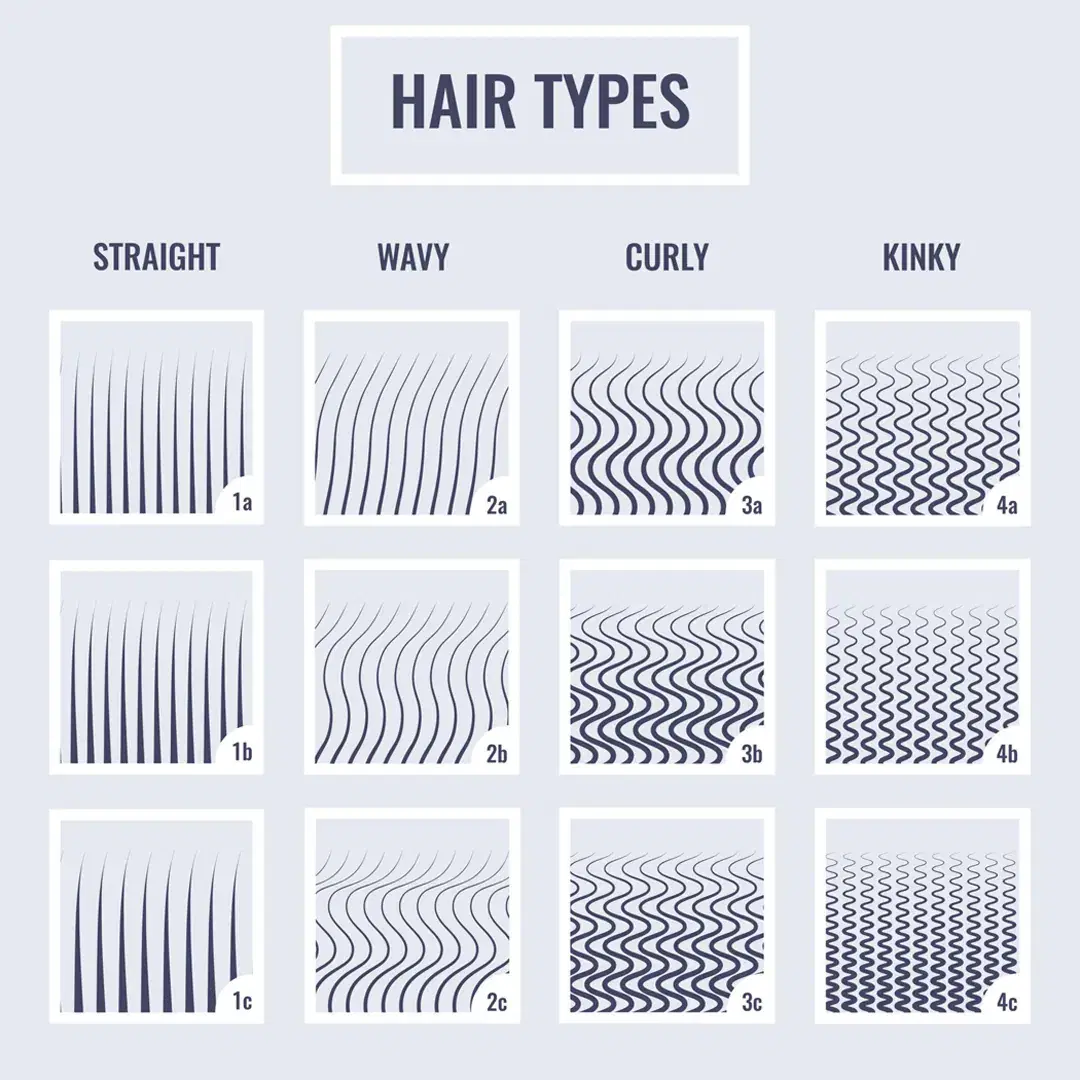
Curly and textured hair types are naturally more prone to dryness because scalp oils do not travel easily down the hair shaft. Using a gentle cleanser helps curls stay hydrated, defined, and less frizzy.

Many curl-friendly formulas include ingredients like aloe vera, shea butter, or nourishing oils that support elasticity and reduce breakage. For wavy, curly, or coily hair, avoiding harsh detergents can be a game changer.


How to Protect Color-Treated Hair

How to Protect Color-Treated Hair


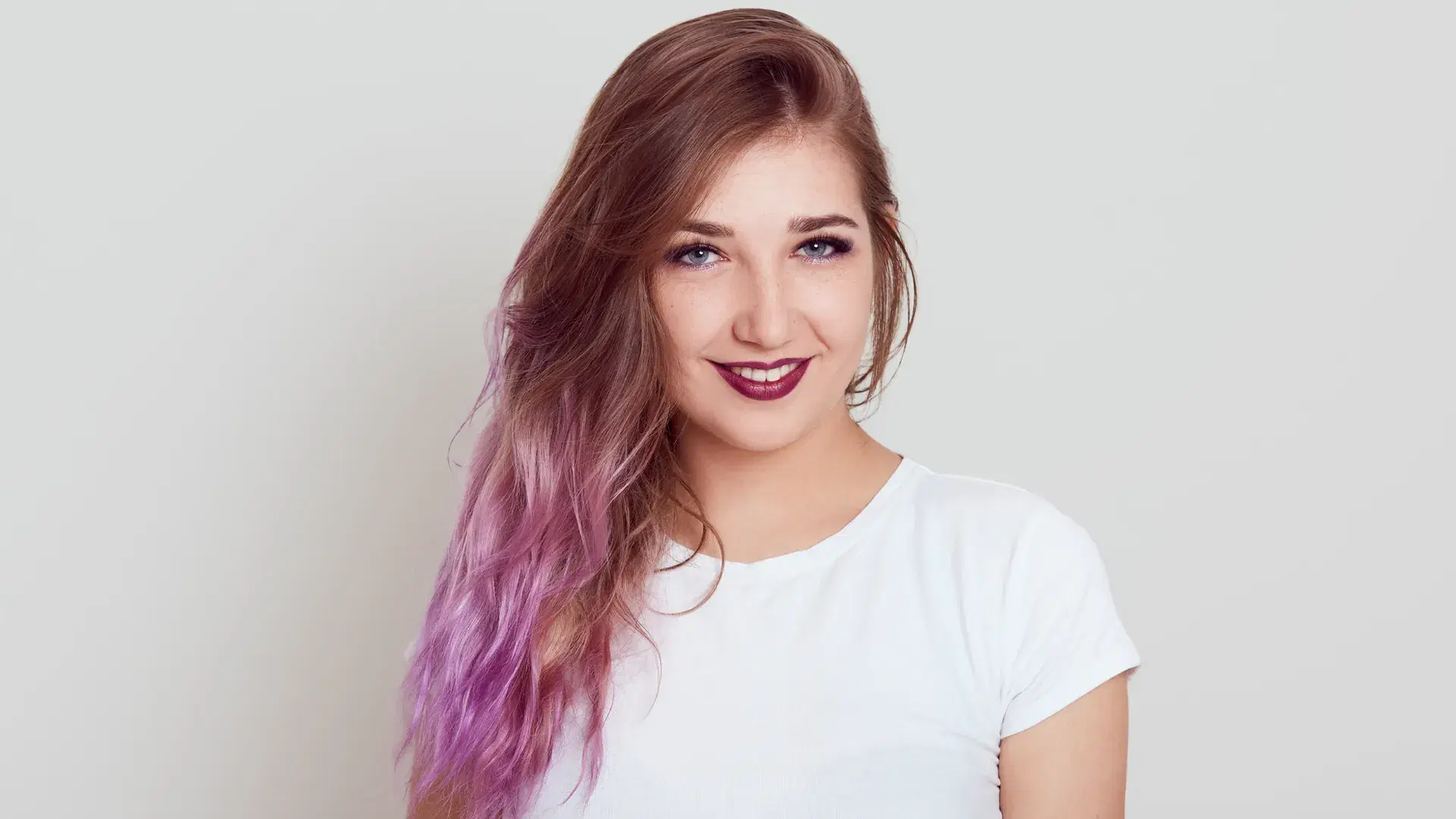
Color-treated hair fades faster when exposed to strong cleansers. Sulfates can strip dye molecules, making color look dull within weeks.

Using a sulfate free shampoo helps preserve vibrancy while keeping chemically treated hair softer and more manageable. This is why most stylists recommend gentle formulas as part of a color-safe routine.


Popular Sulfate Free Shampoo Brands

Popular Sulfate Free Shampoo Brands

Choosing the right product depends more on hair needs than gender, but some brands are known for targeting specific concerns.


Options Often Chosen by Men

Men dealing with dryness, dandruff, or thinning hair usually prefer lightweight formulas that do not leave residue.

Well-known options include:

  • Head & Shoulders Supreme for gentle dandruff control

  • Every Man Jack for sensitive scalps

  • Brickell Strengthening Shampoo for weaker hair

Popular Picks for Women

Richer formulas tend to work better for curls, dryness, or color-treated hair.

Common favorites include:

  • SheaMoisture Coconut & Hibiscus for curls

  • L’Oréal EverPure for color protection

  • OGX Argan Oil of Morocco for smoothness and shine


When a Non-Sulfate Formula May Not Be Enough

Gentle shampoos are not ideal for everyone. Very oily scalps, heavy product buildup, or frequent use of styling products may require stronger cleansing from time to time.

In these cases, alternating between a sulfate free shampoo and an occasional clarifying wash can help maintain balance without over-drying the hair.


Gentle Cleansers vs Traditional Shampoos

The main difference comes down to cleansing strength. Traditional shampoos remove oil aggressively, which works well for oily scalps but can damage dry or sensitive hair.

Gentle cleansers focus on maintaining moisture and scalp comfort. If your hair is dry, curly, color-treated, or prone to irritation, milder formulas are usually the better choice.


Common Myths You Can Ignore

One common myth is that sulfate free shampoo does not clean properly. In reality, it cleans without stripping. Another misconception is that it’s only for curly or dyed hair, when anyone with dryness or sensitivity can benefit. While these shampoos support healthier hair, results still depend on routine, scalp condition, and lifestyle.

Final Thoughts

Sulfate free shampoo is not just a trend. It’s a practical option for people who want gentler cleansing, better moisture retention, and healthier-looking hair. It works especially well for dry, curly, color-treated, or sensitive scalps.

That said, it is not a one-size-fits-all solution. Very oily scalps or heavy buildup may still need stronger cleansing occasionally. The key is understanding your hair type and adjusting your routine. When chosen correctly and used consistently, a gentle shampoo can make a noticeable difference.

Start Your Personalized Hair Treatment Journey

Book a consultation and discover the most effective hair transplant or therapy option tailored to your hair needs and expectations.