Esthetic Hair Clinic logo

Telogen Effluvium: Causes, Symptoms, and Recovery Guide

Telogen effluvium causes temporary shedding; here are causes, symptoms, and recovery steps.
Dr. Nadiye HACIÖMEROĞLUPhysician
·
6 min read
·
February 4, 2026
About Us Esthetic Hair

Telogen Effluvium: Causes, Symptoms, and Recovery Guide

Telogen Effluvium is one of the most common forms of temporary hair loss, yet it often causes unnecessary worry because the shedding can be sudden and dramatic. Unlike permanent conditions such as pattern baldness, this type of hair loss is usually reversible once the underlying trigger is addressed.

In this guide, we’ll walk through the main causes of Telogen Effluvium, the symptoms to watch for, and the steps you can take to support healthy recovery and regrowth.

Start Your Personalized Hair Treatment Journey

Book a consultation and discover the most effective hair transplant or therapy option tailored to your hair needs and expectations.

What is Telogen Effluvium?

What is Telogen Effluvium?

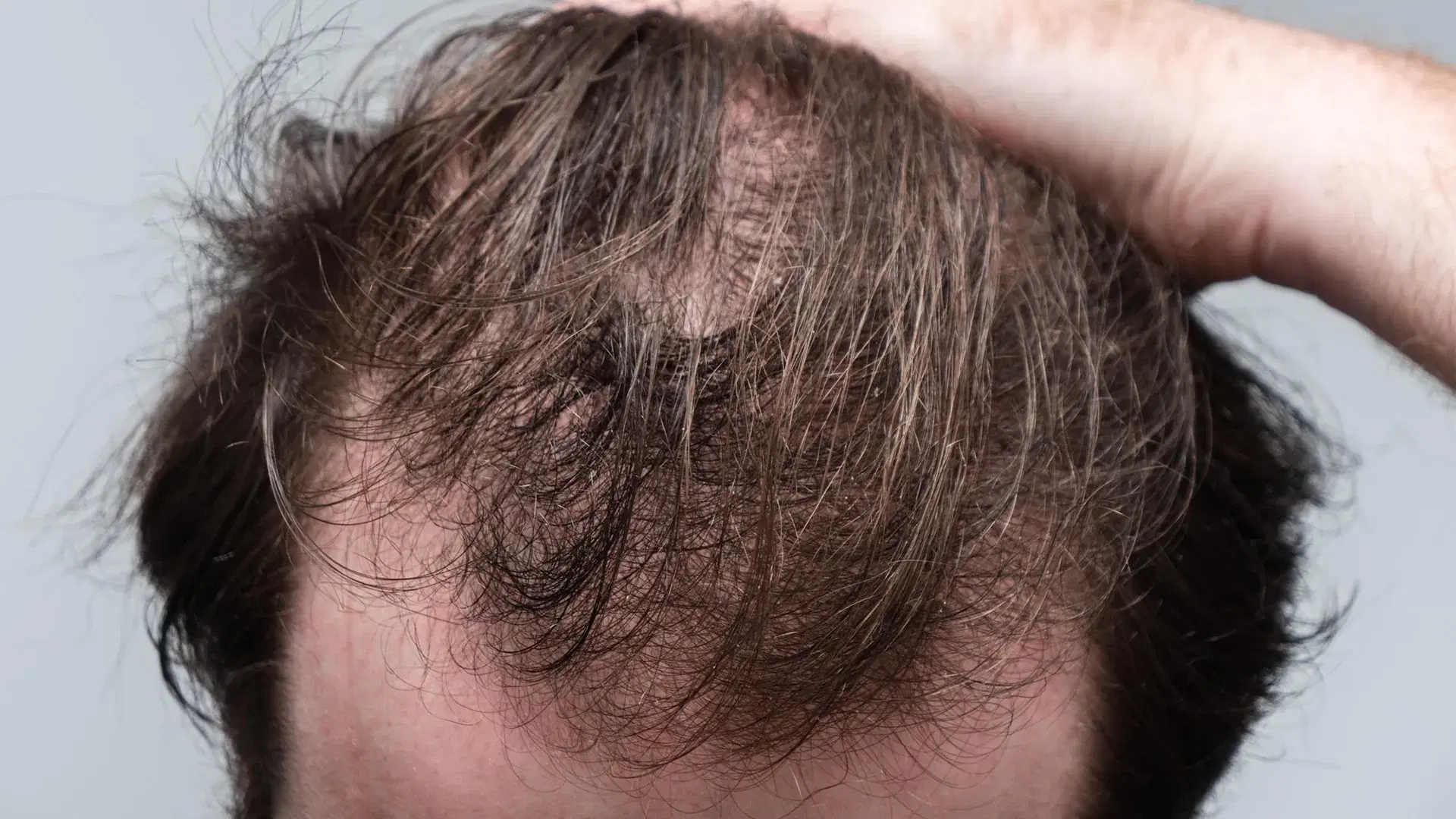
Telogen Effluvium is a form of temporary hair shedding that occurs when a larger number of hair follicles enter the telogen (resting) phase of the hair growth cycle simultaneously. As these hairs complete the resting phase, they shed more noticeably than usual, resulting in diffuse thinning across the scalp rather than isolated bald patches.

Although hair density may appear reduced, the follicles themselves typically remain healthy and capable of producing new hair. For this reason, Telogen Effluvium is generally considered a reversible condition once the underlying trigger is identified and addressed.

How the hair growth cycle works

How the hair growth cycle works

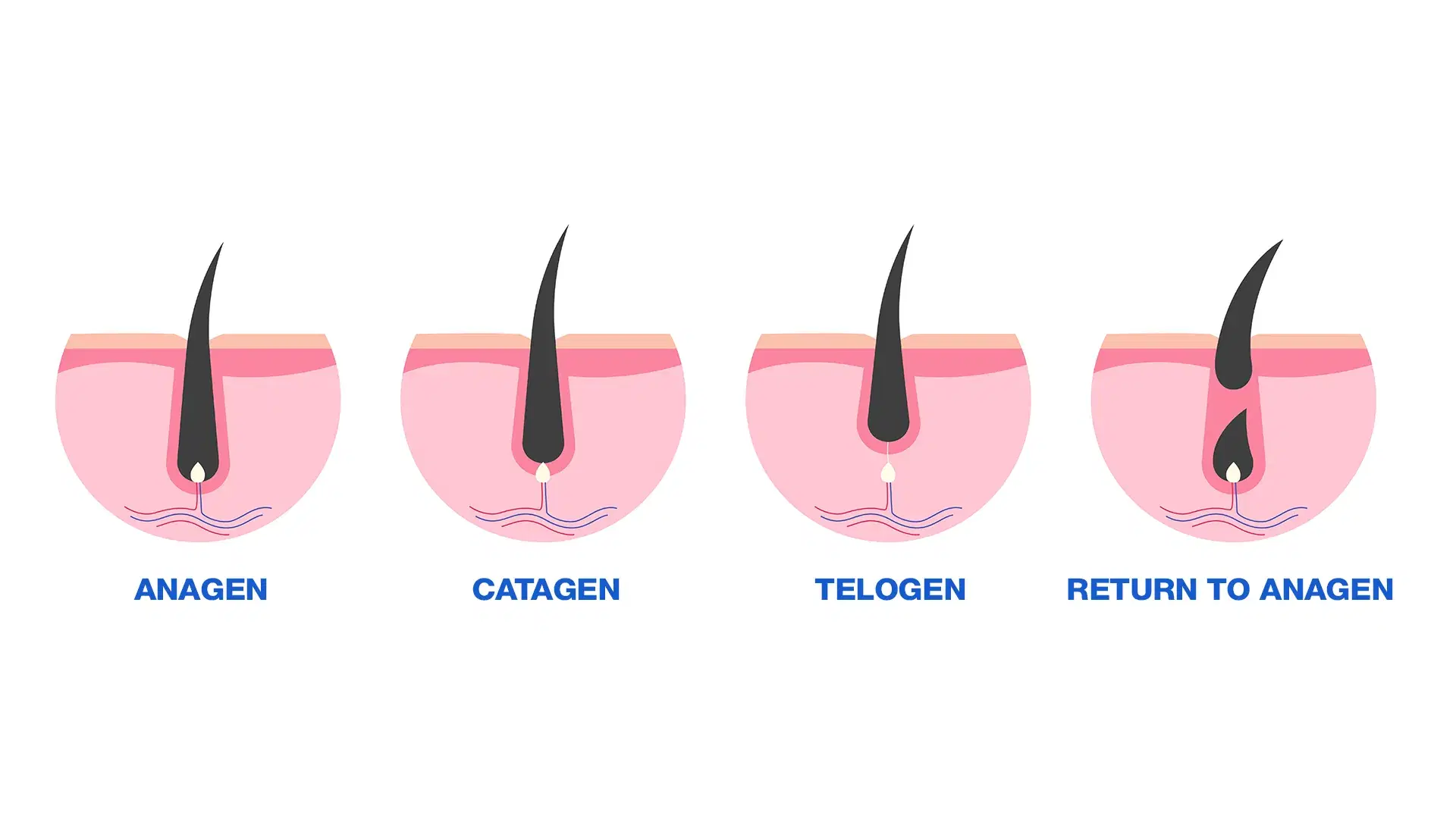
Understanding Telogen Effluvium begins with understanding the normal hair growth cycle, which consists of three main phases.

Anagen Phase

The anagen phase is the active growth stage of the hair cycle. During this period, hair follicles continuously produce new hair cells, allowing hair to grow in length. This phase typically lasts between two and six years, depending on genetic and individual factors. Under normal conditions, approximately 85% to 90% of scalp hairs are in the anagen phase.

Catagen Phase

The catagen phase is a brief transitional stage that marks the end of active hair growth. During this period, the follicle gradually shrinks and separates from its blood supply. Hair growth stops, and the follicle prepares to enter the resting phase. Catagen generally lasts a few weeks and involves only a small percentage of scalp hairs at any given time.

Telogen Phase

The telogen phase is the resting stage of the hair cycle. During this period, the hair remains within the follicle while new growth begins developing beneath it. This phase typically lasts two to three months, and around 5% to 10% of scalp hairs are normally in telogen.

In Telogen Effluvium, a significantly larger number of follicles shift into the telogen phase earlier than expected. As these resting hairs reach the shedding stage, increased hair fall and diffuse thinning may become noticeable. Although the shedding can appear dramatic, the follicles usually remain intact and capable of producing new hair growth once the underlying cause is resolved.

What triggers Telogen Effluvium?

What triggers Telogen Effluvium?

Telogen Effluvium is commonly triggered by physical or emotional stressors that disrupt the normal hair growth cycle. These events can cause a larger number of hair follicles to enter the telogen phase simultaneously, resulting in increased shedding several weeks later.

  • Major illness, surgery, infection, or high fever.

  • Hormonal changes associated with childbirth, menopause, or other endocrine shifts.

  • Rapid weight loss, restrictive diets, or inadequate nutritional intake.

  • Significant emotional stress or prolonged psychological strain.

  • Certain medications and medical treatments.

  • Thyroid disorders, iron deficiency, vitamin deficiencies, and other nutritional imbalances.

One characteristic feature of Telogen Effluvium is the delay between the triggering event and the onset of shedding. In many cases, increased hair loss becomes noticeable approximately two to three months after the underlying trigger occurs.

Recognizing the symptoms

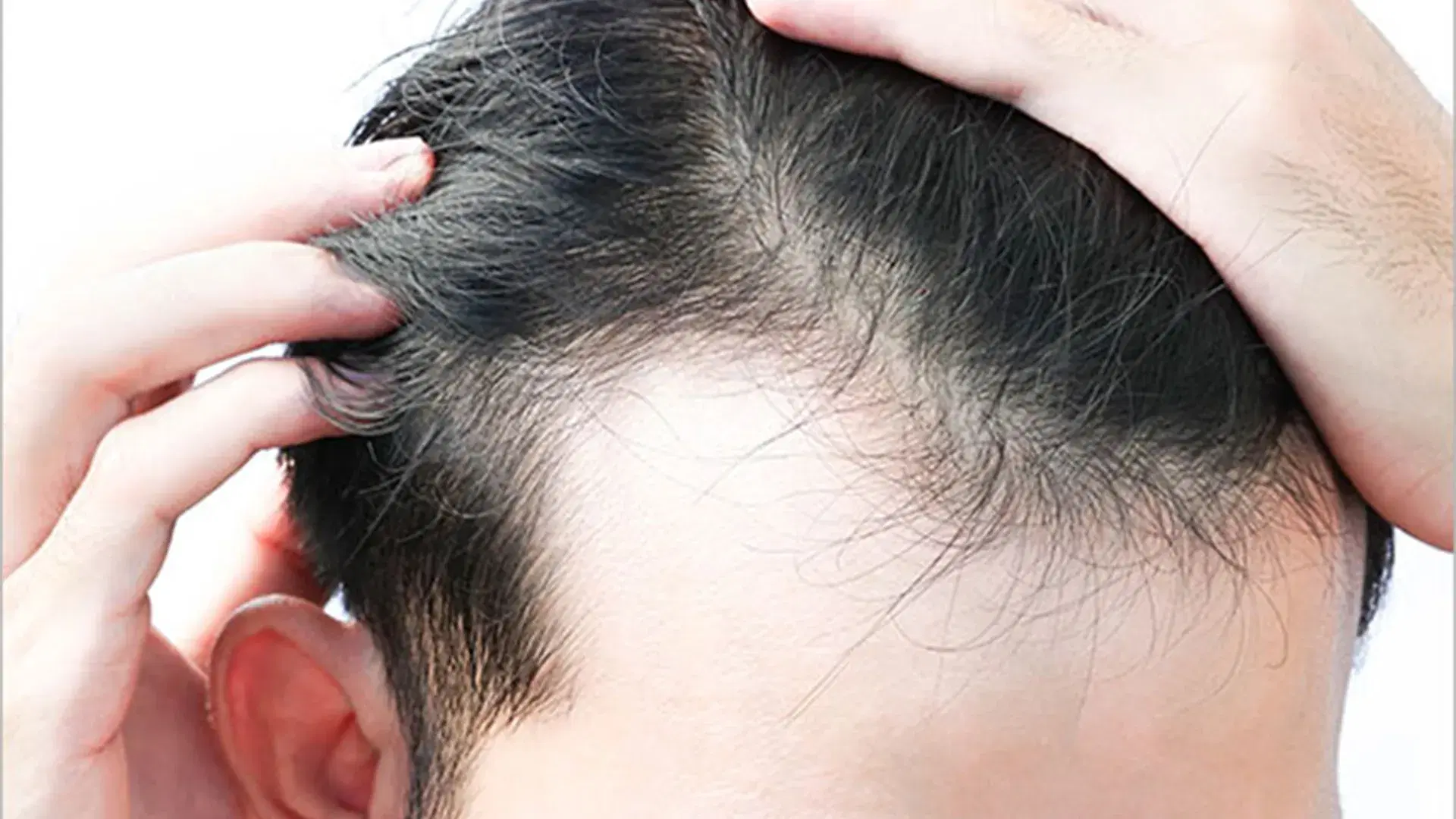
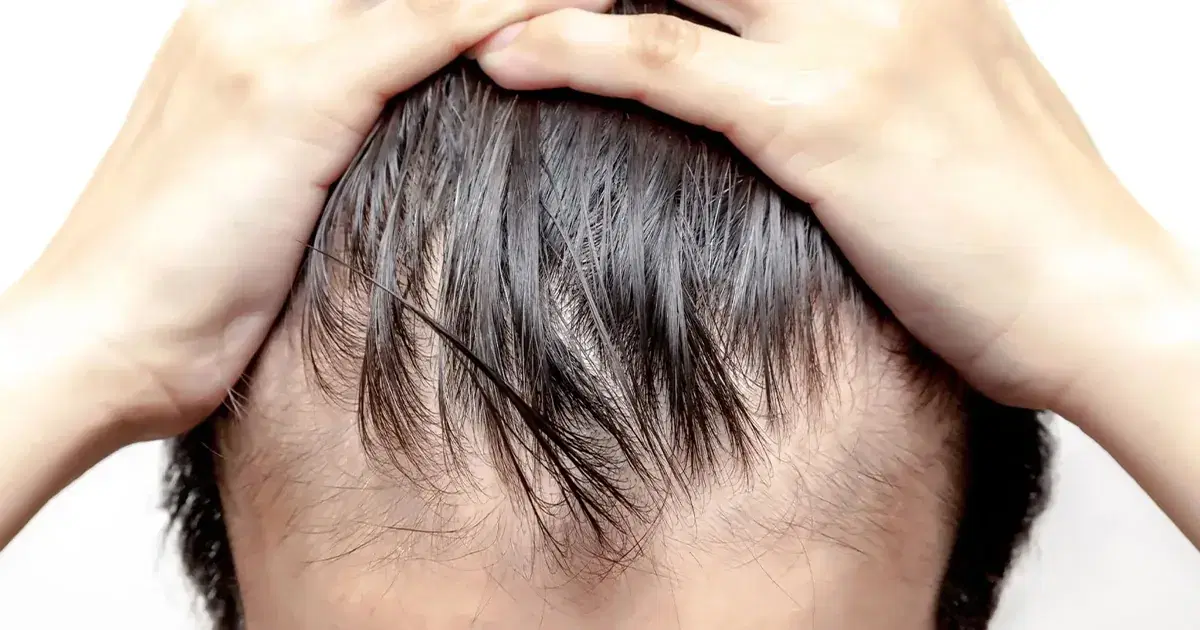
Telogen Effluvium typically causes diffuse hair shedding rather than distinct bald patches. Hair loss is usually distributed across the scalp, making the hair appear thinner overall rather than creating localized areas of complete hair loss.

Common signs and symptoms include:

  • Increased hair shedding during washing, brushing, or throughout the day.

  • Noticeable hair accumulation on pillows, clothing, or shower drains.

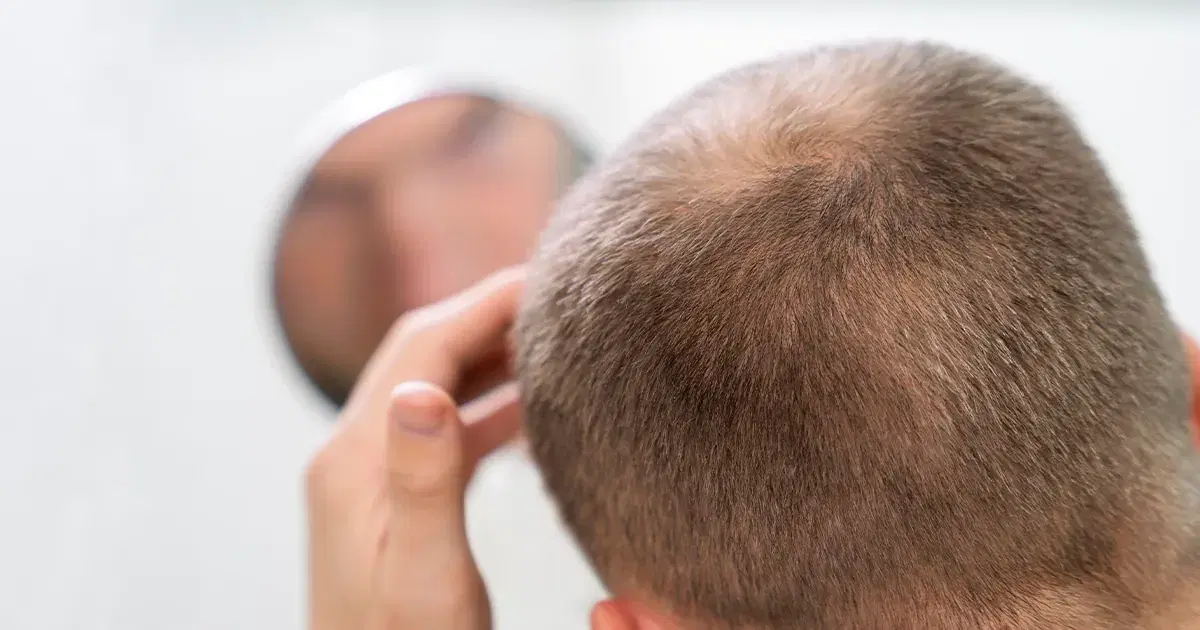
  • Diffuse thinning that is often more apparent on the top of the scalp.

  • Reduced hair volume and a thinner-feeling ponytail.

Unlike some forms of alopecia, Telogen Effluvium does not typically cause permanent damage to the hair follicles. Because the follicles remain intact, new hair growth is often possible once the underlying trigger has been addressed and the normal hair cycle begins to recover.

Acute vs. chronic Telogen Effluvium

Telogen Effluvium is generally classified into two main forms: acute and chronic. The distinction is primarily based on the duration of hair shedding and the nature of the underlying trigger.

Acute Telogen Effluvium

Acute Telogen Effluvium develops relatively suddenly and is often noticed two to three months after a significant physical or emotional stressor. Common triggers include illness, surgery, childbirth, rapid weight loss, severe infections, or periods of intense stress.

Hair shedding may become noticeably increased but typically lasts less than six months. Once the triggering factor has resolved, most follicles gradually return to their normal growth cycle, and hair regrowth often occurs without permanent follicle damage.

Chronic Telogen Effluvium

Chronic Telogen Effluvium is characterized by excessive shedding that persists for more than six months. Hair loss may fluctuate over time, with periods of improvement followed by recurring episodes of increased shedding.

This form is frequently associated with ongoing factors such as hormonal imbalances, nutritional deficiencies, thyroid disorders, chronic illness, or prolonged psychological stress.

Although hair follicles generally remain healthy and capable of producing new hair, identifying and addressing the underlying cause is often important for reducing ongoing shedding and supporting long-term hair recovery.

How Telogen Effluvium is diagnosed

Telogen Effluvium is usually diagnosed through a detailed medical history and a physical scalp examination. Doctors focus on recent events that may have disrupted the hair growth cycle, such as illness, stress, hormonal changes, or medication use.

A hair pull test is often performed by gently tugging small sections of hair to assess the amount of shedding. Losing more hairs than expected can support the diagnosis. Doctors also examine the scalp to rule out scarring, inflammation, or other types of hair loss.

In some cases, blood tests are recommended to identify underlying causes. These may include thyroid disorders, iron deficiency, anemia, or vitamin deficiencies. Identifying these issues helps guide proper treatment and recovery.

Scalp biopsies are rarely required but may be used when the diagnosis is unclear or when other hair loss conditions need to be excluded.

Treatment and recovery expectations

Treatment and recovery expectations

Treatment for Telogen Effluvium focuses on identifying and addressing the underlying trigger while supporting the hair’s natural recovery process. In many cases, shedding gradually decreases and new hair growth begins once the causative factor has been resolved.

Removing the Trigger

The first step is identifying and addressing the event or condition that initiated the shedding. This may involve recovery from illness, managing stress, adjusting medications under medical supervision, or allowing the body to recover from hormonal changes.

Managing Medical Conditions

Underlying health conditions such as thyroid disorders, iron deficiency anemia, hormonal imbalances, and other systemic illnesses should be properly evaluated and treated when present.

Improving Nutrition

Adequate intake of protein, iron, zinc, vitamin D, and other essential nutrients supports healthy follicle function and normal hair growth. Nutritional deficiencies may require dietary changes or supplementation when recommended by a healthcare professional.

Stress Management

Because physical and emotional stress can contribute to Telogen Effluvium, stress reduction strategies may help support recovery. Regular exercise, adequate sleep, relaxation techniques, and healthy lifestyle habits can contribute to a more balanced hair growth cycle.

Gentle Hair Care

Using mild hair care products and minimizing excessive heat styling, harsh chemical treatments, and tight hairstyles can help reduce additional stress on the hair during the recovery period.

Supporting Regrowth

In selected cases, treatments such as minoxidil may be considered to support hair regrowth. However, because Telogen Effluvium is often self-limiting, many individuals experience improvement without the need for long-term medical treatment once the underlying trigger has been corrected.

Typical timeline for hair regrowth

Most people notice improvement within 3 to 6 months, with hair density gradually returning. Full recovery can take up to a year, depending on the severity and the trigger. Chronic cases may require ongoing management and lifestyle adjustments.

Preventing future episodes

Although Telogen Effluvium cannot always be prevented, certain lifestyle habits may help reduce the likelihood of excessive shedding and support a healthy hair growth cycle.

  • Maintain a balanced diet that provides adequate protein, iron, zinc, and essential vitamins.

  • Avoid extreme dieting, rapid weight loss, and prolonged nutritional restriction.

  • Manage stress through healthy sleep habits, regular physical activity, and relaxation techniques.

  • Follow appropriate medical care if you have thyroid disorders, hormonal imbalances, or other chronic health conditions.

  • Seek medical evaluation for persistent fatigue, unexplained hair shedding, or symptoms that may suggest an underlying deficiency or health concern.

While prevention is not always possible, maintaining overall physical and emotional well-being may help support normal hair cycling and reduce the risk of stress-related hair shedding.

When to seek medical help

If shedding lasts longer than six months, if you notice bald patches, or if you have other symptoms such as fatigue or unexplained weight changes, consult a healthcare professional. These could point to another condition or an ongoing trigger that needs treatment.

Telogen Effluvium vs. other hair loss conditions

Telogen Effluvium vs. other hair loss conditions

It is important to distinguish Telogen Effluvium from other forms of hair loss because the underlying causes, treatment approaches, and long-term outcomes can differ considerably.

Androgenetic Alopecia

Also known as pattern baldness, androgenetic alopecia is a hereditary condition characterized by progressive follicle miniaturization. Men often develop a receding hairline and crown thinning, while women typically experience diffuse thinning across the top of the scalp. Unlike Telogen Effluvium, this condition generally progresses over time without treatment.

Alopecia Areata

Alopecia areata is an autoimmune disorder in which the immune system mistakenly targets hair follicles. It commonly causes sudden, well-defined patches of hair loss on the scalp, beard, or other body areas. The pattern of hair loss is usually localized rather than diffuse.

Scarring Alopecias

Scarring alopecias are a group of disorders that cause permanent damage to hair follicles through inflammation and tissue destruction. Once follicles are replaced by scar tissue, hair regrowth is generally not possible. Early diagnosis and treatment are important to help prevent further follicle loss.

Telogen Effluvium

Unlike these other forms of hair loss, Telogen Effluvium typically causes widespread shedding across the scalp rather than patterned thinning or isolated bald patches. The hair follicles remain intact and capable of producing new hair, which is why regrowth commonly occurs after the underlying trigger has been identified and addressed.

Summery

Telogen Effluvium can be distressing, but it is almost always temporary. By understanding the triggers, recognizing the symptoms, and giving your body time to heal, you can support healthy regrowth. If shedding persists or worsens, professional evaluation ensures that other causes are not overlooked and that you get the right treatment plan.

Start Your Personalized Hair Treatment Journey

Book a consultation and discover the most effective hair transplant or therapy option tailored to your hair needs and expectations.