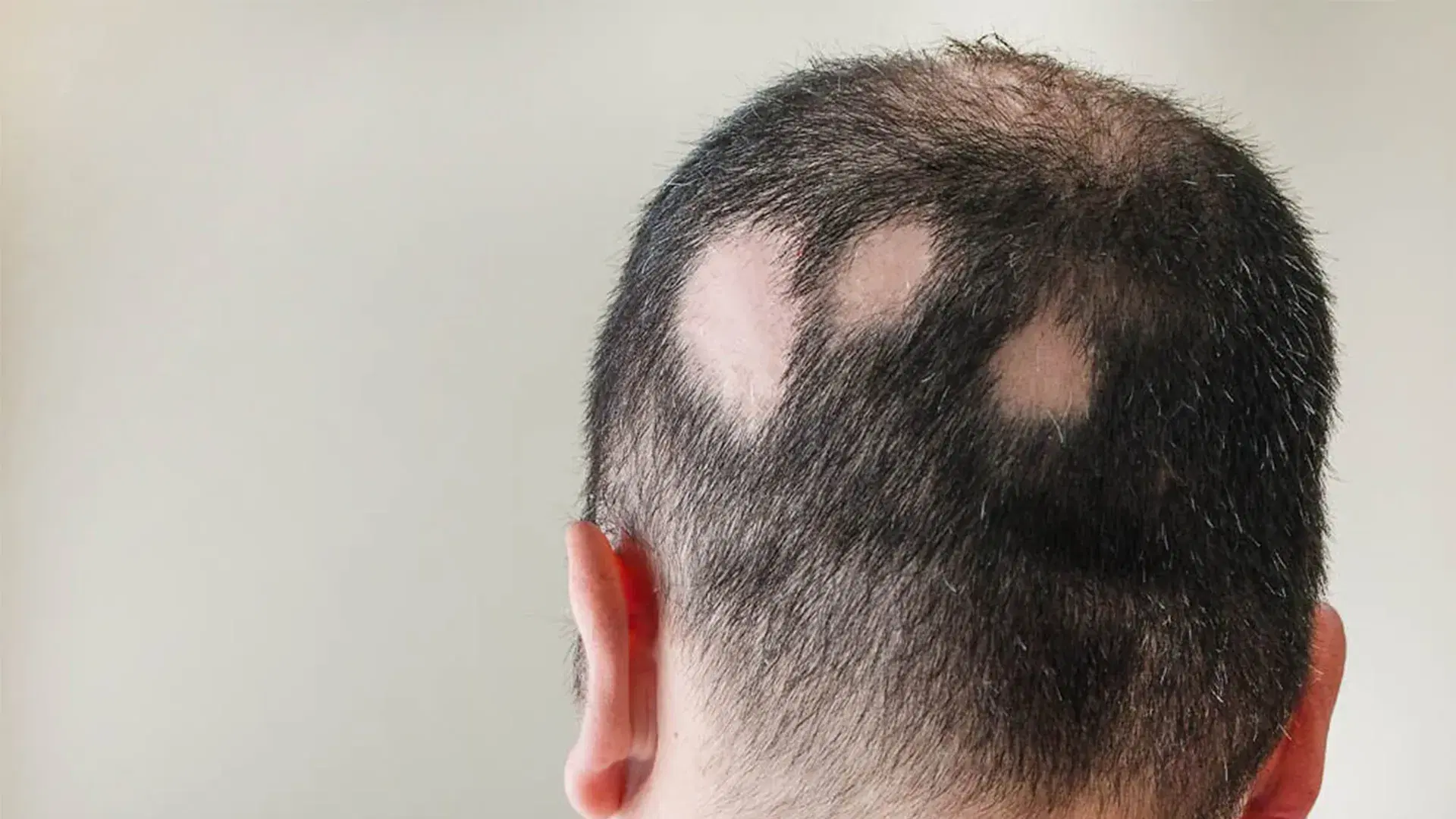
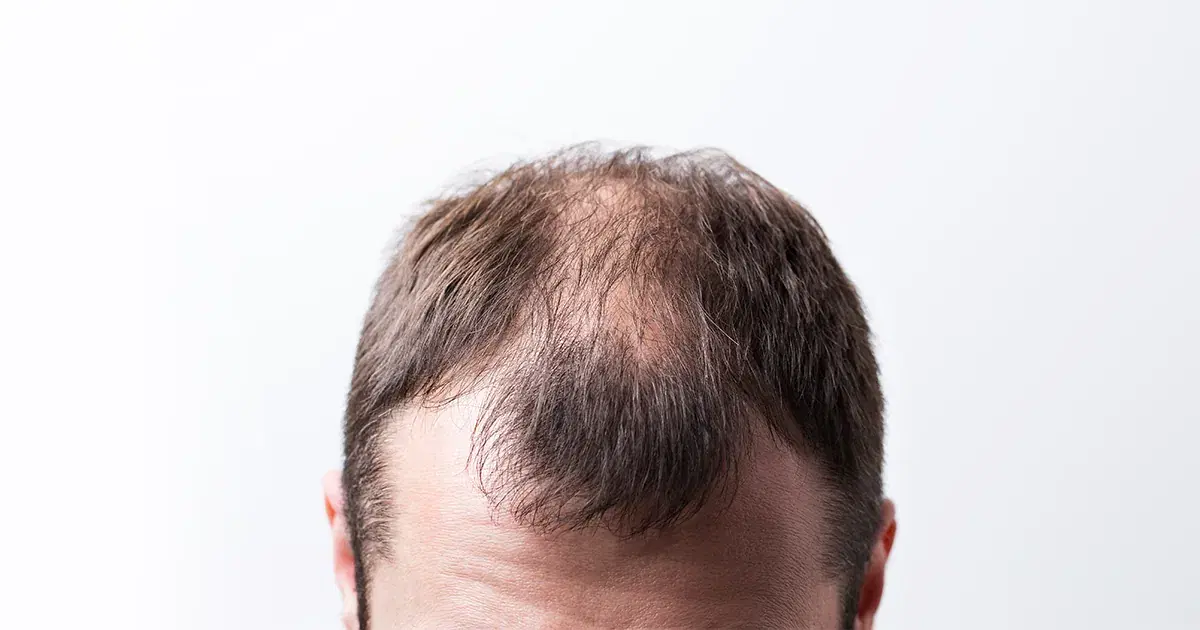
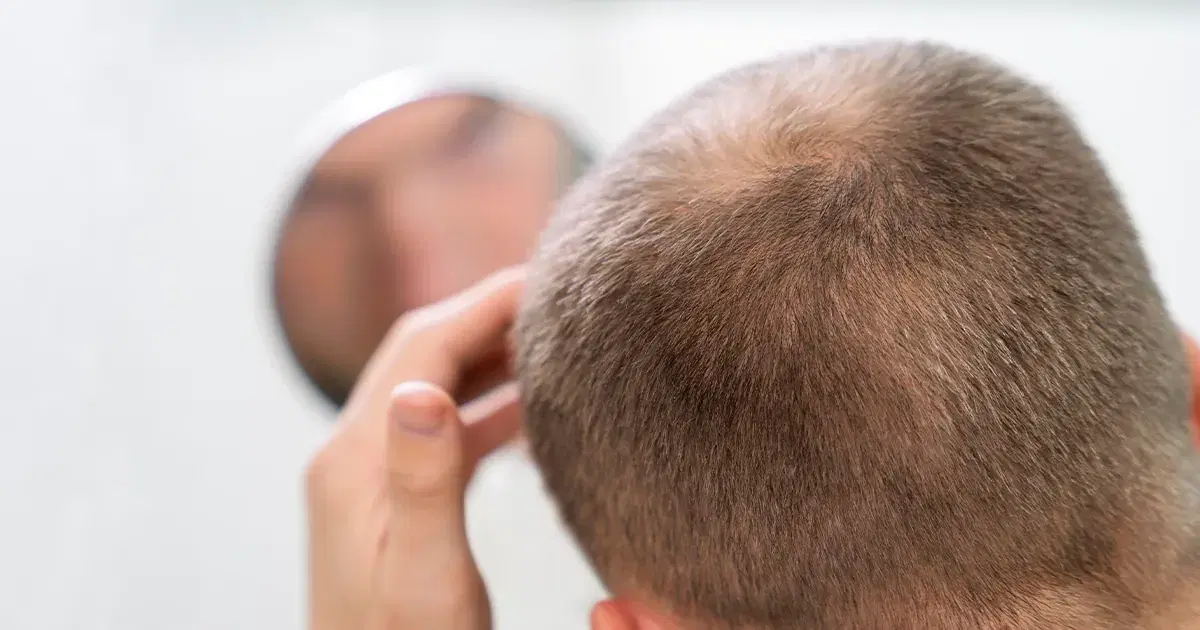
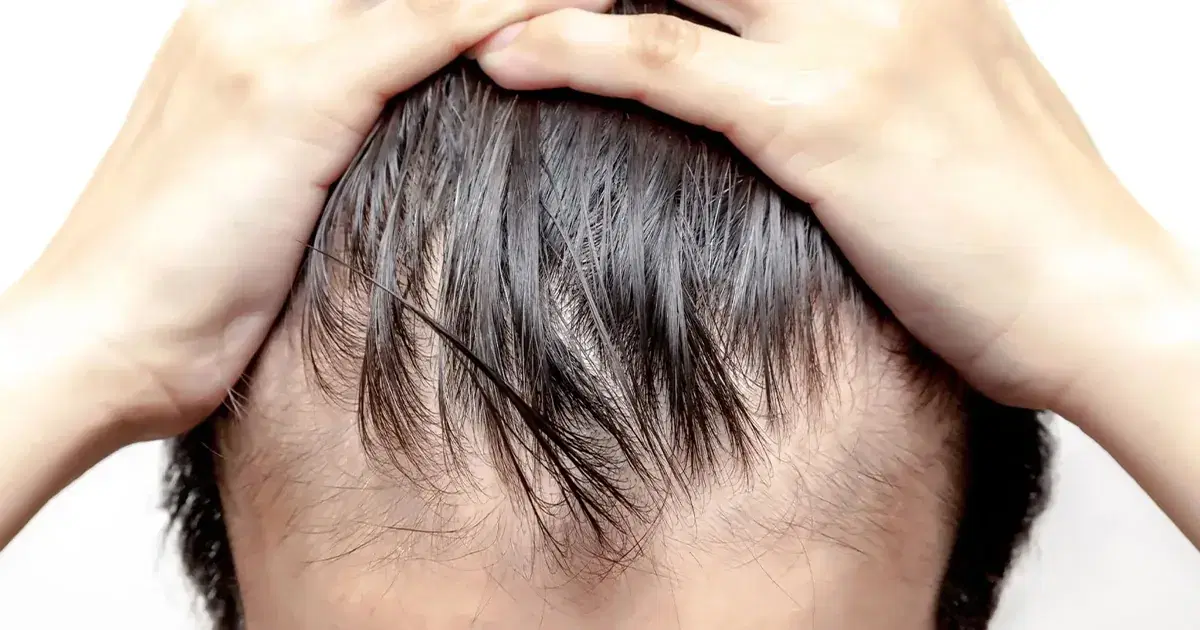
There is no permanent cure for this condition, but the right treatment plan can slow flare-ups and support hair regrowth. Most approaches focus on calming the immune response, reactivating hair follicles, and improving overall scalp health. Results vary from person to person, so treatment is often personalized.
Topical Corticosteroids
Topical corticosteroids are commonly prescribed to reduce inflammation around the hair follicles. By suppressing overactive immune cells, these treatments help create a calmer environment for hair to regrow. They are usually applied directly to affected areas and monitored closely to avoid long-term side effects.
Minoxidil for Hair Regrowth
Minoxidil is used to stimulate blood flow and prolong the hair growth phase. While it does not treat the immune cause directly, it can speed up regrowth once follicles become active again. Consistent use is key, and results are gradual rather than immediate. Learn more about Minoxidil.
Topical Immunotherapy
Topical immunotherapy works by intentionally creating a mild allergic reaction on the scalp. This reaction helps redirect the immune system away from attacking hair follicles. It is typically used in more extensive cases and must be applied under medical supervision for safety and effectiveness.
PRP Therapy for Immune-Related Hair Loss
PRP therapy uses a patient’s own blood plasma to deliver growth factors directly to the scalp. These growth factors may help repair tissue, reduce inflammation, and stimulate dormant follicles. Clinical use has shown promising results for some patients. See: PRP Hair Treatment
Lifestyle and Long-Term Support
Daily habits play a bigger role than many people realize. Managing stress, improving sleep quality, and maintaining a balanced diet support immune balance and scalp health. While lifestyle changes alone cannot stop flare-ups, they can improve treatment response and reduce recurrence over time.