
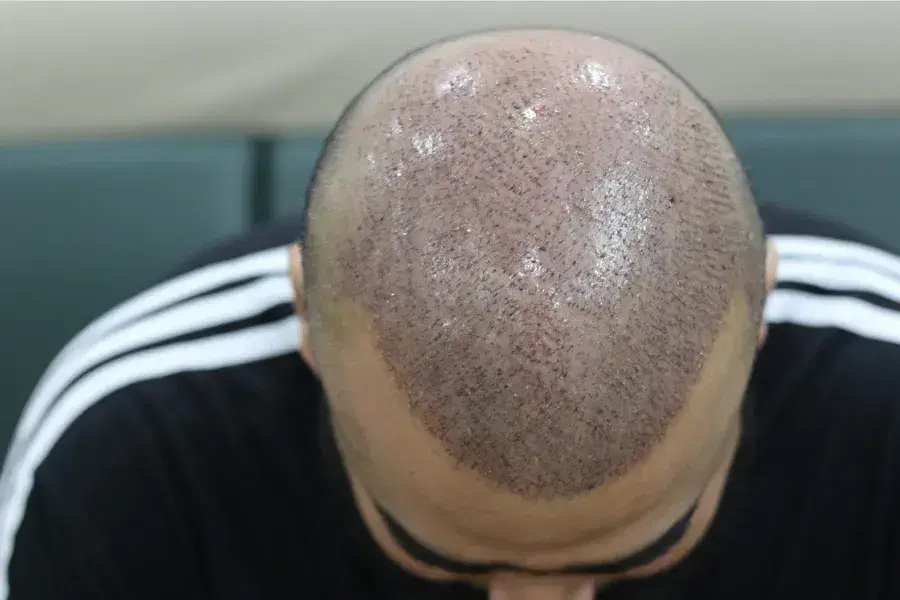
A bad hair transplant occurs when the procedure produces unnatural, uneven, or unsatisfactory results due to poor planning, improper technique, or inadequate aftercare. While modern hair transplantation can deliver excellent outcomes, choosing an inexperienced clinic or surgeon can increase the risk of complications and disappointing results.
Signs of a Bad Hair Transplant
The signs of a bad hair transplant often become visible when the results look unnatural, lack density, or fail to blend with the patient’s existing hair. While some concerns may be temporary during the healing phase, certain issues can indicate that the procedure was poorly planned or performed.
Unnatural Hairline: One of the most common signs of a bad hair transplant is an artificial-looking hairline. A hairline that is too straight, too low, or improperly designed can appear unnatural and draw attention to the procedure.
Poor Hair Density: If transplanted hair grows sparsely or leaves noticeable gaps, the result may lack the fullness patients expect. Uneven distribution of grafts can create a patchy appearance.
Incorrect Hair Direction: Hair follicles must be implanted at the correct angle and direction to match natural hair growth. Poor placement can cause hair to grow in unnatural patterns, making styling difficult and reducing the overall aesthetic result.
Visible Scarring: While some scarring is normal after hair transplantation, excessive or highly visible scars may indicate poor surgical technique. This can be particularly noticeable in the donor area.
Overharvested Donor Area: Removing too many grafts from the donor region can leave visible thinning, patchiness, or an uneven appearance at the back or sides of the scalp.
Poor Graft Survival: A high number of failed grafts can lead to disappointing growth and limited coverage. This may occur if follicles are damaged during extraction, handling, or implantation.
Plug-Like Appearance: Older or poorly executed hair transplants may produce a "pluggy" look, where grafts appear clustered and unnatural instead of blending seamlessly with surrounding hair.
Persistent Redness or Healing Problems: While temporary redness is common after surgery, prolonged inflammation, unusual scarring, or delayed healing may indicate complications that require medical evaluation.
What Does a Bad Hair Transplant Look Like?
A bad hair transplant usually looks unnatural and fails to blend seamlessly with the patient's existing hair. The most obvious sign is often an artificial hairline that appears too straight, too low, or poorly designed for the individual's age and facial structure. Instead of mimicking natural hair growth, the hairline may look harsh and easily recognizable as a hair transplant.
Another common issue is uneven density. Some areas may appear thick while others remain sparse, creating a patchy appearance. In certain cases, transplanted hair grows in the wrong direction or at unnatural angles, making styling difficult and causing the result to look less realistic.
A poorly performed procedure can also affect the donor area. When too many grafts are removed, the back or sides of the scalp may appear thin, patchy, or overharvested. Visible scarring may also be present, particularly if the extraction process was not performed carefully.
Low graft survival is another sign of a bad hair transplant. If a significant number of transplanted follicles fail to grow, the final result may lack coverage and density. Patients may be left with noticeable gaps that do not provide the appearance of a fuller head of hair.
What Causes a Bad Hair Transplant?
A bad hair transplant is usually the result of poor planning, inadequate surgical technique, or unrealistic treatment goals. While modern hair transplant procedures can produce highly natural results, mistakes made before, during, or after the procedure can negatively affect the outcome.
One of the most common causes is choosing an inexperienced surgeon or clinic. Hair transplantation requires both medical expertise and artistic judgment. If grafts are extracted, handled, or implanted incorrectly, the transplanted hair may grow unevenly or fail to survive altogether.
Poor hairline design is another major factor. A hairline that is too low, too straight, or inappropriate for the patient's age and facial structure can create an unnatural appearance that is difficult to correct later. Effective hair restoration requires long-term planning that takes future hair loss into account.
Overharvesting the donor area can also lead to poor results. Removing too many grafts may leave visible thinning, patchiness, or scarring at the back and sides of the scalp. This not only affects appearance but can also limit options for future procedures.
Can a Bad Hair Transplant Be Fixed?
Yes, a bad hair transplant can often be fixed, although the approach depends on the specific problems and the condition of the donor area. Modern corrective hair transplant procedures can improve unnatural results, increase density, repair visible scars, and create a more natural-looking appearance.
Many patients seek corrective treatment because of issues such as an unnatural hairline, patchy growth, poor density, visible scarring, or incorrectly angled grafts. In these cases, an experienced hair transplant surgeon can evaluate the existing result and develop a personalized correction plan.
Corrective procedures may involve adding new grafts to improve density, redesigning the hairline, or redistributing hair to create a more natural pattern. In some situations, poorly placed grafts can be removed or repositioned to improve the overall appearance. If donor area scarring or overharvesting is present, additional techniques may be used to camouflage these concerns.
The success of a repair procedure depends largely on the amount and quality of remaining donor hair. This is why a thorough consultation is essential before planning corrective treatment. Patients who have undergone multiple procedures may have more limited donor resources, making strategic planning especially important.
How to Avoid a Bad Hair Transplant?
The best way to avoid a bad hair transplant is to choose an experienced surgeon and a reputable clinic that prioritizes quality over volume. A successful hair transplant requires careful planning, technical expertise, and a natural approach to hairline design.
Before committing to a procedure, research the clinic thoroughly. Look for genuine before-and-after photos, patient reviews, and evidence of consistent results. It is also important to find out who will perform the procedure. In some clinics, key parts of the treatment may be delegated to technicians rather than being carried out by the surgeon.
A detailed consultation is another essential step. During this assessment, the surgeon should evaluate your hair loss pattern, donor hair quality, scalp condition, and long-term goals. A personalized treatment plan is often a sign that the clinic focuses on achieving natural and sustainable results.
Patients should also be cautious of clinics that make unrealistic promises. Guarantees of extremely high graft counts, instant results, or unusually low prices can be warning signs. Hair transplantation is a medical procedure, and quality outcomes depend on careful graft management rather than simply transplanting as many follicles as possible.
Why Do Bad Hair Transplants Happen?
Bad hair transplants happen when important aspects of the procedure are poorly planned or incorrectly performed. Although hair transplantation has advanced significantly over the years, unsatisfactory results can still occur when experience, technique, and long-term planning are lacking.
One of the most common reasons is the use of inexperienced practitioners. Hair transplantation is both a medical and artistic procedure that requires precise graft extraction, careful handling, and natural placement. Mistakes during any stage can lead to unnatural results or poor hair growth.
Poor hairline design is another major cause. A hairline that does not match a patient's age, facial structure, or future hair loss pattern can look artificial and become more noticeable over time. Effective hair restoration requires a long-term approach rather than focusing only on immediate cosmetic improvement.
Bad hair transplants can also occur when too many grafts are taken from the donor area. Overharvesting may leave visible thinning, patchiness, or scarring at the back and sides of the scalp. In addition to affecting appearance, it can limit options for future corrective procedures.