Esthetic Hair Logo header svg
Hair Transplant for HIV Positive Patients
Badge Icon

intro

Hair Transplant for HIV Positive Patients

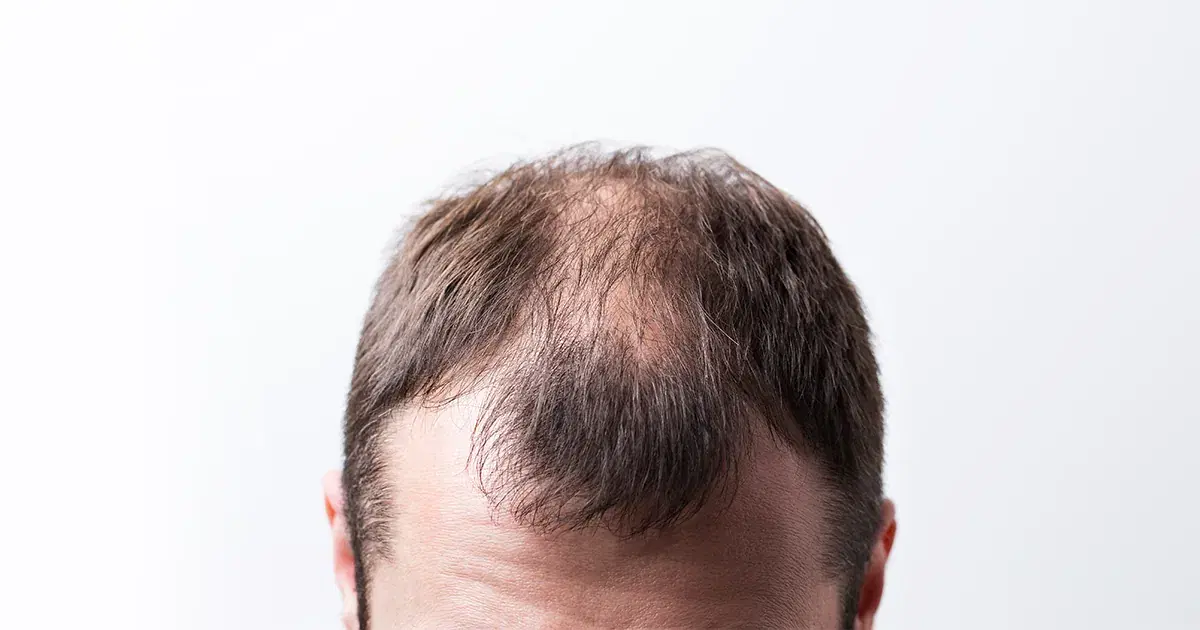
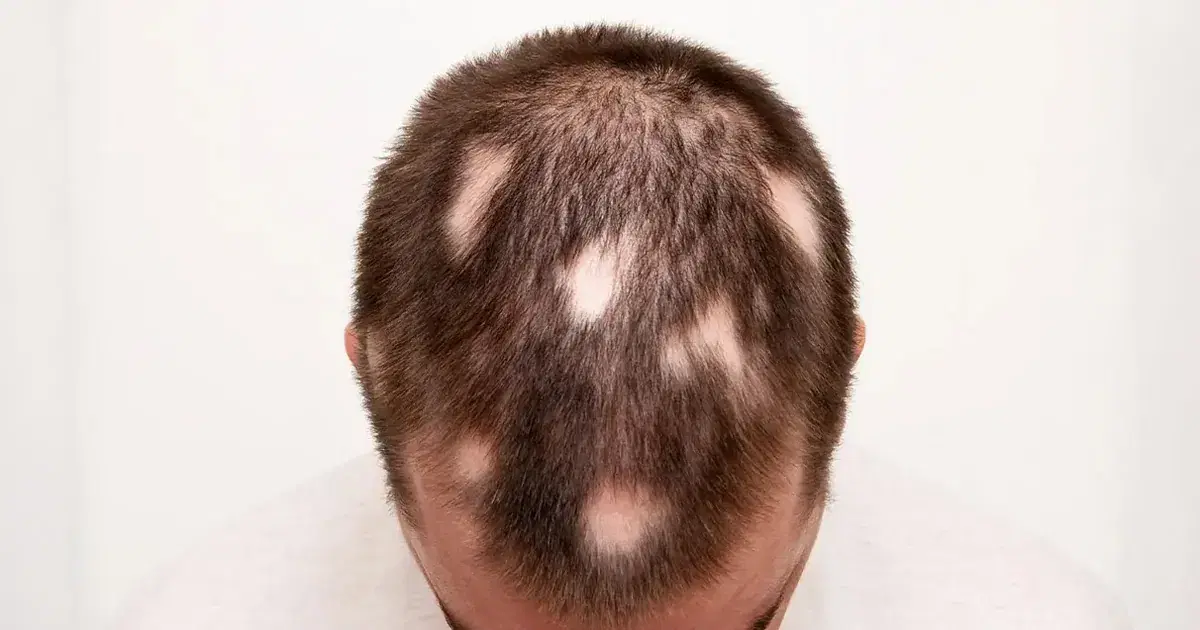
If you’re HIV positive and struggling with hair loss, you might be wondering if a hair transplant is possible. The good news is that many clinics do perform hair transplants for HIV positive patients. However, not every hair transplant clinic is equipped for it, and there are important safety protocols to consider before booking your surgery.

Share

Start Your Personalized Hair Treatment Journey

Book a consultation and discover the most effective hair transplant or therapy option tailored to your hair needs and expectations.

Can HIV Positive Patients Get a Hair Transplant?


Yes, HIV positive patients can get a hair transplant, but the procedure requires special precautions. A reputable hair transplant clinic will need to confirm that your viral load is under control and that your immune system is stable enough to heal properly after the surgery.

Why Not Every Hair Transplant Clinic Accepts HIV Patients


Hair transplant procedures for HIV positive patients require strict sterilization protocols. Not all clinics have the equipment, training, or certification to handle these cases safely. Some clinics may decline patients due to lack of facilities, while others specialize in these procedures and can ensure maximum safety for both patients and staff.

What Clinics Consider Before Approving Surgery

What Clinics Consider Before Approving Surgery


Before moving forward, a hair transplant clinic will usually ask for:

  • Recent medical reports confirming your HIV status and viral load

  • A letter from your doctor confirming overall health stability

  • Details about current medications, especially antiretroviral therapy (ART)

  • Blood tests to confirm safe levels for surgery

This careful evaluation protects both the patient and the medical team.

Benefits of Hair Transplant for HIV Positive Patients

Benefits of Hair Transplant for HIV Positive Patients


For HIV positive patients with a stable health condition, a hair transplant can be a safe and meaningful option when performed in a properly equipped clinic. The focus is not dramatic change, but restoring hair in a medically responsible way that supports quality of life.


Restored Hair in Affected Areas

Hair transplantation can restore hair in areas affected by genetic hair loss or scarring using the patient’s own healthy follicles. When medical criteria are met, the transplanted hair grows naturally and remains permanent.


Improved Confidence and Emotional Wellbeing

Hair loss can impact self-image, especially for patients managing a long-term condition. Regaining hair often helps patients feel more comfortable with their appearance and more confident in social and professional settings.


Natural Results With Proper Planning

A conservative hairline design and correct graft placement help achieve natural-looking results. The goal is balanced coverage that fits the patient’s age, hair characteristics, and overall health.


Safe Procedure Under Strict Medical Protocols

When viral load is controlled and pre-operative evaluation is done carefully, hair transplantation can be performed safely. Experienced clinics follow enhanced infection control standards and coordinate medical care before and after the procedure.

Choosing the Right Hair Transplant Clinic

Choosing the Right Hair Transplant Clinic

For HIV positive patients, choosing the right hair transplant clinic is especially important. Safety, medical experience, and transparency matter more than marketing promises. The clinic should be able to manage the procedure responsibly while providing realistic expectations.


Experience With HIV Positive Patients

The clinic should have proven experience treating HIV positive patients. This includes understanding medical history, coordinating with existing treatments, and following protocols that protect both patient and medical staff.


Advanced Safety and Infection Control Protocols

Surgeons and medical teams must be trained in enhanced safety procedures. Proper sterilization, controlled surgical environments, and strict compliance with international medical standards are essential.


Clear and Honest Communication

A reliable clinic communicates openly about potential risks, recovery timelines, and expected outcomes. Patients should feel comfortable asking questions and receiving clear, honest answers before committing to the procedure.


Structured Aftercare and Follow-Up Support

Post-operative care plays a key role in long-term results. Clinics should provide clear aftercare instructions, ongoing follow-up, and medical support throughout the healing and regrowth process.

summery

A hair transplant for HIV positive patients is absolutely possible, but it requires choosing a clinic that understands the unique medical needs involved. With the right medical clearance, proper safety standards, and experienced surgeons, patients can enjoy natural, long-lasting results.

If you’re HIV positive and considering a hair transplant, take your time to find a trustworthy clinic that specializes in these procedures. The right choice can give you both peace of mind and the confidence of a restored hairline.

Start Your Personalized Hair Treatment Journey

Book a consultation and discover the most effective hair transplant or therapy option tailored to your hair needs and expectations.