Esthetic Hair Logo header svg
Minoxidil for Hair Loss: Does It Really Work?
Badge Icon

intro

Minoxidil for Hair Loss: Does It Really Work?

Minoxidil for hair loss is one of the most widely used treatments for thinning hair in both men and women. Originally developed as a blood pressure medication, it later gained attention for its ability to stimulate hair growth. Today, millions of people rely on minoxidil to slow shedding, strengthen weak follicles, and improve hair density.

However, many still wonder how effective it really is, how long it takes to see results, and whether it works for advanced baldness. In this guide, you will learn how minoxidil works, who can benefit from it, how to use it correctly, and what kind of results you can realistically expect.

Share

Start Your Personalized Hair Treatment Journey

Book a consultation and discover the most effective hair transplant or therapy option tailored to your hair needs and expectations.

What Is Minoxidil?

What Is Minoxidil?

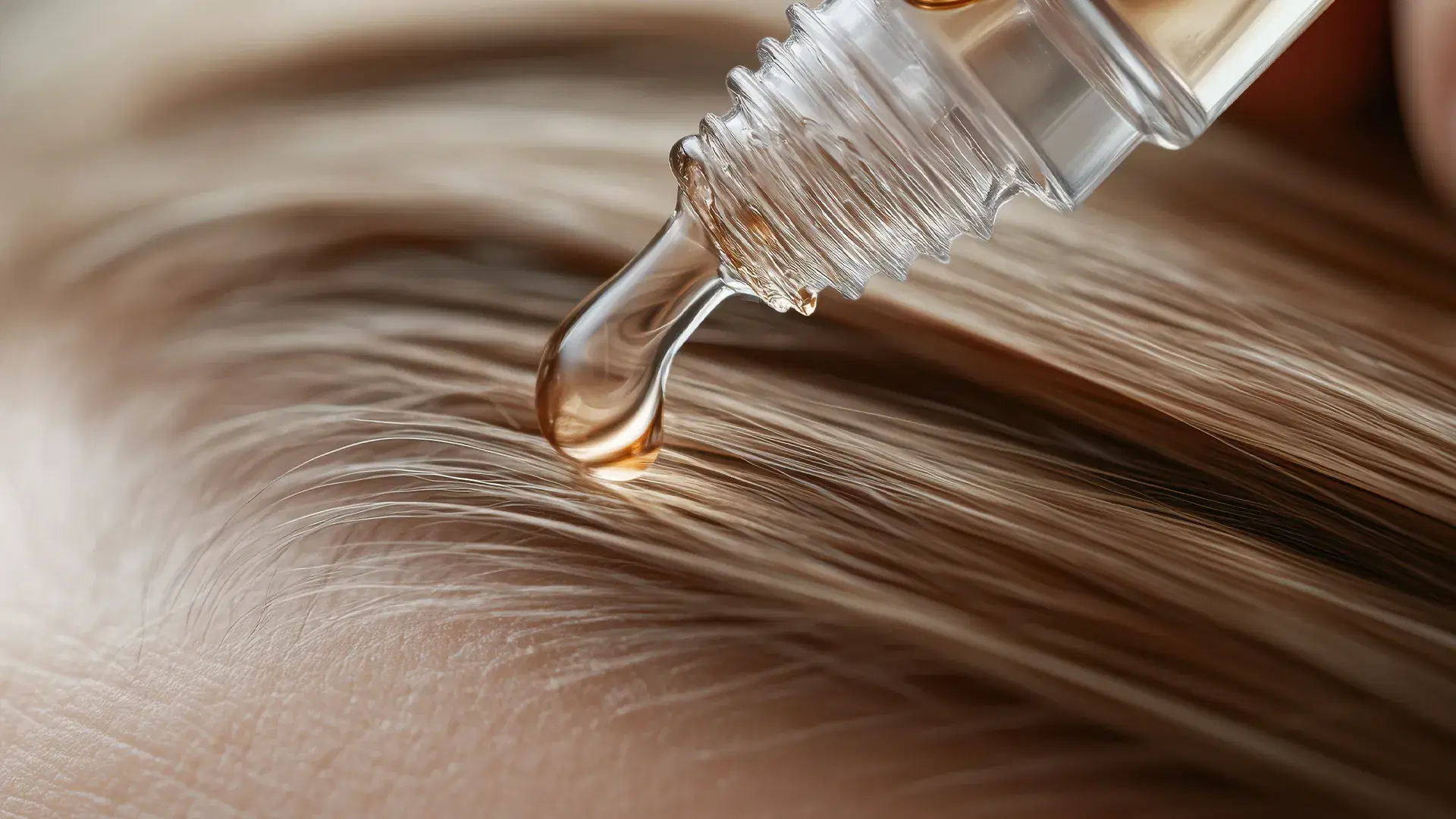
Minoxidil is a topical medication widely used to treat hair loss. Doctors originally developed it to control high blood pressure. However, patients who used it noticed unexpected hair growth. Because of this discovery, researchers reformulated it as a scalp treatment.

Today, minoxidil remains one of the most trusted non surgical solutions for pattern hair loss. Both men and women use it to slow shedding and stimulate regrowth. Since it is available over the counter, many people start treatment without needing a prescription.


Why Was Minoxidil Originally Developed?

Pharmaceutical companies first created minoxidil as an oral medication for hypertension. During clinical trials, doctors observed increased hair growth in many patients. As a result, scientists began testing it as a topical solution.

Eventually, topical minoxidil proved effective for stimulating hair follicles directly on the scalp. Therefore, it became an approved treatment for androgenetic alopecia.

What Forms of Minoxidil Are Available?

What Forms of Minoxidil Are Available?

Minoxidil comes in different strengths and formulations. The most common options include 2 percent and 5 percent solutions. In addition, manufacturers produce foam versions that many users find easier to apply.

While both strengths promote hair growth, the 5 percent formula generally delivers stronger results. However, some individuals with sensitive skin may tolerate the 2 percent version better.

How Minoxidil Works for Hair Growth

How Minoxidil Works for Hair Growth

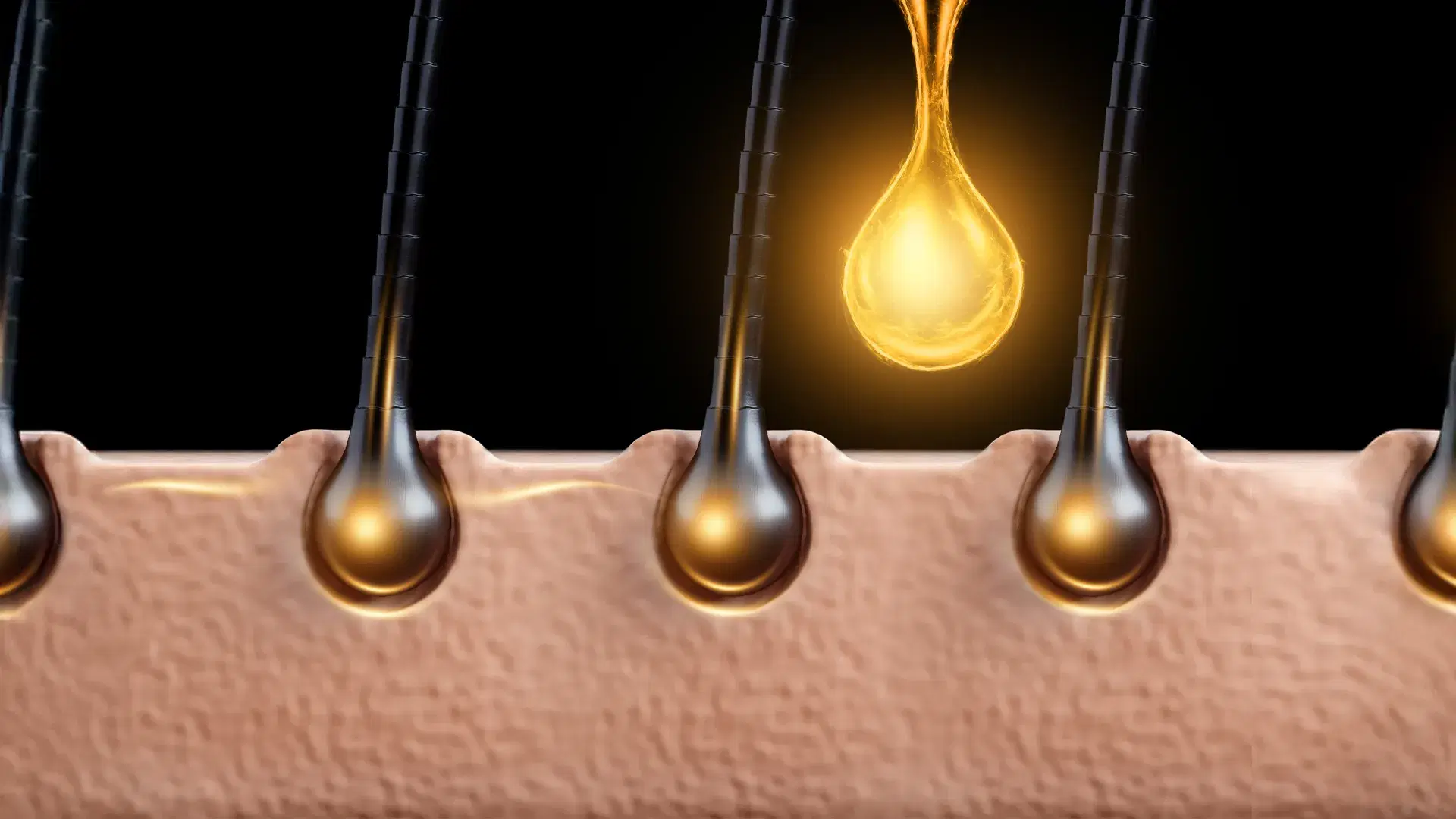
Minoxidil stimulates hair follicles and improves scalp circulation. As blood flow increases, follicles receive more oxygen and nutrients. Consequently, weak follicles gain the support they need to grow thicker strands.

Although researchers still study its exact mechanism, consistent use clearly benefits many patients experiencing early stage hair loss.


How Minoxidil Affects the Hair Growth Cycle

Hair grows in cycles that include the anagen, catagen and telogen phases. In cases of pattern baldness, the growth phase shortens over time. As a result, hair becomes thinner and weaker.

Minoxidil helps extend the anagen phase. At the same time, it encourages dormant follicles in the telogen phase to re enter active growth. Therefore, users often notice gradual thickening after several months.

Does Minoxidil Regrow Completely Bald Areas?

Minoxidil works best when follicles are still alive. If an area has been completely bald for many years, follicles may no longer function. In such cases, regrowth becomes unlikely.

However, individuals with thinning hair or early crown balding often respond well. For this reason, starting treatment early significantly improves the chances of visible success.

Who Should Use Minoxidil?

Who Should Use Minoxidil?

Minoxidil suits both men and women with pattern hair loss. Nevertheless, it does not treat every type of hair shedding. Understanding who benefits most helps set realistic expectations.


Minoxidil for Male Pattern Baldness

Men experiencing receding hairlines or crown thinning frequently use minoxidil. It especially targets vertex hair loss. Moreover, younger men typically see better results because their follicles remain more active.

Consistency plays a major role. When men apply the solution twice daily, they often maintain existing hair and stimulate moderate regrowth.


Minoxidil for Female Hair Thinning

Women commonly experience diffuse thinning along the part line. In these cases, minoxidil can improve density and reduce visible scalp exposure.

Doctors usually recommend the 5 percent foam once daily for women. Since hormonal hair loss progresses gradually, early treatment often produces noticeable improvement within several months.


How to Use Minoxidil Correctly

Proper application directly impacts results. Many users fail to see improvement because they apply it incorrectly or stop too soon.


Step by Step Application Guide

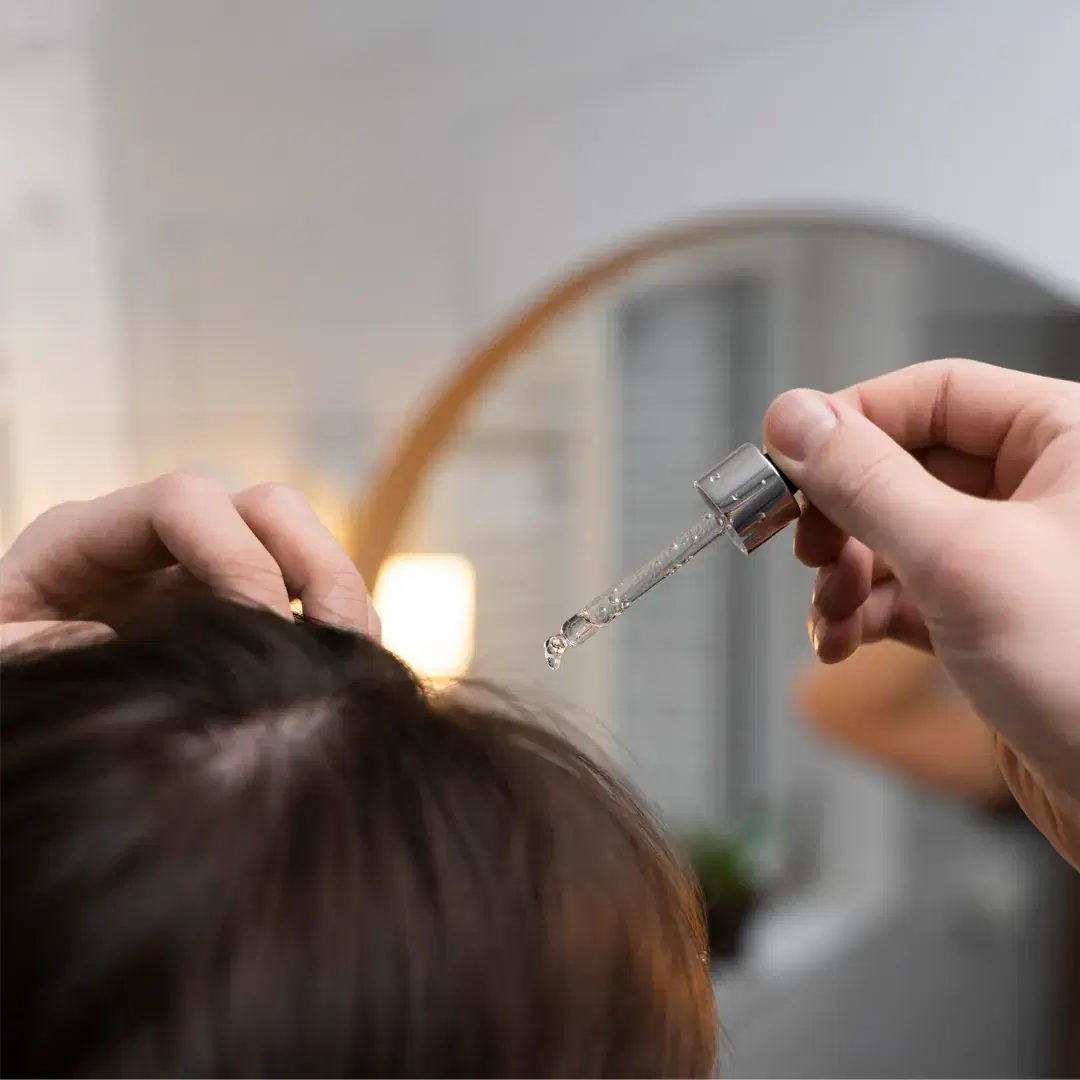
First, ensure the scalp is clean and completely dry. Then, measure approximately 1 mL of solution or use half a cap of foam. Apply the product directly to thinning areas rather than the hair itself.

Next, gently spread it with your fingertips. Allow it to absorb fully before styling your hair. Additionally, avoid washing your scalp for at least four hours after application.


How Often Should You Apply It?

Most liquid formulas require twice daily use. However, some foam versions allow once daily application. Always follow product instructions carefully.

Most importantly, remain consistent. If you skip applications frequently, results may decline. Furthermore, stopping treatment completely usually leads to renewed shedding within a few months.


Minoxidil Results Timeline

Many people expect quick changes. However, hair growth requires patience. Understanding the timeline prevents unnecessary frustration.


What Happens in the First Three Months?

During the first few weeks, some users experience temporary shedding. Although this can feel alarming, it often signals that weaker hairs are making room for stronger growth.

By month three, fine and soft hairs may begin to appear. At this stage, consistency becomes even more important.


When Do Visible Improvements Appear?

Between months four and six, hair typically looks fuller. Density gradually improves as strands thicken. By months six to twelve, most users reach peak visible results.

Of course, outcomes vary depending on genetics, age and severity of hair loss. Nevertheless, long term commitment usually delivers the best improvement.


Possible Side Effects of Minoxidil

Possible Side Effects of Minoxidil


Minoxidil remains safe for most individuals. Still, like any medication, it may cause side effects.


Common and Mild Side Effects

Some users notice scalp irritation, dryness or itching. Occasionally, redness or mild flaking occurs. In many cases, switching to foam reduces irritation.

Additionally, slight facial hair growth can appear if the product drips onto the face. Careful application helps prevent this issue.


Rare but Serious Reactions

In rare situations, users may experience dizziness or rapid heartbeat. These symptoms require medical attention. If unusual reactions occur, stop using the product and consult a healthcare professional immediately.

Minoxidil vs Other Hair Loss Treatments

Minoxidil vs Other Hair Loss Treatments


Minoxidil is not the only solution available. However, it often serves as a first line treatment.


Minoxidil vs Finasteride

Finasteride works by reducing DHT levels, which contribute to male pattern baldness. While finasteride targets hormonal causes internally, minoxidil stimulates follicles externally.

Many doctors combine both treatments for stronger results. However, women typically avoid finasteride due to potential hormonal side effects.


When to Consider Hair Transplant Instead

If hair loss progresses significantly and follicles no longer function, minoxidil alone may not deliver sufficient density. In advanced cases, hair transplant surgery provides a more permanent solution.

Still, even transplant patients often use minoxidil afterward to protect existing native hair.

Final Thoughts on Using Minoxidil for Hair Loss

Minoxidil remains one of the most accessible and researched treatments for pattern hair loss. When users apply it consistently and start early, they often maintain and improve hair density.

However, success requires patience and long term commitment. Since results develop gradually, realistic expectations matter. If you combine consistent application with professional guidance, you significantly increase your chances of seeing meaningful improvement.


Start Your Personalized Hair Treatment Journey

Book a consultation and discover the most effective hair transplant or therapy option tailored to your hair needs and expectations.