
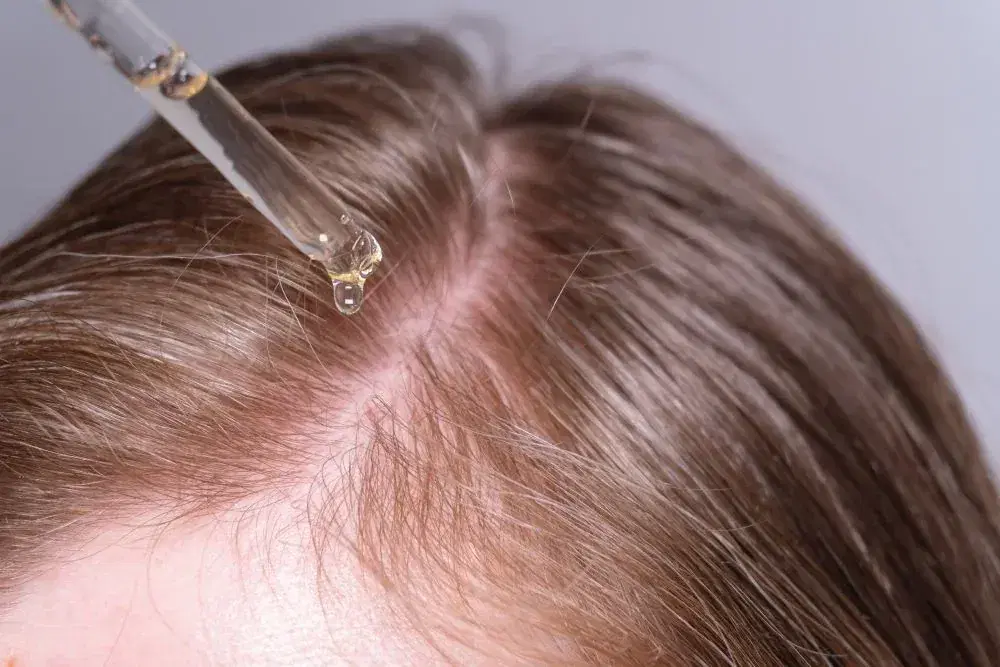
Stemoxydine Vs Minoxidil: Understanding The Difference For Hair Growth Support
Hair thinning can feel frustrating, especially when it develops slowly and becomes more noticeable over time. Many people begin searching for topical solutions once they see increased shedding, a wider part line, weaker hair density, or reduced volume around the temples and crown. Two names often compared in this area are stemoxydine and minoxidil. Although both are used in routines aimed at improving the appearance of hair density, they are not the same type of ingredient, and they do not work in the same way.
The comparison of stemoxydine vs minoxidil is important because expectations matter. Some people want a cosmetic support product that fits easily into a daily routine. Others may need a more established treatment approach for pattern hair loss. Understanding the difference helps people choose more realistically and avoid disappointment. Hair growth is complex, and no topical solution should be viewed as a quick fix. The scalp, follicles, hormones, genetics, nutrition, stress, age, and consistency all influence the final result.
What Is Stemoxydine?
Stemoxydine is a topical cosmetic ingredient developed for the appearance of fuller, denser-looking hair. It is commonly associated with formulas designed to support the scalp environment and encourage the look of improved hair density over time. Its main appeal is that it is usually positioned as a lighter, cosmetic option for people who want to support hair thickness without committing to a stronger medical-style treatment.
The idea behind stemoxydine is linked to the hair cycle. Hair follicles move through different phases, including growth, transition, resting, and shedding. Some follicles remain inactive for a period before re-entering the growth phase. Stemoxydine is generally described as helping create a favorable environment around the follicle, which may support the appearance of more active hair growth.
It is often preferred by people dealing with mild thinning, seasonal shedding, early density loss, or hair that feels weaker than usual. Results, when they appear, tend to be subtle and gradual. It is not usually considered the first option for advanced pattern hair loss. For that reason, stemoxydine works best when expectations are measured and the goal is cosmetic improvement rather than dramatic regrowth.
What Is Minoxidil?
Minoxidil is a topical hair loss treatment used for androgenetic hair thinning, often known as pattern hair loss. It is widely recognized because it has been studied for many years and is commonly used by both men and women experiencing progressive thinning. Unlike stemoxydine, minoxidil is generally viewed as a more established option for supporting hair regrowth in suitable cases.
Minoxidil is thought to help extend the growth phase of the hair cycle and improve the size and activity of affected follicles. Over time, this may lead to thicker-looking strands and better coverage in areas where follicles are still active. It does not create new follicles, and it does not reverse every form of hair loss. Its effectiveness depends on the cause of thinning, the stage of hair loss, and long-term consistency.
One of the key points with minoxidil is patience. Many people expect visible improvement within a few weeks, but hair growth does not move that quickly. It can take several months to judge progress. Some users may also notice temporary shedding during the early stage, which can be unsettling. This happens because weaker hairs may shed as follicles shift into a new cycle.
Stemoxydine Vs Minoxidil: Main Difference
The main difference between stemoxydine and minoxidil is the level of treatment strength and the type of expectation attached to each one. Stemoxydine is generally used as a cosmetic density-support ingredient. Minoxidil is used as a more established topical option for pattern hair loss.
Stemoxydine is often chosen by people who want something gentle, easy to add to a routine, and suitable for early concerns. It may help improve the appearance of hair fullness, especially when thinning is mild. Minoxidil is more often selected when hair loss is more clearly related to genetic thinning or when visible regrowth is the main goal.
Another difference is commitment. Stemoxydine may be used as part of a broader hair care routine, sometimes in cycles. Minoxidil usually requires ongoing use. When minoxidil is stopped, the benefits may gradually fade because the follicles are no longer receiving the same support. This is why people considering minoxidil should think carefully about long-term consistency before starting.
How They Work On The Hair Cycle?
Hair growth depends on the natural rhythm of the follicle. A healthy follicle moves through growth, rest, shedding, and renewal. When this cycle becomes disrupted, hair may appear thinner, weaker, or less dense. Stemoxydine and minoxidil both relate to the hair cycle, but they approach it differently.
Stemoxydine is generally associated with supporting the environment around dormant follicles. In simple terms, it is marketed around the idea of encouraging follicles that are sitting quietly to become more active. This does not mean every inactive follicle will suddenly produce visible hair. The response can vary widely.
Minoxidil is more directly connected with prolonging the active growth phase and improving follicle performance in thinning areas. It may help miniaturized hairs become thicker over time, especially in people with pattern hair loss. This is why minoxidil is often considered the stronger option when the goal is visible regrowth rather than only cosmetic density support.
Which One Is Better For Hair Loss?
There is no single answer that fits everyone. For mild thinning, early density concerns, or people who want a lighter cosmetic approach, stemoxydine may be appealing. It can fit well into a scalp care routine and is often easy to use. However, those expecting major regrowth may find the results too modest.
For pattern hair loss, minoxidil is usually the more suitable option. It is commonly used for thinning around the crown, temples, or part line, depending on the individual pattern. It may offer better visible results when used consistently over several months. Still, it is not guaranteed to work for everyone.
The better option depends on the cause of hair loss. Shedding caused by stress, nutrition issues, recent illness, hormonal changes, harsh styling, or scalp irritation may not respond the same way as genetic hair loss. Before choosing between stemoxydine and minoxidil, it is useful to understand whether the problem is temporary shedding, progressive thinning, breakage, or scalp-related irritation.
Side Effects And Tolerance
Tolerance is another important difference in the stemoxydine vs minoxidil discussion. Stemoxydine is often considered easier to tolerate by many users because it is positioned as a cosmetic ingredient. Some people still may experience scalp dryness, irritation, residue, or sensitivity depending on the formula.
Minoxidil can also be well tolerated, but side effects are possible. Some users report dryness, itching, flaking, scalp irritation, or increased shedding during the early stage. In rare cases, unwanted facial hair growth may occur if the product spreads beyond the intended area. People with sensitive skin may need to be careful with the formula type, especially if alcohol-based solutions cause dryness.
Application habits matter. Using more than recommended does not usually improve results and may increase irritation. Applying products to a wet scalp, layering too many strong actives, or using harsh shampoos may also make sensitivity worse. A calm, consistent routine is usually better than an aggressive one.
Can Stemoxydine And Minoxidil Be Used Together?
Some people consider using stemoxydine and minoxidil together to combine cosmetic density support with a stronger regrowth-focused approach. In theory, they may fit into the same broader hair care routine, but layering topical products should be done carefully. Too many scalp products can cause irritation, buildup, or inconsistent use.
The most important issue is spacing and tolerance. If both are used, the scalp should be monitored for dryness, itching, redness, or flaking. It is usually better to introduce one product at a time instead of starting multiple treatments on the same day. This makes it easier to understand what is helping and what may be causing irritation.
For people with active scalp conditions, severe shedding, sudden bald patches, inflammation, or unexplained hair loss, self-planning a combined routine may not be ideal. The cause should be assessed properly before using multiple products. Hair loss can have many triggers, and treating the wrong cause wastes time.
Results Timeline And Expectations
Stemoxydine results, when they occur, are usually gradual. Users may notice hair feeling fuller, slightly denser, or easier to style after consistent use. The effect is often more cosmetic and subtle. It may not dramatically fill in areas with long-term follicle miniaturization.
Minoxidil also requires time, but the expected timeline is often more structured. Early shedding can happen in the first weeks. Visible changes may begin after several months, with better evaluation after longer consistent use. Stopping too early is a common reason people believe it did not work.
Photos can help track progress. Hair changes are slow, and daily mirror checks can be misleading. Lighting, styling, haircut length, washing frequency, and scalp oiliness all affect how dense hair looks. Taking photos in similar lighting once a month gives a more realistic view.
Who May Prefer Stemoxydine?
Stemoxydine may suit people who are just beginning to notice reduced density and want a gentle support product. It may also appeal to those who are not ready for a long-term treatment commitment. People with mild seasonal shedding, fine hair, or cosmetic volume concerns may find it easier to include in a routine.
It can also be considered by users who prioritize texture, lightweight application, and minimal disruption to styling. Since many stemoxydine products are designed for daily cosmetic use, they may feel more familiar to those already using scalp serums.
Still, it should not be seen as a guaranteed solution for progressive hair loss. If thinning continues month after month, or if the scalp becomes more visible, a deeper evaluation is important. Early action often helps preserve more options.
Who May Prefer Minoxidil?
Minoxidil may be more appropriate for people with visible pattern thinning and a willingness to stay consistent. It is often chosen when the goal is measurable regrowth support rather than only improved hair feel. People with thinning at the crown or widening part line may consider it if they are suitable candidates.
The key is commitment. Minoxidil is not a product to use casually for a few weeks and then judge. It requires routine, patience, and realistic expectations. Some people respond well, some respond modestly, and some do not see meaningful improvement.
It may not be suitable for everyone, especially those with certain scalp sensitivities or unexplained shedding. When hair loss is sudden, patchy, painful, or associated with scalp inflammation, the priority should be identifying the underlying cause rather than simply adding a topical product.