Esthetic Hair Logo header svg
Telogen Effluvium: Causes, Symptoms, and Recovery Guide
Badge Icon

intro

Telogen Effluvium: Causes, Symptoms, and Recovery Guide

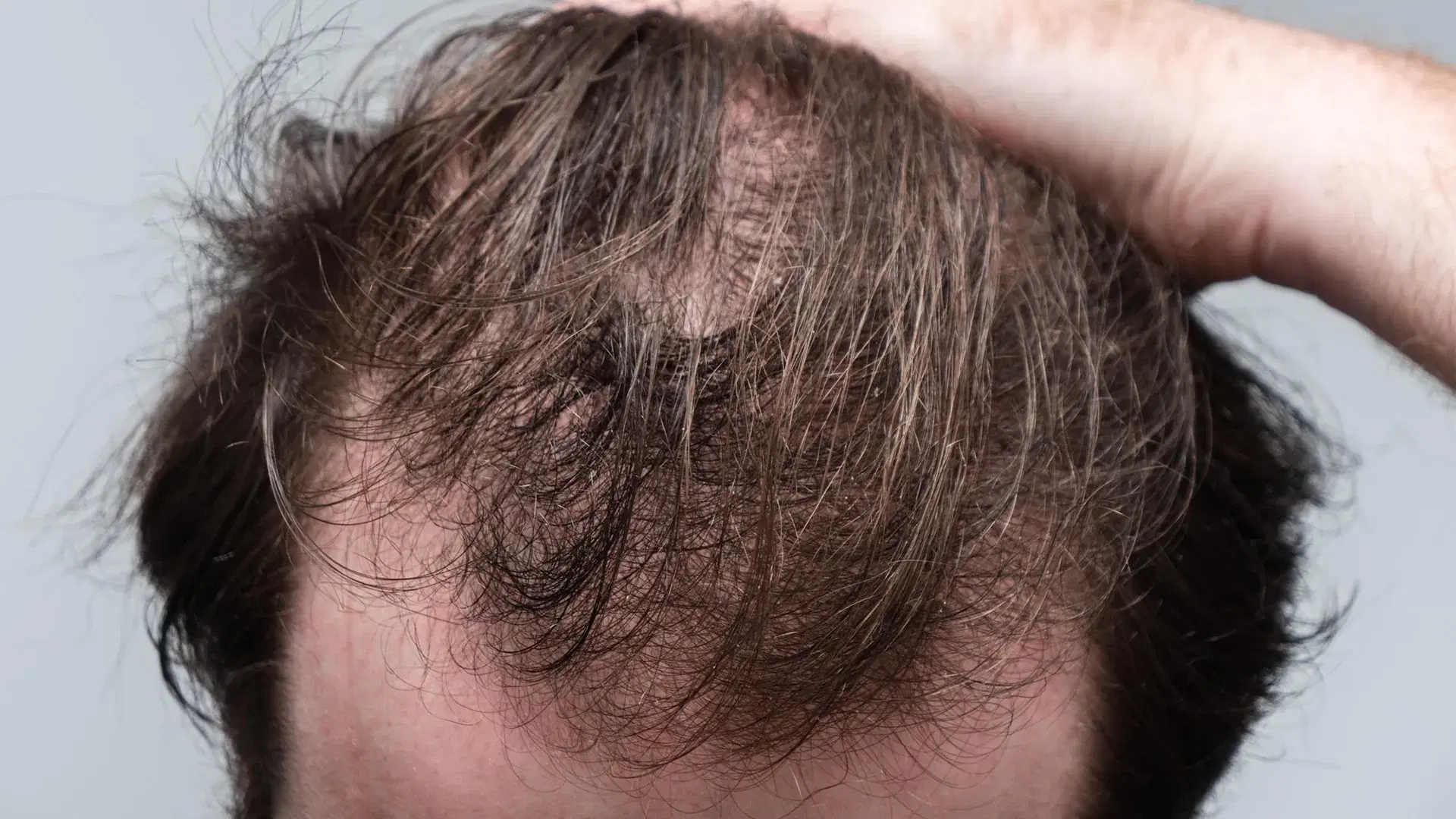
Telogen Effluvium is one of the most common forms of temporary hair loss, yet it often causes unnecessary worry because the shedding can be sudden and dramatic. Unlike permanent conditions such as pattern baldness, this type of hair loss is usually reversible once the underlying trigger is addressed.

In this guide, we’ll walk through the main causes of Telogen Effluvium, the symptoms to watch for, and the steps you can take to support healthy recovery and regrowth.


Share

Start Your Personalized Hair Treatment Journey

Book a consultation and discover the most effective hair transplant or therapy option tailored to your hair needs and expectations.

What is Telogen Effluvium?

What is Telogen Effluvium?

Telogen Effluvium is a condition where more hair follicles than usual enter the telogen (resting) phase of the hair cycle at the same time. Instead of growing, these hairs fall out, leading to thinning or increased shedding. While this can result in visibly thinner hair, the follicles remain alive, which means the condition is reversible in most cases.

How the hair growth cycle works

How the hair growth cycle works


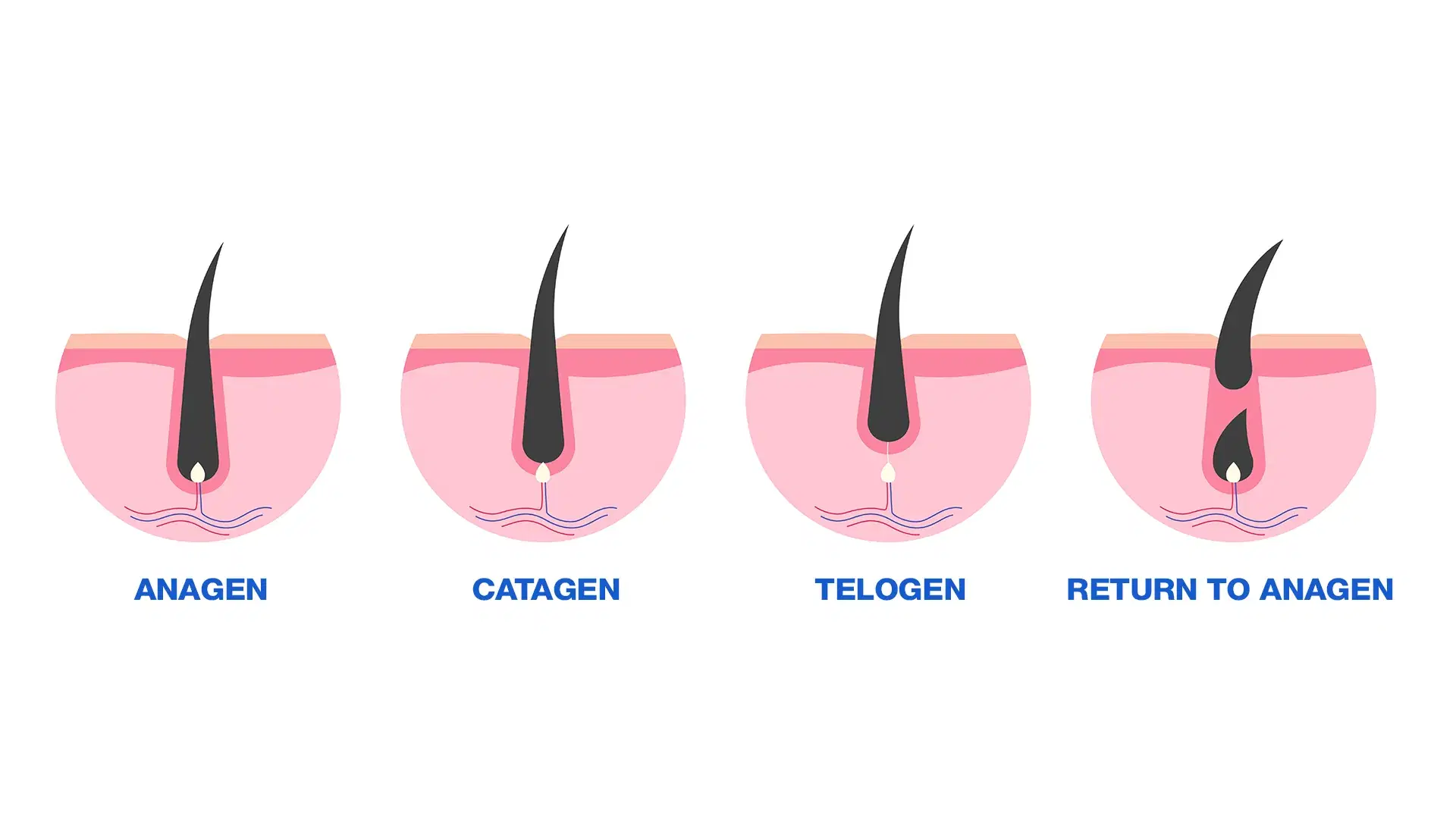
To understand Telogen Effluvium, it helps to know the three phases of the hair cycle:

Anagen Phase

This is the growth phase of the hair cycle and the longest stage overall. Hair follicles are actively producing new hair cells, which is why this phase can last anywhere from two to six years. The longer a hair stays in anagen, the longer it can grow. Around 85–90% of the hair on your scalp is normally in this phase at any given time.

Catagen Phase

The catagen phase is a short transition period that signals the end of active growth. During this stage, the hair follicle shrinks and detaches from the blood supply that supports it. Growth slows down and eventually stops. This phase usually lasts only a few weeks, and only a small percentage of hair is in catagen at once.

Telogen Phase

Telogen is the resting phase of the hair cycle. The hair is no longer growing but remains anchored in the follicle while a new hair begins forming underneath. This stage lasts around two to three months. Under normal conditions, about 5–10% of hair is in the telogen phase.

In Telogen Effluvium, a much higher percentage of hairs enter the telogen phase prematurely. When these resting hairs shed, it leads to diffuse thinning and excessive hair fall that can be alarming, but is often temporary once the trigger is addressed.


What triggers Telogen Effluvium?

What triggers Telogen Effluvium?


This condition is usually triggered by stress on the body or mind. Common causes include:

  • Major illness, surgery, or high fever

  • Hormonal changes such as childbirth or menopause

  • Sudden weight loss or restrictive dieting

  • Physical or emotional stress

  • Certain medications

  • Thyroid disorders or nutritional deficiencies

The shedding typically begins two to three months after the triggering event.


Recognizing the symptoms

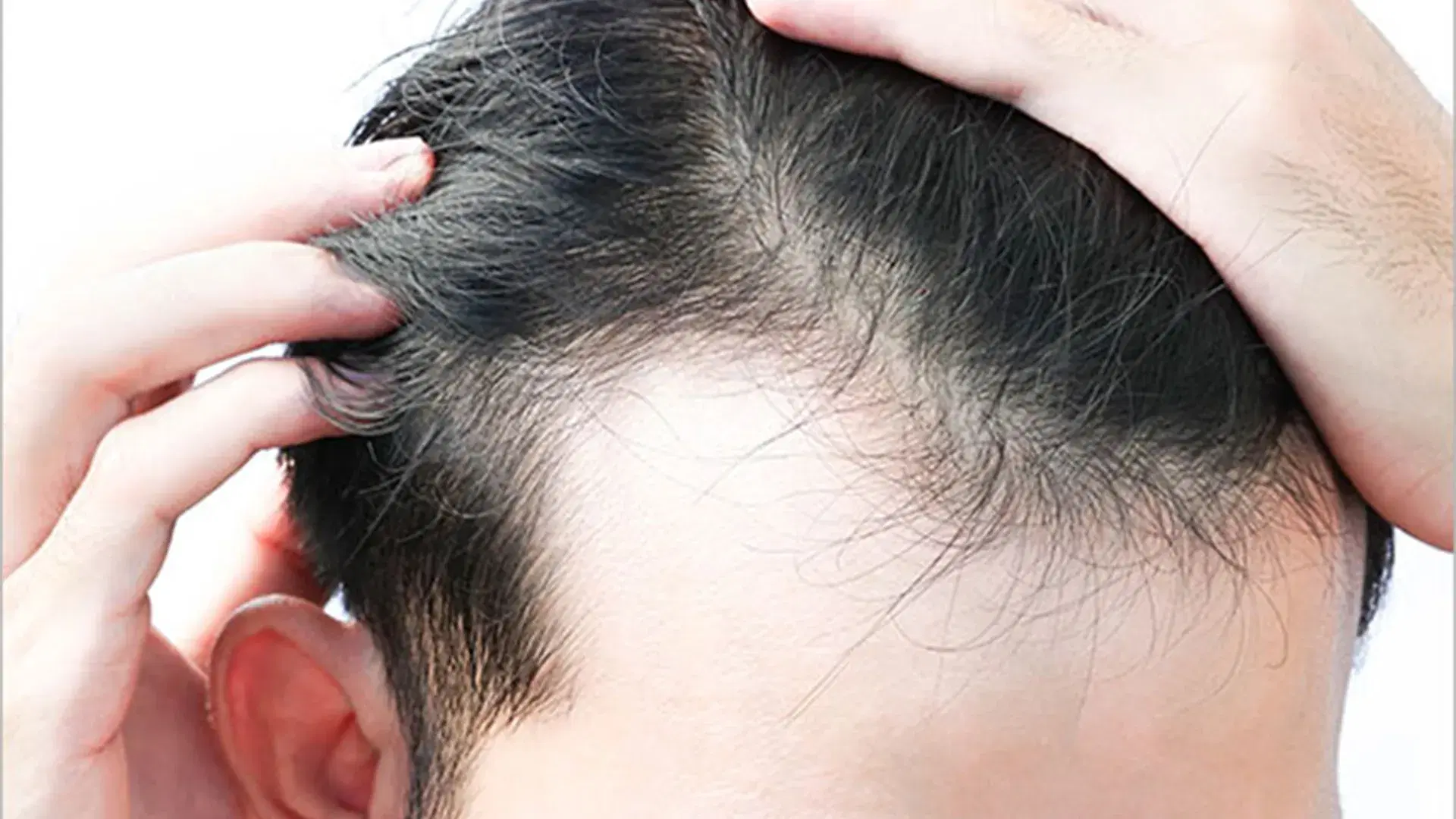
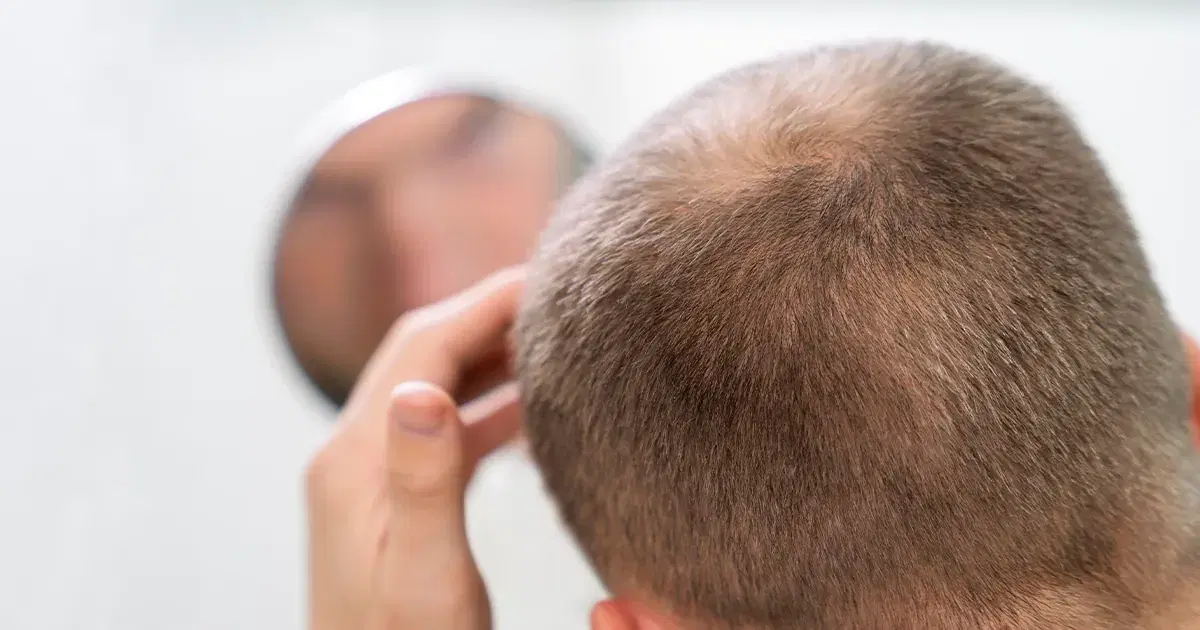
Telogen Effluvium doesn’t cause bald patches but leads to diffuse thinning across the scalp. Symptoms often include:

  • Increased hair shedding, noticeable in the shower, on pillows, or in hairbrushes

  • Thinning mainly on the top of the head rather than the hairline

  • A lighter ponytail or reduced overall hair volume

Unlike scarring alopecia, Telogen Effluvium does not destroy hair follicles.


Acute vs. chronic Telogen Effluvium


There are two main forms of Telogen Effluvium, and the difference mainly comes down to duration, triggers, and recovery patterns.

Acute Telogen Effluvium

This type appears suddenly, usually two to three months after a physical or emotional stressor. Common triggers include illness, surgery, childbirth, rapid weight loss, or intense stress. Hair shedding increases noticeably but typically lasts no longer than six months. Once the trigger is resolved, hair follicles gradually return to their normal growth cycle and regrowth usually begins without permanent damage.

Chronic Telogen Effluvium

Chronic Telogen Effluvium persists for longer than six months and may continue for years in some individuals. Shedding often fluctuates, with periods of improvement followed by relapse. This form is commonly associated with ongoing issues such as hormonal imbalances, nutritional deficiencies, thyroid disorders, or long-term stress. While the hair follicles remain healthy, identifying and managing the underlying cause is essential for reducing shedding and supporting consistent regrowth.


How Telogen Effluvium is diagnosed

Telogen Effluvium is usually diagnosed through a detailed medical history and a physical scalp examination. Doctors focus on recent events that may have disrupted the hair growth cycle, such as illness, stress, hormonal changes, or medication use.

A hair pull test is often performed by gently tugging small sections of hair to assess the amount of shedding. Losing more hairs than expected can support the diagnosis. Doctors also examine the scalp to rule out scarring, inflammation, or other types of hair loss.

In some cases, blood tests are recommended to identify underlying causes. These may include thyroid disorders, iron deficiency, anemia, or vitamin deficiencies. Identifying these issues helps guide proper treatment and recovery.

Scalp biopsies are rarely required but may be used when the diagnosis is unclear or when other hair loss conditions need to be excluded.


Treatment and recovery expectations

Treatment and recovery expectations


Telogen Effluvium treatment focuses on removing the trigger and supporting the hair’s natural regrowth cycle. In most cases, shedding slows down on its own, and new growth appears within a few months once the cause is addressed.

Removing the Trigger

Identifying and eliminating the factor that caused hair shedding is the first step. This may include recovery from illness, hormonal shifts, or medication changes.

Managing Medical Conditions

Conditions such as thyroid disorders, anemia, or hormonal imbalances should be properly treated to prevent ongoing hair loss.

Improving Nutrition

Correcting deficiencies in iron, vitamin D, zinc, and protein helps restore healthy hair growth.

Stress Reduction

Chronic stress can prolong shedding. Reducing physical and emotional stress supports a normal hair growth cycle.

Gentle Hair Care

Using mild hair products and avoiding excessive heat or tight hairstyles minimizes breakage during regrowth.

Supporting Regrowth

Topical treatments like minoxidil may be recommended in some cases, but they are not always necessary since Telogen Effluvium often resolves naturally.

 

Typical timeline for hair regrowth


Most people notice improvement within 3 to 6 months, with hair density gradually returning. Full recovery can take up to a year, depending on the severity and the trigger. Chronic cases may require ongoing management and lifestyle adjustments.

Preventing future episodes

While not all cases can be prevented, certain habits may reduce the risk:

  • Eating a balanced diet with adequate protein, iron, and vitamins

  • Avoiding extreme diets or sudden weight loss

  • Managing stress through sleep, exercise, or relaxation techniques

  • Following medical advice if you have thyroid or hormonal conditions


When to seek medical help


If shedding lasts longer than six months, if you notice bald patches, or if you have other symptoms such as fatigue or unexplained weight changes, consult a healthcare professional. These could point to another condition or an ongoing trigger that needs treatment.

Telogen Effluvium vs. other hair loss conditions

Telogen Effluvium vs. other hair loss conditions


It’s important to distinguish Telogen Effluvium from other types of hair loss, as causes, treatment, and recovery expectations differ significantly.

Androgenetic Alopecia

Also known as pattern baldness, this condition causes gradual thinning and a receding hairline or widening part. It is genetic, progressive, and does not resolve on its own without treatment.

Alopecia Areata

Alopecia areata is an autoimmune condition that leads to sudden, patchy hair loss. The immune system mistakenly attacks hair follicles, often causing round bald spots on the scalp or body.

Scarring Alopecias

Scarring alopecias permanently damage hair follicles due to inflammation or autoimmune disease. Once follicles are destroyed, regrowth is not possible, making early diagnosis critical.

Telogen Effluvium

Unlike other forms of hair loss, Telogen Effluvium causes diffuse shedding rather than patterned or patchy loss. Hair follicles remain healthy, and regrowth typically occurs once the triggering factor is resolved.

Summery

Telogen Effluvium can be distressing, but it is almost always temporary. By understanding the triggers, recognizing the symptoms, and giving your body time to heal, you can support healthy regrowth. If shedding persists or worsens, professional evaluation ensures that other causes are not overlooked and that you get the right treatment plan.

Start Your Personalized Hair Treatment Journey

Book a consultation and discover the most effective hair transplant or therapy option tailored to your hair needs and expectations.