
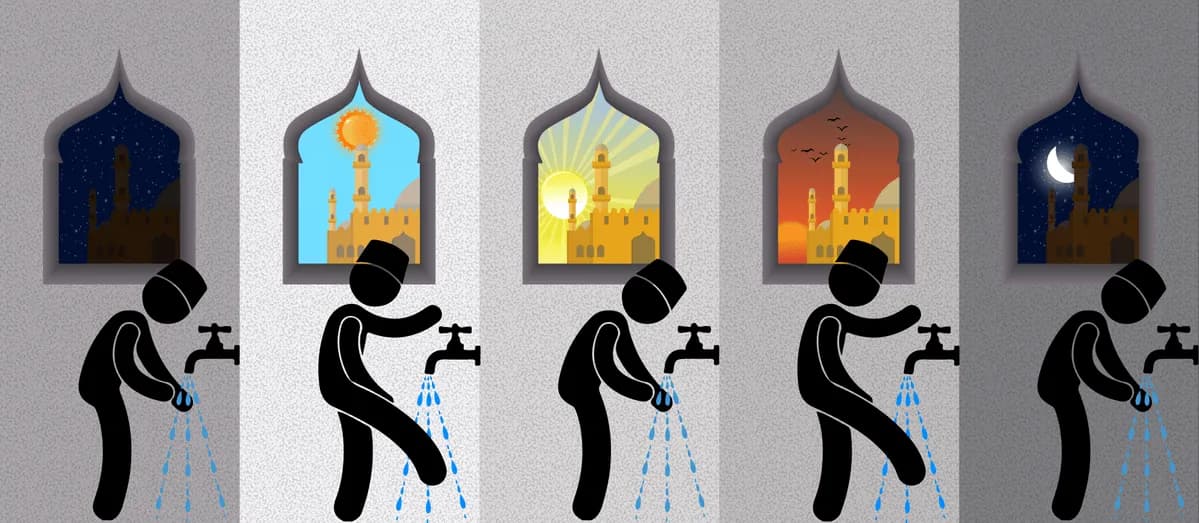
You can perform wudu and pray after a hair transplant, but the first days call for a gentler routine. Avoid rubbing the recipient area, avoid pressing the forehead hard on the prayer mat, and follow your wash schedule so the grafts stay secure.
Can You Make Wudu and Pray After a Hair Transplant?
Yes, a hair transplant does not stop you from praying. The transplanted hair is your own, so it does not block water from reaching the skin. Prayer, wudu and ghusl remain part of your daily routine.
The challenge is physical, not religious. In the first days, each graft sits in a tiny channel that has not yet healed. Pressure, friction and heavy water flow can loosen it. Your goal is to complete your worship while keeping the scalp calm.
If you want to read the wider religious discussion first, our guide on whether a hair transplant is haram explains how many scholars view the procedure itself.
How the First Days of Healing Affect Your Routine
Grafts are most delicate right after implantation. The scalp is red, small crusts form around each follicle, and the area feels tender. Most crusts fall away within about ten days.
During this window, three things matter most:
- Touch: Fingers, towels and headwear can dislodge grafts.
- Pressure: Firm contact with a hard surface can disturb the recipient area.
- Water force: A strong stream from a tap or shower can wash away fresh grafts.
Each of these touches a part of your prayer routine, so a few small changes make a real difference.
Wudu After a Hair Transplant: Step by Step
Wudu includes wiping the head, and this is the step that needs care. The other steps, such as washing the face, hands and feet, continue as normal.
Washing the Face
Use cupped hands and bring the water to your face slowly. Keep the water low and avoid splashing upward. Do not let a stream run across the hairline. Dry your face by patting the lower part only, and keep the towel away from the scalp.
Wiping the Head
Do not rub or drag your fingers across the recipient area. Many scholars allow a person to wipe over a protective cover, or to skip direct contact, when touching the area could cause harm. Ask the clinic when you may wet the scalp, then follow that instruction. If you are unsure about the ruling in your situation, consult a scholar you trust.
Washing the Feet and Arms
This part needs no change. Take care that water from your arms does not run toward the scalp, especially if you stand at a sink with a strong tap.
Ghusl After a Hair Transplant
Ghusl asks for water to reach the whole body, including the hair and scalp. The recipient area makes this harder in the first days.
Wash your body below the neck as usual. For the head, follow the washing steps in your care plan. Your team will tell you when you can pour water gently over the scalp and when you can use a mild cleanser. Many scholars permit wiping the protected area while washing would cause harm. Once the grafts have settled, you can return to full ghusl.
A few habits help:
- Use lukewarm water, not hot water.
- Pour water with a cup or a low-pressure shower head.
- Let the water run over your forehead and down, away from the grafts.
- Never scrub. Let foam and water rinse the scalp without touching it.
Praying in the First Days
Prayer itself is safe. The concern is the position of the head during prostration, or sujud. In sujud, the forehead and nose press against the mat, and the front of the scalp is where many patients have new grafts.
Several simple steps reduce the risk:
- Choose a clean, soft prayer mat or place a clean cloth on the surface.
- Lower your head slowly and avoid pressing hard.
- Keep contact light, and lift your head the same way.
- Avoid resting the recipient area on the floor for long.
Many scholars allow a person to adjust the prayer posture when a physical condition makes full prostration harmful. This can include praying while seated and bowing the head. Your personal ruling is best confirmed with a scholar, and your clinic can explain what the scalp can tolerate on each day.
Headwear During Prayer
Many men wear a kufi or taqiyah. Women often wear a hijab or head covering. Tight fabric rubs the grafts, so these items need caution.
- Kufi or taqiyah: Avoid it in the first days. It presses on the recipient area and can drag grafts as you remove it.
- Hijab or scarf: Choose a loose, soft, clean fabric. Place it without pulling it across the scalp, and avoid pins that press into the grafts.
- Removal: Lift headwear straight up and away from the head. Do not slide it across the hairline.
- Hygiene: Wash all headwear before the first use after surgery.
Your care instructions state when covering the head is safe. Until then, a loose and clean cover is the gentler choice.
Mosque Visits and Congregational Prayer
Going to the mosque is possible soon after the procedure, but the setting adds a few risks. Crowded prayer lines mean more contact. Dust on the floor can reach the scalp. Shared mats are not always clean.
Many patients choose to pray at home in the first days, then return to the mosque once the crusts have fallen. If you attend sooner, bring your own clean mat or cloth, keep your head covered with a loose clean cover if allowed, and take your place at the edge of the row where you have more space.
How to Protect Your Grafts Across the Day
Five prayers can mean five rounds of wudu. Each round is a small chance to disturb the scalp. A short routine helps you stay consistent.
- Prepare a cup, so you do not rely on a strong tap.
- Keep a clean, soft towel just for the face.
- Sleep with your head raised, as your aftercare plan advises, to reduce swelling.
- Avoid sweating, dust and direct sun on the scalp.
- Skip scratching. If you feel itching, review our guide on itching after a hair transplant.
Taking these steps early lets you keep your prayers on time without worry.
Ramadan, Hajj and Umrah
These periods bring extra religious activity, so planning matters.
During Ramadan, patients often face fasting, longer prayers and less water intake. Hydration and medication matter in early recovery, so many people schedule treatment before or after the month. During Hajj and Umrah, crowds, heat, dust and sun exposure can stress the scalp. Allow enough time between your procedure and your journey, so the grafts settle before you travel.
A hair transplant remains possible for people who pray, fast and travel for worship. It simply works best when the schedule leaves enough time for recovery.
When Normal Wudu Returns
The scalp usually settles within the first two weeks. Crusts fall, redness fades and the grafts anchor in place. After your team confirms that the scalp is ready, you can wipe your head in wudu in the usual way and take a full ghusl.
Even then, stay gentle. Use light fingertips and avoid scratching. Continue to protect the area from the sun, and follow the washing steps you received until your team says otherwise. Our FUE hair transplant and DHI hair transplant pages explain how each technique works and what the healing process looks like.
Wudu and Prayer After a Hair Transplant at Esthetic Hair
Many of our patients ask about wudu, ghusl and prayer before treatment. Our team answers these questions during the consultation and gives clear instructions for each stage of recovery.
You receive a washing plan that fits your daily prayers, along with advice on sleeping position, headwear and activity. We use only your own donor hair, and we design a natural hairline, so your result looks like the hair you were born with.
Frequently Asked Questions
Can I pray after a hair transplant?
Yes, you can pray as normal. During the first days, keep the forehead light on the mat and avoid pressing on the recipient area.
Can I make wudu after a hair transplant?
Yes, you can wash the face, hands and feet as usual. For the head, avoid rubbing and follow your wash schedule.
Does transplanted hair affect wudu?
No, transplanted hair is your own and does not block water. Once the scalp has healed, you can wipe the head in the usual way.
Can I wear a kufi or hijab after a hair transplant?
Avoid a kufi in the first days. A loose, soft and clean hijab is gentler, as long as it does not press on the grafts.
When can I take a full ghusl?
Most patients return to full ghusl once the scalp has healed and the team confirms it. Until then, wash the body and follow your head-washing steps.
Can I pray in the mosque soon after the procedure?
You can, but crowds and shared mats add risk. Many patients pray at home in the first days and return to the mosque once the crusts fall.
Final Thoughts on Wudu and Prayer After a Hair Transplant
A hair transplant fits comfortably with a life of daily prayer. Wudu, ghusl and salah all continue, with small adjustments during the first days of healing.
Gentle washing, soft contact in prostration and loose headwear protect the grafts. With these habits, you keep your worship on schedule and give your new hair the best start.