

Esthetic Hair Logo header svg
Norwood Scale 1 to 7: How to Know Your Stage of Baldness
Badge Icon

intro

Norwood Scale 1 to 7: How to Know Your Stage of Baldness

If you’ve noticed your hairline creeping back or the crown of your head thinning, you’ve probably wondered what stage of baldness you’re in. That’s where the Norwood Scale comes in. It’s the universal chart doctors and hair specialists use to classify male pattern baldness from stage 1 to stage 7. And yes, the pictures make it brutally clear where you stand.

Share

Start Your Personalized Hair Treatment Journey

Book a consultation and discover the most effective hair transplant or therapy option tailored to your hair needs and expectations.

What Is the Norwood Scale?

What Is the Norwood Scale?

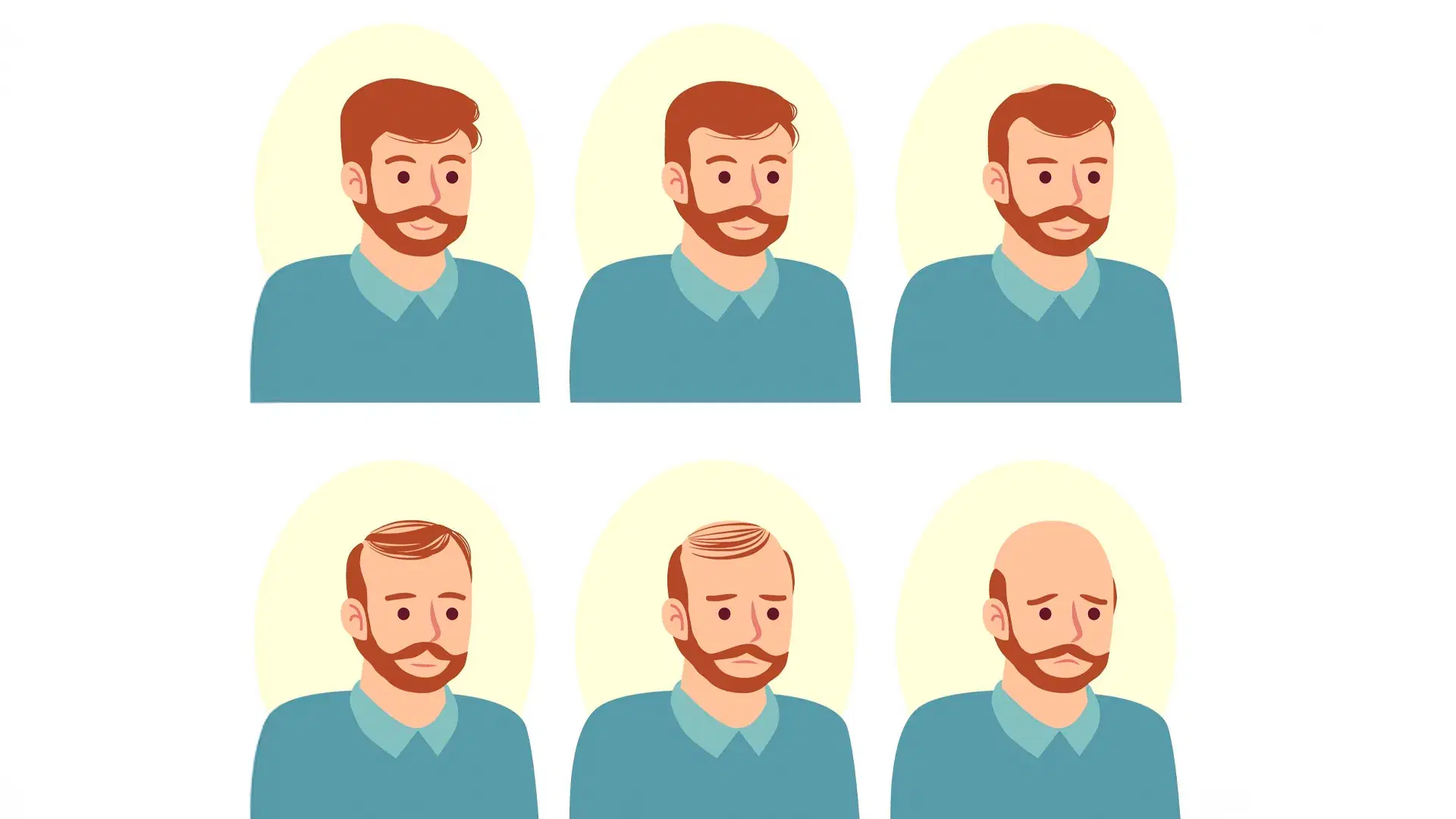
The Norwood Scale, also called the Hamilton–Norwood Scale, is a visual classification system for male pattern baldness. It shows how hair loss usually begins, progresses, and eventually leads to full baldness in some men.

The scale is divided into seven main stages, each representing a specific pattern and severity of hair loss. By comparing your hairline, temples, and crown to these stages, you can better understand where you currently stand. Doctors also use the Norwood Scale to evaluate hair loss progression and plan the most appropriate treatment or hair transplant strategy.

Norwood Scale Stages 1 to 7

Norwood Scale Stages 1 to 7

Here’s a breakdown of the seven stages with what each one really means.


Norwood Stage 1

No visible hair loss. The hairline is full and intact. Most men in this stage don’t realize how lucky they are.


Norwood Stage 2

A slight recession of the hairline, usually around the temples. This is the first early warning sign.


Norwood Stage 3

Deeper hairline recession at the temples forming an “M” shape. For many men, this is the first stage considered true baldness.


Norwood Stage 4

Hair loss becomes more noticeable at the crown, and the front hairline continues to recede. A thin bridge of hair still separates the front and crown.


Norwood Stage 5

That thin bridge of hair weakens. The balding areas in the front and crown start to merge.


Norwood Stage 6

The bridge is completely gone. The front and crown balding areas have joined into one larger bald spot.


Norwood Stage 7

The most advanced stage. Only a horseshoe-shaped band of hair remains around the back and sides of the scalp.

Why the Norwood Scale Matters


Understanding your position on the Norwood Scale gives you clarity about your hair loss. It turns guesswork into something measurable and helps both patients and specialists make better decisions.


Understand How Advanced Your Hair Loss Is

The Norwood Scale shows whether your hair loss is mild, moderate, or advanced. This makes it easier to recognize patterns like temple recession or crown thinning instead of relying on assumptions or comparison with others.


Decide If Treatment Can Still Be Effective

Certain treatments work better at earlier stages of hair loss. Knowing your Norwood stage helps determine whether options like medication, PRP, or a hair transplant are likely to be effective or limited.


Track Hair Loss Progression Over Time

By identifying your current stage, you can monitor changes more accurately. This helps you see whether your hair loss is stable, slowing down, or progressing faster than expected.


Communicate Clearly With a Doctor or Specialist

Using the Norwood Scale allows you to describe your hair loss clearly during consultations. This shared reference helps doctors assess your condition faster and plan the most suitable treatment approach.
Pictures Speak Louder Than Words

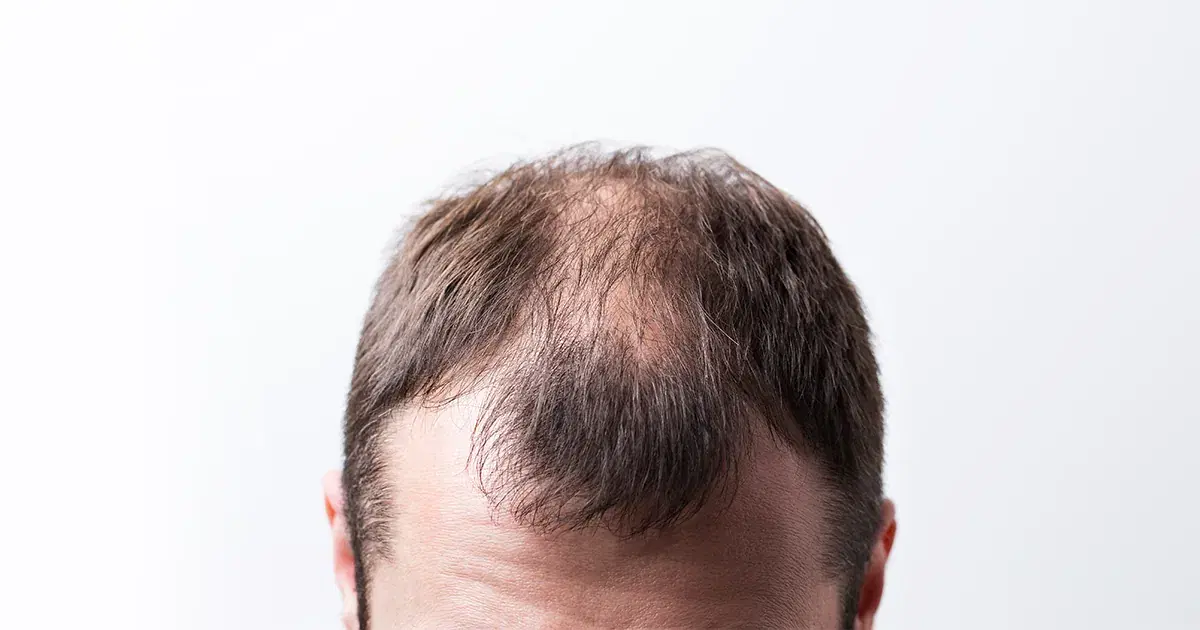
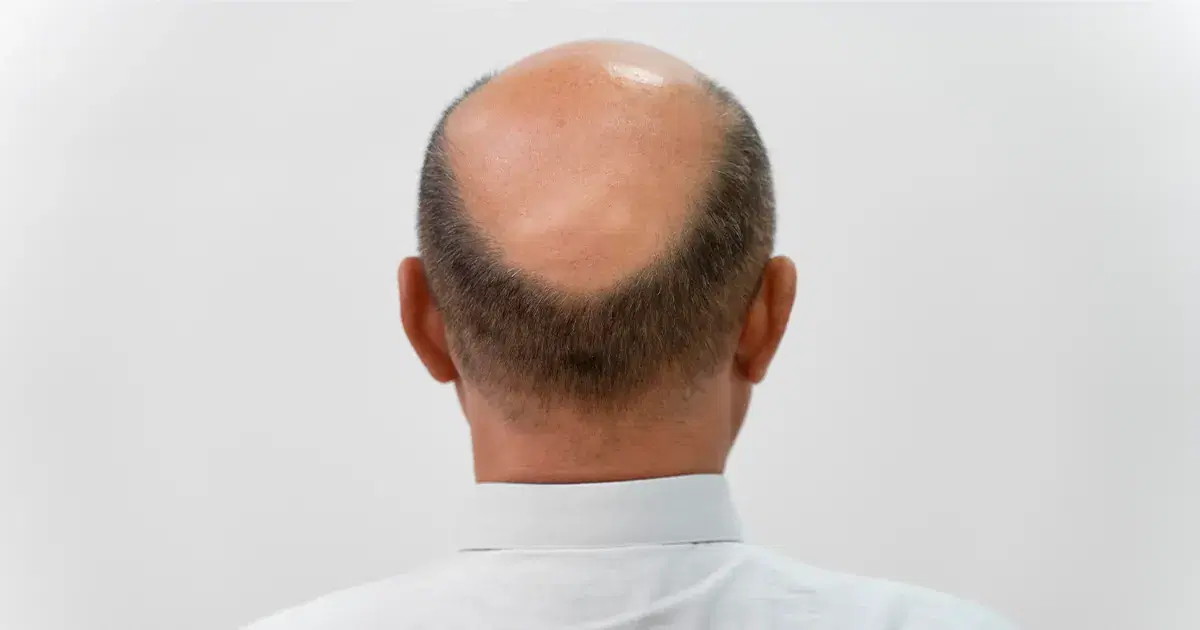
Reading about the stages is helpful, but the real power of the Norwood Scale is in the pictures. Once you see the images side by side, it’s impossible to ignore where you fall. That’s why doctors and clinics rely on it and why men often find it a wake-up call to take action.

Final Thoughts on the Norwood Scale


The Norwood Scale 1 to 7 isn’t just a chart. It’s the most trusted way to classify male pattern baldness and spot where you stand. Looking at the pictures can be a little confronting, but it’s also motivating. Once you know your stage, you can make better decisions about treatments, styling, or simply embracing your new look.