Esthetic Hair Clinic logo

Donor Area: All You Need to Know Before a Hair Transplant

Donor area quality is key in hair transplants, affecting natural results, healing, and long-term success.
Dr. Nadiye HACIÖMEROĞLUPhysician
·
5 min read
·
January 19, 2026
About Us Esthetic Hair

Donor Area: All You Need to Know Before a Hair Transplant

Donor area is the most important factor in hair transplant surgery. The quality and management of this area determine how natural your results look and how long they last. In this guide, we’ll cover everything you should know about the donor area, from its role in FUE and DHI methods to healing, recovery, and long-term care.

Simple Placeholder Title

Lorem ipsum dolor sit amet, consectetur elit. Tempor incididunt ut labore et dolore magna.

What Exactly is the Hair Transplant Donor Area?

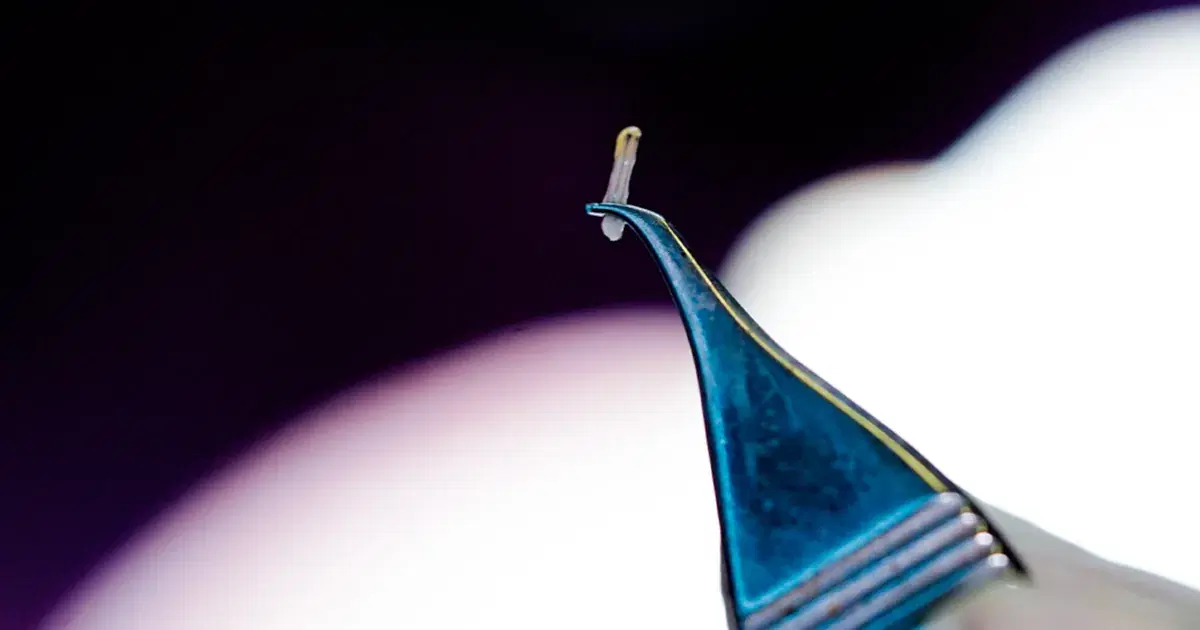
At its core, the donor area refers to the part of the scalp from which healthy hair follicles are harvested for a hair transplant procedure. In most cases, the donor area is located at the back and sides of the scalp. These regions are typically selected because the follicles found there are generally more resistant to the effects of dihydrotestosterone (DHT), the hormone most commonly associated with pattern baldness. When transplanted into areas affected by hair loss, these follicles usually retain their genetic characteristics and continue to produce hair, making the donor area a critical component of successful hair restoration.

What Exactly is the Hair Transplant Donor Area?

Why the Donor Area is the Key to a Successful Transplant?

The success of a hair transplant depends largely on the quality, density, and long-term viability of the follicles harvested from the donor area. Hair follicles located at the back and sides of the scalp are often less affected by the hormonal factors associated with pattern hair loss. Because of this characteristic, these follicles are commonly selected for transplantation. After being moved to areas with thinning or absent hair, the transplanted follicles generally continue to grow according to their original genetic characteristics. A healthy donor area with sufficient follicle density plays an important role in achieving natural-looking coverage and supporting long-term transplant results.

Assessing Your Donor Area: Are You a Good Candidate?

Assessing Your Donor Area: Are You a Good Candidate?

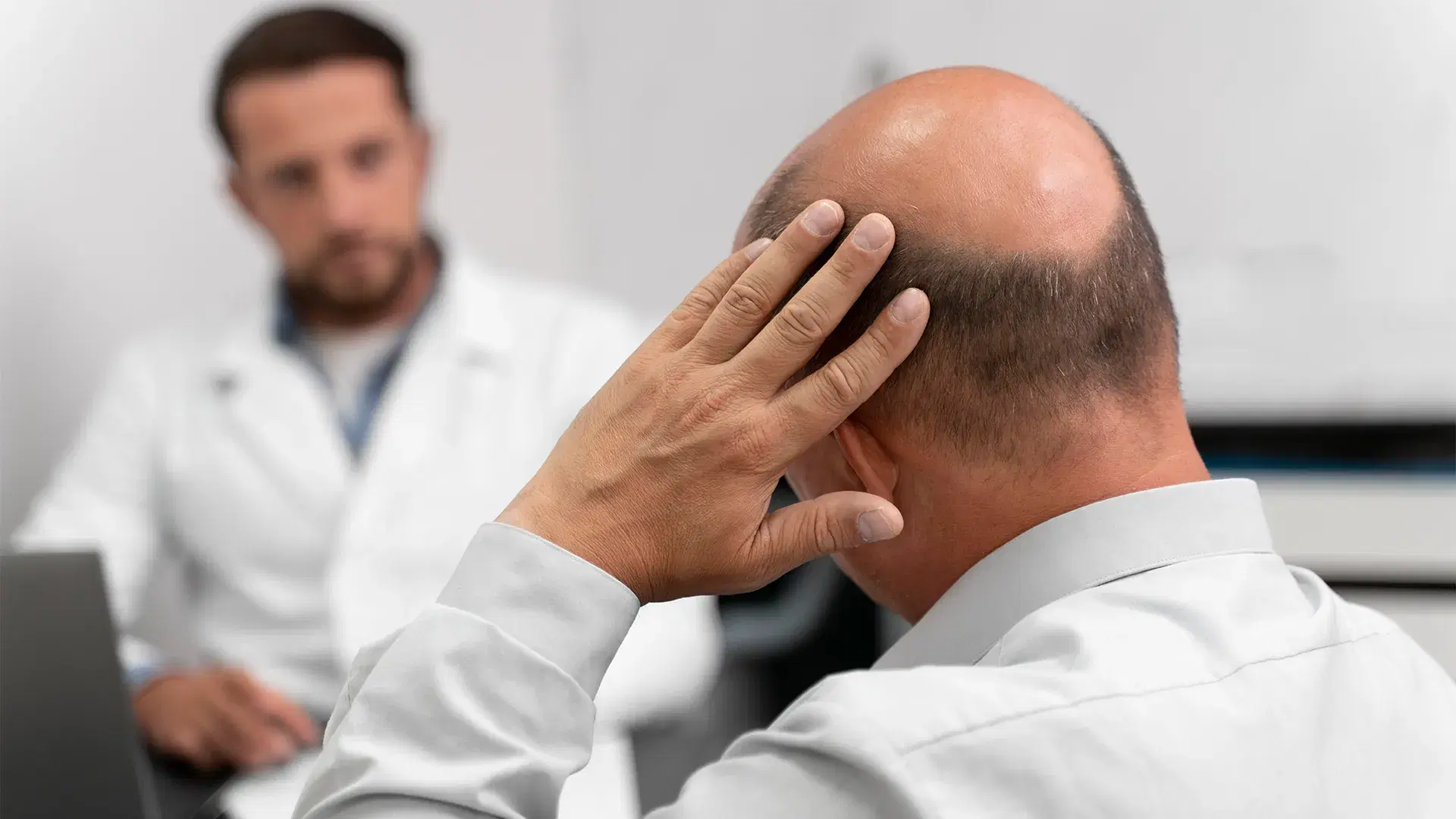
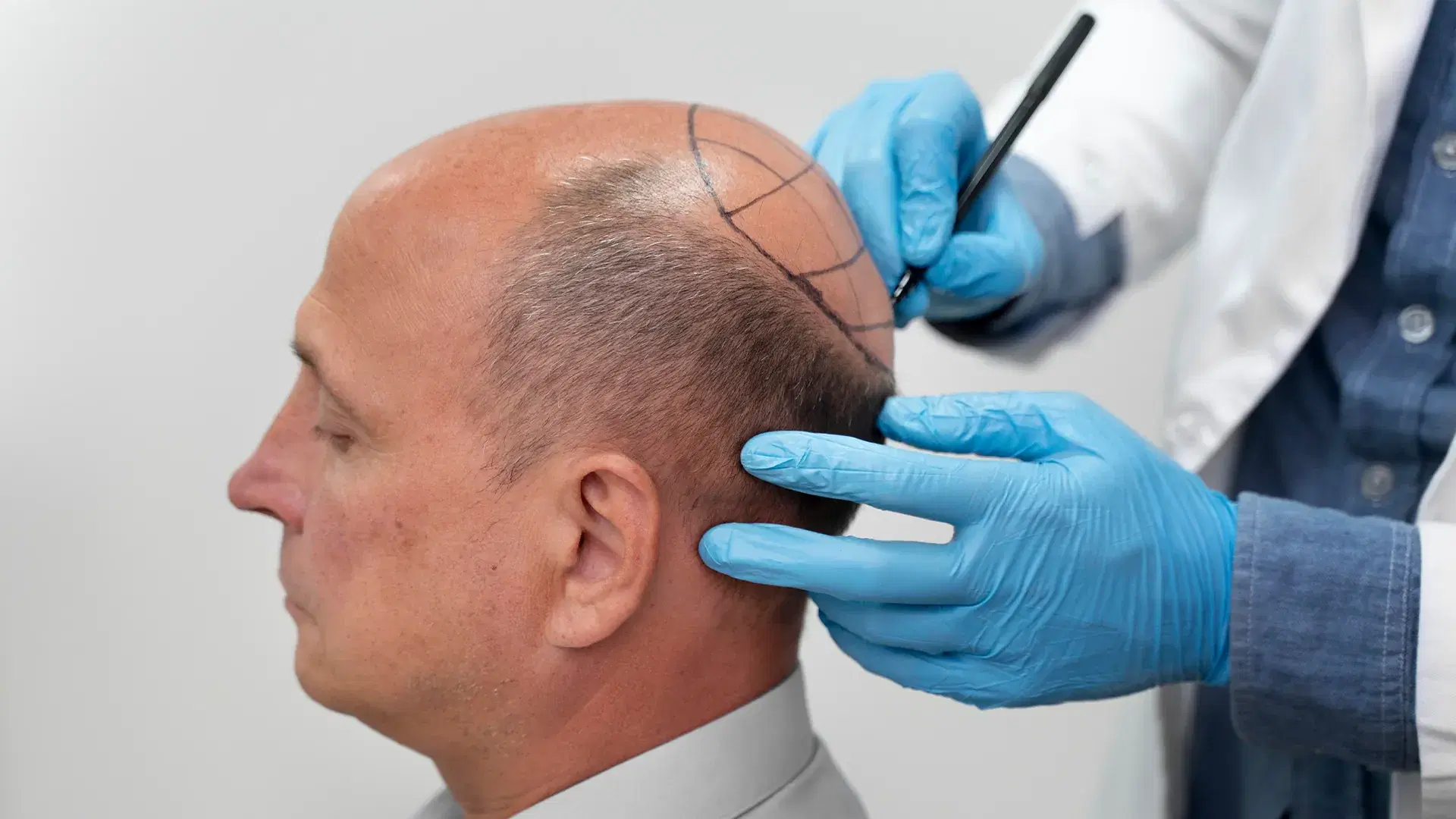
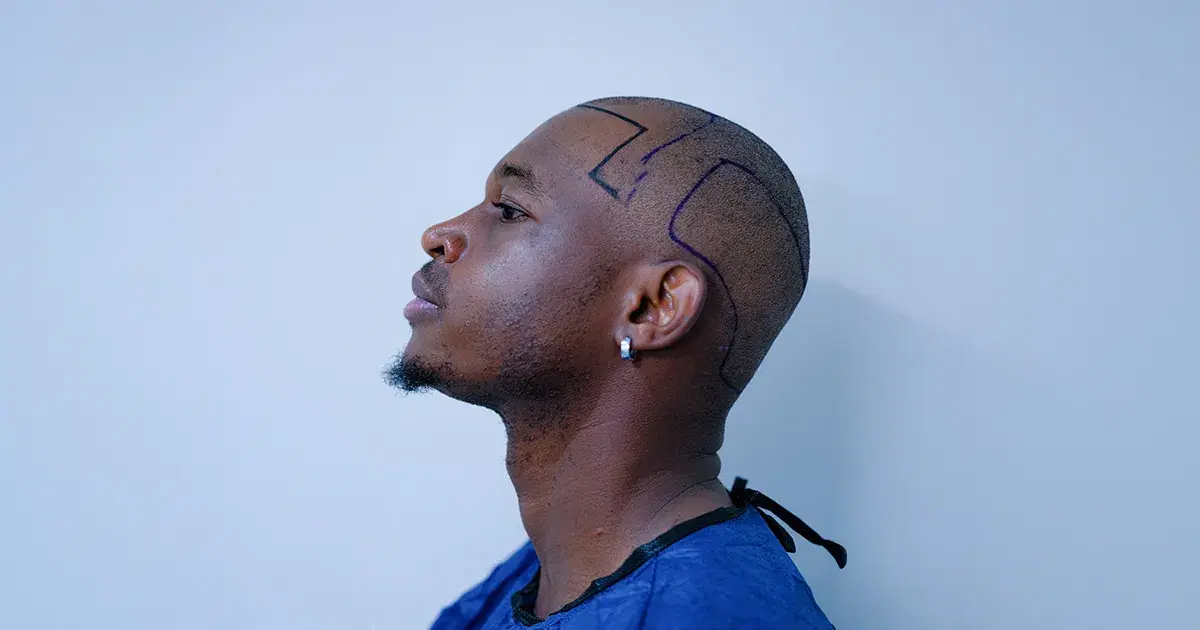
Before a hair transplant procedure, the donor area must be carefully evaluated. This region, usually located at the back and sides of the scalp, contains follicles that are commonly used for transplantation. A detailed assessment helps determine whether a patient is a suitable candidate and how many grafts can be harvested while preserving the appearance of the donor area.

Donor Density

Donor density refers to the number of hair follicles present within a specific area of the scalp. Higher density generally allows more hair grafts to be harvested while maintaining a natural appearance. Lower density may limit the number of available grafts, but careful planning can still produce effective coverage.

Scalp Laxity

Scalp laxity describes the flexibility and elasticity of the scalp. This factor is particularly important in Follicular Unit Transplantation (FUT), where a strip of scalp tissue is removed. In Follicular Unit Extraction (FUE) and Direct Hair Implantation (DHI), follicles are extracted individually, making scalp laxity less critical. However, healthy scalp tissue may still support easier extraction and recovery.

Follicle Quality

The thickness, texture, and overall characteristics of donor hair influence the final appearance of a hair transplant. Stronger and thicker follicles often provide greater visual coverage, while matching hair characteristics help transplanted grafts blend naturally with existing hair.

Future Hair Loss

Long-term hair loss patterns are also considered during donor area planning. Preserving donor reserves can be important for maintaining natural-looking results and supporting potential future procedures. Careful graft management helps reduce the risk of overharvesting.

A comprehensive donor area evaluation allows the treatment plan to be tailored to the individual's hair characteristics, donor capacity, and long-term goals.

Donor Area After a Hair Transplant

The Donor Area After a Hair Transplant: What to Expect Immediately

Understanding how the donor area may look after a hair transplant can help set realistic expectations during the recovery period.

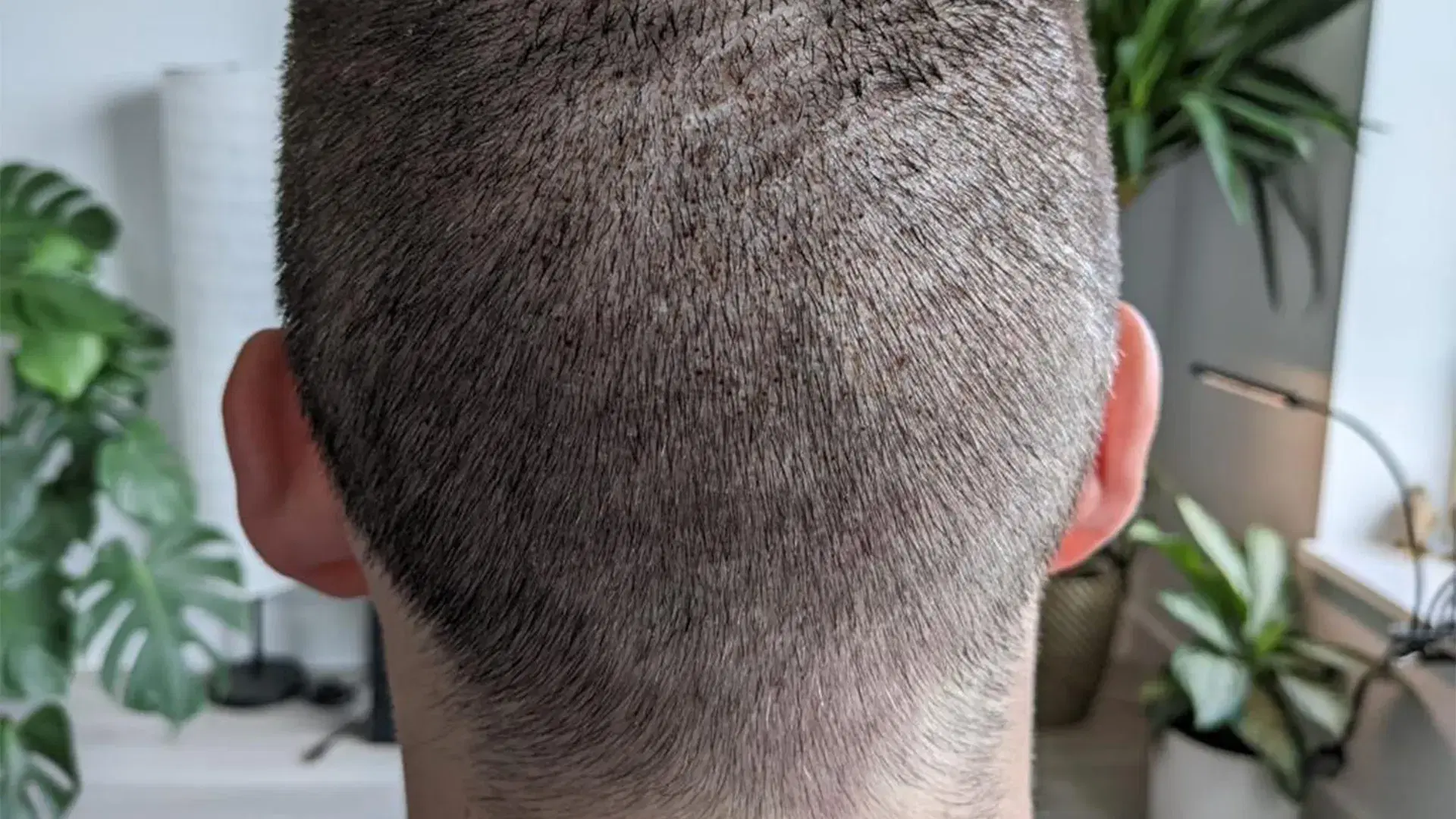
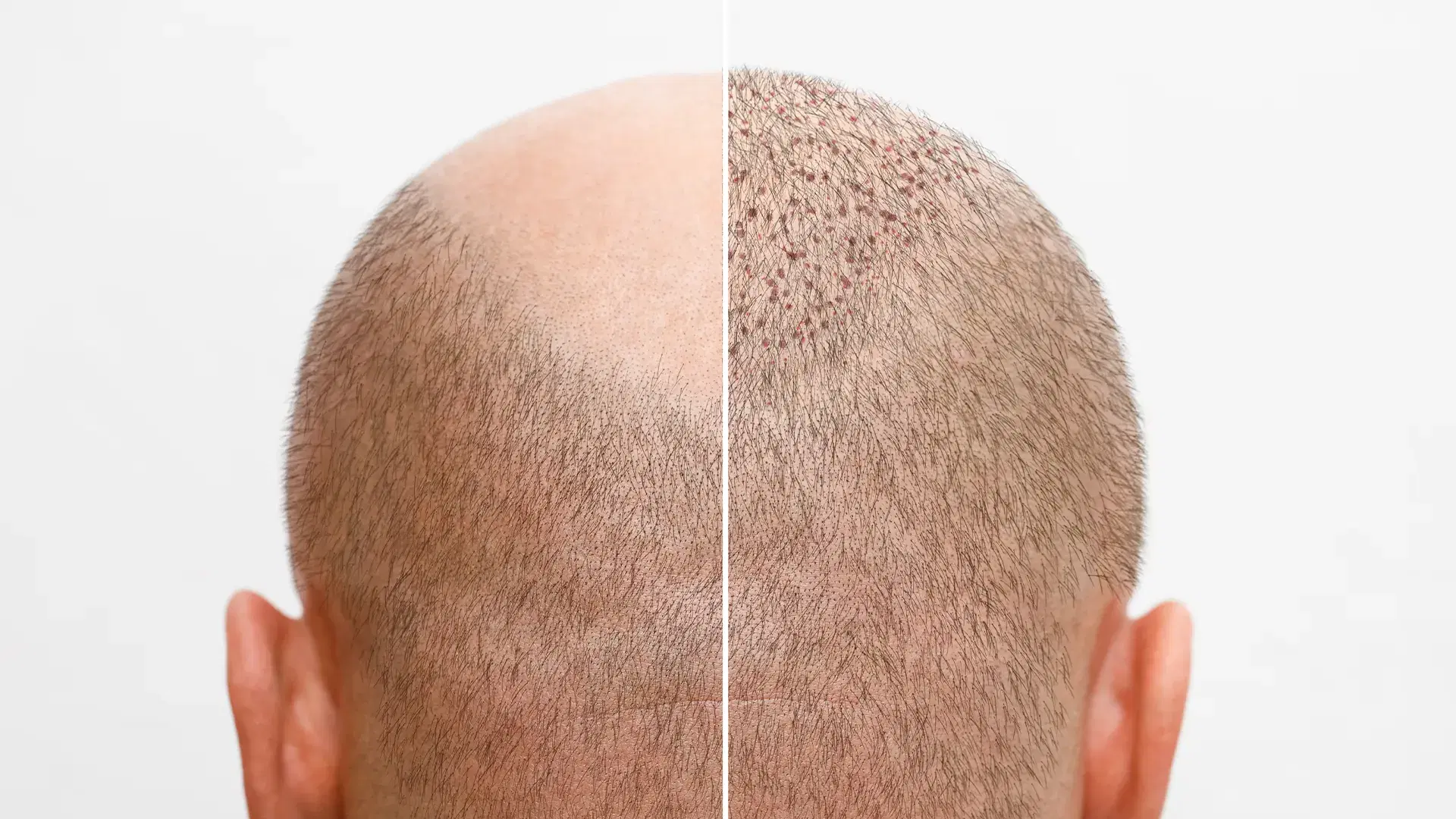
After an FUE (Follicular Unit Extraction) procedure, small extraction sites are typically visible as tiny red dots in the donor area. Following an FUT (Follicular Unit Transplantation) procedure, a linear incision is usually present at the back of the scalp and is closed with sutures or staples.

In both cases, the following temporary symptoms may occur:

  • Redness: Mild redness around the donor area is common during the early healing period.

  • Swelling: Temporary swelling may develop around the donor area and, in some cases, extend toward the forehead.

  • Scabbing: Small scabs may form over extraction sites or along the incision line as part of the natural healing process.

  • Tenderness or Numbness: Mild discomfort, sensitivity, or temporary numbness may occur and usually improves as healing progresses.

These postoperative changes are generally expected and tend to improve gradually over the days and weeks following the procedure.

For a detailed overview of healing stages and care recommendations, see our guide on after hair transplant recovery.

Hair Transplant Donor Area Recovery: A Week-by-Week Timeline

Hair Transplant Donor Area Recovery: A Week-by-Week Timeline

Recovery of the donor area occurs gradually over several weeks and months. Healing speed can vary depending on the technique used, the number of grafts harvested, individual healing capacity, and adherence to postoperative instructions.

The First 48 Hours: Early Healing Phase

  • Protection: The donor area should be kept clean and protected according to postoperative instructions.

  • Redness and Swelling: Mild redness and temporary swelling are common during the first few days.

  • Discomfort: Mild tenderness or discomfort may occur and is often manageable with prescribed medications.

  • Hair Washing Restrictions: Specific washing instructions are usually provided by the medical team.

Week 1: Scabbing and Initial Recovery

  • Scab Formation: Small scabs commonly develop around extraction sites as part of the natural healing process.

  • Gentle Washing: Hair washing typically resumes according to the clinic's postoperative protocol.

  • Reduced Redness: Visible redness often begins to decrease during this period.

  • Itching: Mild itching may occur as healing progresses. For additional information, see our guide on how to manage itching after a hair transplant.

Weeks 2-4: Continued Healing

  • Scab Resolution: Most scabs have usually fallen away by the end of this period.

  • Improved Appearance: The donor area often begins to look significantly more natural.

  • Temporary Shock Loss: Some patients may experience temporary shedding of nearby hairs, which often resolves over time.

  • Hair Regrowth: Hair growth in the donor area gradually helps conceal signs of the procedure.

1-3 Months: Recovery and Stabilization

  • Ongoing Hair Growth: Hair in the donor area continues to grow and mature.

  • Healing Progress: External healing is often largely complete within this period, although recovery timelines can vary between individuals.

  • Resolution of Sensations: Temporary numbness, sensitivity, or minor discomfort generally improves as healing continues.

Shock Loss and Overharvesting in the Donor Area

Common Concerns: Shock Loss and Overharvesting in the Donor Area

Although donor area recovery is usually straightforward, patients often have questions about potential side effects and complications that may occur after a hair transplant procedure.

Shock Loss in the Donor Area

Shock loss refers to temporary hair shedding that can occur in the donor area after a hair transplant. This response is thought to be related to the stress of the procedure and the healing process. In most cases, the affected follicles remain healthy and re-enter the normal growth cycle after a period of rest. New hair growth is often observed within several months.

Overharvesting

Overharvesting occurs when an excessive number of grafts are removed from the donor area relative to its available density. This may result in visible thinning, uneven density, or patchy areas in the donor region. Careful graft planning and proper extraction techniques are important for preserving the appearance and long-term viability of the donor area. A thorough assessment before surgery helps determine how many grafts can be harvested safely while maintaining natural-looking donor density.

Long-Term Care for a Healthy Donor Area

Long-Term Care for a Healthy Donor Area

Maintaining healthy habits after donor area recovery can help support scalp health and preserve the appearance of the donor region over time.

  • Gentle Hair Care: Use mild shampoos and conditioners that are appropriate for your scalp type. Limiting harsh chemicals and excessive heat exposure may help reduce unnecessary stress on the hair and scalp.

  • Sun Protection: Protect the scalp from prolonged sun exposure, particularly during the first months after the procedure. Hats and other protective measures may help reduce sun-related irritation.

  • Healthy Lifestyle: A balanced diet, adequate hydration, regular sleep, and stress management can support overall hair and scalp health.

  • Follow-Up Visits: Attending recommended follow-up appointments allows the recovery process to be monitored and provides an opportunity to discuss any concerns with the medical team.

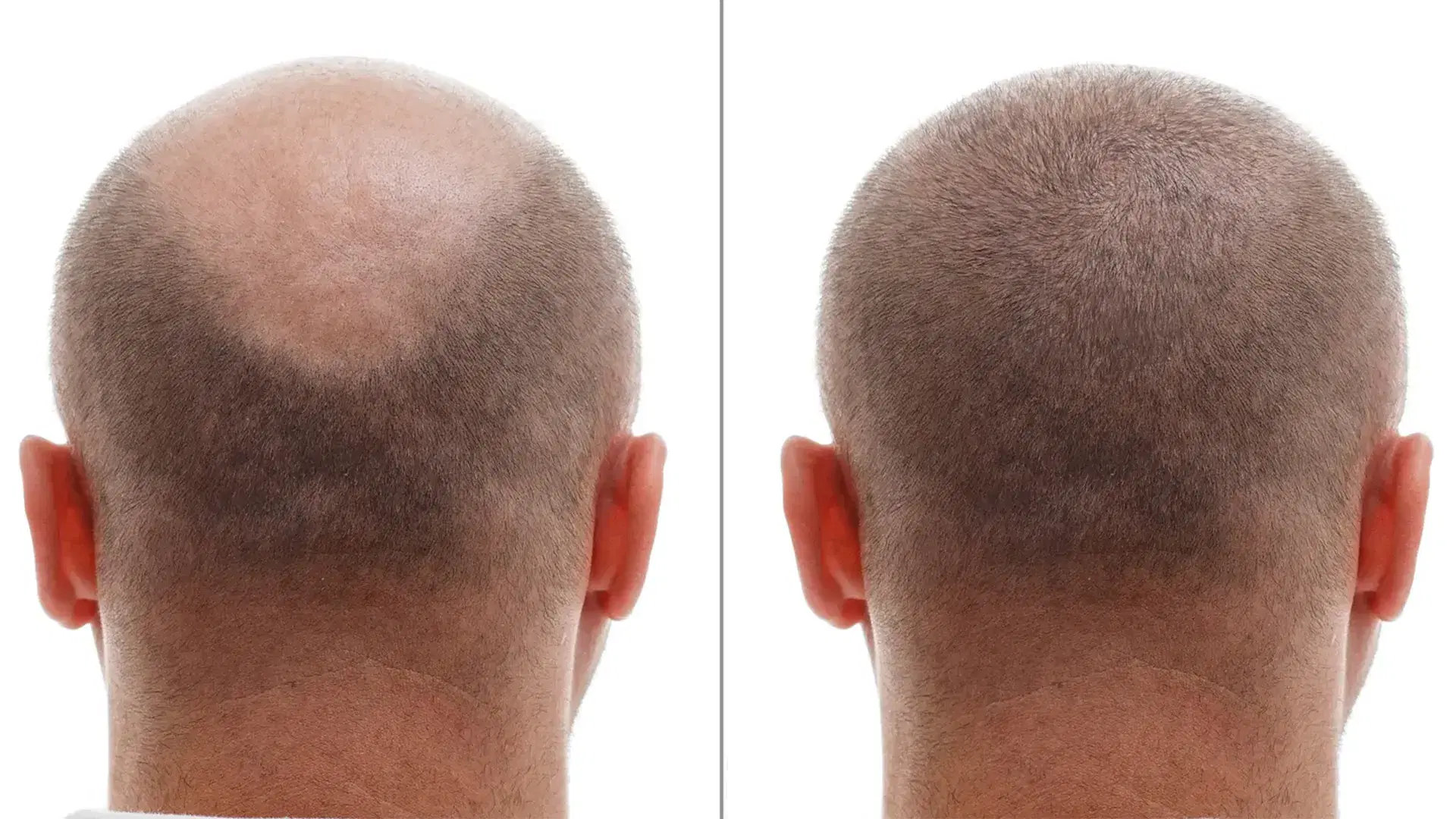
Will My Donor Area Look Thinner After the Procedure?


This is a very common question, and the answer largely depends on the skill of your surgeon and the technique used. With modern FUE techniques, a good surgeon will distribute the extractions evenly across a wide area of the donor scalp, ensuring that no single spot is over-harvested. This meticulous approach means that once the surrounding hair grows back to its normal length, any thinning in the donor area should be virtually imperceptible to the naked eye. The goal is always to maintain a natural density and appearance, making it impossible for others to tell that grafts have been removed.