Esthetic Hair Clinic logo

Grafts for Hair Transplant: How Many Do You Really Need?

The grafts you need depend on baldness level, donor strength, and your goals; understanding graft count makes it clearer
Dr. Nadiye HACIÖMEROĞLUPhysician
·
10 min read
·
February 5, 2026
About Us Esthetic Hair

Grafts for Hair Transplant: How Many Do You Really Need?

One of the most common questions people ask before a hair transplant is: How many grafts do I need? The answer varies from person to person because every hair loss pattern is different. The number of grafts required depends on factors such as the extent of hair loss, the size of the area being treated, the quality of the donor area, and the level of density you hope to achieve.

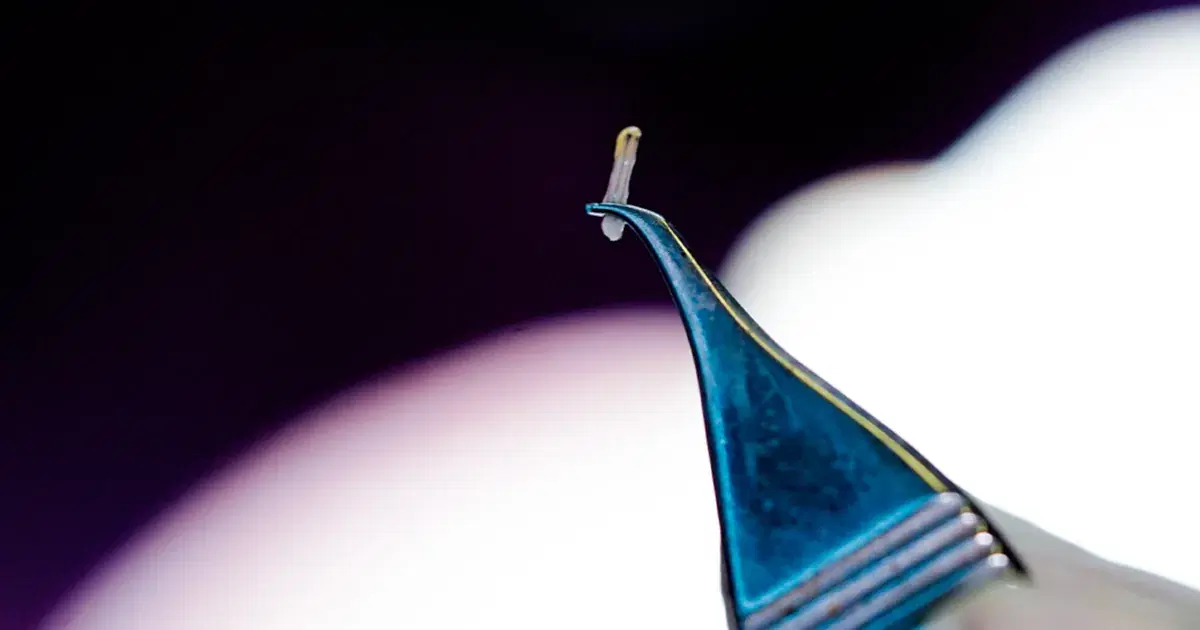
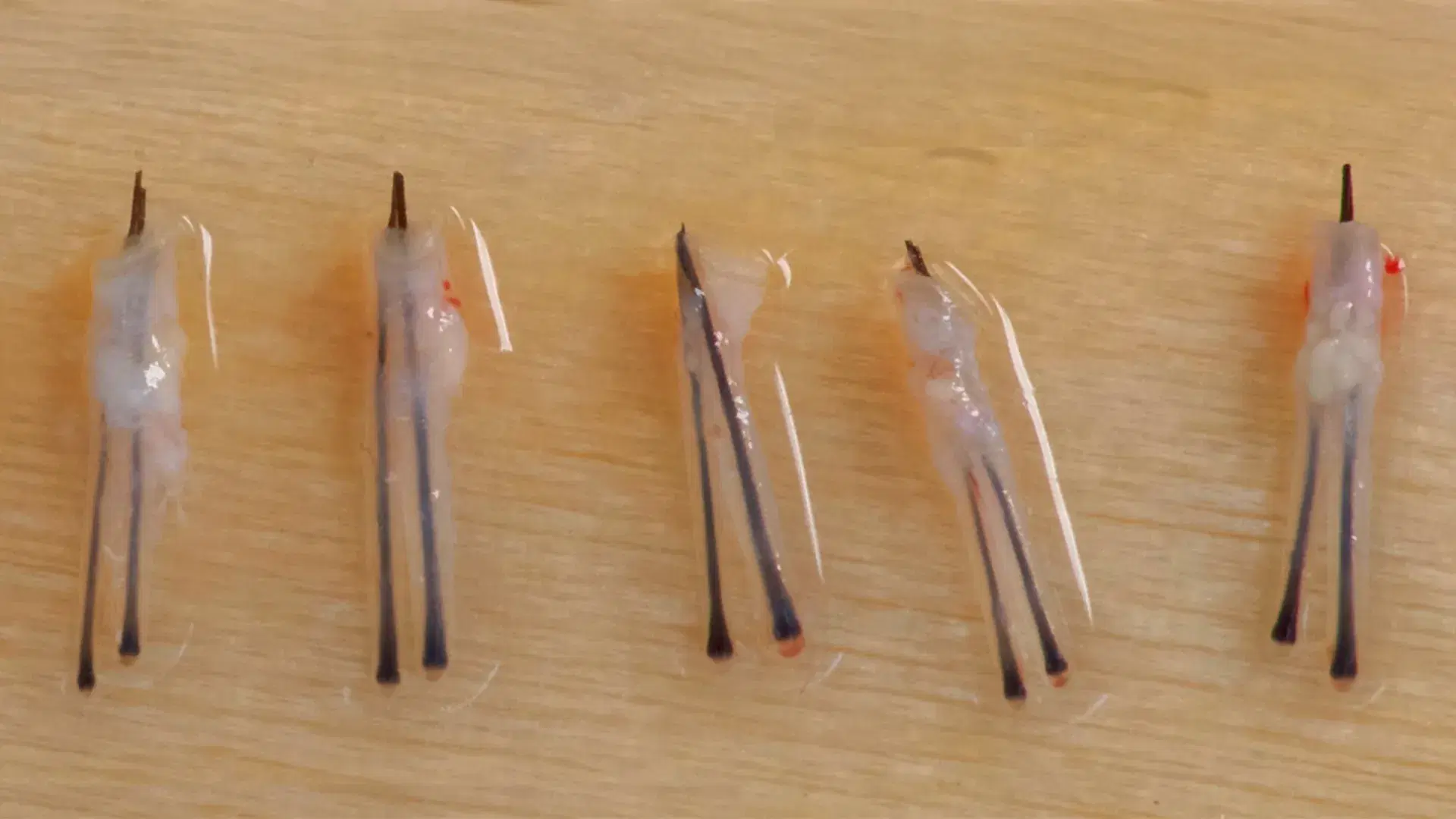
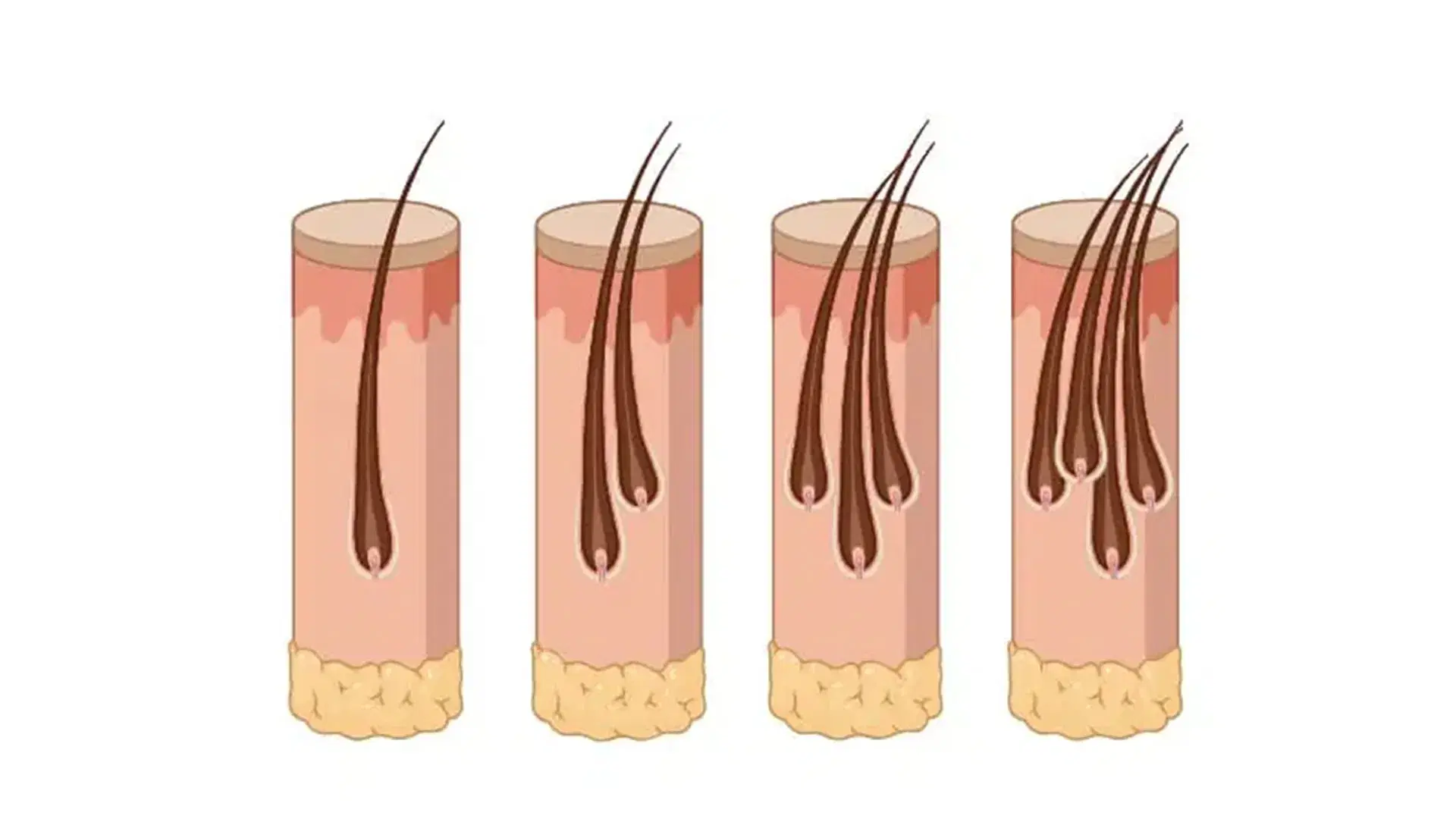
Understanding what a graft is can make the process easier to follow. A hair graft is a naturally occurring group of hair follicles removed from the donor area and transplanted into thinning or bald regions. Since each graft may contain one to four hairs, the total number of grafts does not directly equal the total number of hairs transplanted.

During a consultation, the surgeon evaluates your hair loss pattern, donor supply, and long-term goals to estimate how many grafts can be safely harvested and transplanted. This assessment helps create a treatment plan that balances natural-looking density with the preservation of donor hair for the future.
Start Your Personalized Hair Treatment Journey

Book a consultation and discover the most effective hair transplant or therapy option tailored to your hair needs and expectations.

What Are Grafts in Hair Transplants?

What Are Grafts in Hair Transplants?

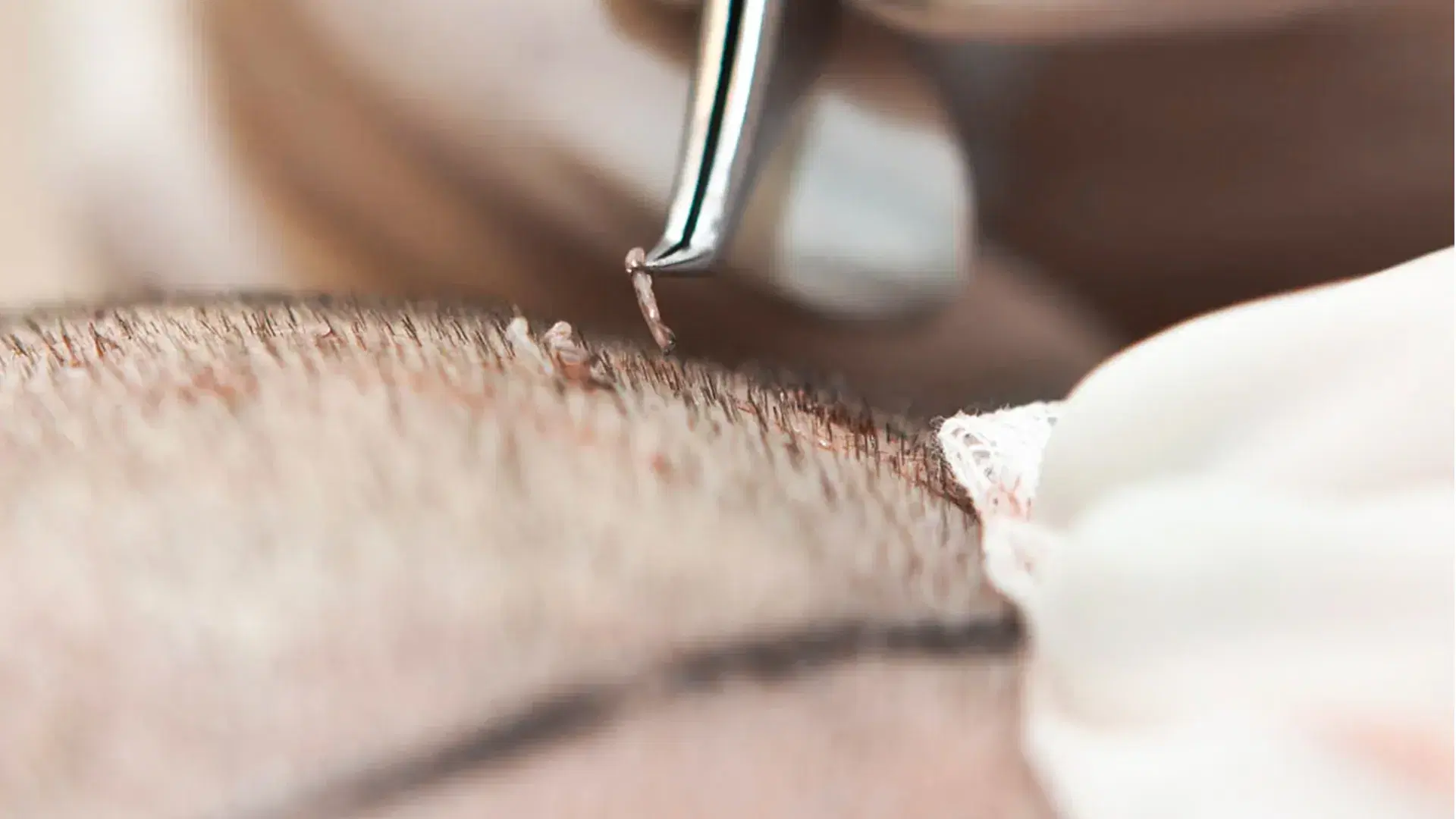
A graft is a naturally occurring group of scalp tissue that contains one or more hair follicles, typically producing between one and four hairs. During a hair transplant, these grafts are harvested from the donor area, most commonly the back and sides of the scalp, where follicles are generally more resistant to hair loss.

Once extracted, the grafts are carefully implanted into thinning or bald areas. Their placement is planned according to the natural direction, angle, and pattern of hair growth to create a balanced and natural-looking result.

The number of grafts required varies significantly between individuals. Factors such as the size of the treatment area, existing hair density, hair caliber, donor capacity, and desired coverage all influence graft calculations. Smaller procedures, such as restoring a receding hairline, generally require fewer grafts, while extensive crown or full scalp restoration often requires a substantially larger number.

Modern hair transplant planning focuses not only on maximizing graft numbers but also on distributing grafts strategically. This approach helps achieve natural density while preserving donor reserves for potential future treatments.

Grafts for Hair Transplant by Baldness Stage

Grafts for Hair Transplant by Baldness Stage

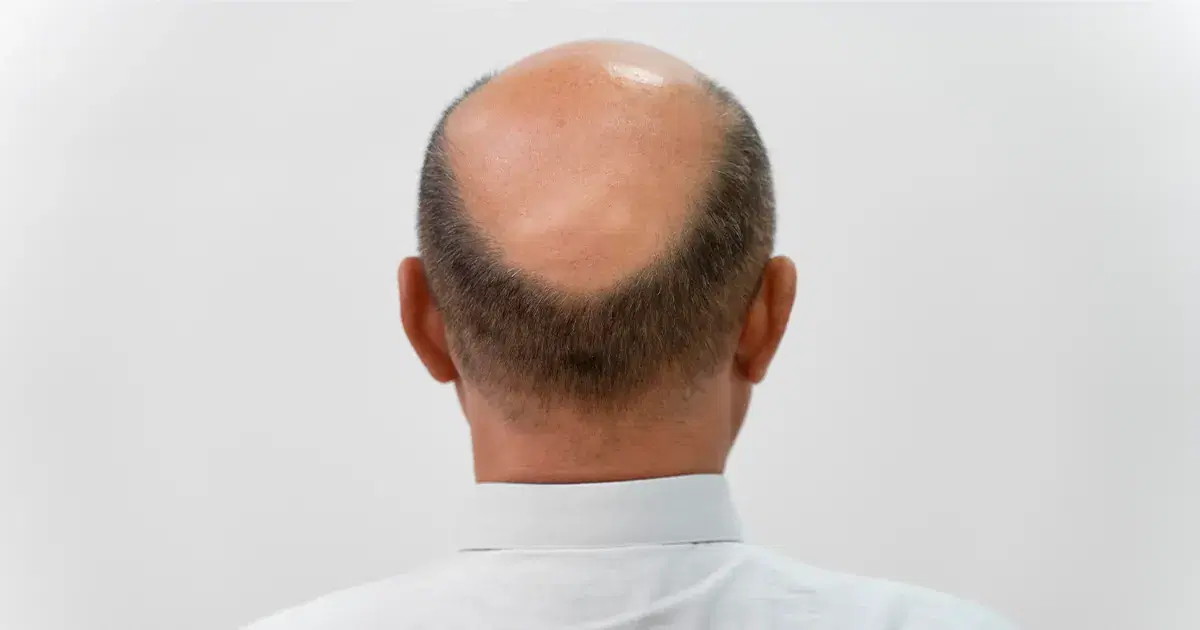
The number of grafts required for a hair transplant is often estimated using the Hamilton–Norwood Scale, a classification system that measures the extent of male pattern hair loss. While every patient requires an individualized assessment, the scale provides a useful reference point for understanding typical graft requirements.

  • Stage 2: Approximately 800–1,200 grafts for mild temple recession and early hairline changes.

  • Stage 3: Approximately 1,500–2,000 grafts for a more noticeable receding hairline and frontal thinning.

  • Stage 4: Approximately 2,000–2,500 grafts for frontal restoration and early crown involvement.

  • Stage 5: Approximately 2,500–3,000 grafts when frontal and crown thinning become more extensive.

  • Stage 6: Approximately 3,500–4,000 grafts for larger connected areas of hair loss.

  • Stage 7: Approximately 4,500–6,000 or more grafts for advanced hair loss requiring broad coverage.

These figures should be viewed as general estimates rather than exact requirements. Factors such as donor density, hair caliber, scalp characteristics, existing hair coverage, and desired density can significantly influence the final graft count recommended by the surgeon.

For more information about procedure pricing and treatment options, visit our hair transplant cost page, which includes details about both DHI and FUE hair transplant procedures.

Factors That Change the Graft Count

Factors That Change the Graft Count

Every hair transplant is planned individually, and the number of grafts required can vary significantly between patients. Several factors influence how many grafts can be transplanted and how dense the final result appears.

Donor Density

The quality and density of the donor area are among the most important factors in treatment planning. Patients with higher donor density generally have more available follicles for transplantation, allowing broader coverage and greater flexibility when designing density.

Hair Thickness and Characteristics

Hair caliber plays a major role in visual coverage. Thicker hair shafts typically provide more scalp coverage per graft, often creating the appearance of greater density. Hair color, curl pattern, and contrast between hair and scalp can also influence the final aesthetic result.

Desired Density and Hairline Design

The number of grafts required depends largely on the patient's goals. A conservative hairline restoration may require fewer grafts than a procedure designed to achieve higher frontal density or extensive crown coverage. Treatment planning seeks to balance natural appearance with long-term donor preservation.

Previous Hair Transplant Procedures

Patients who have undergone previous hair transplant surgery may have reduced donor reserves or scar tissue that affects graft placement and survival. These factors are considered carefully when determining the optimal graft count and treatment strategy.

Individualized Treatment Planning

At Esthetic Hair, treatment planning focuses on maximizing the potential of the donor area while preserving its long-term health. Rather than concentrating solely on graft numbers, the objective is to distribute available follicles strategically to achieve natural-looking coverage and balanced density.

To learn more about the relationship between density and visual coverage, read our guide to hair density and coverage.

Costs and Expectations

Costs and Expectations

Hair transplant costs vary depending on several factors, including the clinic, surgeon experience, treatment technique, geographic location, and the extent of hair restoration required. Procedures performed using techniques such as FUE, DHI, or Sapphire FUE may differ in complexity, treatment time, and pricing structure.

Many clinics calculate costs based on the number of grafts transplanted. Under this model, pricing often increases as larger areas require more grafts to achieve the desired level of coverage and density.

Costs can also vary substantially between countries. In regions such as the United States and parts of Western Europe, hair transplant procedures are often associated with higher treatment costs. Countries such as Turkey have become popular destinations for hair restoration due to the availability of experienced medical teams and more competitive pricing structures.

At Esthetic Hair, treatment planning focuses on achieving the highest possible coverage and natural-looking results while preserving the long-term health of the donor area. Rather than emphasizing graft-based pricing alone, the goal is to determine how many grafts can be safely transplanted to create balanced and sustainable results tailored to each patient.

Results: What Grafts Can Really Do

The success of a hair transplant is not determined by graft numbers alone. Equally important is how those grafts are distributed across the scalp. Strategic placement influences hairline design, density perception, coverage, and the overall natural appearance of the final result.

A well-planned procedure can often achieve excellent visual density with a relatively moderate number of grafts. Careful attention to hair direction, angle, spacing, and graft selection allows the transplanted hair to blend naturally with existing hair. Conversely, a larger graft count does not automatically guarantee a better outcome if placement is poorly planned or density is distributed inefficiently.

For this reason, experienced surgeons focus not only on the quantity of grafts available but also on how those grafts are allocated to create the most natural and balanced result possible while preserving donor resources for the future.

To learn more about graft counts, coverage expectations, and treatment planning, visit our guide on hair grafts, where we explore graft numbers, density considerations, and real-world restoration outcomes in greater detail.

Start Your Personalized Hair Treatment Journey

Book a consultation and discover the most effective hair transplant or therapy option tailored to your hair needs and expectations.