
Esthetic Hair Logo header svg
Red Light Therapy Benefits for Hair Growth After Transplant
Badge Icon

LLLT

Red Light Therapy Benefits for Hair Growth After Transplant


Red Light Therapy is a painless, non-invasive treatment that helps stimulate hair follicles and support natural growth. It improves blood circulation, reduces inflammation, and strengthens weak hair.

This therapy is ideal for post-hair transplant recovery or early-stage thinning, offering a safe, chemical-free way to enhance hair density and scalp health with no downtime.


What is Red Light Therapy?

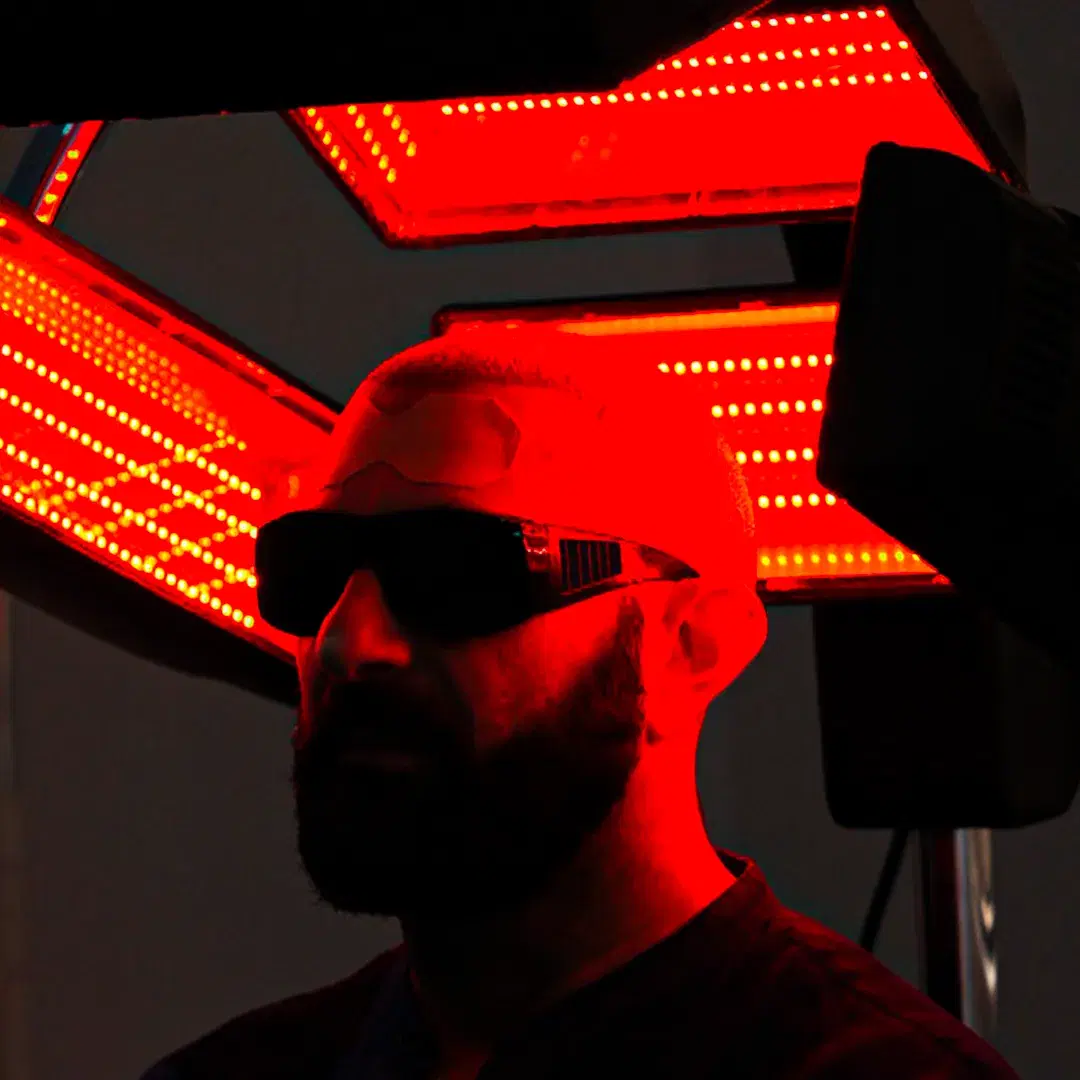
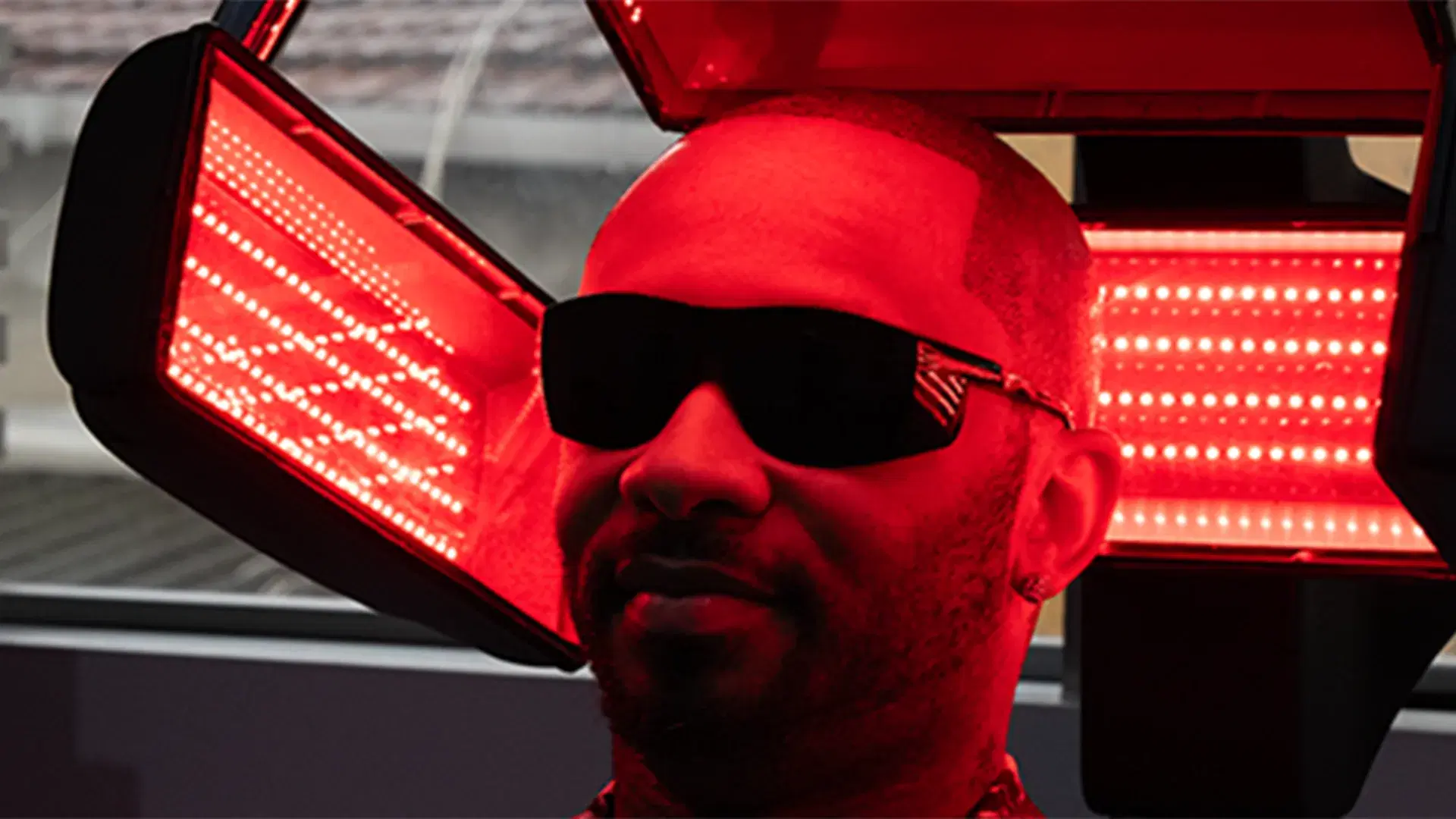
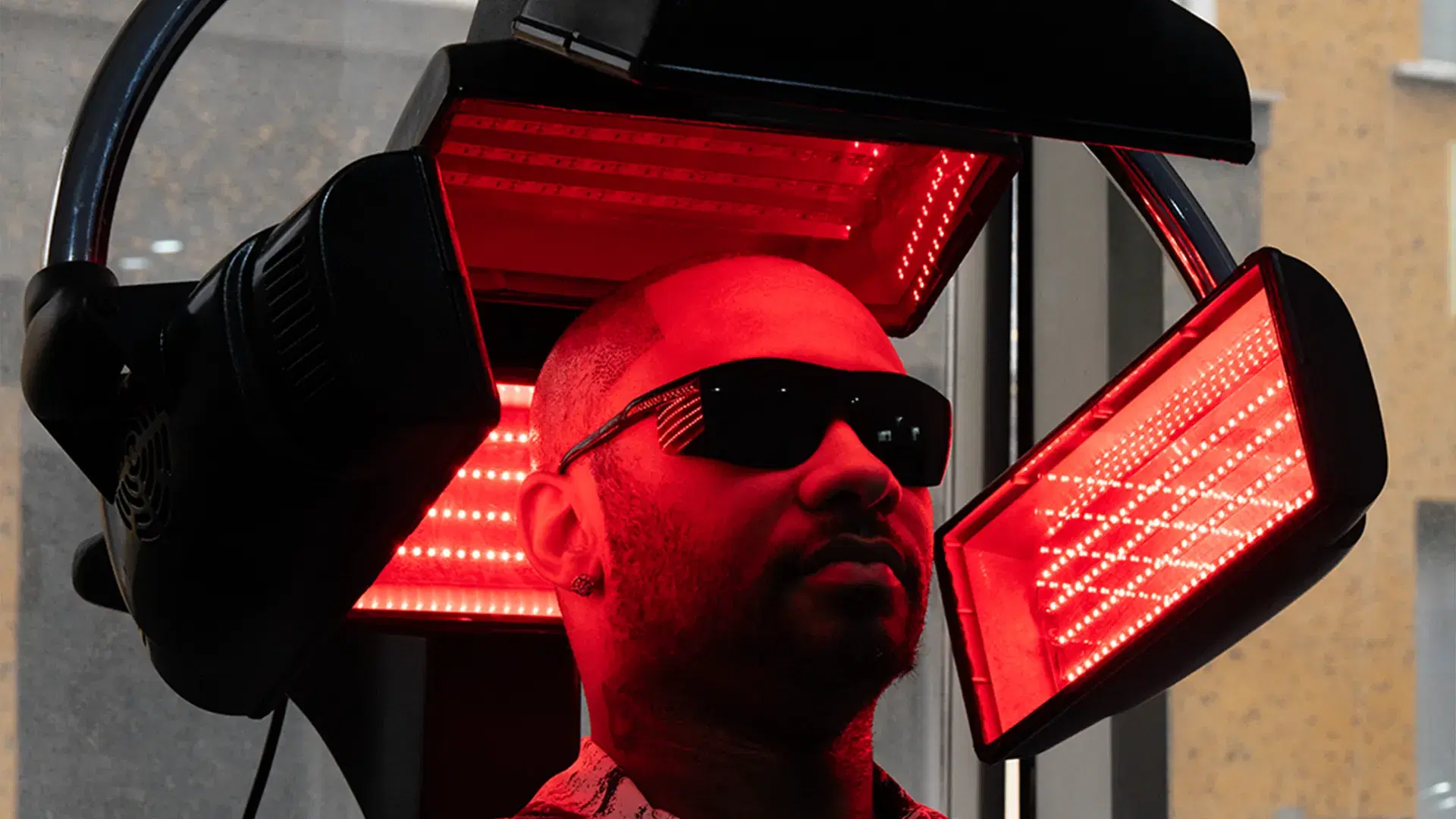
Red light therapy, also known as low-level light therapy (LLLT), uses safe red or near-infrared wavelengths to stimulate scalp cells. Unlike harsh UV rays, this light penetrates tissue without heat or damage.

It improves blood circulation, reduces inflammation, and energizes hair follicles, helping strengthen thinning hair and support natural growth. Widely used in medicine for healing and regeneration, it’s now a popular non-invasive solution for hair restoration.

Red Light Therapy Benefits for Hair Growth After Transplant

How Does Red Light Therapy work After Hair Transplant?

After a hair transplant, your scalp needs time to heal and for the transplanted follicles to settle securely. Red light therapy penetrates deep into scalp cells, boosting energy production in the mitochondria — the natural power plants of your cells.

This increased energy accelerates tissue repair, improves blood circulation, and reduces inflammation, creating an ideal environment for follicles to grow. The therapy also stimulates hair follicles directly, helping transplanted hairs grow stronger, healthier, and more resilient. With regular sessions, patients often notice faster recovery, improved density, and better overall scalp health, making red light therapy a valuable complement to post-transplant care.


DHI Hair Transplant
Benefits of red light therapy for hair transplant patients

Benefits of red light therapy for hair transplant patients

Red light therapy is a powerful, non-invasive treatment that complements hair transplant recovery. It helps accelerate healing, strengthen transplanted follicles, and support healthier, long-term hair growth.


Speeds Up Healing

Red light therapy reduces redness, swelling, and inflammation after hair transplant surgery. By stimulating cellular repair and boosting blood flow, it helps the scalp recover faster, with less discomfort and minimal downtime.


Stimulates Hair Follicles

The therapy energizes dormant follicles and reinforces newly transplanted hairs. This encourages thicker, healthier growth and improves the survival rate of grafts for more consistent results.


Non-Invasive and Painless

Red light therapy is completely non-invasive. There are no needles, incisions, or pain, making it an easy and stress-free addition to your post-transplant care routine.


Improves Scalp Health

By increasing circulation and oxygen delivery to the scalp, red light therapy nourishes follicles and enhances the overall health of the scalp. A well-nourished scalp provides a stronger foundation for lasting hair growth.


Supports Long-Term Results

Regular sessions help maintain and even enhance hair transplant outcomes. The treatment supports sustained follicle activity, reduces shedding, and protects your investment in hair restoration over time.


Enhances Overall Hair Quality

Beyond density, red light therapy can improve hair texture, making strands stronger, shinier, and more resilient. Combined with proper post-transplant care, this contributes to a fuller and more natural-looking result.

Red Light Therapy vs. Other Hair Loss Treatments

Red light therapy stands out among non-surgical hair treatments because it works without chemicals or hormones. Unlike medications or topical solutions, it uses low-level red or near-infrared light to stimulate follicle activity, improve scalp circulation, and boost cellular energy, making it a safe and complementary option alongside other hair therapies.


Compared to Medications

Medications like minoxidil and finasteride work through chemical or hormonal mechanisms. While effective for some patients, they can cause side effects such as scalp irritation, itching, or hormonal changes. Red light therapy avoids these risks entirely and can safely complement these medications, enhancing their overall effectiveness without adding additional side effects.


PRP for Hair Loss

PRP therapy relies on growth factors derived from your own blood to stimulate follicle activity. While PRP directly nourishes follicles, red light therapy energizes them at the cellular level, improving mitochondrial function and circulation. Combining RLT with PRP often leads to faster, stronger, and more sustainable hair growth.


Stem Cell Therapy

Stem cell treatment regenerate dormant follicles and repair scalp tissue at a deeper level. Red light therapy complements this by increasing oxygenation and blood flow, creating an optimal environment for regenerated follicles to thrive. This synergistic effect can enhance the longevity and quality of results.


Mesotherapy

Mesotherapy delivers vitamins, minerals, and nutrients directly into the scalp. Red light therapy enhances absorption and effectiveness by improving microcirculation and stimulating follicle metabolism, helping the nutrients reach the target cells more efficiently.


Ozone Therapy

Ozone therapy increases oxygen availability in the scalp, improving cellular health. Red light therapy acts in concert by boosting cellular energy and mitochondrial activity, amplifying the benefits of improved oxygenation for stronger, healthier hair growth.


Red light therapy stands out because it is safe, non-invasive, and versatile, making it an ideal companion for almost any hair restoration plan. Whether used alone or alongside PRP, stem cells, mesotherapy, or ozone therapy, it strengthens follicles, supports scalp health, and helps achieve natural, lasting results.
Safety and Side Effects of Red Light Therapy

Red light therapy is widely recognized as a safe and non-invasive treatment for hair loss, with very few reported side effects. Because it uses low-level red or near-infrared light, it does not involve chemicals, drugs, or heat, making it gentle on the scalp and suitable for most patients.


Mild, Temporary Effects

Some users may notice a slight warmth, tingling, or mild redness on the treated area. These reactions are temporary and usually subside within a few hours. They are considered a normal part of the cellular stimulation process.


No Systemic Risks

Unlike medications such as minoxidil or finasteride, red light therapy does not affect hormones or internal organs. There is no risk of systemic side effects, making it a safe choice for long-term or repeated use.


Safety Guidelines

To maximize safety and effectiveness:

  • Follow your device’s instructions or your clinician’s guidance.

  • Avoid excessive exposure to prevent over-stimulation of follicles.

  • Use protective eyewear if recommended by the device manufacturer.

By adhering to proper treatment protocols, red light therapy offers a low-risk, non-invasive way to support hair growth while enhancing scalp health, making it a trusted option for patients seeking gentle yet effective hair restoration.

Where to Get a Red Light Therapy?

Where to Get a Red Light Therapy?

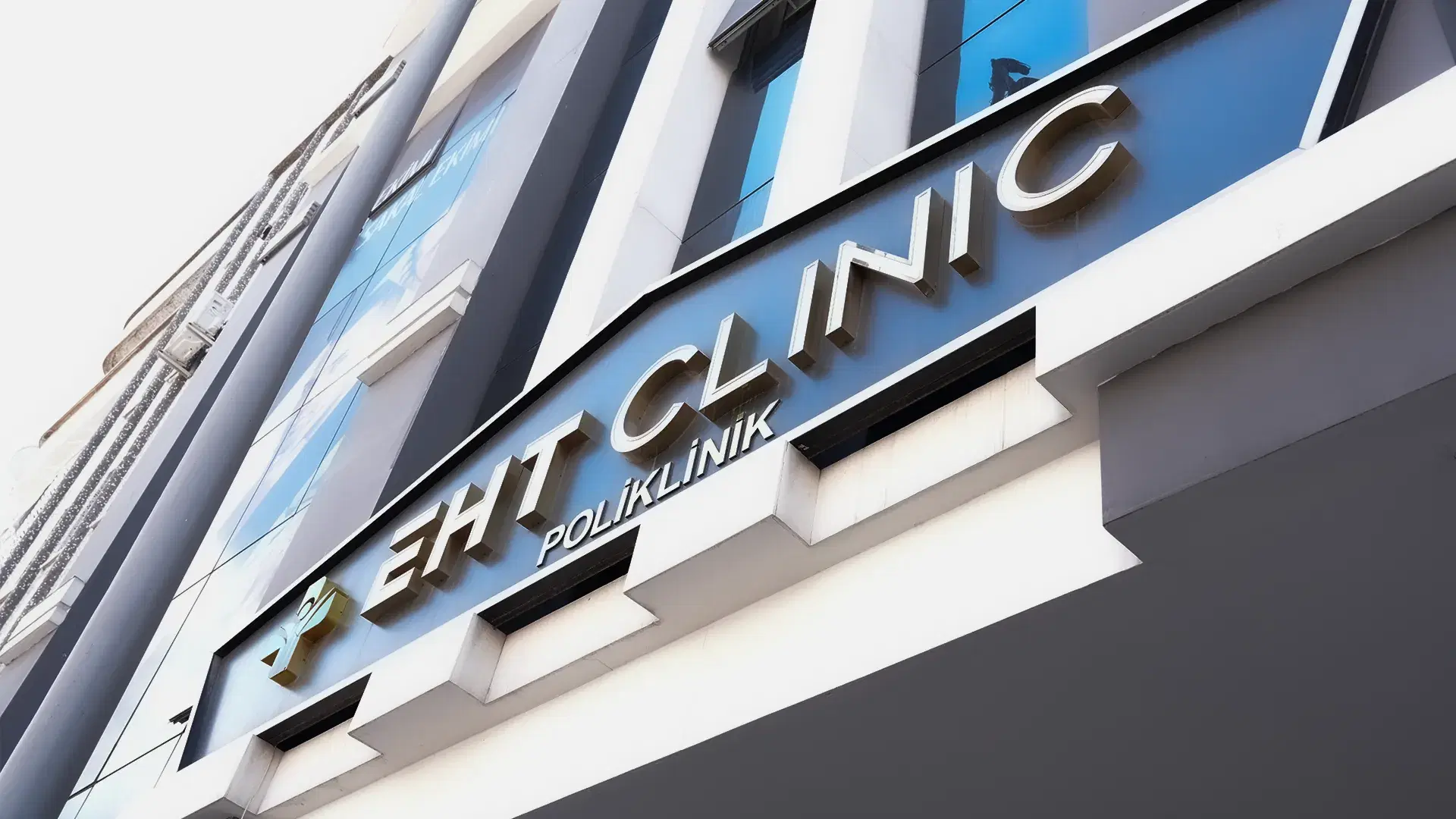
Red light therapy delivers the best results when performed in a professional clinic using medical-grade devices. At Esthetic Hair Clinic, each session is customized to your hair type, scalp condition, and transplant stage, ensuring precise energy delivery for optimal follicle stimulation.

Professional supervision guarantees correct session duration, frequency, and intensity—factors that home devices often cannot replicate. This controlled approach supports faster healing, strengthens newly transplanted follicles, and promotes healthier long-term hair growth.

Choosing a clinic like Esthetic Hair also ensures safety, consistent monitoring, and integration with other post-transplant therapies, maximizing your overall hair restoration results.

question

FAQ

Red Light Therapy FAQ