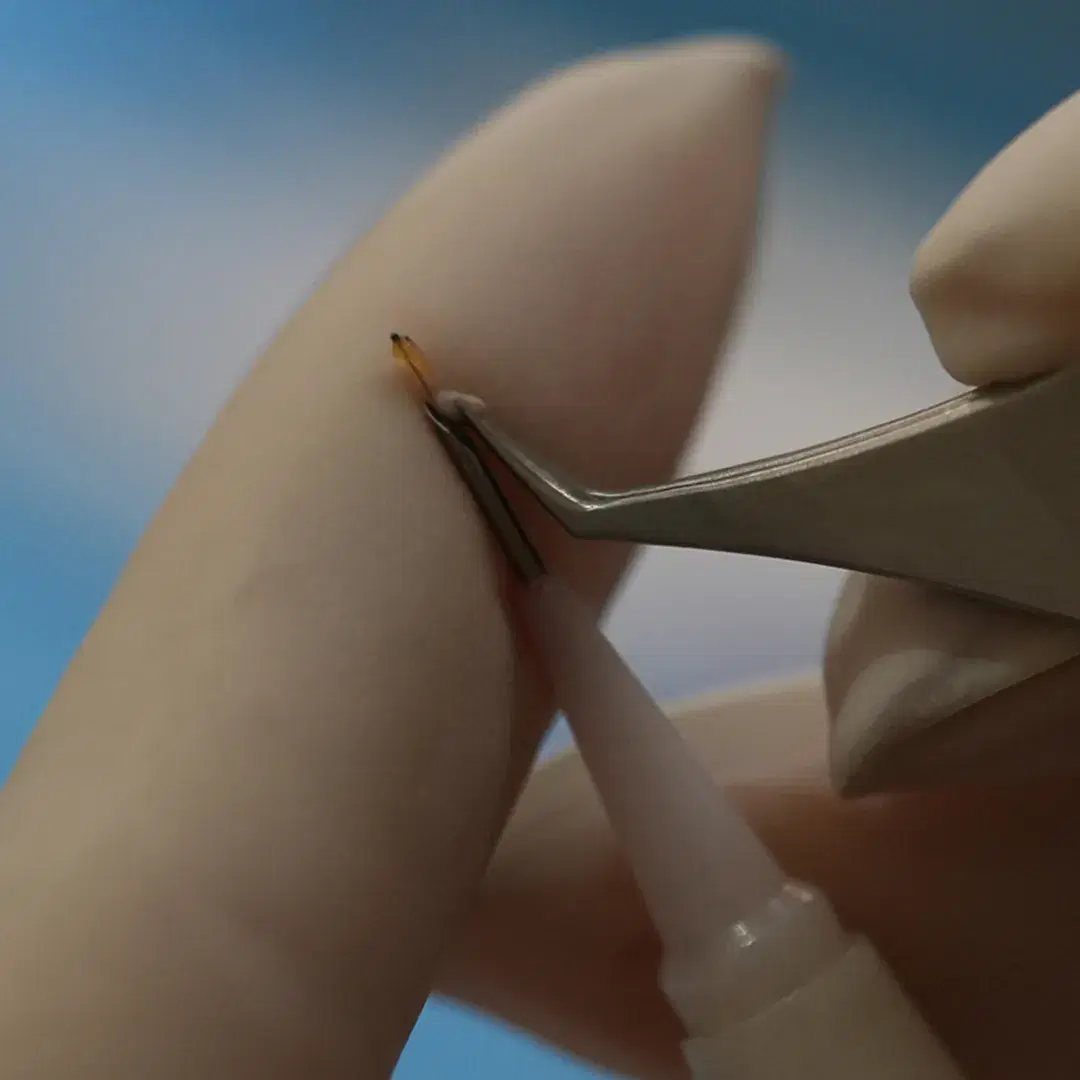
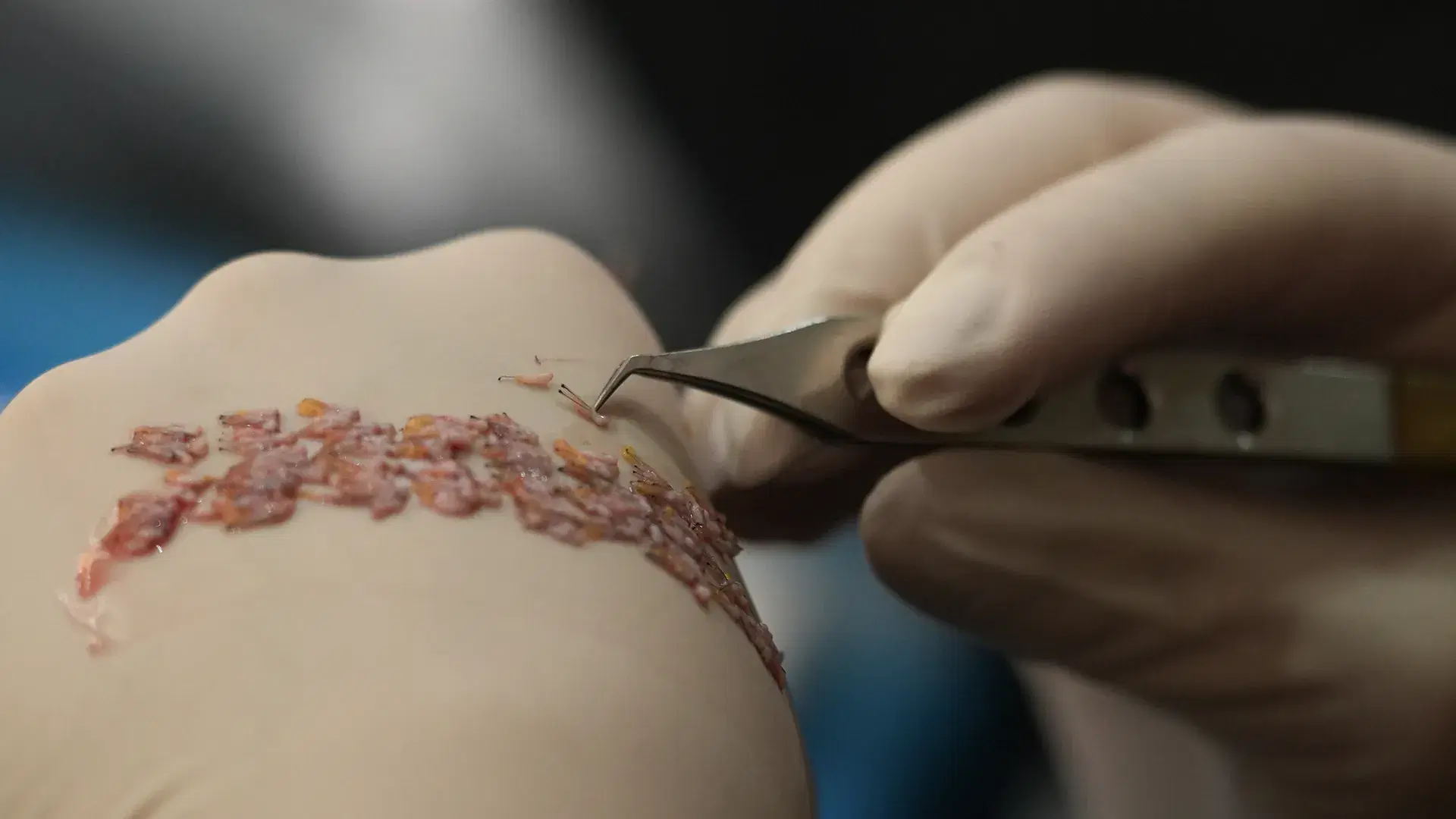
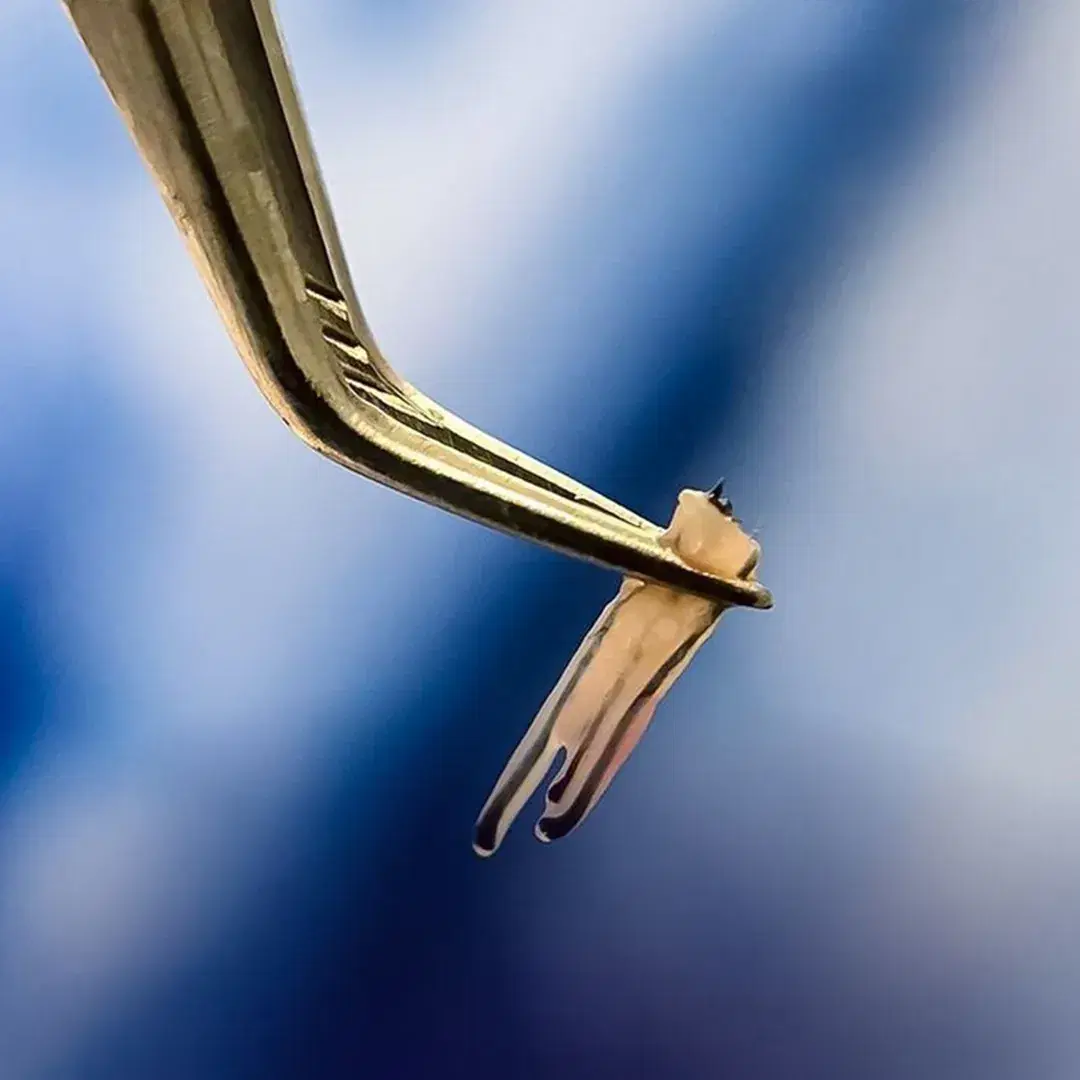
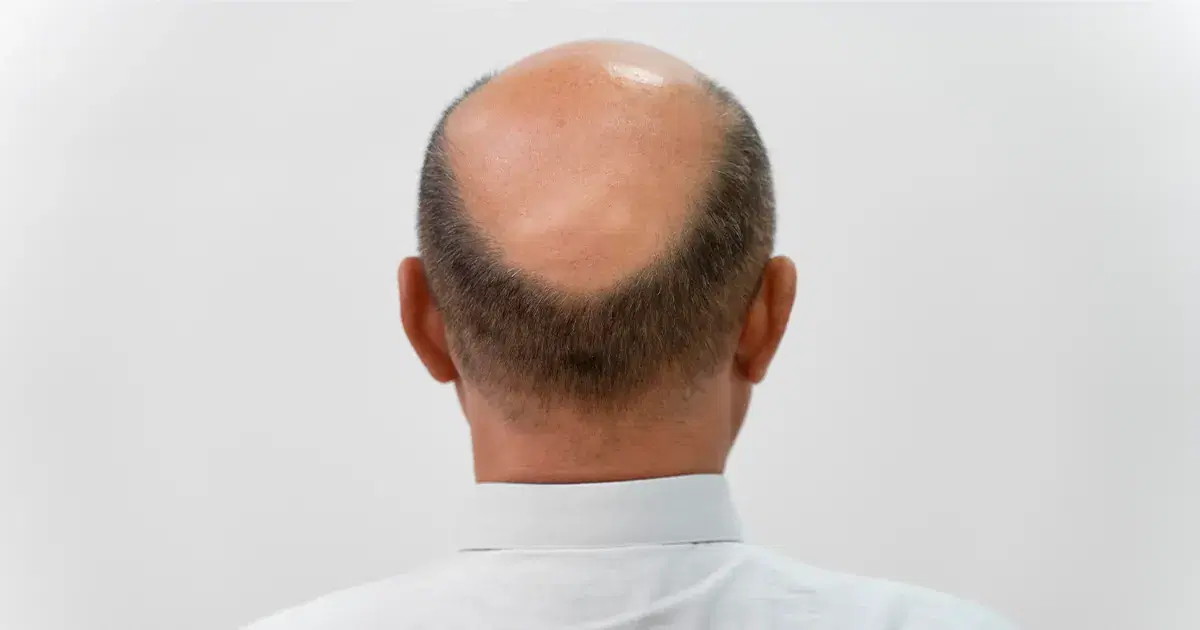
During a hair transplant, grafts are carefully harvested from the donor area using techniques such as FUE or DHI. Each graft contains one or more hair follicles and is handled with precision to preserve follicle viability throughout the procedure. After extraction, the grafts are implanted into strategically planned recipient sites based on the desired hairline design, density, and growth pattern.
The placement of each graft is a critical part of the procedure. Factors such as angle, direction, depth, and spacing influence how naturally the transplanted hair will blend with existing hair. Careful graft distribution helps create a balanced appearance while maximizing the available donor supply.
Following transplantation, the follicles enter a normal healing process. During the first few weeks, many of the transplanted hairs shed in a temporary phase commonly known as shock loss. Although this can be concerning for patients, it is a normal part of the hair growth cycle and does not indicate graft failure.
New hair growth typically begins between three and four months after the procedure. As the follicles enter their active growth phase, the new hairs gradually become thicker and more visible. Noticeable improvements are often observed between six and nine months, while final maturation generally occurs between twelve and eighteen months. Individual results may vary depending on factors such as healing characteristics, hair caliber, graft survival, and adherence to post-operative care recommendations.
Clinical research has shown that transplanted follicles continue to behave like natural hair follicles after implantation and follow a predictable growth cycle. Source: Complications in Hair Transplantation.