
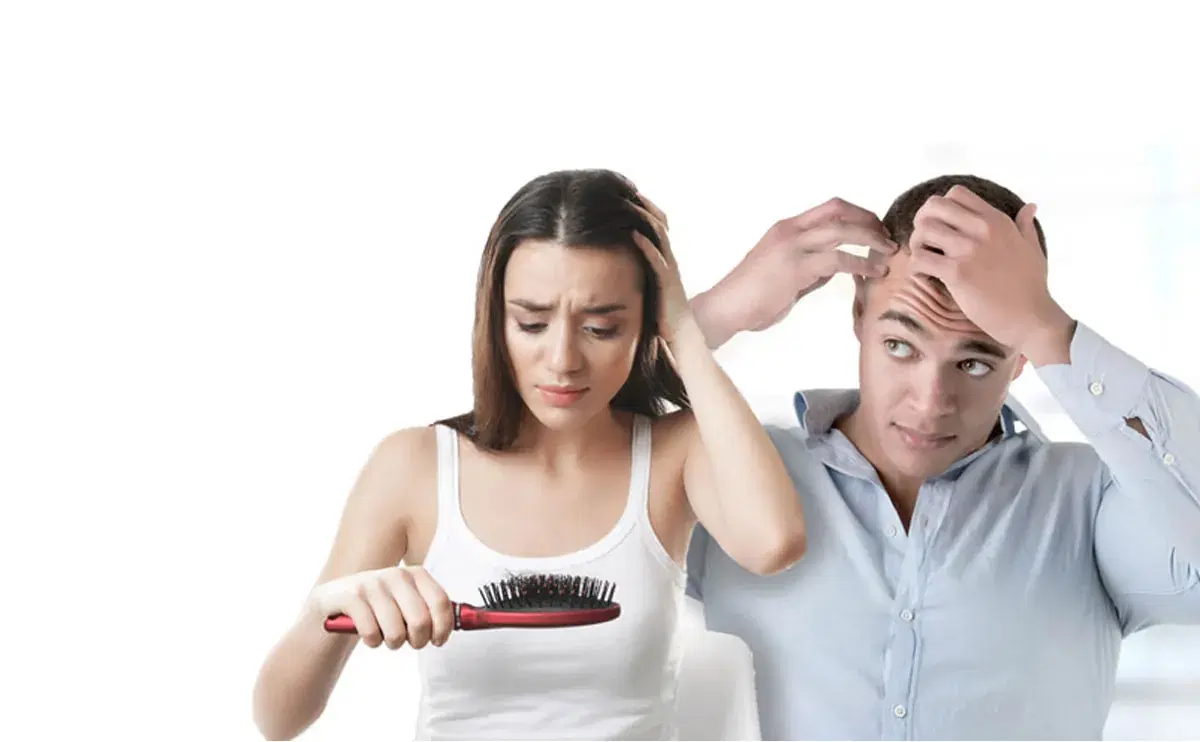
Hair loss is common, but the advice around it is often confusing. Some tips are harmless, some create unnecessary worry, and some delay the real step that matters: understanding why the shedding, thinning, or breakage is happening. This list clears up 10 hair loss myths so you can make calmer, more informed decisions about your scalp, routine, and when to seek professional help.
What should you believe about hair loss?
Believe the patterns, not the panic. Hair can shed because of genetics, stress, illness, tight styling, medications, hormonal shifts, nutritional issues, scalp conditions, or normal hair-cycle changes, so one simple explanation rarely fits everyone. The most useful approach is to notice what changed, look at where and how the hair is coming out, and get help if loss is sudden, patchy, painful, scaly, or persistent.
Use this list as a practical filter for common hair myths, not as a personal diagnosis. If you are losing hair quickly, seeing bald patches, or dealing with scalp irritation, a clinician can check for underlying causes and suggest treatment options that match the type of hair loss.
1. Myth: Washing your hair makes it fall out
Seeing strands in the shower can feel alarming, but washing usually reveals hair that was already ready to shed. Hair moves through growth, transition, resting, and shedding phases, so some shedding is part of the normal cycle. Shampoo does not typically pull healthy hair out by the root when used gently.
The truth is that scalp cleanliness can support a healthier hair environment. If you avoid washing because you fear shedding, oil, product buildup, and flakes may make the scalp feel worse. Choose a shampoo that suits your scalp, wash as needed, and avoid aggressive scrubbing with nails.
What matters most is the pattern. A few hairs in the drain is different from sudden handfuls, visible thinning, or shedding that continues for weeks after a trigger. If the amount seems clearly unusual for you, treat it as information rather than proof that shampoo is the problem.
2. Myth: Hats cause baldness
This is one of the most common hair myths because it sounds believable: a hat covers the scalp, so people assume it “smothers” follicles. Hair follicles receive what they need from blood supply beneath the skin, not from open air. A normal hat is not enough to cause genetic balding.
The truth is more specific. Headwear could contribute to breakage or irritation if it is extremely tight, dirty, or constantly rubbing the same area. That is different from causing pattern hair loss, which is strongly influenced by genetics and hormones.
If you wear hats often, keep them clean, avoid painful tightness, and give your scalp a break if you notice friction or tenderness. A hat can also protect exposed scalp from sun, which is especially useful if hair is already thinning.
3. Myth: Hair loss only happens to older men
Hair loss is often marketed as a men’s issue, but that leaves many people feeling isolated when it happens to them. Women, younger adults, and people of many backgrounds can experience shedding or thinning. The cause may be genetic, hormonal, medical, nutritional, stress-related, or related to styling practices.
The truth is that age and sex influence the pattern, but they do not decide whether hair loss is “real.” Men may notice recession at the temples or crown. Women may notice widening parts, diffuse thinning, or increased shedding. Younger people may notice sudden shedding after illness, stress, medication changes, or tight hairstyles.
Do not dismiss hair loss because you are “too young” or because it does not look like classic baldness. Early attention can help identify reversible causes, protect remaining hair, and reduce the trial-and-error phase that often comes with hair loss myths.
4. Myth: Stress always causes permanent hair loss
Stress can be connected to shedding, but the relationship is often misunderstood. Physical or emotional stress may push more hairs into a shedding phase, and that can show up weeks or months after the stressful event. This can feel sudden even though the trigger happened earlier.
The truth is that stress-related shedding is often not the same as permanent follicle damage. When the trigger improves and the body rebalances, shedding may gradually settle. However, stress can also overlap with other causes, so blaming stress alone may miss a treatable issue.
A practical response is to review the timeline. Ask yourself whether you recently experienced illness, major life strain, surgery, rapid weight change, childbirth, medication changes, or intense dieting. If shedding is severe, patchy, or prolonged, get evaluated instead of assuming relaxation alone will fix it.
5. Myth: Cutting your hair makes it grow back thicker
A haircut can make hair look fuller because blunt ends feel denser than tapered, split, or wispy ends. That visual improvement is real, but it does not change the follicle under the scalp. Hair thickness is determined at the follicle level, not by trimming the strand after it has grown.
The truth is that regular trims help manage breakage and shape. If your hair looks thin mainly because the ends are damaged, cutting can create a healthier appearance. It can also prevent splits from traveling higher up the strand, which helps preserve length over time.
Still, a trim is not a treatment for true shedding or follicle miniaturization. If your ponytail circumference is shrinking, your part is widening, or you see scalp through areas that used to be dense, look beyond the scissors. Styling choices can improve appearance, but diagnosis guides real treatment.
6. Myth: More brushing makes hair healthier
The old idea that hair needs endless brush strokes is not friendly to fragile strands. Brushing can distribute oils and smooth the surface, but too much brushing can cause mechanical stress. Wet hair, bleached hair, tightly curled hair, and heat-damaged hair may be especially vulnerable to breakage.
The truth is that gentle detangling is better than frequent force. Use a tool that suits your hair texture, start near the ends, and work upward instead of dragging knots from the root. If you hear snapping or see short broken pieces, the issue may be breakage rather than shedding from the root.
A better routine includes:
Detangling before washing if your hair tangles easily.
Using conditioner to add slip and reduce friction.
Patting or squeezing hair dry instead of rough towel rubbing.
Avoiding tight elastics that pull the same area daily.
Limiting heat when hair already feels brittle.
This is where myths about hair can blur two different problems. Hair shedding usually includes full strands, sometimes with a tiny bulb at the end. Breakage creates shorter pieces and can make hair look thinner even when follicles are still producing.
7. Myth: Tight hairstyles are harmless if they look good
Sleek ponytails, braids, buns, extensions, locs, and weaves can be beautiful, but tension matters. Styles that pull repeatedly on the same follicles can contribute to traction alopecia, a type of hair loss linked to chronic pulling. Early signs may include tenderness, bumps, broken hairs, or thinning along the hairline and temples.
The truth is not that protective styles are bad. The goal is to protect the hair without overloading the scalp. Looser installations, lower-tension parts, breaks between styles, and avoiding pain during or after styling can reduce risk.
Pay attention to warning signs. A style should not cause headaches, visible pulling, sores, or relief the moment it is removed. If thinning has already appeared around the edges, changing styling habits early may help prevent further damage.
8. Myth: Supplements fix most hair loss
Hair vitamins are popular because they promise a simple solution, but hair loss does not always come from a missing nutrient. Supplements may help when a true deficiency is present. If there is no deficiency, more is not automatically better.
The truth is that nutrition supports hair growth, but it is only one piece of the puzzle. Hair follicles need adequate protein, calories, vitamins, and minerals, yet shedding can also come from genetics, illness, medications, hormones, immune conditions, scalp infections, or traction. Some underlying causes may require testing or medical treatment.
Be especially cautious with extreme dieting. Rapid weight loss or restrictive eating can be a trigger for shedding in some people. If you suspect a nutritional issue, it is safer to ask about appropriate testing than to stack multiple supplements without guidance.
9. Myth: Hair loss treatments work overnight
It is natural to want fast results, but hair growth is slow. Many treatments require consistent use before changes are visible, and some people notice shedding fluctuations along the way. Stopping too early can make it impossible to judge whether the treatment was actually working.
The truth is that treatment depends on the cause. Options may include topical treatments, prescription medications, treating an underlying condition, changing hair-care practices, addressing inflammation, or managing scalp infection. Some treatments can help slow loss, support regrowth, or both, but they are not interchangeable for every diagnosis.
Before starting anything, take clear photos in the same lighting and part your hair the same way each time. Track shedding, symptoms, and product use. This gives you and your clinician a better view of progress than daily mirror checks, which can make normal variation feel like failure.
10. Myth: If your parents have hair loss, nothing can be done
Genetics can play a major role, especially in pattern hair loss, but inherited risk is not the same as having no options. Family history can help explain why thinning is happening, yet the timing, severity, and response to care vary from person to person.
The truth is that early recognition matters. Pattern hair loss often develops gradually, so people may not act until density has noticeably changed. Addressing it earlier may help preserve more hair than waiting until loss is advanced.
A practical plan may include confirming the type of hair loss, reviewing medications and health history, improving scalp and styling habits, and discussing evidence-based treatment choices. Even when regrowth is limited, slowing progression, improving coverage, and reducing breakage can still make a meaningful difference.
A simple checklist for sorting truth from hair loss myths
Use this quick checklist when you hear a new claim about hair loss:
Does it explain the cause, or does it blame one habit for every type of hair loss?
Does it distinguish shedding from breakage?
Does it promise instant results without a diagnosis?
Does it ignore scalp symptoms such as itching, pain, scaling, or sores?
Does it tell you to stop prescribed medication without medical advice?
Does it rely on fear, shame, or miracle language?
Does it encourage gentle care, realistic timelines, and professional help when needed?
If a claim fails several of these tests, treat it cautiously. Hair loss is emotional, and that makes people more vulnerable to confident-sounding advice. The best information usually leaves room for different causes and emphasizes matching the solution to the problem.