
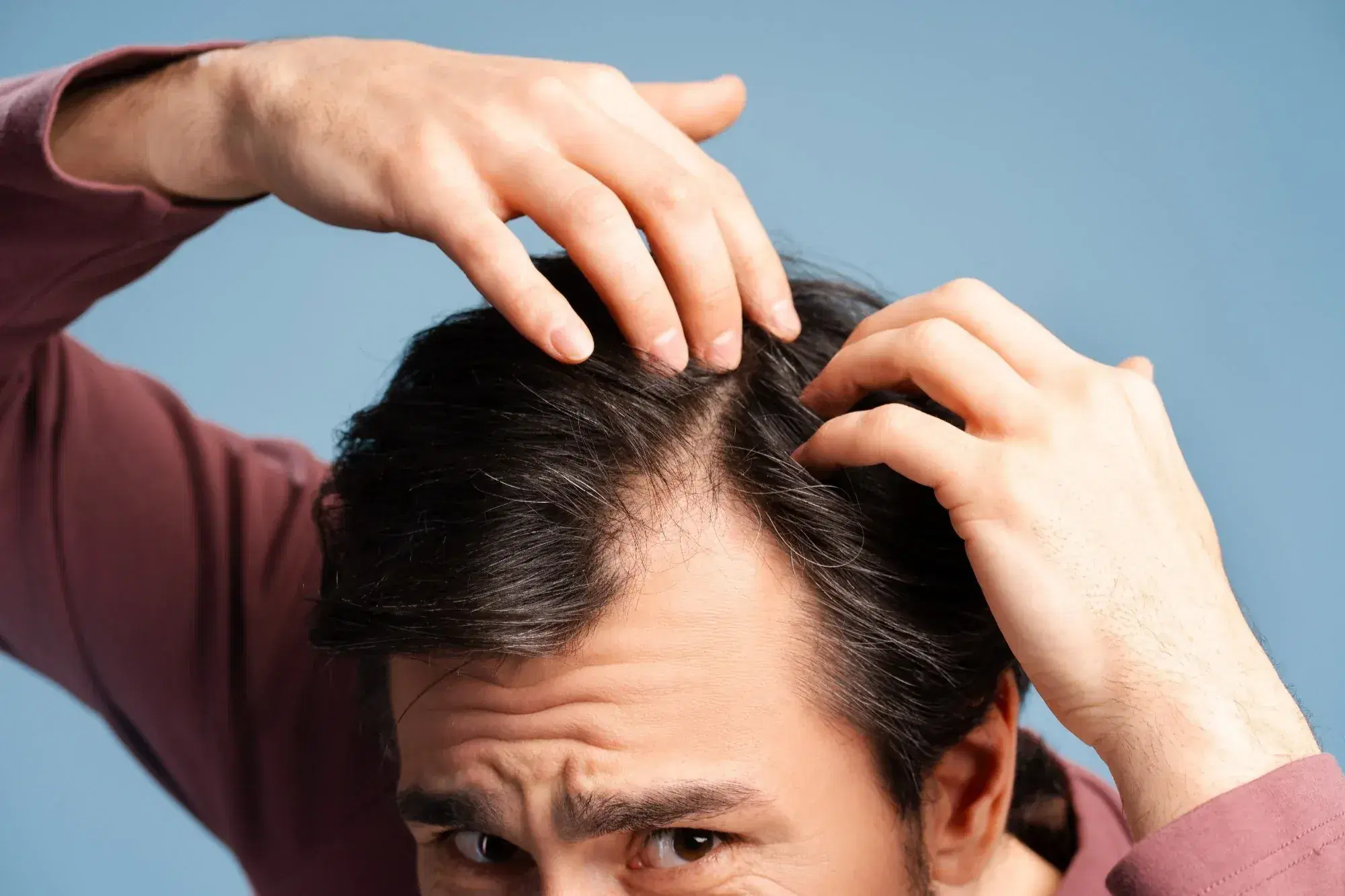
Hair shedding can be normal, but noticeable thinning, bald patches, scalp symptoms, or sudden changes deserve more attention. A dermatologist can help identify hair loss causes, check whether the scalp is inflamed or damaged, and recommend a hair loss treatment plan based on what is actually happening. The sooner you understand the pattern, the easier it is to protect existing hair and avoid wasting time on products that do not match the problem.
When is hair loss worth a dermatologist visit?
You should consider seeing a dermatologist when hair loss is sudden, patchy, painful, itchy, spreading, or not improving after a few months of basic care. It is also worth booking an appointment if hair shedding begins after illness, medication changes, hormonal shifts, major stress, or scalp irritation. Dermatologists are trained to separate temporary shedding from conditions that may need prescription treatment, testing, or closer monitoring.
Hair loss can come from many sources, including genetics, inflammation, autoimmune activity, nutritional issues, tight hairstyles, scalp conditions, medication effects, and hormonal changes. Because several hair loss causes can look similar at first, guessing often leads to frustration. A professional evaluation can narrow the possibilities and help you choose the next step with more confidence.
Use the signs below as practical guidance. You do not need to wait until hair loss becomes severe to ask for help, especially if the change is affecting your confidence or daily routine.
1. Your hair is shedding suddenly or in large amounts
A few hairs in the brush, shower, or on clothing are part of the normal growth cycle. The concern begins when shedding feels abrupt, excessive, or clearly different from your usual pattern. If you are pulling out clumps, cleaning more hair from the drain, or noticing hair all over your pillow, it may be time to get evaluated.
Sudden shedding can happen after a physical or emotional stressor. Illness, surgery, rapid weight change, childbirth, major life stress, or a new medication can sometimes push more hairs into the shedding phase. This type of shedding may be temporary, but a dermatologist can help confirm whether it fits that pattern or whether something else is contributing.
Pay attention to timing. If shedding continues, gets worse, or starts without an obvious trigger, do not rely only on over-the-counter shampoos or supplements. The right hair loss treatment depends on the cause, and sudden shedding is one of the clearest hair loss dermatologist signs that a closer look is worthwhile.
Helpful details to track before your appointment include:
When the shedding started
Whether it began suddenly or gradually
Any recent illness, stress, diet change, or medication change
Where you notice the most hair loss
Whether your scalp feels itchy, sore, oily, flaky, or irritated
2. You see bald patches or uneven areas of loss
Patchy hair loss is different from general shedding. It may appear as one round or oval bald spot, several small areas, or irregular thinning that seems to expand over time. Because patchy loss can involve inflammation, immune-related conditions, infection, or traction from styling habits, it deserves prompt attention.
A dermatologist can examine the scalp closely and look for signs that are not easy to spot at home. Smooth patches, broken hairs, redness, scale, tenderness, or tiny black dots can all point in different directions. The goal is not just to name the condition but to determine whether the follicles are likely to recover and what can be done to support that recovery.
Avoid aggressive brushing, scratching, chemical treatments, or tight styling around bald patches until you know what is causing them. Some conditions can worsen with irritation. Others may respond better when treatment begins early, before the affected area grows larger.
You should especially schedule a visit if bald patches are:
Appearing quickly
Increasing in number or size
Accompanied by itching, burning, pain, or scaling
Showing broken hairs rather than clean shedding
Affecting eyebrows, beard hair, or other body hair as well
3. Your scalp is itchy, painful, red, flaky, or inflamed
Hair loss is not always only about the hair shaft. The scalp environment matters because healthy follicles need a balanced, non-inflamed surface to function well. If hair loss comes with itching, burning, tenderness, redness, scaling, sores, crusting, or persistent dandruff-like flakes, a dermatologist should evaluate the scalp directly.
Scalp symptoms can be linked to common conditions, but they can also signal inflammation that may interfere with growth. Scratching can add further irritation, and some untreated scalp problems can become more difficult to manage over time. A dermatologist may check for infection, dermatitis, psoriasis-like scaling, follicle inflammation, or scarring changes.
This is an important reason not to treat every hair concern with the same product. A stimulating serum, heavy oil, or harsh clarifying shampoo may aggravate an already irritated scalp. If symptoms are present, the most effective hair loss treatment may begin with calming inflammation or treating the scalp condition before focusing on regrowth.
While waiting for an appointment, keep your routine simple:
Use a gentle shampoo unless directed otherwise
Avoid scratching or picking at flakes and sores
Pause new styling products if irritation started after using them
Avoid tight hairstyles that pull on tender areas
Note whether symptoms flare after coloring, relaxers, heat, or specific products
4. Your part, hairline, or crown is gradually thinning
Gradual thinning can be easy to dismiss because it often develops slowly. You may notice a wider part, a more visible scalp under bright light, a receding hairline, less volume in a ponytail, or thinning around the crown. These changes can be subtle at first, but they are common reasons people eventually seek help.
Pattern-related thinning is one possible cause, but it is not the only one. Hormonal shifts, nutritional issues, thyroid-related concerns, chronic stress, scalp inflammation, and certain medications can also contribute to gradual loss. A dermatologist can review your history, examine the pattern, and decide whether additional testing is appropriate.
Early evaluation is useful because some forms of thinning respond best before the hair becomes significantly miniaturized or sparse. Waiting years may limit what treatment can realistically achieve. Even when hair loss is hereditary, there may be options to slow progression, improve density, or protect the hair you still have.
Consider taking clear photos in the same lighting once a month. Focus on the part line, temples, crown, and hairline. This gives you and your dermatologist a more reliable way to judge change than memory alone.
Signs of gradual thinning to take seriously include:
More scalp showing through your usual hairstyle
A ponytail or braid that feels smaller than before
A part that appears wider over time
Thinning at the temples or crown
Family history of similar hair loss
Slow but steady loss despite gentle hair care
5. Hair loss is affecting your confidence, routine, or quality of life
You do not need to justify seeing a dermatologist only with severe symptoms. Hair loss can affect how you feel in photos, at work, while dating, at social events, or during simple daily grooming. If you are constantly checking your hair, changing your style to hide thinning, or feeling anxious about shedding, that is reason enough to seek guidance.
A dermatologist can provide more than a diagnosis. They can help you understand what is realistic, which treatments require consistency, what side effects to watch for, and how long it may take to notice changes. This can reduce the pressure to try every trending product or switch routines every few weeks.
Emotional stress and hair loss can also feed into each other. Stress may worsen shedding for some people, while shedding itself creates more stress. Getting a clear plan can make the situation feel less random and more manageable.
You may benefit from an appointment if you are:
Avoiding certain hairstyles because of thinning
Spending heavily on products without improvement
Feeling distressed every time you wash or brush your hair
Unsure whether your shedding is normal
Worried that you may miss the best treatment window
What can a dermatologist do for hair loss?
A dermatologist starts by looking for patterns. They may ask about your health history, family history, medications, recent stressors, diet changes, styling habits, and scalp symptoms. They may also examine the scalp, perform simple in-office checks, recommend lab work, or suggest further evaluation if the pattern is unclear.
From there, hair loss treatment may include scalp care, prescription or nonprescription medications, lifestyle adjustments, changes to styling habits, treatment for inflammation or infection, or monitoring over time. Not every case needs the same approach. The value of seeing a dermatologist is that treatment can be matched to the likely cause instead of based on guesswork.
Before your visit, prepare a quick hair history. This helps make the appointment more productive and gives your dermatologist better context.
Bring or note:
Photos showing when the change began
A list of current medications and supplements
Recent major health events or stressors
Hair products and treatments you use regularly
Family history of thinning or baldness
Any itching, pain, flaking, or scalp sensitivity
How often you wash, heat style, color, braid, or chemically treat your hair
Early evaluation gives you better options
Hair loss can feel confusing because many causes overlap, and the first visible sign is not always the full story. Sudden shedding, bald patches, scalp inflammation, gradual thinning, and emotional distress are all valid reasons to see a dermatologist. You are not overreacting by asking for an expert opinion when your hair or scalp changes.