
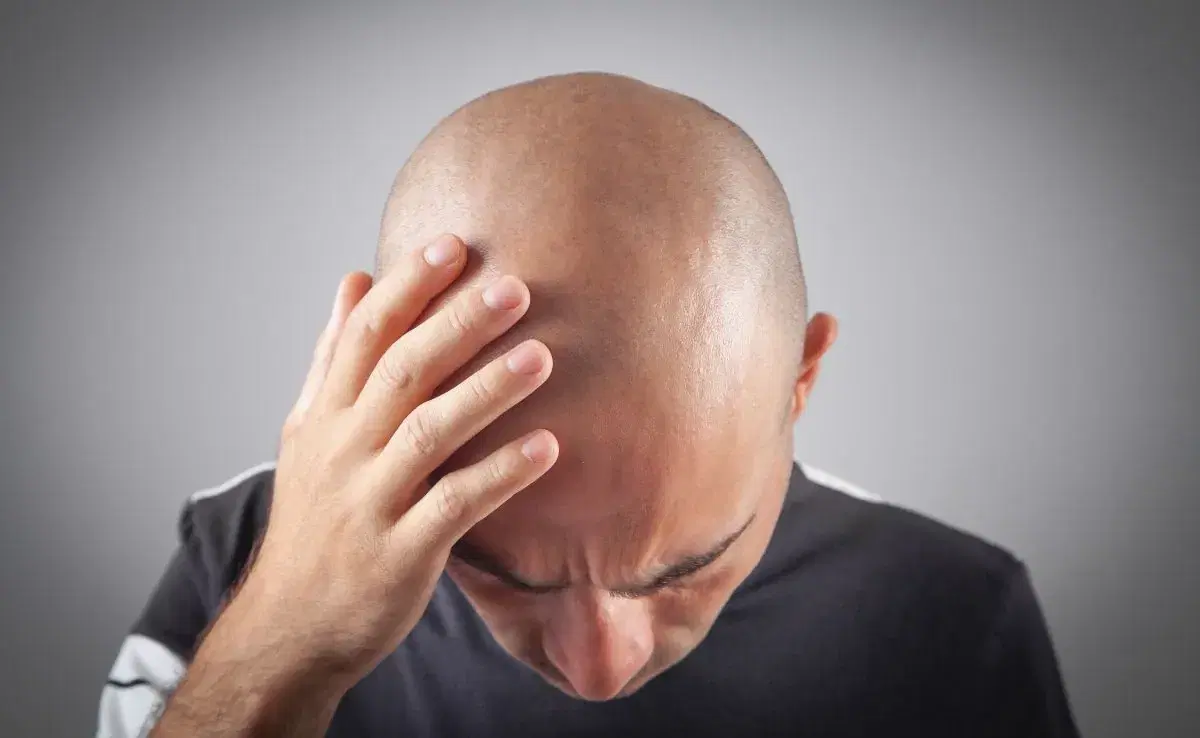
Sudden shedding can feel frightening, especially when more hair than usual shows up in your brush, shower drain, pillowcase, or hands. The reasons why you're suddenly losing your hair can range from temporary stress on the body to hormonal shifts, nutrition gaps, scalp conditions, medications, or an underlying health issue. The good news is that many sudden hair loss reasons are treatable once the trigger is identified.
This guide walks through seven common hair loss causes, what each one may look like, and when it makes sense to seek medical advice. It is not a diagnosis, but it can help you notice patterns and prepare for a more productive conversation with a qualified healthcare professional.
Why does hair loss seem to happen all at once?
Hair loss can seem sudden because the hair growth cycle often responds to a trigger weeks or months before the shedding becomes obvious. In many cases, a stressful event, illness, hormonal change, medication shift, or nutrition change pushes more hairs than usual into the resting phase, and those hairs shed later.
That delay is one reason people feel blindsided. You may be looking for something that happened this week, when the real clue was a fever, surgery, breakup, crash diet, birth control change, or major life event earlier. Tracking the timeline matters because different causes create different patterns: diffuse shedding all over, widening part lines, patchy bald spots, breakage at the ends, or inflamed areas on the scalp.
Before you panic, try to describe what is actually happening. Are strands coming out from the root, with a tiny white bulb at one end? Is the hair snapping mid-shaft? Is one area thinning faster than the rest? These details can help separate true shedding from breakage and point toward the most likely cause.
1. Physical or emotional stress can shock the hair cycle
One of the most common reasons for sudden hair loss is a major stressor on the body or mind. This can include a high fever, infection, surgery, accident, intense emotional stress, significant sleep disruption, or a period of heavy burnout. The shedding is often diffuse, meaning it happens across the scalp rather than in one clean patch.
This type of shedding can be especially confusing because it may not start right away. Hair may look normal during the stressful period, then begin falling noticeably later. You might see extra hair during washing, brushing, or styling, but your scalp may still look healthy.
The practical step is to look backward. Ask yourself what changed in the last few months: illness, grief, work stress, travel, poor sleep, major training, or a difficult personal event. Reducing ongoing stress will not instantly stop shedding, but it can support recovery while the hair cycle resets.
Helpful actions include:
Prioritize consistent sleep and regular meals.
Avoid crash dieting or extreme exercise while shedding is active.
Use gentle hair care to limit breakage.
Keep a simple shedding diary with dates, triggers, and symptoms.
Seek professional help if the stress feels unmanageable or persistent.
2. Hormonal changes may trigger noticeable shedding
Hormones can strongly influence hair growth, which is why some of the most common reasons for sudden hair loss in women involve pregnancy, postpartum changes, menopause, thyroid imbalance, and starting, stopping, or changing hormonal medications. Shedding related to hormones may be diffuse, or it may reveal a widening part or thinner crown.
Postpartum shedding is a classic example: hair may feel thicker during pregnancy, then shed heavily afterward as hormone levels shift. Menopause can also change hair density and texture. Thyroid changes may affect the hair along with energy, weight, temperature sensitivity, mood, or menstrual patterns.
If your hair loss began after a hormonal transition, do not assume you simply have to live with it. A clinician may consider your symptoms, health history, cycle changes, medication history, and lab testing when appropriate. The key is to mention the timing clearly, especially if shedding started after childbirth, a new contraceptive, discontinuing a hormonal treatment, or symptoms that suggest thyroid changes.
3. Nutrient gaps and rapid weight changes can show up in your hair
Hair is not the body’s top survival priority. When calories, protein, iron, or other nutrients are too low, the body may conserve resources, and hair growth can suffer. Rapid weight loss, restrictive diets, skipped meals, low protein intake, heavy training without enough fuel, and certain digestive issues can all contribute to shedding.
This does not mean every person with hair loss needs a cabinet full of supplements. Taking high doses of random vitamins can be unhelpful and, in some cases, risky. A better approach is to look at your overall pattern: Are you eating enough? Did your diet change suddenly? Are you avoiding major food groups? Have you had heavy periods, digestive symptoms, or fatigue?
A hair-supportive routine usually starts with basics:
Eat enough calories for your body and activity level.
Include protein regularly throughout the day.
Add iron-rich foods if they fit your diet.
Include healthy fats rather than going extremely low-fat.
Ask about testing before using high-dose supplements.
Nutritional hair loss often improves when the underlying deficiency or restriction is addressed, but regrowth takes patience. Hair grows slowly, so the first sign of improvement may be less shedding rather than instant thickness.
4. Medications and medical treatments can affect shedding
Some medications and treatments can contribute to hair shedding or thinning. This can happen after starting a new medication, changing a dose, stopping a medication, or going through a treatment that affects rapidly dividing cells. The pattern and timing vary depending on the medication and your individual health situation.
Never stop a prescribed medication on your own because of hair loss. Instead, make a list of what changed before the shedding began, including prescriptions, over-the-counter products, supplements, injections, hormone treatments, and recent medical procedures. Bring the list to a healthcare professional and ask whether any item could be contributing.
Sometimes the medication is not the only factor. The condition being treated, recent illness, stress, weight change, or hormone shifts may also play a role. That is why a full timeline is more useful than blaming one product immediately.
5. Scalp inflammation, infection, or irritation can cause loss at the source
Not all hair loss begins inside the body. The scalp environment matters. Conditions that cause itching, scaling, tenderness, redness, sores, flaking, or inflammation can interfere with healthy growth and may lead to shedding, breakage, or patches of loss.
Pay attention to symptoms beyond the hair itself. A flaky scalp that burns, a painful bump, circular patches, persistent itching, or areas that feel crusted or swollen should not be ignored. Some scalp issues need specific treatment, and delaying care may allow irritation to worsen.
This is also where product habits matter. Harsh chemical processing, frequent bleaching, tight hairstyles, aggressive brushing, and heat styling can irritate the scalp or damage the hair shaft. If your strands are breaking rather than shedding from the root, the issue may be mechanical damage instead of internal hair loss.
Gentler care can help protect the hair you still have:
Avoid tight ponytails, braids, buns, or extensions that pull on the scalp.
Use lower heat settings and heat protection when styling.
Detangle slowly, starting at the ends.
Pause harsh chemical services while shedding is active.
Choose mild cleansing if your scalp feels irritated.
6. Pattern hair loss can become noticeable after a shedding episode
Pattern hair loss is usually gradual, but it can feel sudden when a separate shedding event makes it more visible. For example, a person may already have slow thinning at the part line or crown, then experience stress-related shedding that reveals the reduced density faster.
This is one of the more overlooked hair loss causes because people expect pattern thinning to happen only later in life or only in men. In reality, women can experience pattern thinning too. It may show up as a wider part, reduced ponytail volume, more visible scalp at the crown, or thinning that develops over time rather than clean bald patches.
The important distinction is that temporary shedding and pattern loss can overlap. If your shedding slows but your part continues to widen, or if your hair has been gradually thinning for years before the sudden episode, it is worth getting evaluated. Early attention may give you more options than waiting until the change is advanced.
7. Autoimmune or underlying health conditions may be involved
Some sudden hair loss reasons are linked to immune activity or medical conditions that need professional diagnosis. Patchy hair loss, smooth round bald spots, eyebrow or eyelash loss, sudden widespread shedding, scalp pain, unusual fatigue, unexplained weight changes, heavy menstrual bleeding, joint symptoms, or rashes can all be clues that something more is going on.
Autoimmune-related hair loss may appear in distinct patches, but not every case looks the same. Other health issues, including thyroid imbalance, anemia, inflammatory conditions, or chronic illness, can also contribute to shedding. Because the possibilities are broad, guessing based only on photos or symptoms can lead you in the wrong direction.
Seek medical advice promptly if you notice:
Sudden bald patches or rapidly expanding thin areas.
Scalp pain, redness, sores, or significant scaling.
Hair loss with fever, fatigue, weight change, or other new symptoms.
Eyebrow, eyelash, or body hair loss.
Shedding that continues for several months without improvement.
Hair loss after starting a new medication or treatment.
What should you do next if your hair is falling out?
Start by documenting the pattern, timeline, and possible triggers instead of buying every product that promises growth. Note when the shedding began, what happened in the months before it, whether your scalp has symptoms, and whether the loss is diffuse, patchy, or concentrated around the part or hairline.
A practical next-step checklist looks like this:
Take clear photos in consistent lighting once every few weeks.
Save a list of recent illnesses, stressors, diet changes, medications, and hormonal changes.
Switch to gentle styling while you investigate the cause.
Avoid tight hairstyles and unnecessary chemical processing.
Do not start high-dose supplements unless a deficiency is suspected or confirmed.
Book an appointment if the loss is sudden, severe, patchy, painful, or persistent.
The biggest mistake is treating all hair loss the same way. A scalp condition, nutrient deficiency, postpartum shed, pattern thinning, and medication-related shedding may require very different approaches. Identifying the cause is what turns worry into a plan.